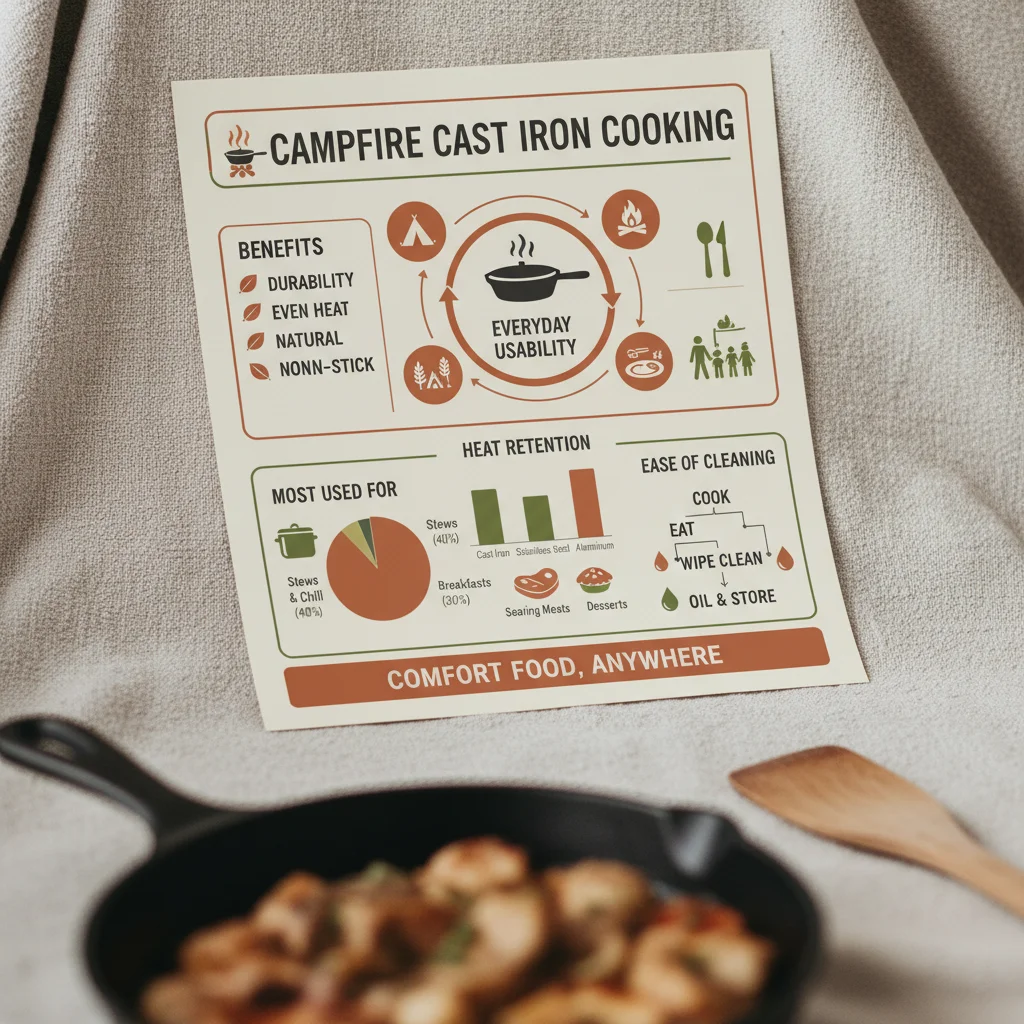
The global culinary landscape has seen a significant resurgence in traditional cooking methods, placing cast iron cookware made in china at the forefront of this movement. Combining ancient metallurgy with modern precision engineering, these tools provide an unmatched thermal mass that professional chefs and home enthusiasts alike rely on for consistent heat distribution.
Understanding the nuances of high-quality cast iron from China is essential for procurement managers and culinary distributors who seek to balance cost-efficiency with heirloom-quality durability. From the heavy-duty Cast Iron Dutch Oven to the specialized Cast Iron Takoyaki Pan, the versatility of Chinese manufacturing allows for a diverse range of products that meet strict international food-grade standards.
In this comprehensive guide, we explore why cast iron cookware made in china has become a global benchmark for reliability, examining the technical processes, material science, and the long-term value these products bring to kitchens worldwide.
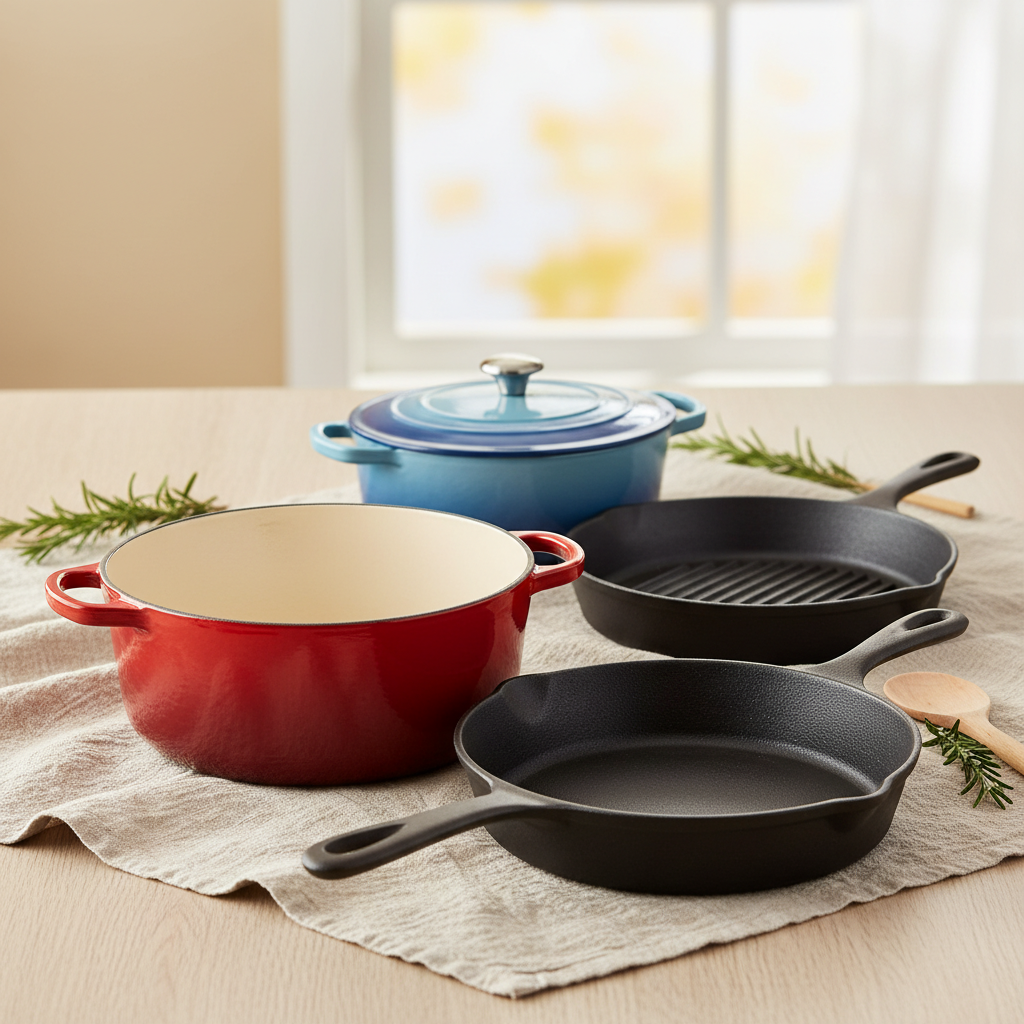
The Global Relevance of Cast Iron Cookware Made in China
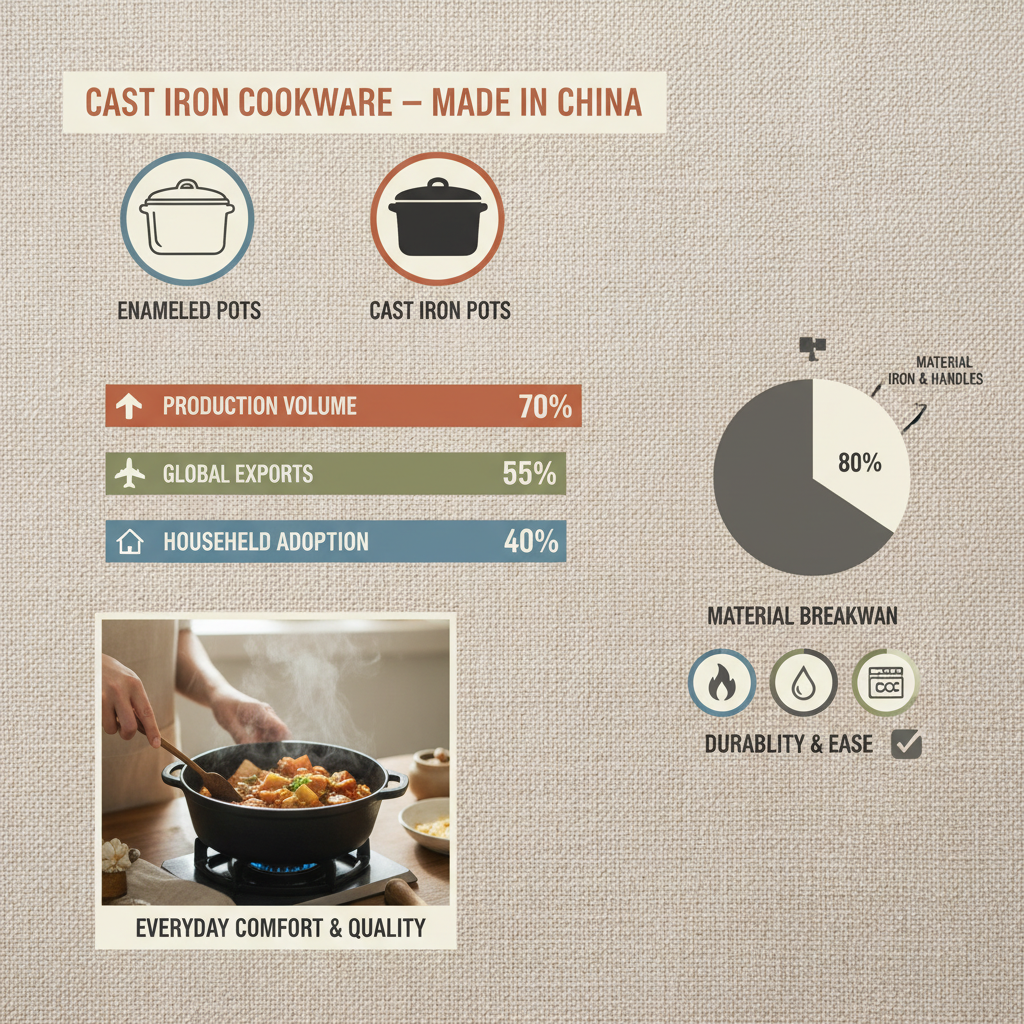
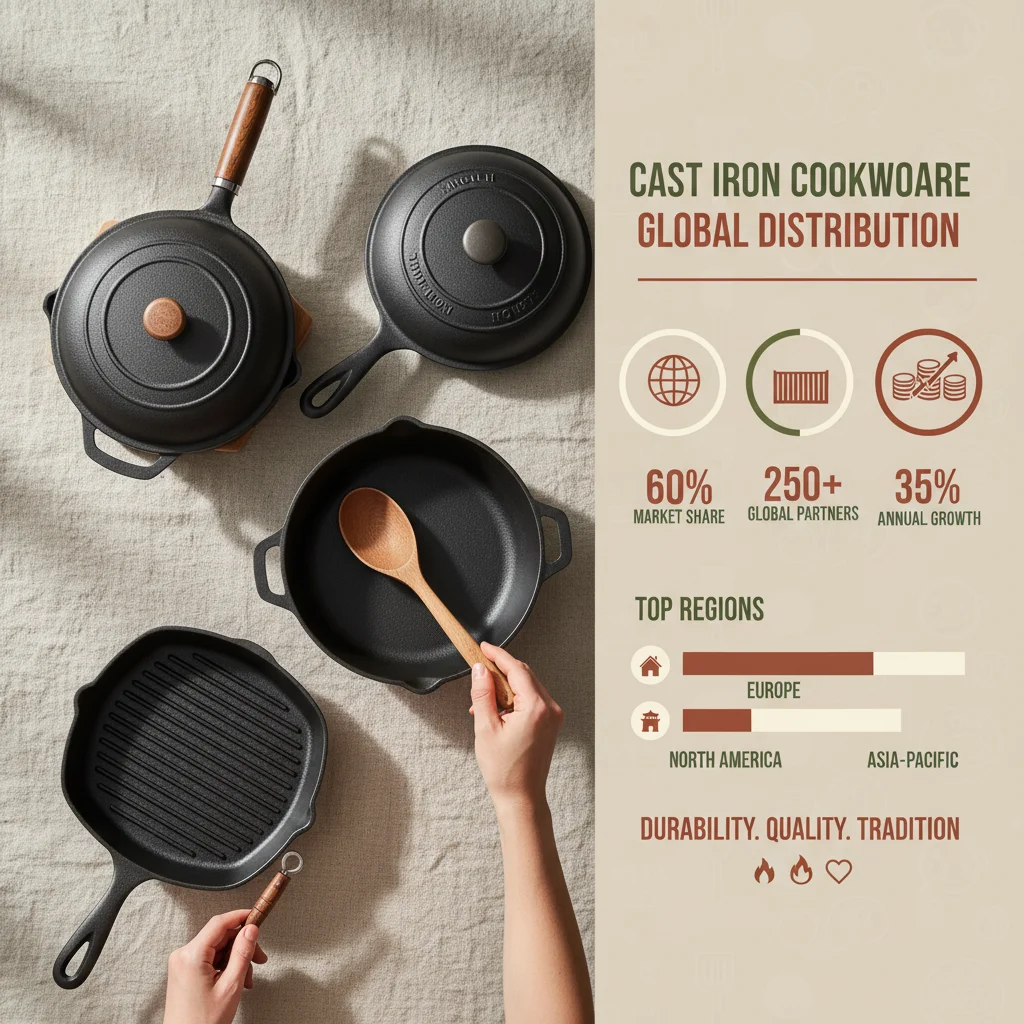
The dominance of cast iron cookware made in china in the international market is not merely a result of scale, but a reflection of advanced industrial integration. According to global trade data and ISO manufacturing standards, China has optimized the entire supply chain—from raw iron ore extraction to the final precision polishing of an Enamel Cast Iron Casserole—reducing waste and increasing accessibility for consumers worldwide.
This industrial capacity addresses a critical gap in the market: the need for professional-grade cookware that remains affordable. By leveraging automated casting lines and rigorous quality control, manufacturers can produce high-density Cast Iron Griddles and Woks that compete with European luxury brands while maintaining a significantly lower price point for the end-user.
Defining Quality in Chinese Cast Iron Production
When we define cast iron cookware made in china, we are referring to a sophisticated blend of traditional smelting and modern CAD-designed molds. Unlike rudimentary casting, modern Chinese production focuses on the molecular structure of the iron, ensuring a low carbon-to-silicon ratio that prevents brittleness and reduces the likelihood of warping under extreme temperatures.
In the context of modern industry, this cookware represents a marriage of utility and science. For instance, the development of Enamel Coated Cast Iron Cookware requires a precise chemical bond between the vitreous enamel and the metal substrate, a process that demands strict temperature regulation and a dust-free environment to avoid surface imperfections.
Ultimately, these products are designed to meet the humanitarian need for sustainable, lifelong tools. By moving away from short-lived non-stick coatings (PTFE) and toward seasoned cast iron or high-grade enamel, the industry promotes a circular economy where the product is passed down through generations rather than ending up in a landfill.
Core Components of Durable Cast Iron Engineering
The durability of cast iron cookware made in china begins with the purity of the raw materials. High-grade scrap iron is melted in induction furnaces to remove impurities, ensuring that a Cast Iron Round Skillet has a smooth, dense surface that accepts seasoning effectively and resists corrosion.
Precision molding is the second pillar of excellence. By using high-pressure die casting, manufacturers ensure that the walls of an Enamel Cast Iron Dutch Oven are uniform in thickness. This prevents "hot spots," which are common in lower-quality casts, allowing for the slow, steady braising that is the hallmark of professional French and Belgian cuisine.
Finally, the finishing process—whether it be pre-seasoning with organic vegetable oils or the application of multi-layer enamel—defines the user experience. The ability to produce a seamless finish on a Cast Iron Bread Loaf Pan ensures that baked goods release easily, showcasing the meticulous attention to detail inherent in premium cast iron cookware made in china.
Practical Applications Across Global Markets
The application of cast iron cookware made in china spans from high-end restaurant kitchens in New York to remote camping sites in the Alps. In commercial settings, the Cast Iron Grill Pan and Cast Iron Press are indispensable for achieving a perfect sear on proteins, providing the thermal stability required for high-volume service.
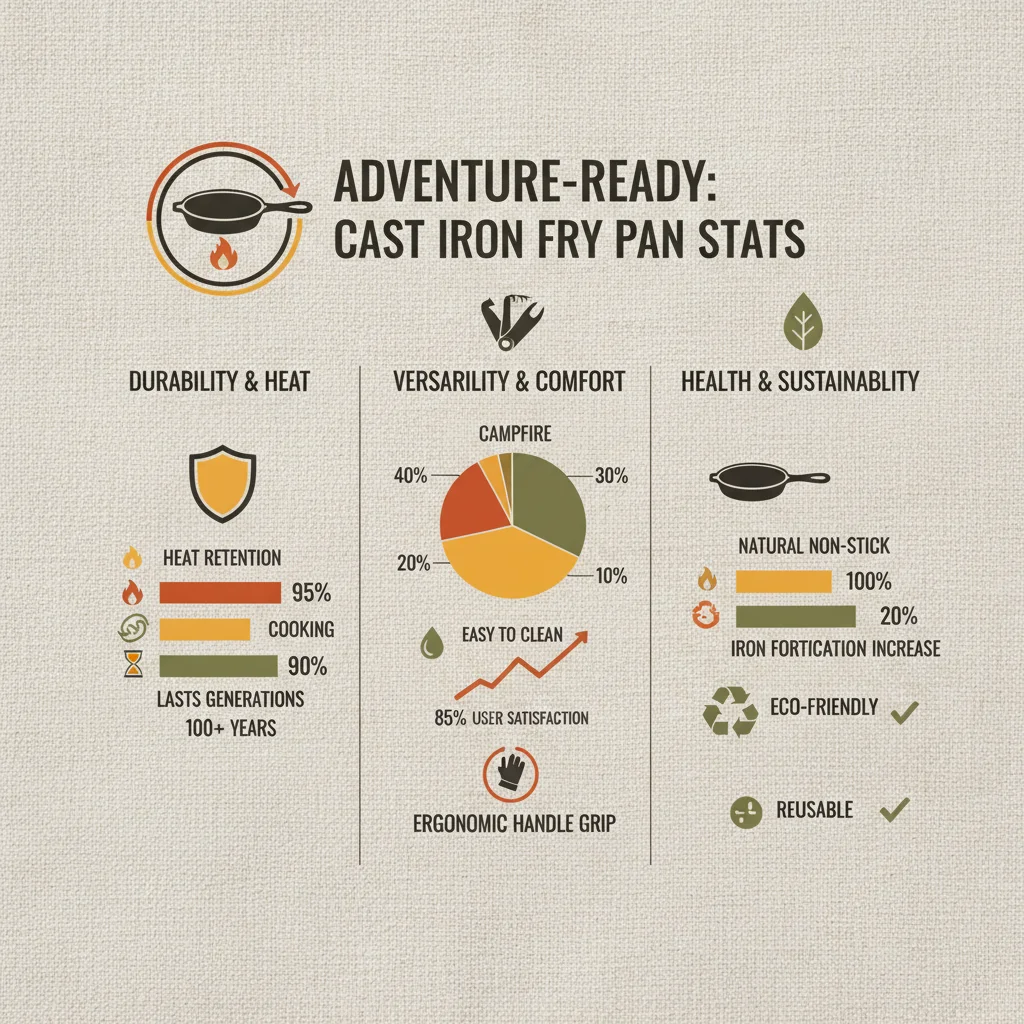
Furthermore, these products are highly valued in the "slow food" movement across Europe and North America. The heat retention of an Enameled Cast Iron Fry Pan allows chefs to maintain precise temperatures for delicate sauces, while the versatility of the Cast Iron Wok & Pot facilitates the authentic preparation of Asian cuisines globally.
Performance Comparison of Cast Iron Cookware Made in China
Long-Term Value and Sustainability Benefits
Investing in cast iron cookware made in china offers a logical and emotional advantage. Logically, the cost-per-use is incredibly low; a well-maintained Cast Iron Dutch Oven can last for over a century, eliminating the need for frequent replacements. This longevity represents a significant shift away from the "throwaway culture" of modern consumerism.
From a sustainability perspective, cast iron is 100% recyclable. Moreover, the move toward enamel coatings that are free from PFOA and PFOS ensures that these products are safe for the family and the environment. The trust associated with these products stems from their reliability—knowing that the pan will perform exactly the same way today as it will in twenty years.
Future Innovations in Metal Casting Technology
The future of cast iron cookware made in china is being shaped by digital transformation and green energy. Smart factories are now implementing AI-driven thermal sensors to monitor the cooling process of the metal, ensuring that every Cast Iron Grill Pan has zero internal stress fractures, further enhancing durability.
Sustainability is also driving the adoption of electric arc furnaces (EAF) powered by renewable energy, reducing the carbon footprint of the smelting process. This transition ensures that the "Made in China" label is associated not just with efficiency, but with ecological responsibility.
Additionally, we are seeing innovations in "nano-seasoning" technologies, where the initial polymer layer is applied using plasma spray techniques. This creates a more resilient, non-stick surface on raw cast iron, making the transition to using professional cookware easier for novice home cooks.
Overcoming Industry Challenges with Expert Solutions
Despite the advantages, the industry faces challenges such as the inherent weight of the material and the risk of rust in humid environments. To solve this, manufacturers of cast iron cookware made in china have developed ergonomic handles and optimized wall thicknesses that reduce weight without compromising heat retention.
To combat corrosion, the integration of advanced enamel technologies has provided a permanent barrier against moisture. For unenameled products, the implementation of high-temperature industrial seasoning ensures that the pan arrives with a robust protective layer, reducing the "break-in" period for the customer.
Finally, the challenge of logistics is addressed through reinforced, eco-friendly packaging that prevents chipping during long-distance shipping. By focusing on the end-to-end user experience, the sector continues to refine the delivery of premium cookware to a global audience.
Technical Analysis of Cast Iron Manufacturing Standards
| Product Category |
Material Density |
Heat Retention Score |
Surface Durability |
| Cast Iron Dutch Oven |
High (7.2 g/cm³) |
10/10 |
Excellent (Enameled) |
| Cast Iron Grill Pan |
Medium-High |
9/10 |
Very High (Seasoned) |
| Enamel Fry Pan |
High |
8/10 |
Excellent (Glass-Fused) |
| Cast Iron Wok |
Medium |
9/10 |
High (Polymerized) |
| Takoyaki Pan |
Medium-High |
7/10 |
High (Seasoned) |
| Bread Loaf Pan |
High |
10/10 |
Very High |
FAQS
Yes, high-quality cast iron cookware made in china is entirely safe. Most manufacturers adhere to FDA and LFGB standards, ensuring that the iron is pure and any enamel coatings are lead-free and cadmium-free. When properly seasoned or enameled, these products provide a non-toxic cooking surface that is superior to many synthetic non-stick alternatives.
The key is maintaining the "seasoning"—a layer of polymerized oil. After use, wash the skillet with mild soap (or just hot water), dry it immediately and thoroughly on the stovetop, and apply a very thin layer of cooking oil while the pan is still warm. Storing it in a dry place ensures your cast iron cookware remains rust-free for decades.
Raw cast iron requires seasoning and is ideal for high-heat searing and outdoor cooking. Enameled cast iron, common in Dutch Ovens and Casseroles, features a porcelain coating that eliminates the need for seasoning, allows for the use of acidic foods (like tomato sauce), and makes cleanup significantly easier.
Absolutely. Because they are made of ferromagnetic iron, virtually all cast iron cookware made in china is naturally compatible with induction hobs. Their flat bottoms provide excellent contact with the induction surface, ensuring efficient energy transfer and rapid heating.
The cost-effectiveness comes from vertical integration and industrial scale. By controlling the process from raw material smelting to final shipping, Chinese factories reduce overhead costs. This doesn't mean quality is sacrificed; rather, automation and optimized logistics allow for a lower retail price without compromising the structural integrity of the iron.
Yes, enameled cast iron is designed for oven use. Most can withstand temperatures up to 500°F (260°C). However, always check if the knobs on the lid are plastic or metal; if they are plastic, you may need to limit the oven temperature to avoid melting the handle.
Conclusion
In summary, cast iron cookware made in china represents the pinnacle of modern metallurgy, offering a perfect balance of durability, thermal performance, and economic value. From the specialized needs of a Takoyaki pan to the timeless utility of a Dutch oven, these products empower cooks to achieve professional results through superior heat management and sustainable design.
As the industry moves toward greener manufacturing and smarter casting techniques, the value proposition of these tools only grows. Whether you are a distributor looking for a reliable supply chain or a home cook seeking a lifelong kitchen companion, choosing high-grade Chinese cast iron is a commitment to quality and sustainability. Visit our website: www.jsycastiron.com