The allure of cooking over an open flame is deeply ingrained in human history, and the campfire cast iron pan represents a beautiful intersection of that tradition and modern culinary convenience. For generations, cast iron has been the go-to material for robust, versatile cookware, and its resurgence in popularity today speaks to a desire for authenticity and a connection to simpler times. From seasoned adventurers to backyard chefs, the campfire cast iron pan offers a uniquely satisfying cooking experience, imparting flavors and textures that are simply unmatched by other methods.
The global relevance of the campfire cast iron pan extends beyond recreation. In areas with limited access to electricity or modern cooking facilities, a durable cast iron pan provides a reliable and efficient means of preparing food. According to the UN, approximately 771 million people lack access to electricity worldwide, highlighting the continued need for robust, off-grid cooking solutions. Furthermore, the longevity of a well-maintained cast iron pan contributes to sustainability by reducing the need for frequent replacements, aligning with global efforts to minimize waste.
The campfire cast iron pan isn't simply a cooking tool; it’s a symbol of resilience, self-sufficiency, and shared experiences. Its ability to withstand extreme temperatures and provide consistent heat distribution makes it ideal for a wide range of culinary applications, from searing steaks to baking breads in the great outdoors. This versatility, coupled with its durability, makes it a valuable asset for both seasoned outdoor enthusiasts and those seeking a more grounded approach to cooking.
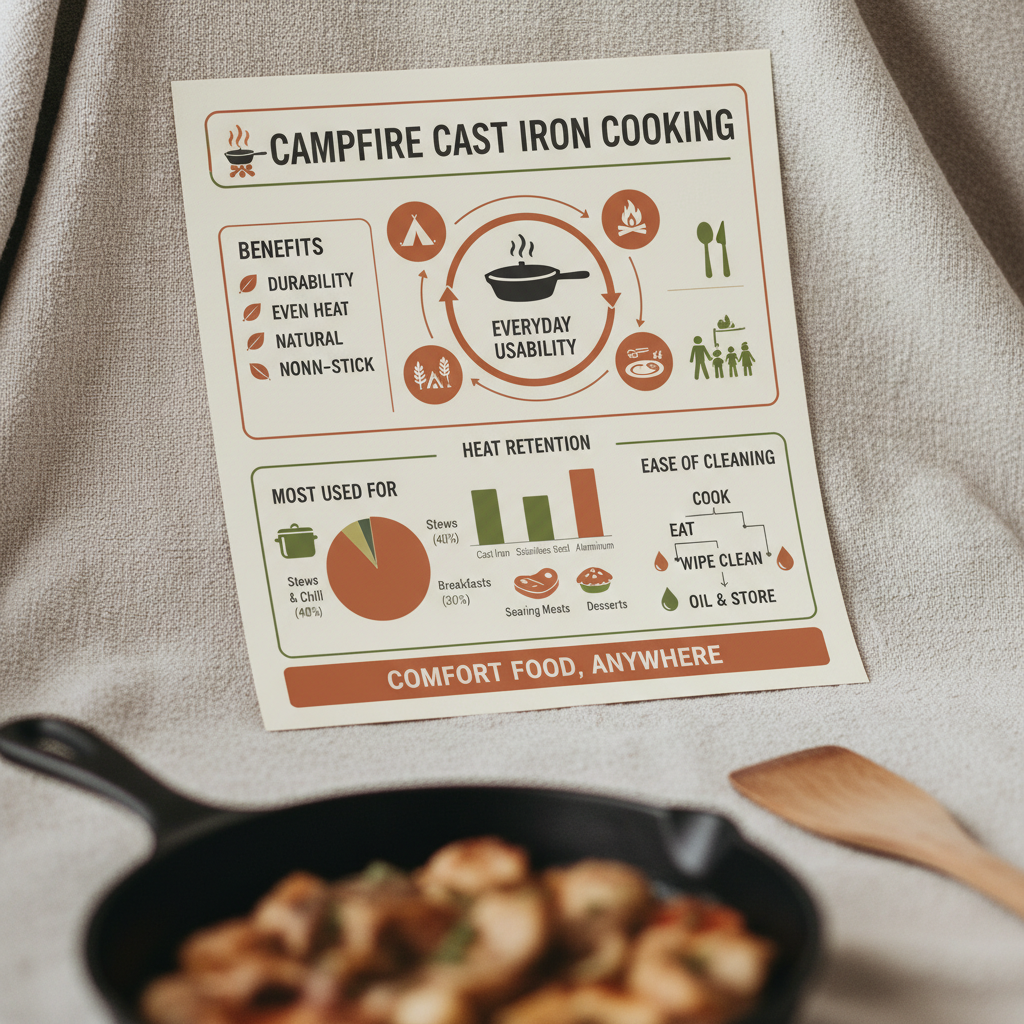
The Historical Development of campfire cast iron pan
The history of cast iron cookware dates back millennia, with evidence of its use in ancient China as early as the 6th century BC. However, the campfire cast iron pan as we know it today largely evolved alongside the development of iron smelting techniques in Europe. Early cast iron pans were often heavy and unevenly heated, but advancements in metallurgy led to more refined and practical designs. The popularity of cast iron surged in the American colonies, becoming an essential tool for homesteaders and pioneers.
Throughout the 19th and 20th centuries, the campfire cast iron pan became synonymous with hearty, home-style cooking. Brands like Lodge Manufacturing Company, established in 1896, played a pivotal role in mass-producing affordable and durable cast iron cookware. While stainless steel and non-stick surfaces gained prominence in the mid-20th century, cast iron has experienced a remarkable resurgence in recent years, driven by a renewed appreciation for its performance and versatility.
Defining the Campfire Cast Iron Pan
Simply put, a campfire cast iron pan is a cooking pan made from cast iron, specifically designed for use over an open flame or heat source, such as a campfire, wood stove, or grill. Unlike thinner, more modern cookware, cast iron retains heat exceptionally well, providing consistent and even cooking temperatures. This characteristic is particularly crucial when cooking outdoors, where heat sources can fluctuate. The term ‘campfire’ implies a robustness and design suited for harsher conditions.
The core of its functionality lies in the material itself. Cast iron is an alloy of iron, carbon, and silicon, which imparts its unique properties. It's renowned for its ability to withstand high temperatures without warping or degrading, and with proper seasoning, it develops a natural non-stick surface. This makes it ideal for searing, frying, baking, and even slow cooking directly over embers.
The connection to modern needs extends to sustainability. A well-cared-for campfire cast iron pan can last for generations, reducing the environmental impact associated with frequent cookware replacements. Its versatility also encourages simpler, more resourceful cooking practices, minimizing reliance on complex appliances and packaging.
Core Components of a Superior campfire cast iron pan
Several key factors contribute to the quality and performance of a campfire cast iron pan. First and foremost is the quality of the cast iron itself. Higher-grade cast iron contains fewer impurities and exhibits greater thermal conductivity. The thickness of the pan is also critical; thicker pans retain heat more effectively and are less prone to warping.
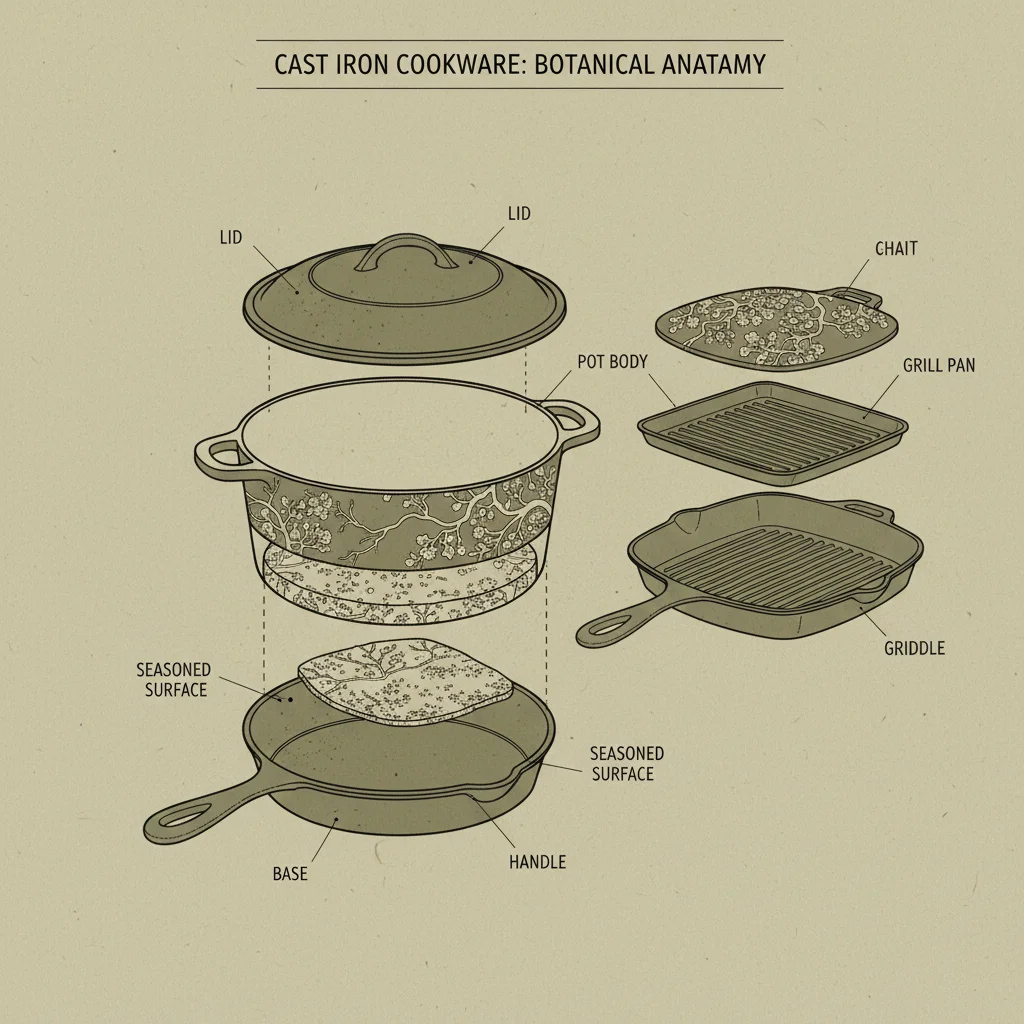
Seasoning is another vital component. Seasoning refers to the process of repeatedly heating oil into the pores of the cast iron, creating a natural, polymerized non-stick surface. A well-seasoned pan requires less oil for cooking, prevents food from sticking, and protects the iron from rust. The handle design is also important, offering a secure and comfortable grip, especially when handling a hot pan over a campfire.
Finally, the overall construction and design influence usability. Features like pour spouts, helper handles (for easier lifting), and properly sized cooking surfaces enhance the cooking experience. A robust, well-designed pan will withstand the rigors of outdoor use for years to come.
Global Applications of the campfire cast iron pan
The campfire cast iron pan finds applications across diverse regions and industries. In remote areas with limited access to conventional cooking methods, it serves as a reliable source for preparing nutritious meals. Indigenous communities often utilize cast iron for traditional cooking techniques, preserving cultural heritage and food security.
In disaster relief operations, cast iron pans provide a durable and versatile cooking solution for providing sustenance to affected populations. Organizations like the Red Cross and World Food Programme often include cast iron cookware in emergency food aid kits due to its longevity and ability to function without electricity. Furthermore, in remote industrial zones – such as mining camps or research stations – cast iron pans offer a practical cooking option for workers living in austere conditions.
The growing popularity of outdoor recreation – camping, backpacking, and overlanding – has also driven demand for campfire cast iron pans. Outdoor enthusiasts appreciate its ability to deliver restaurant-quality meals in the wilderness, enhancing their overall experience. From the rugged terrains of the Himalayas to the vast landscapes of the American Southwest, the campfire cast iron pan is a trusted companion for adventurers worldwide.
Campfire Cast Iron Pan Cooking Methods - User Satisfaction
Advantages and Long-Term Value of a campfire cast iron pan
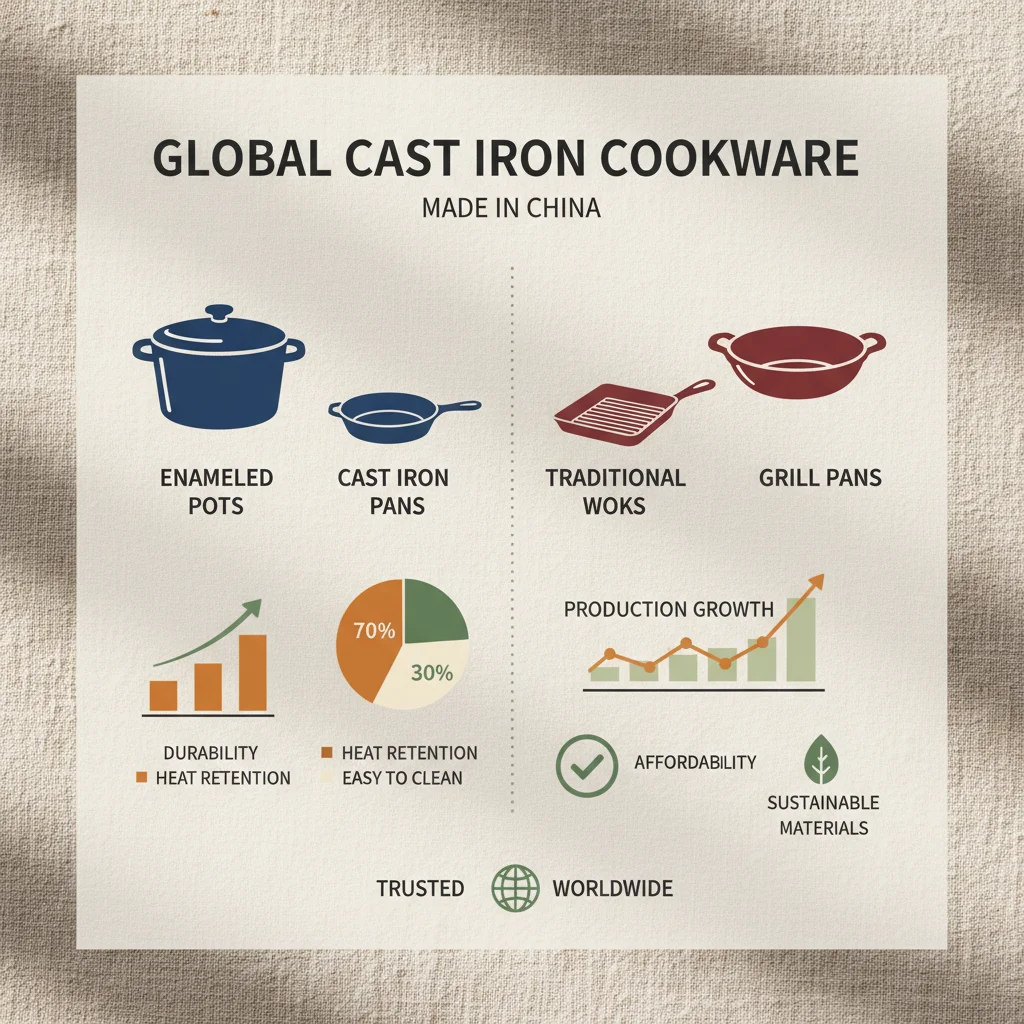
The benefits of owning a campfire cast iron pan are multifaceted. From a cost perspective, a single, high-quality cast iron pan can potentially outlast several of its non-stick counterparts, representing a significant long-term saving. Its durability also contributes to environmental sustainability by reducing the need for frequent replacements.
Beyond the practical advantages, there's an emotional connection associated with cast iron cooking. It evokes a sense of tradition, craftsmanship, and a slower pace of life. The ability to create delicious, nourishing meals using a time-tested method fosters a sense of self-reliance and satisfaction. The quality and consistent heat also mean more evenly cooked food.
Future Trends in campfire cast iron pan Technology
While the fundamental design of a cast iron pan remains relatively unchanged, innovations in materials and manufacturing processes are emerging. Enamel-coated cast iron, for example, offers the benefits of cast iron with added ease of cleaning and resistance to rust. Lightweight cast iron alloys are also being developed, addressing the weight concerns often associated with traditional cast iron.
Furthermore, the integration of digital technologies – such as smart temperature sensors and connected cooking apps – could enhance the cooking experience. These technologies could provide real-time feedback on cooking temperatures, suggest optimal cooking times, and even offer recipe recommendations tailored to cast iron cookware.
Challenges and Solutions for the campfire cast iron pan
One of the primary challenges associated with campfire cast iron pan ownership is the maintenance required to prevent rust. Cast iron is susceptible to corrosion if not properly seasoned and cared for. However, this can be mitigated through regular seasoning, thorough drying after washing, and storing the pan in a dry environment.
Another challenge is the weight of cast iron, which can make it cumbersome to transport and handle. Lightweight cast iron alloys offer a potential solution, but they may not possess the same heat retention properties as traditional cast iron. A third challenge is achieving consistent seasoning. Education and resources promoting proper seasoning techniques are crucial for helping users maintain their pans effectively.
Finally, the uneven heating of some cheaper cast iron pans can be an issue. Look for pans with a smooth surface and consistent wall thickness to maximize heat distribution. Investing in a higher-quality pan upfront can ultimately save time and frustration in the long run.
Summary of campfire cast iron pan Challenges and Solutions
| Challenge |
Severity (1-10) |
Potential Solution |
Implementation Cost (1-10) |
| Rust Formation |
7 |
Regular Seasoning & Proper Drying |
1 |
| Weight of Pan |
6 |
Lightweight Alloy Cast Iron |
8 |
| Inconsistent Seasoning |
5 |
Educational Resources & Workshops |
3 |
| Uneven Heating |
4 |
Investing in Higher Quality Pans |
7 |
| Food Sticking |
6 |
Proper Seasoning & Oil Usage |
1 |
| Difficulty Cleaning |
3 |
Enamel Coating or Gentle Cleaning |
5 |
FAQS
Seasoning a campfire cast iron pan involves coating it with a thin layer of oil (flaxseed, vegetable, or canola work well) and baking it upside down in a hot oven (around 400-450°F) for an hour. Repeat this process several times to build up a durable, non-stick surface. Proper seasoning is critical to preventing rust and ensuring optimal cooking performance. Ensure the pan is thoroughly dry before applying oil, and wipe away any excess to avoid stickiness.
Rust is the enemy of cast iron! Prevent it by always drying your pan thoroughly after washing, and then applying a very light coat of oil. Avoid letting the pan sit wet for extended periods. If rust does appear, scrub it off with steel wool, re-season the pan, and ensure you maintain proper drying and oiling practices.
For years, it was believed that soap stripped the seasoning from cast iron. However, modern dish soaps are generally mild enough that using a small amount of soap with hot water is perfectly acceptable, as long as you dry and re-oil the pan immediately afterward. Avoid harsh detergents or abrasive cleaners.
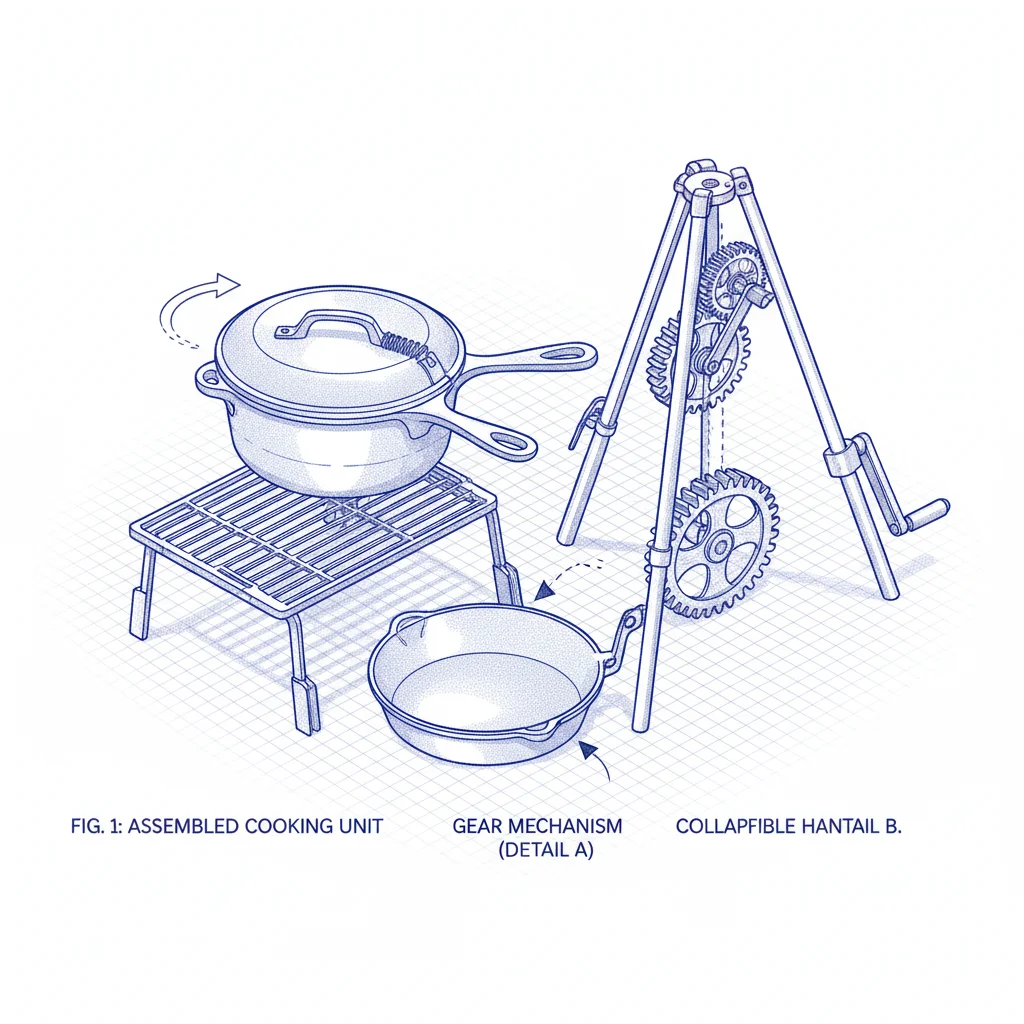
Yes, absolutely! That's what it’s designed for. However, avoid drastic temperature changes (like plunging a hot pan into cold water) as this can cause it to crack. Also, be mindful of open flames directly licking up the sides, as this can damage the seasoning. Using a tripod or placing it on a grill grate over the fire is ideal.
Clean your campfire cast iron pan while it’s still warm (but not scalding hot). Scrape away any food residue with a spatula or scraper. You can use a little warm water and a non-abrasive sponge or brush. Avoid steel wool for regular cleaning, as it can remove seasoning. Dry the pan thoroughly and apply a light coat of oil.
Cast iron excels at heat retention and even heating, making it ideal for searing and maintaining consistent temperatures. Stainless steel is easier to clean and less reactive to acidic foods, but doesn't hold heat as effectively. Cast iron also imparts a unique flavor to food that many cooks appreciate. For campfire cooking, cast iron's durability and heat resistance are unmatched.
Conclusion
In conclusion, the campfire cast iron pan is far more than just a cooking utensil; it’s a testament to enduring quality, culinary tradition, and a connection to the outdoors. Its remarkable durability, exceptional heat retention, and versatility make it an invaluable asset for both seasoned chefs and adventurous cooks alike. From providing sustenance in challenging environments to enhancing the joy of cooking over an open flame, the campfire cast iron pan continues to play a significant role in shaping our culinary experiences.
Looking ahead, continued innovation in materials and design, coupled with a growing appreciation for sustainable cooking practices, will undoubtedly ensure the campfire cast iron pan remains a cherished and essential tool for generations to come. We encourage you to explore the benefits of this timeless cookware and discover the magic of cooking with cast iron. Visit our website at www.jsycastiron.com to learn more and find the perfect pan for your next adventure!