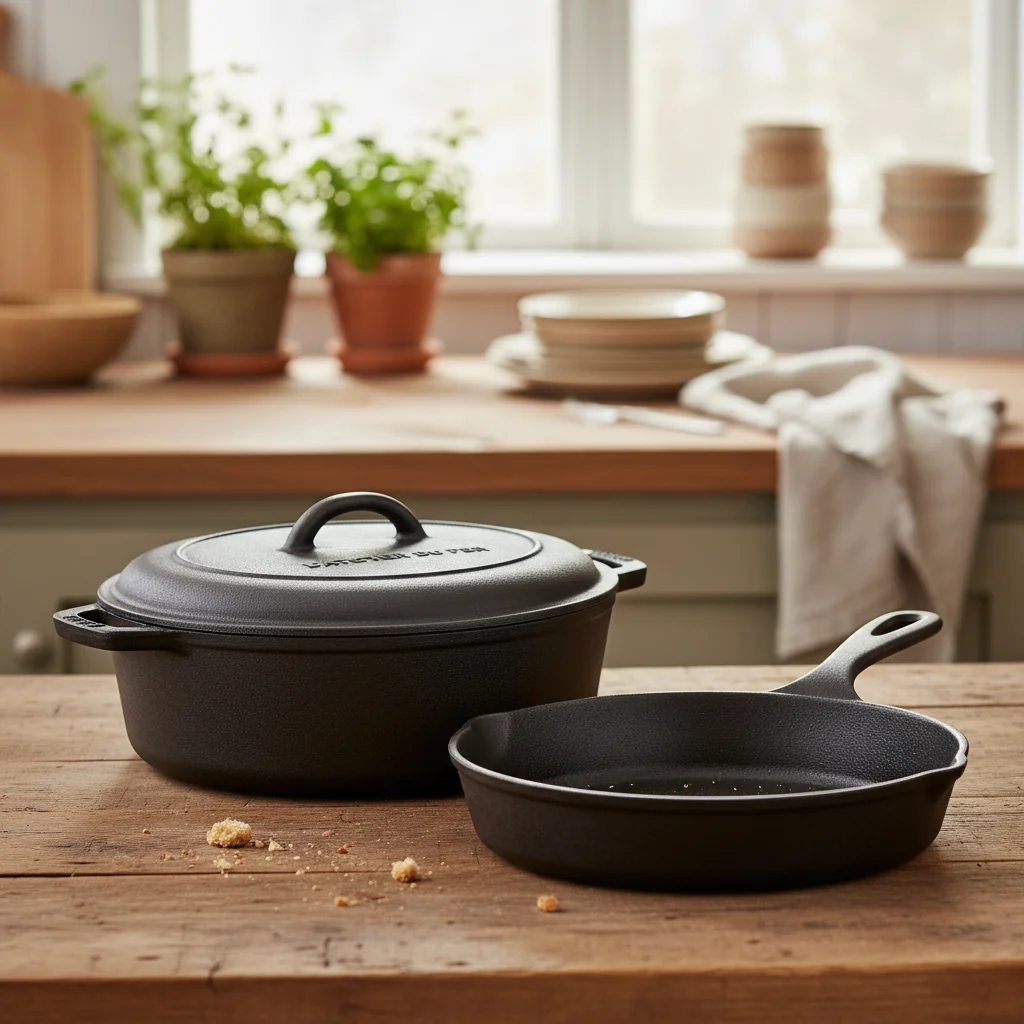
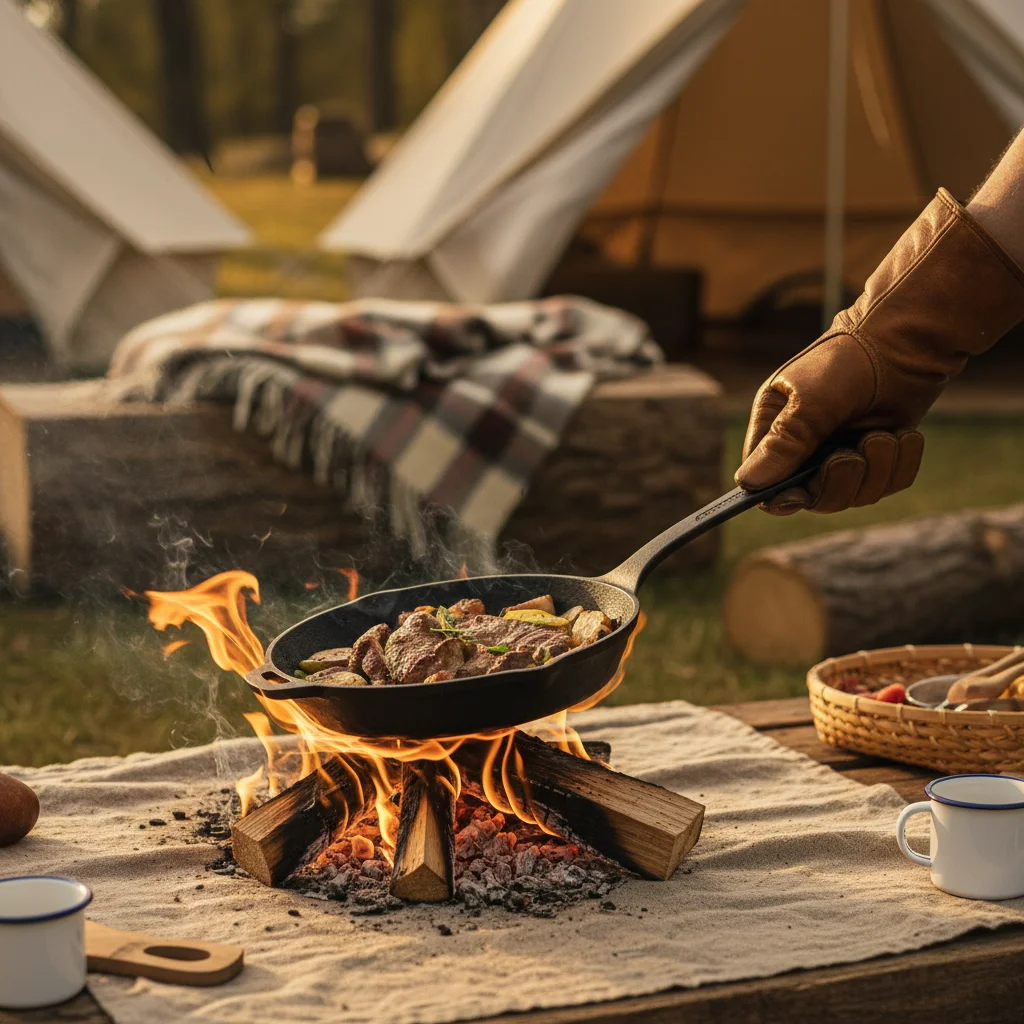
The allure of the outdoors is timeless, and for many, a delicious meal cooked over an open flame is an essential part of the experience. The cast iron camping frying pan has become a cornerstone of this tradition, offering unparalleled versatility and durability for cooking in the wilderness. From sizzling bacon at breakfast to hearty stews under the stars, a quality cast iron skillet elevates any camping culinary adventure.
However, choosing the right cast iron frying pan for camping requires consideration. Weight, seasoning, and ease of cleaning are critical factors for those venturing beyond the car campsite. Understanding the nuances of different cast iron options and proper care techniques can significantly enhance your outdoor cooking experience, ensuring years of reliable performance and flavorful meals.
The popularity of cast iron isn’t just nostalgia. Modern camping enthusiasts appreciate the superior heat retention and even cooking that cast iron provides, often surpassing the performance of lightweight alternatives. This makes the cast iron camping frying pan a favorite amongst seasoned outdoorsmen and women, and increasingly, a welcome addition to beginner campers’ gear lists.
The Versatility of Cast Iron
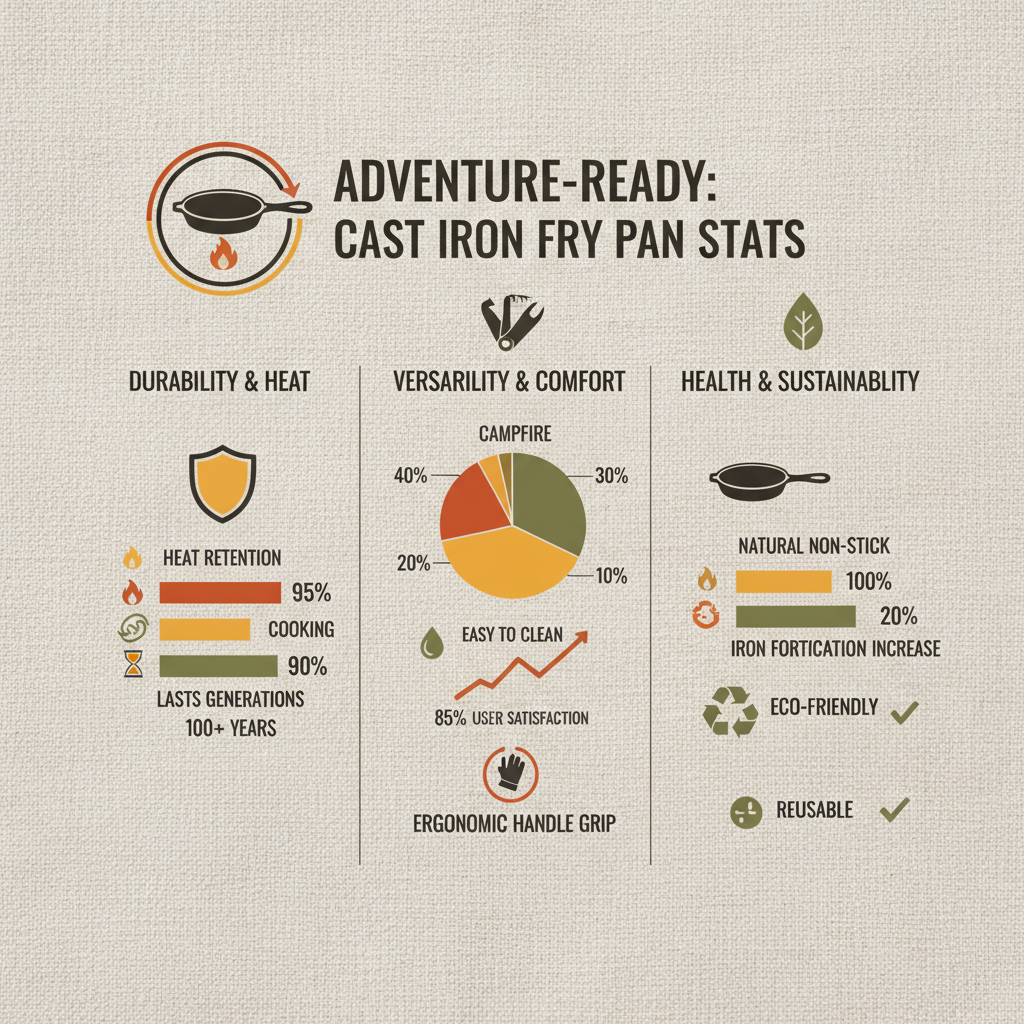
A cast iron camping frying pan isn’t limited to just frying; its versatility shines in a multitude of cooking methods. It can seamlessly transition from stovetop to campfire, oven to grill, making it an incredibly adaptable tool for any outdoor chef. This adaptability stems from its ability to retain and distribute heat evenly, essential for successful cooking in variable conditions.
Beyond basic frying, a cast iron skillet excels at searing meats, baking cornbread, simmering stews, and even making pizzas. This broad range of capabilities reduces the need to pack multiple specialized cooking items, simplifying your camping gear and making meal preparation more efficient.
Historical Context and Evolution
The history of cast iron cookware stretches back millennia, with evidence of its use dating back to ancient China. Over centuries, its production evolved, becoming increasingly refined and accessible. The use of cast iron became particularly widespread in the colonial United States, where it was prized for its durability and affordability. These early pans were often the workhorse of frontier kitchens.
The design of the cast iron camping frying pan has undergone significant evolution. While the basic principles remain the same, modern manufacturing techniques have resulted in lighter, smoother surfaces, and improved heat distribution. The introduction of pre-seasoned pans has also simplified the process for new users, removing a common barrier to entry.
Today, a resurgence of interest in traditional cooking methods has fueled a renewed appreciation for cast iron. Campers and home cooks alike recognize the superior quality and lasting value that cast iron provides, making it a timeless addition to any kitchen or campsite.
Material Composition and Manufacturing
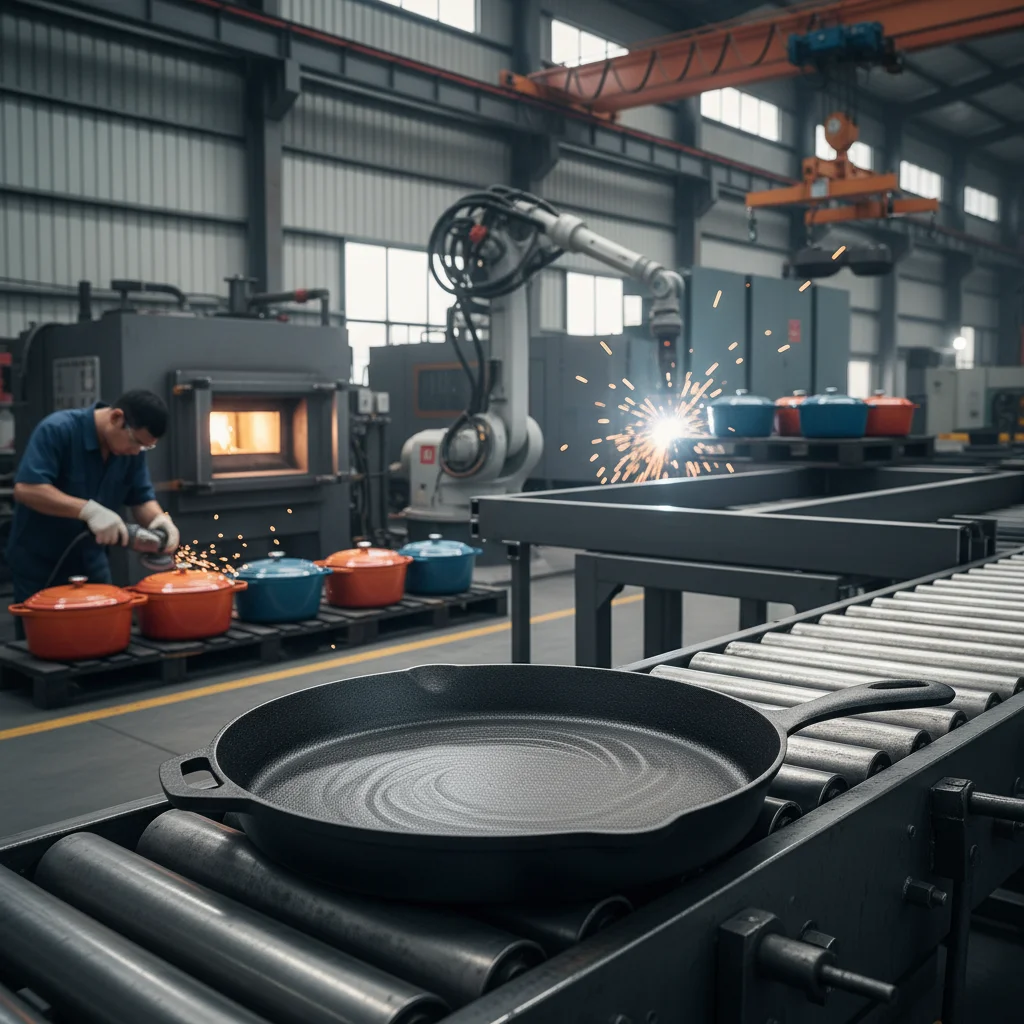
Cast iron is an alloy primarily composed of iron, carbon, and silicon. The specific proportions of these elements determine the pan’s properties, such as hardness, strength, and heat conductivity. Modern cast iron pans are often made using sand casting, a process where molten iron is poured into a sand mold.
The manufacturing process directly impacts the quality of the cast iron camping frying pan. Smoother casting techniques minimize surface imperfections, resulting in a better cooking surface and easier seasoning. Modern foundries also employ quality control measures to ensure consistent thickness and structural integrity.
Variations in iron ore sources and manufacturing techniques can result in subtle differences in the final product. For example, pans made with higher quality iron tend to be more durable and less prone to cracking. The addition of trace elements can also influence the pan’s performance characteristics.
Weight and Size Considerations
One of the primary drawbacks of cast iron is its weight. A cast iron camping frying pan can be significantly heavier than other types of cookware, making it less ideal for backpacking where every ounce counts. However, the weight also contributes to its stability and heat retention.
The size of the pan is another important consideration. A 10-inch skillet is a versatile option for most camping trips, providing enough surface area for cooking meals for a small group. Larger pans are available, but their added weight and bulk may not be practical for all situations.
Comparison of Cast Iron Pan Sizes for Camping
Seasoning and Maintenance Techniques
Seasoning is the process of baking layers of oil onto the surface of the cast iron, creating a naturally non-stick coating. Properly seasoned cast iron requires minimal oil for cooking and is easier to clean. Regular seasoning is crucial for preventing rust and maintaining the pan’s performance.
Cleaning a cast iron camping frying pan requires gentle care. Avoid harsh soaps and abrasive cleaners, which can strip away the seasoning. Instead, use hot water and a soft brush or sponge. Thorough drying is essential to prevent rust formation.
Global Usage and Culinary Traditions
The use of cast iron cookware is deeply rooted in culinary traditions around the world. From the paella pans of Spain to the Dutch ovens of North America, cast iron has been instrumental in creating iconic dishes. Different cultures have developed unique techniques for seasoning and maintaining their cast iron pans.
In many rural communities, particularly in developing countries, cast iron remains a vital cooking tool due to its affordability and durability. It’s often used over open fires for preparing simple, nourishing meals, providing a reliable cooking solution in challenging circumstances.
Modern culinary trends, such as farm-to-table cooking and outdoor gastronomy, have further popularized cast iron. Chefs and home cooks are rediscovering the unique qualities of cast iron, embracing its ability to deliver exceptional cooking results.
Durability and Longevity Analysis
One of the most remarkable aspects of a cast iron camping frying pan is its exceptional durability. With proper care, a cast iron skillet can last for generations, becoming a cherished heirloom passed down through families. This longevity contributes to its sustainability, reducing the need for frequent replacements.
The inherent strength of cast iron makes it resistant to cracking, warping, and other forms of damage. While the seasoning can be scratched or worn away, the underlying iron remains intact. Minor damage can often be repaired, extending the pan’s lifespan even further.
Below is a brief analysis of various factors affecting the lifespan of a cast iron pan and their relative impact:
Analysis of Factors Affecting Cast Iron Pan Lifespan
| Maintenance Frequency |
Usage Intensity |
Environmental Exposure |
Manufacturing Quality |
| Daily Cleaning & Seasoning |
Frequent, High Heat |
Outdoor/Humid Conditions |
Excellent |
| Weekly Cleaning & Seasoning |
Moderate Use |
Indoor/Dry Conditions |
Good |
| Infrequent Cleaning |
Occasional Use |
Exposure to Moisture |
Average |
| No Maintenance |
High Intensity |
Harsh Environments |
Poor |
| Regular Light Cleaning |
Gentle Cooking Methods |
Stable Environment |
Very Good |
| As Needed Cleaning |
Balanced Use |
Moderate Exposure |
Standard |
FAQS
Seasoning a new cast iron skillet is vital for creating a non-stick surface and protecting it from rust. Start by washing the pan with warm soapy water and drying it completely. Then, apply a very thin, even coat of oil (flaxseed, vegetable, or canola) to all surfaces, inside and out. Bake the pan upside down in a preheated oven at 350-400°F (175-205°C) for an hour. Let it cool completely in the oven before use. Repeat this process 2-3 times for optimal seasoning.
Rust is the enemy of cast iron! To prevent it, always thoroughly dry your pan after washing it. A light coat of oil after drying helps create a barrier against moisture. Avoid soaking the pan in water for extended periods and never put it in the dishwasher. If rust does appear, scrub it off with steel wool, wash, dry, and re-season the pan.
While you can use metal utensils in cast iron, it's generally recommended to use wooden or silicone utensils to avoid scratching the seasoning. However, a well-seasoned pan is relatively durable, and occasional use of metal utensils won’t necessarily ruin it. Just be mindful and avoid excessive scraping.
For stubborn burnt-on messes, try simmering water in the pan for a few minutes to loosen the debris. You can also add a tablespoon of baking soda to the water. Gently scrape with a plastic scraper or wooden spoon. Avoid abrasive cleaners. If necessary, a paste of baking soda and water can be used to scrub gently. Re-season the pan afterward.
While traditionally it was believed acidic foods could damage the seasoning, a well-seasoned cast iron pan is generally safe for cooking acidic foods for short periods. Extended simmering of acidic foods can potentially break down the seasoning over time. If you're concerned, avoid letting acidic foods sit in the pan for prolonged periods.
A pre-seasoned pan saves you the time and effort of seasoning it yourself. While the factory seasoning may not be as robust as layers built up over time, it provides a good starting point and makes the pan immediately usable. It’s a great option for those new to cast iron cooking or who prefer convenience. However, continued seasoning with regular use is still recommended.
Conclusion
The cast iron camping frying pan represents more than just a cooking utensil; it’s a durable, versatile, and historically significant tool that connects us to generations past. Its ability to withstand the elements, deliver exceptional cooking results, and last a lifetime makes it an invaluable asset for any outdoor enthusiast. From simple campsite breakfasts to elaborate backcountry meals, a cast iron skillet elevates the camping experience.
Investing in a quality cast iron frying pan is an investment in years of culinary adventures. By understanding proper care and seasoning techniques, you can ensure that your pan remains a reliable companion for countless camping trips to come. Visit our website at www.jsycastiron.com to explore our selection of premium cast iron cookware and enhance your outdoor cooking experience.