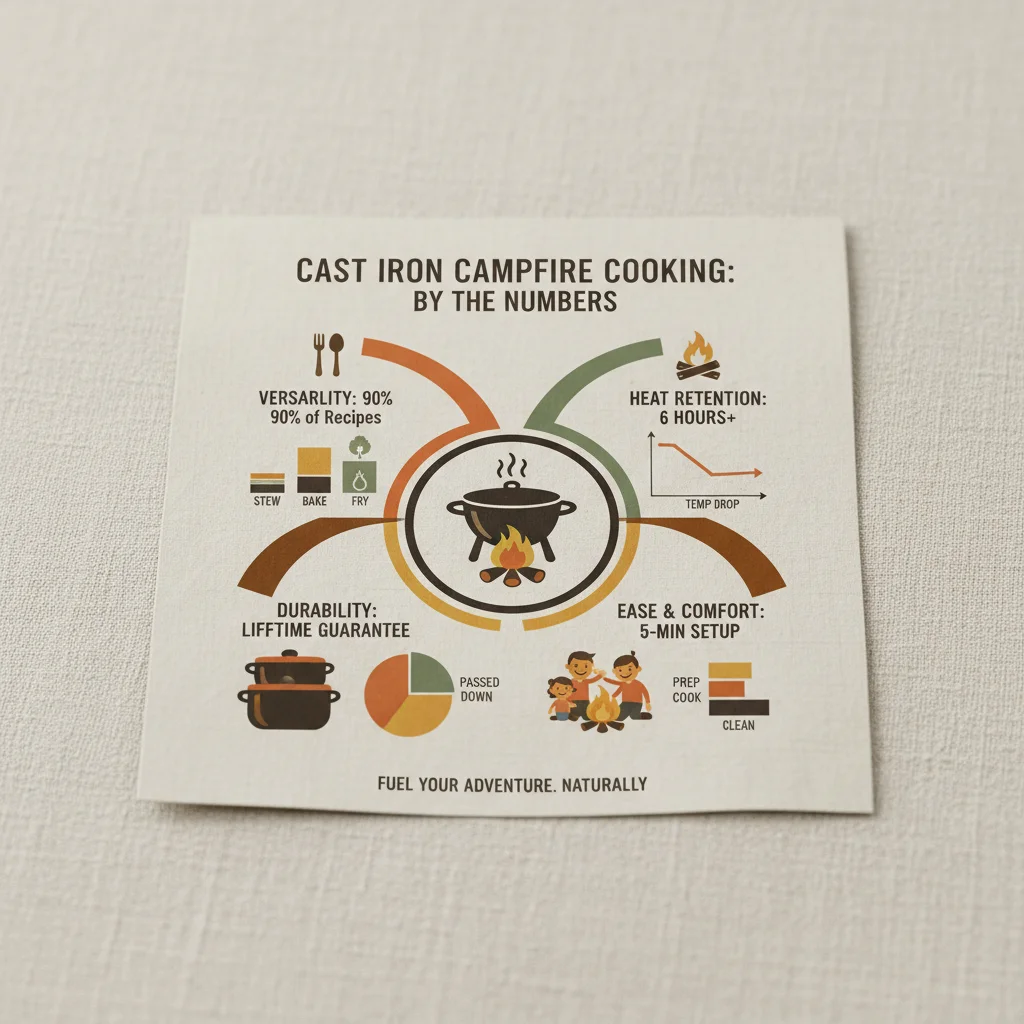
Selecting the right cast iron cookware suppliers is a critical decision for distributors, hospitality groups, and retail brands aiming to deliver lifetime-quality kitchenware to their customers. Cast iron remains a gold standard in the culinary world due to its unmatched heat retention and durability, making the source of the manufacturing process paramount to the final product's performance.
In a global market saturated with varying grades of iron and coatings, understanding the technical capabilities of professional cast iron cookware suppliers ensures that products—from Dutch ovens to takoyaki pans—meet strict food safety and quality standards. The ability to balance traditional casting methods with modern precision engineering is what separates a generic manufacturer from a strategic industrial partner.
Ultimately, the relationship between a brand and its cast iron cookware suppliers dictates the scalability of the product line and the long-term satisfaction of the end-user. By focusing on material purity, seasoning quality, and enamel consistency, businesses can secure a competitive edge in the growing "slow living" and professional gastronomy trends.
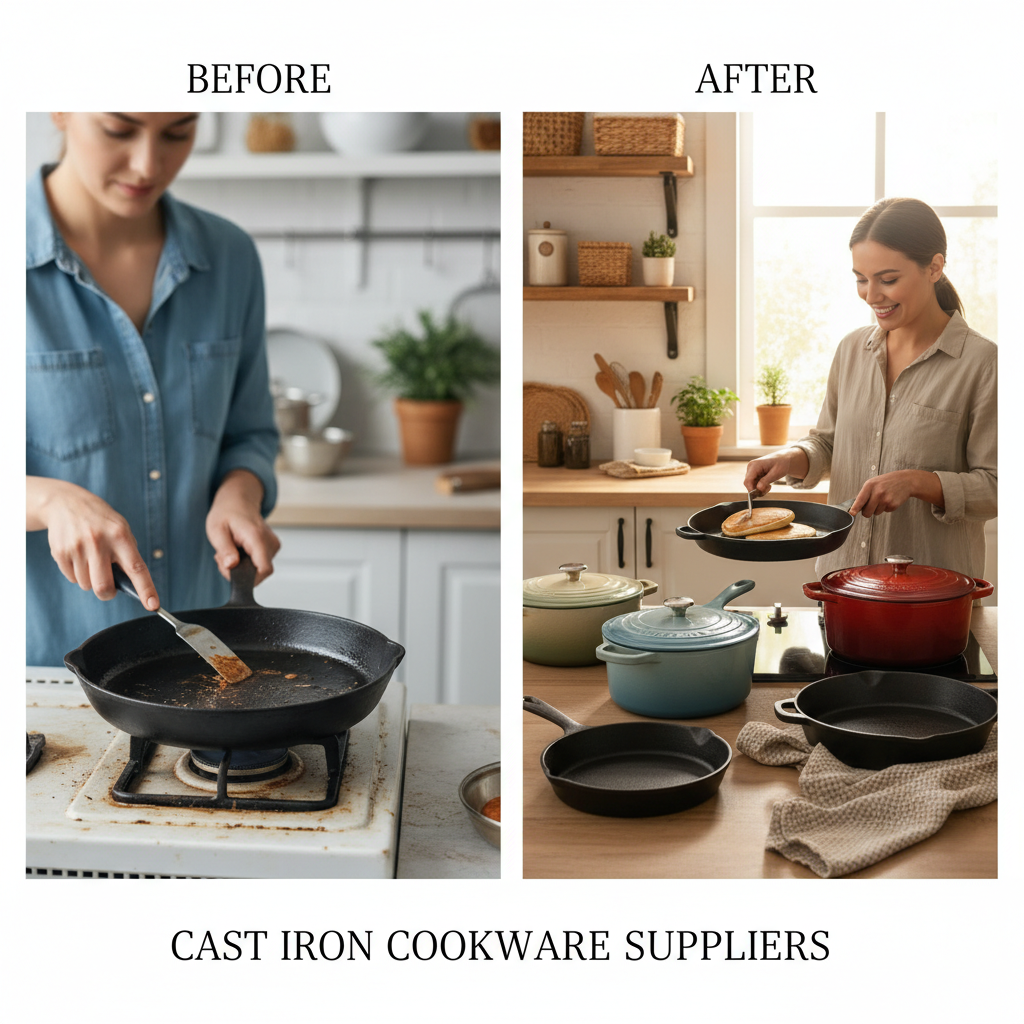
The Global Significance of Cast Iron Cookware Suppliers
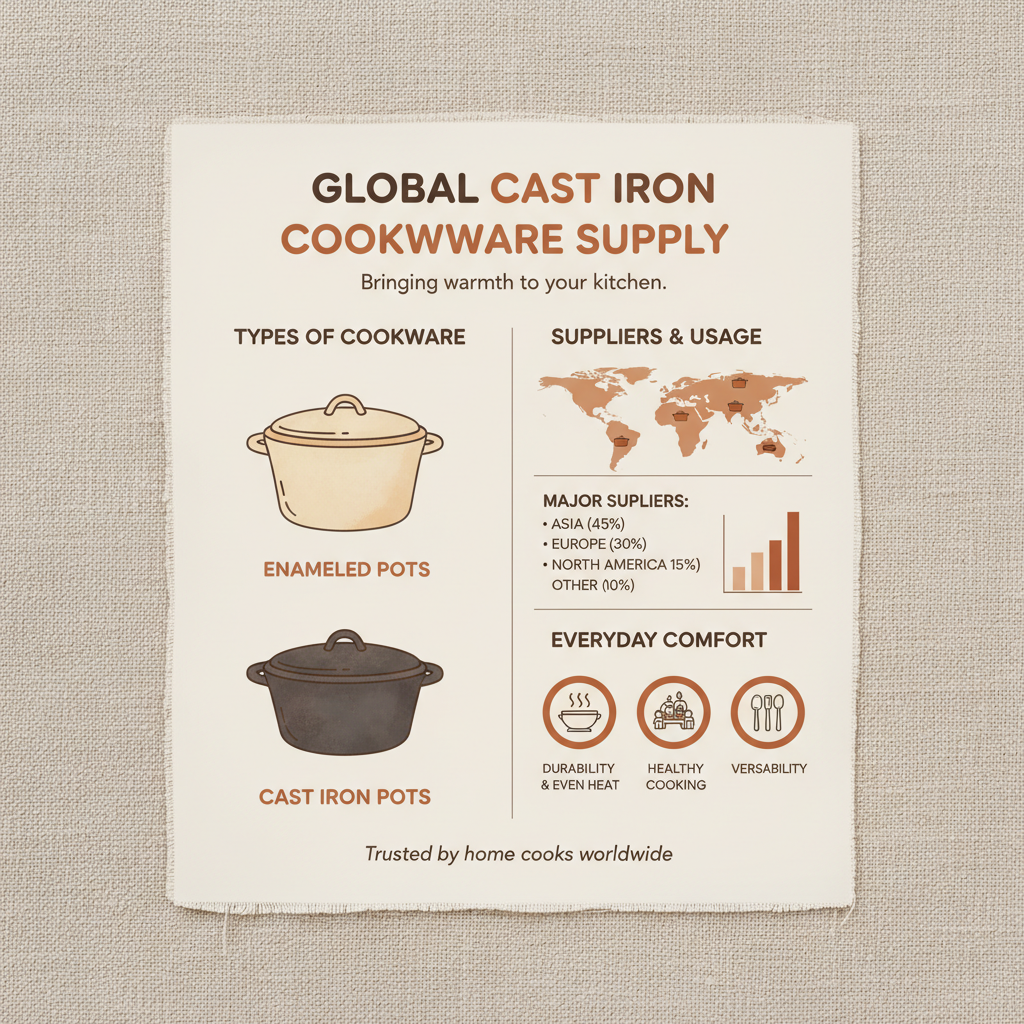
The global demand for traditional cookware has seen a resurgence as consumers shift away from synthetic non-stick coatings toward healthier, sustainable alternatives. Professional cast iron cookware suppliers play a pivotal role in this transition, bridging the gap between ancient metallurgy and modern kitchen requirements. With the global cookware market expanding, the reliability of the supply chain—from raw iron ore sourcing to the final polishing stage—determines the marketability of the product.
Industry data suggests that the preference for "heritage" cookware is not merely nostalgic but driven by the superior thermal mass and versatility of cast iron. For businesses, partnering with suppliers who adhere to ISO standards and food-grade certifications is no longer optional; it is a requirement to mitigate risks related to heavy metal leaching and coating failures in high-volume commercial environments.
Defining Quality Standards for Professional Suppliers
In the simplest terms, cast iron cookware suppliers are specialized manufacturers that melt iron ore and scrap at high temperatures and pour it into molds to create heavy-duty kitchen tools. However, a professional supplier does more than just cast metal; they manage the complex chemistry of carbon content to ensure the cookware is neither too brittle nor too soft, providing the perfect balance for heat distribution.
Modern industry demands a higher level of precision than traditional sand casting once provided. Today's leading suppliers utilize advanced CNC machining to ensure that lids fit perfectly on Dutch ovens and that grill pans sit flat on induction surfaces. This convergence of craftsmanship and technology allows for the production of specialized items like Cast Iron Bread Loaf Pans and Takoyaki Pans that require exact geometries to function correctly.
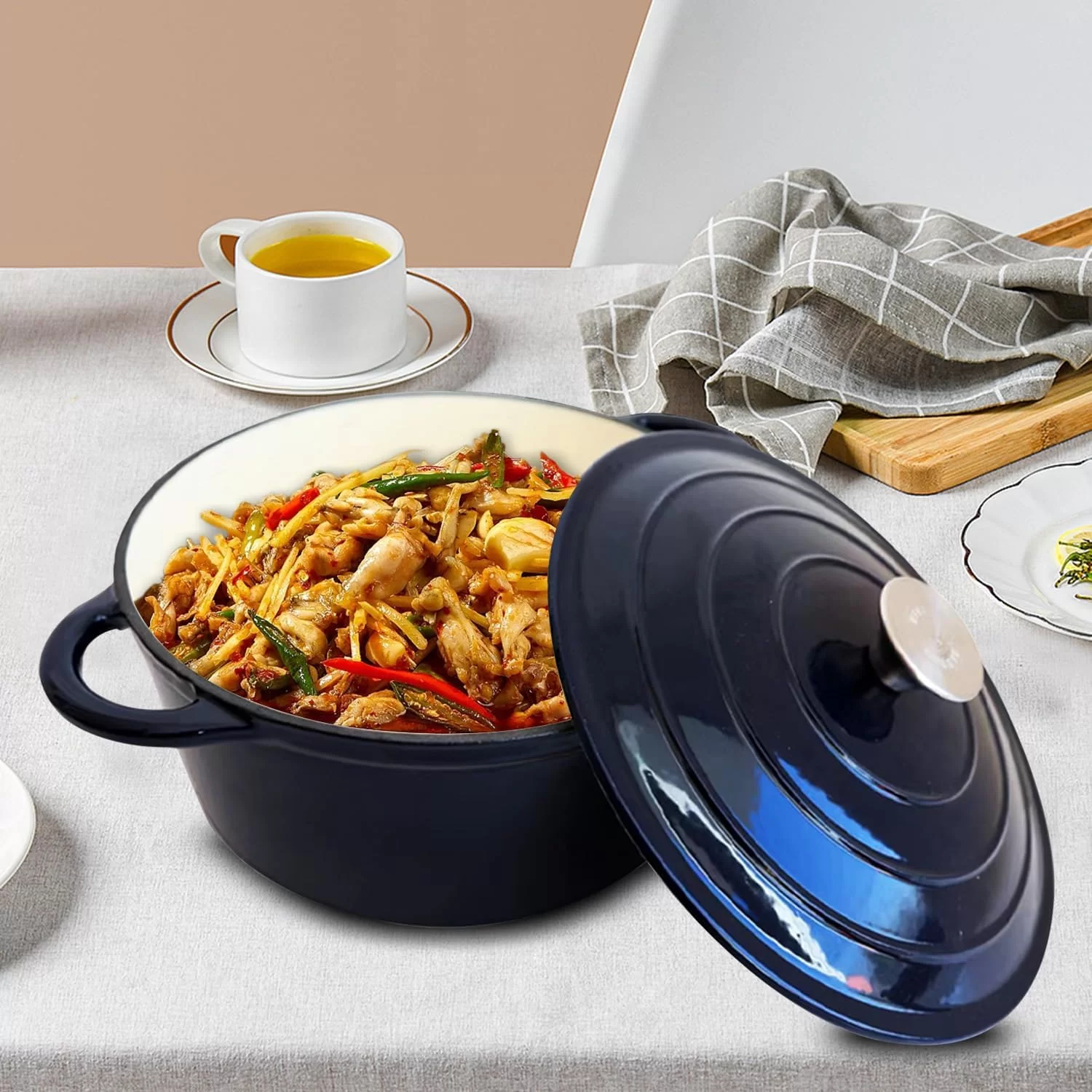
Furthermore, the role of these suppliers extends to the critical process of seasoning and enameling. Whether providing raw "grey iron" for traditionalists or high-grade vitreous enamel for those seeking low-maintenance options, the supplier's ability to maintain a consistent chemical bond between the iron and the coating is the ultimate benchmark of quality.
Core Technical Components of Cast Iron Production
The first pillar of excellence for cast iron cookware suppliers is material purity. The composition of the iron—specifically the ratio of carbon and silicon—affects the thermal conductivity and the ease with which the pan can be seasoned. High-quality suppliers employ rigorous spectral analysis to ensure the iron is free from impurities that could cause pitting or uneven heating.
Thermal Stability and Heat Retention are the core reasons why professional chefs insist on cast iron. Suppliers must optimize the wall thickness of the cookware—such as in the Cast Iron Wok & Pot—to ensure that heat is distributed evenly across the surface, preventing "hot spots" that could burn food while ensuring the center remains searingly hot.
Surface Finishing and Coating represent the final, most visible stage of production. From the rough texture of a traditional skillet to the glass-smooth finish of an Enamel Cast Iron Casserole, suppliers must master the art of polishing and curing. A failure in the curing process can lead to enamel chipping, which is a primary concern for quality control teams in the cookware industry.
Comparative Performance of Manufacturing Methods
Different manufacturing philosophies adopted by cast iron cookware suppliers result in vastly different product characteristics. For instance, traditional sand casting offers a rustic feel and is highly cost-effective for large batches, whereas precision casting allows for thinner walls and more intricate designs without sacrificing strength.
When evaluating suppliers, it is essential to compare how they handle the "pre-seasoning" phase. Some use industrial vegetable oil ovens to create a polymer layer, while others provide raw iron for the consumer to season. This choice affects the initial user experience and the product's perceived value in the retail market.
Performance Comparison of Cast Iron Cookware Suppliers' Methods
Global Applications across Culinary Industries
The versatility of products from cast iron cookware suppliers allows them to penetrate various market segments. In the professional hospitality sector, heavy-duty Cast Iron Griddles and Grill Pans are staples in high-volume kitchens where consistent searing temperatures are non-negotiable. These environments test the absolute limits of the iron's durability and the supplier's quality control.
Beyond the professional kitchen, there is a growing trend in home baking, where the Cast Iron Bread Loaf Pan has become an essential tool for achieving a bakery-style crust. Additionally, cultural specialties, such as the Japanese Takoyaki Pan, demonstrate how suppliers can adapt their casting molds to meet regional culinary needs, expanding their global footprint across different continents.
Long-Term Economic and Sustainable Value
From a financial perspective, investing in high-quality cast iron cookware suppliers is a strategy of "buying once and buying right." Unlike PTFE-coated pans that degrade over 2-5 years, a well-manufactured cast iron skillet can last for generations. This longevity reduces landfill waste and offers a lower total cost of ownership for the consumer.
Sustainability is also found in the material itself. Iron is one of the most recyclable materials on earth. Suppliers who integrate recycled scrap iron into their melt without compromising the purity of the alloy contribute to a circular economy, reducing the environmental impact of mining virgin iron ore.
Moreover, the psychological value of "heritage" products creates strong brand loyalty. When a supplier produces a piece of cookware that is passed down from parent to child, the brand associated with that supplier gains an emotional trust that no amount of digital marketing can replicate.
Future Innovations in Cast Iron Casting Technology
The future of cast iron cookware suppliers lies in the integration of "Smart Casting" and green energy. We are seeing a shift toward induction-optimized bases, where suppliers use specialized milling techniques to ensure a perfectly flat surface, maximizing the efficiency of modern electromagnetic cooktops.
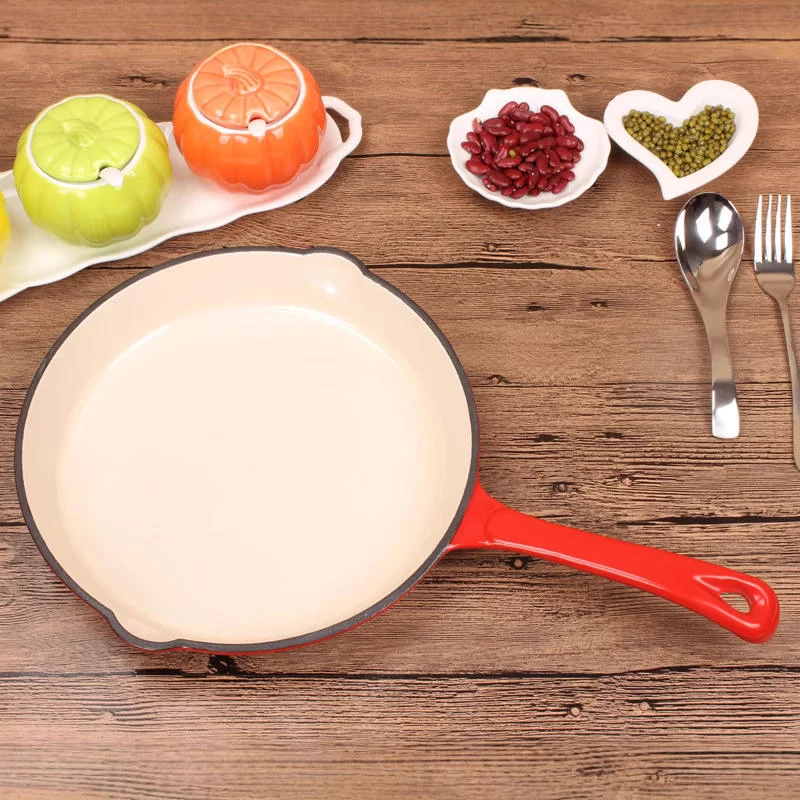
Another emerging trend is the development of advanced "easy-release" enamels. By manipulating the glass-ceramic composition of the enamel, suppliers are creating Enameled Cast Iron Fry Pans that offer the non-stick benefits of Teflon but with the safety and heat retention of cast iron, effectively eliminating the trade-off between convenience and performance.
Automation in the polishing and seasoning phase is also reducing human error and increasing consistency. Robot-arm precision in applying seasoning oils ensures that every square millimeter of a Cast Iron Round Skillet is protected, reducing the initial "break-in" period for the consumer.
Comparison of Traditional vs. Innovative Cast Iron Production Metrics
| Production Dimension |
Traditional Method |
Innovative Method |
Impact on Quality |
| Molding Process |
Manual Sand Casting |
Automated Precision Casting |
Higher Dimensional Accuracy |
| Surface Finish |
Rough Coarse Grain |
CNC Polished Smooth |
Easier Seasoning/Release |
| Energy Source |
Coal-Fired Furnaces |
Electric Induction Melting |
Lower Carbon Footprint |
| Seasoning |
Hand-dipped Oil |
Electrostatic Spraying |
Uniform Protective Layer |
| Quality Control |
Visual Inspection |
X-Ray/Ultrasonic Testing |
Zero Internal Porosity |
| Coating Durability |
Standard Enamel |
Reinforced Vitreous Glass |
High Chip Resistance |
FAQS
Check for a uniform color without bubbles or pinholes. A high-quality supplier will use a vitreous enamel that is fused to the iron at temperatures exceeding 800°C, ensuring it won't peel. Request a certification of food-grade compliance (FDA or LFGB) to ensure no lead or cadmium is present in the glaze.
Pre-seasoned iron is baked with oil to create a natural non-stick surface, making it ready for immediate use. Raw iron is unseasoned and requires the user to perform the process. While pre-seasoning is convenient, raw iron allows professionals to build their own customized patina from scratch.
Yes, since cast iron is ferromagnetic, it is naturally compatible with induction. However, look for suppliers who specifically offer "induction-ready" bases, meaning they have been CNC-milled to be perfectly flat, which prevents the pan from wobbling and ensures maximum heat transfer.
Price differences usually stem from the casting method (sand vs. precision), the finish (rough vs. polished), and the coating quality. Premium suppliers invest more in removing internal air bubbles (porosity) and polishing the interior, which leads to a higher price point but a significantly better cooking experience.
Ensure the supplier provides a comprehensive Bill of Materials (BOM) and customs documentation. Because cast iron is extremely heavy, shipping costs are a major factor; look for suppliers who optimize pallet packaging to maximize container space and reduce breakage during transit.
The Dutch Oven and the Round Skillet are typically the most durable and versatile. For commercial use, the Enamel Coated Cast Iron Cookware range is recommended as it combines the thermal strength of iron with the ease of cleaning provided by the enamel layer.
Conclusion
Navigating the landscape of cast iron cookware suppliers requires a balance of understanding traditional metallurgy and embracing modern manufacturing precision. From the critical importance of material purity and thermal stability to the evolution of induction-ready designs and sustainable enamel coatings, the quality of the supplier directly impacts the longevity and performance of the final product. By prioritizing suppliers who integrate rigorous quality control and innovative casting techniques, businesses can offer cookware that transcends temporary trends and becomes a permanent fixture in the kitchen.
As the culinary world continues to move toward sustainable, non-toxic, and high-performance tools, the strategic partnership between brands and skilled manufacturers will be the defining factor in market success. Whether you are sourcing a Cast Iron Wok or an Enameled Dutch Oven, the goal remains the same: delivering a tool that combines timeless durability with modern efficiency. For those seeking a reliable partner in high-quality production, we invite you to explore our capabilities. Visit our website: www.jsycastiron.com