Cast iron campfire cooking represents a timeless tradition, deeply interwoven with human history and our connection to the outdoors. From nomadic tribes to modern-day adventurers, cooking over an open flame in cast iron has been a fundamental method for sustenance and social gathering. The resurgence of interest in this practice isn’t simply nostalgic; it signifies a growing desire for simpler, more authentic experiences, and a return to skills that foster self-reliance. It’s a method that transcends cultural boundaries and resonates with a fundamental human need to connect with nature and nourish ourselves.
Globally, the appreciation for cast iron campfire cooking is escalating. This is fueled by the outdoor recreation boom, particularly amongst millennials and Gen Z who are prioritizing experiences over material possessions. The demand for durable, versatile cooking equipment that can withstand rugged conditions is increasing exponentially. Furthermore, the emphasis on sustainable living and reducing reliance on complex technology is driving individuals to rediscover the practicality and efficiency of cast iron. cast iron campfire cooking is becoming increasingly recognized as a key component of resilient outdoor lifestyles.
This method isn’t limited to recreational pursuits. In disaster relief scenarios, cast iron’s durability and ability to function without electricity become invaluable assets. Similarly, in remote areas lacking modern infrastructure, cast iron cookware provides a reliable means of preparing food. Understanding the principles and techniques of cast iron campfire cooking therefore holds significance far beyond the realm of leisure.
The Essence of Cast Iron Campfire Cooking
At its core, cast iron campfire cooking is about embracing a slower, more deliberate approach to food preparation. It's about the connection forged between the cook, the flame, and the ingredients. The inherent heat retention of cast iron ensures even cooking, resulting in flavorful, perfectly browned dishes.
The simplicity of the setup – a fire, a sturdy piece of cast iron, and minimal utensils – is a key draw. It encourages resourcefulness and a deeper appreciation for the ingredients themselves. It’s a method that strips away the complexities of modern kitchens, leaving only the essential elements of nourishment and community.
Historical Roots and Global Relevance
The use of cast iron dates back centuries, with evidence of its utilization in ancient China and Europe. However, it truly gained prominence during the colonial era in North America, becoming an indispensable tool for settlers and pioneers. Its durability and ability to withstand harsh conditions made it ideal for frontier life. This legacy continues to shape our perception of cast iron as a symbol of resilience and self-sufficiency.
Today, this historical connection translates into a globally recognized appreciation for the method. While variations in techniques and recipes exist across cultures – from Dutch ovens in the American Southwest to paella pans in Spain – the fundamental principle of cooking with cast iron over an open flame remains consistent. The UN's Sustainable Development Goals highlight the importance of food security and sustainable practices; cast iron, as a durable and long-lasting cooking tool, directly contributes to these aims.
Furthermore, the World Bank’s focus on rural development and poverty reduction underscores the value of accessible and reliable cooking methods. In regions lacking electricity or gas infrastructure, cast iron cookware offers a practical and affordable solution for preparing nutritious meals. This makes cast iron campfire cooking relevant to both developed and developing nations.
Defining Cast Iron Campfire Cooking
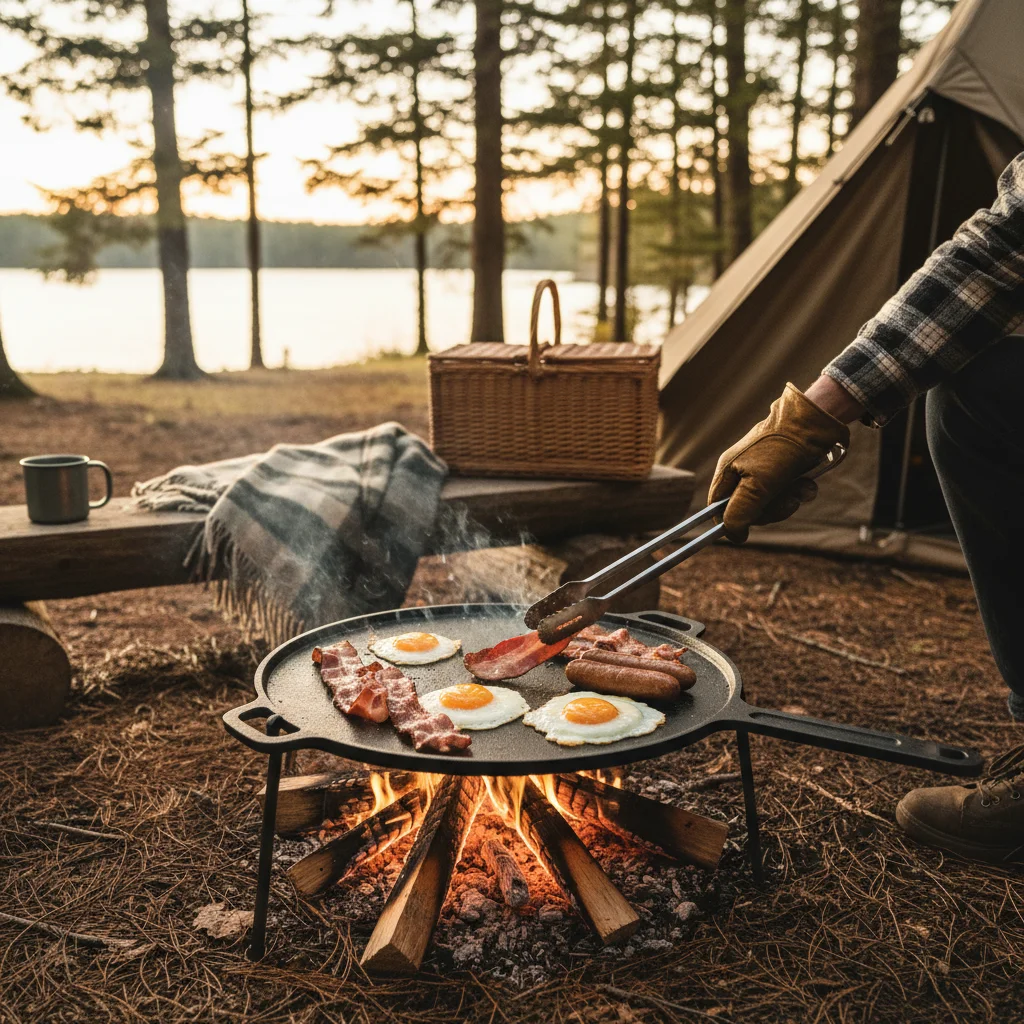
Cast iron campfire cooking, in its simplest form, refers to the practice of preparing food using cast iron cookware directly over an open flame or hot coals. Unlike modern cooking methods relying on electricity or gas, this technique utilizes the radiant heat of the fire, imparting a unique flavor and texture to the food.
The key distinction lies in the direct interaction between the fire and the cookware. This direct heat transfer creates a sear that locks in moisture and enhances flavor. It also requires a degree of skill and attention, as temperature control relies on managing the fire itself.
This practice extends beyond basic heating. It encompasses techniques like Dutch oven cooking, where food is slowly braised in a sealed pot, and skillet cooking, ideal for searing meats or frying vegetables. Cast iron's versatility makes it adaptable to a wide range of culinary applications, fitting seamlessly into both simple outdoor meals and elaborate campsite feasts.
Key Characteristics of Campfire Cast Iron
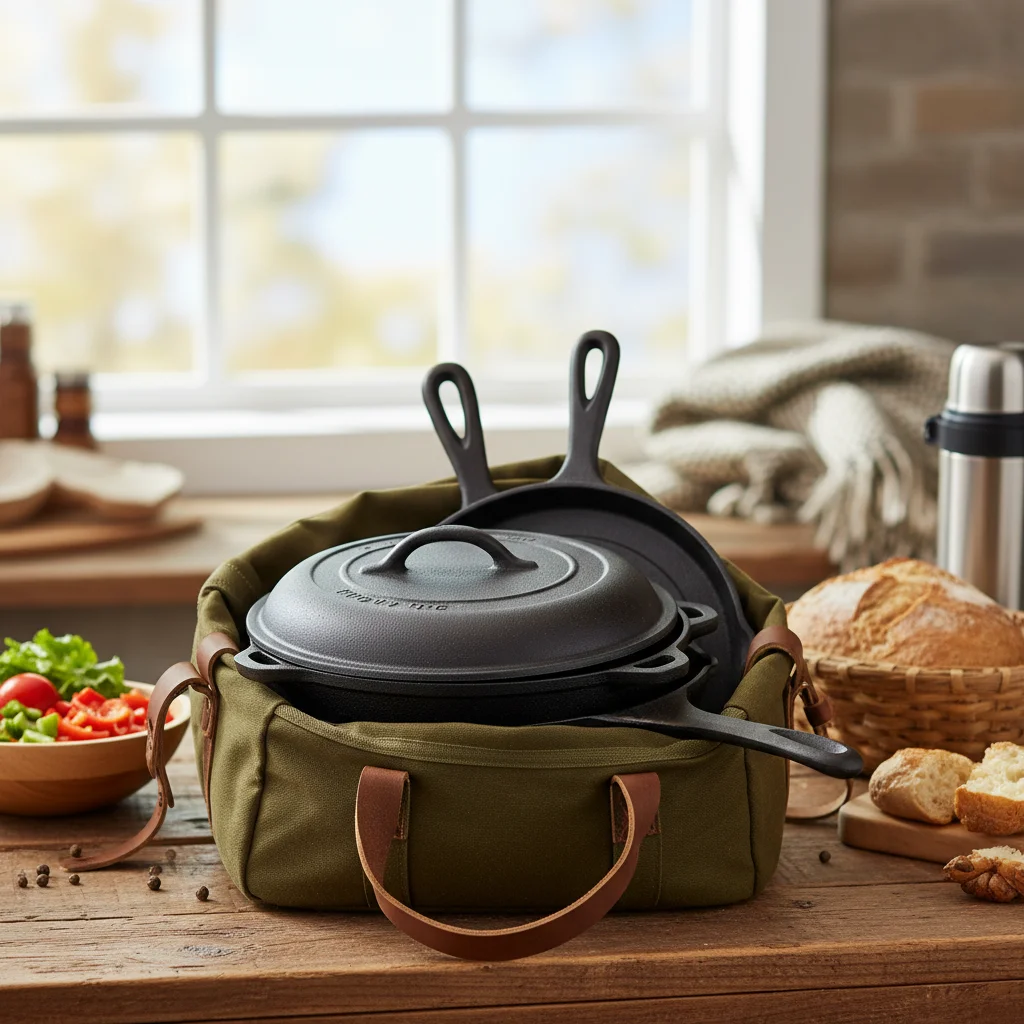
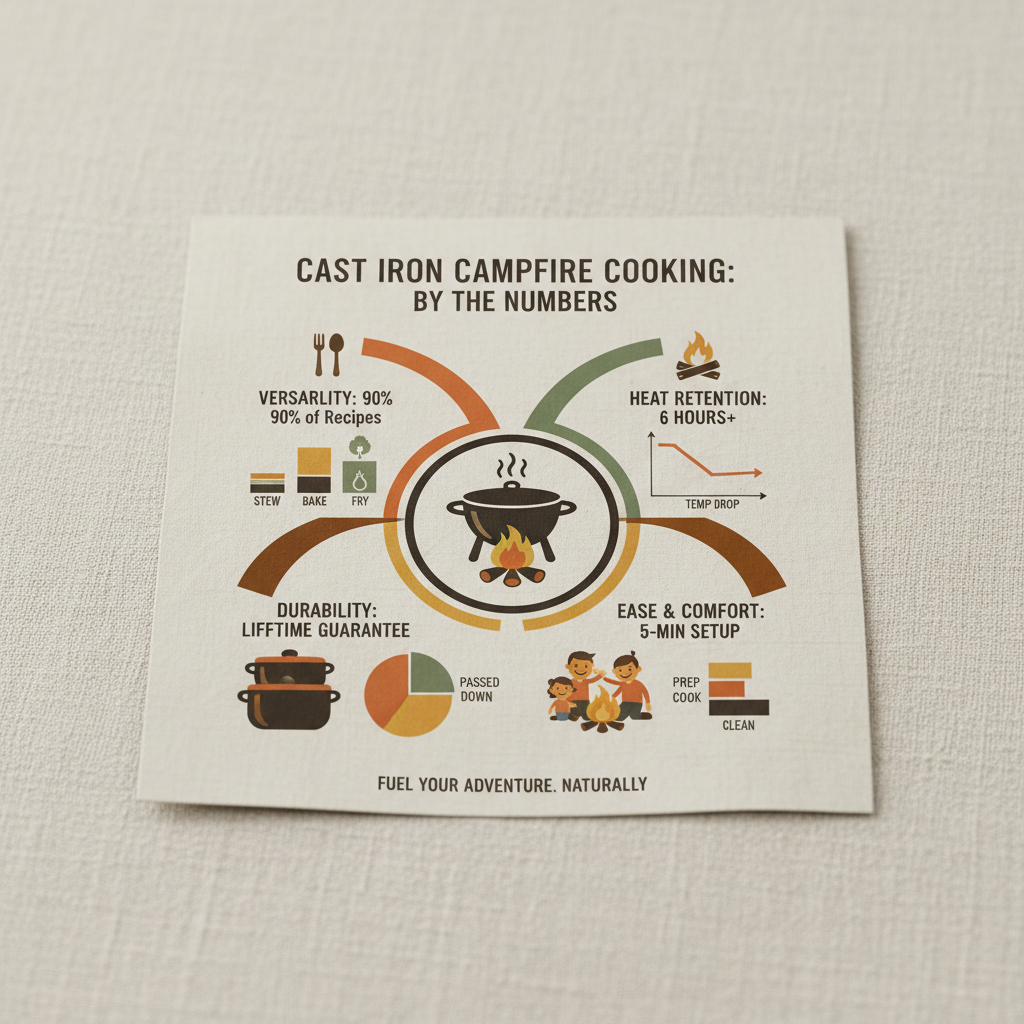
One defining characteristic of cast iron for campfire use is its exceptional durability. Unlike other cookware materials, cast iron can withstand the high temperatures and rugged conditions often encountered outdoors. This inherent robustness translates to a long lifespan, making it a sustainable investment.
Another crucial factor is its heat retention. Cast iron slowly absorbs and evenly distributes heat, preventing hotspots and ensuring consistent cooking. This is particularly beneficial when cooking over an open flame where temperature fluctuations are common.
Campfire Cast Iron Performance Metrics
Worldwide Applications and Use Cases
In post-disaster relief operations, cast iron cookware can be a lifesaver. Its ability to function without electricity makes it ideal for preparing meals in areas where infrastructure has been compromised. Organizations frequently include cast iron skillets in emergency supply kits.
In remote industrial zones, such as mining camps or research stations, where access to modern cooking facilities is limited, cast iron provides a reliable and efficient solution for feeding workers. It’s a practical and cost-effective choice for long-term deployments.
Advantages and Long-Term Value
The cost-effectiveness of cast iron is a significant advantage. While initial investment might be slightly higher than some alternatives, the longevity of cast iron cookware far outweighs this cost. A well-maintained piece can last for generations.
From a sustainability standpoint, cast iron is an environmentally responsible choice. It’s made from recycled materials and requires minimal resources to maintain. Its durability reduces the need for frequent replacements, minimizing waste. The emotional connection forged through the tradition of cast iron campfire cooking provides a sense of continuity and heritage.
Innovations and Future Trends
Recent innovations focus on pre-seasoned cast iron, eliminating the often-tedious process of initial seasoning. Lightweight cast iron options are also emerging, addressing the traditional weight concerns. These developments make cast iron more accessible and user-friendly.
Furthermore, the integration of digital temperature monitoring devices with cast iron cookware is becoming increasingly common. These devices allow for precise temperature control, enhancing cooking accuracy and reducing the learning curve. As sustainability continues to be a driving force, we can expect to see greater emphasis on recycled cast iron and eco-friendly seasoning options.
The rise of “glamping” and upscale outdoor experiences also fuels demand for premium cast iron cookware designed for both functionality and aesthetic appeal.
Challenges and Solutions
A common challenge with cast iron is its weight, which can be a deterrent for backpacking or long-distance hiking. However, advancements in alloy composition are yielding lighter-weight cast iron options without sacrificing durability.
Maintaining seasoning can also be a concern, particularly for beginners. Regular use and proper cleaning are crucial, but the fear of stripping the seasoning often discourages experimentation. Educational resources and readily available seasoning oils are addressing this issue.
Rust prevention remains a consideration. Proper drying after washing and occasional oiling are essential, but innovative rust-resistant coatings are also being developed to simplify maintenance and extend the lifespan of cast iron cookware.
Cast Iron Campfire Cooking: Common Concerns and Solutions
| Concern |
Severity (1-10) |
Potential Impact |
Recommended Solution |
| Weight |
7 |
Limited portability |
Choose lighter-weight cast iron or smaller sizes |
| Seasoning Maintenance |
8 |
Food sticking, rust formation |
Regular use, proper cleaning, and oiling |
| Uneven Heating |
5 |
Hotspots, inconsistent cooking |
Rotate cookware during cooking, use a heat diffuser |
| Rust Formation |
6 |
Cookware damage, potential health risks |
Thorough drying, oiling, and rust removal techniques |
| Cleaning Difficulty |
4 |
Time-consuming process |
Use a chainmail scrubber and avoid harsh detergents |
| Temperature Control |
7 |
Overcooking or undercooking |
Adjust fire intensity and monitor cooking progress |
FAQS
Proper seasoning is crucial for preventing rust and ensuring food doesn't stick. Begin by thoroughly cleaning the cast iron. Then, apply a thin, even coat of cooking oil (flaxseed, canola, or vegetable oil work well) to all surfaces. Bake it upside down in an oven at 350-400°F for an hour, allowing the oil to polymerize. Repeat this process 2-3 times for a robust seasoning. For campfire seasoning, consider doing the first bake at home and then maintaining it by cooking fatty foods over the fire.
Rust is the enemy of cast iron. The key to prevention is thorough drying. After each use, clean the cookware with hot water and a non-abrasive brush. Immediately dry it completely – either with a towel or by placing it briefly over the campfire. Then, apply a very light coat of oil to all surfaces to create a protective barrier. Store it in a dry place, ideally wrapped in a cloth or paper towel.
Cast iron is incredibly versatile, but it excels at cooking foods that benefit from even heat distribution and a good sear. This includes steaks, burgers, vegetables, cornbread, and stews. Dutch oven cooking is perfect for slow-cooked meals like chili or pot roast. Avoid cooking highly acidic foods (like tomatoes) for extended periods, as they can break down the seasoning.
For many years, it was believed that soap stripped the seasoning from cast iron. Modern dish soaps are milder and can be used sparingly. The key is to rinse thoroughly and dry immediately. If you're concerned, stick to hot water and a non-abrasive brush. Avoid prolonged soaking in soapy water.
For stubborn burnt food, try simmering water in the skillet for a few minutes to loosen the debris. You can also use a chainmail scrubber or a plastic scraper. Avoid abrasive cleaners, which can damage the seasoning. If necessary, you may need to re-season the skillet after removing stubborn burnt food.
The ideal size depends on your cooking needs and group size. A 10-inch skillet is a good all-around choice for solo campers or couples. A 12-inch skillet is better for families or larger groups. Dutch ovens come in various sizes, ranging from 5 quarts to 8 quarts or larger, depending on the type of meals you plan to cook. Consider portability and ease of handling when selecting a size.
Conclusion
Cast iron campfire cooking is more than just a culinary technique; it’s a connection to our past, a celebration of simplicity, and a path towards self-reliance. Its durability, versatility, and ability to impart unparalleled flavor make it a timeless choice for outdoor enthusiasts and home cooks alike. Understanding the principles of seasoning, maintenance, and proper cooking techniques unlocks a world of culinary possibilities.
As we move towards a more sustainable future, the enduring value of cast iron becomes increasingly apparent. By embracing this traditional method, we not only enjoy delicious food but also contribute to a more mindful and resourceful way of life. Visit our website at www.jsycastiron.com to explore our range of high-quality cast iron cookware and embark on your own campfire cooking adventure.