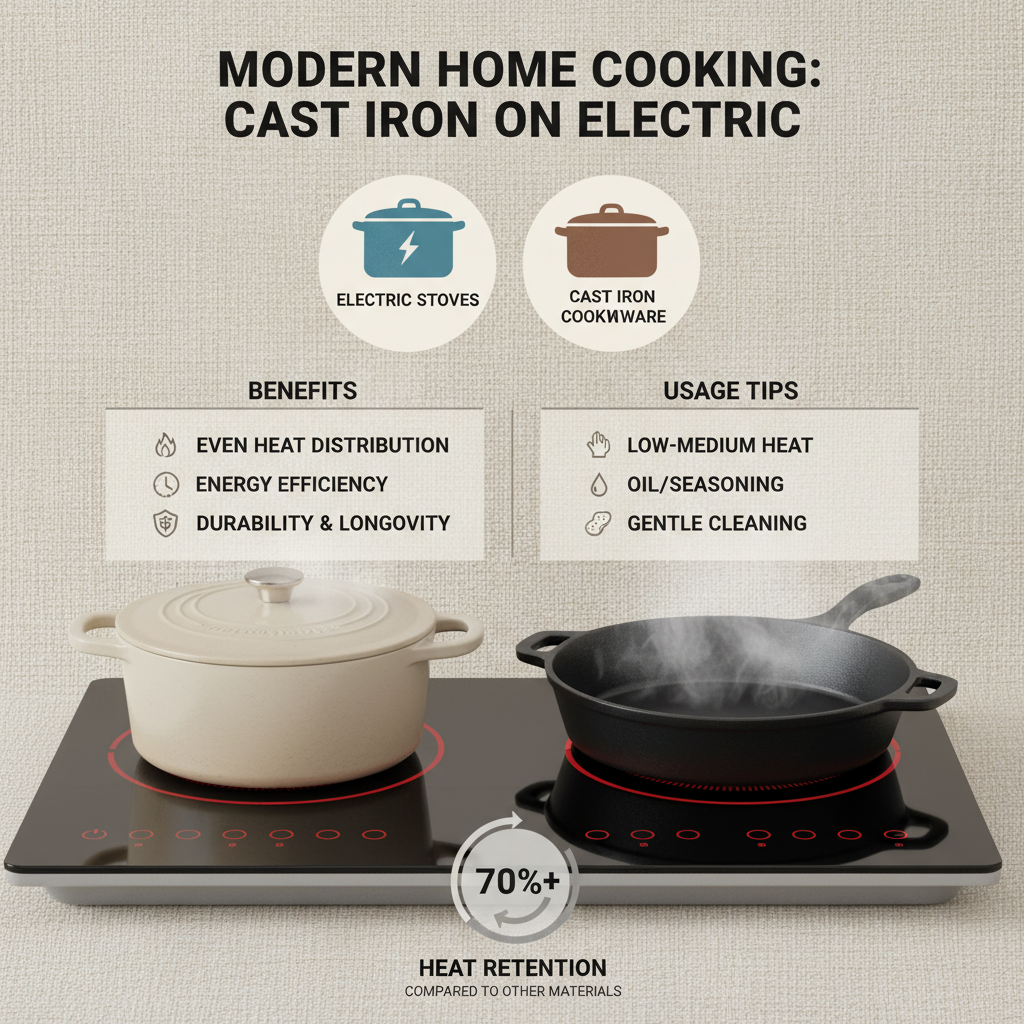
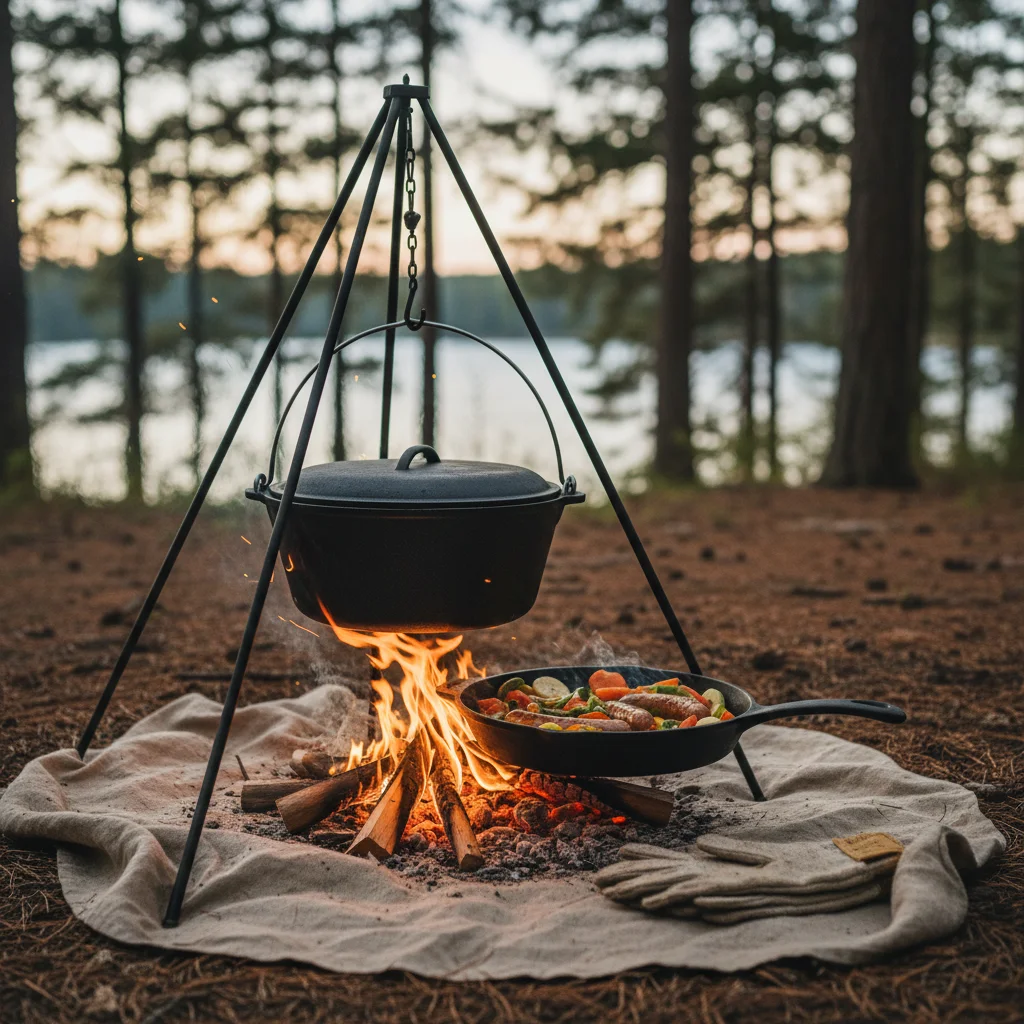
Using cast iron cookware on electric stoves is a topic of significant debate among home cooks, yet it remains one of the most rewarding ways to achieve professional-grade searing and heat retention in a modern kitchen. While electric ranges operate differently than gas flames, the thermal mass of cast iron makes it an ideal partner for electric heating elements, provided the user understands the nuances of heat transfer.
Globally, the shift toward electric and induction cooking—driven by energy efficiency standards and urban housing trends—has not diminished the demand for traditional materials. In fact, the reliability of cast iron provides a necessary counterbalance to the sometimes erratic temperature swings of electric burners, ensuring that a Cast Iron Dutch Oven or a Cast Iron Grill Pan performs consistently.
Understanding how to optimize the relationship between cast iron cookware on electric stoves allows users to unlock the full potential of their kitchen tools. From achieving the perfect crust on a sourdough loaf in a Cast Iron Bread Loaf Pan to simmering a rich stew in an Enamel Cast Iron Casserole, the key lies in managing the contact point between the cookware's base and the stove's surface.
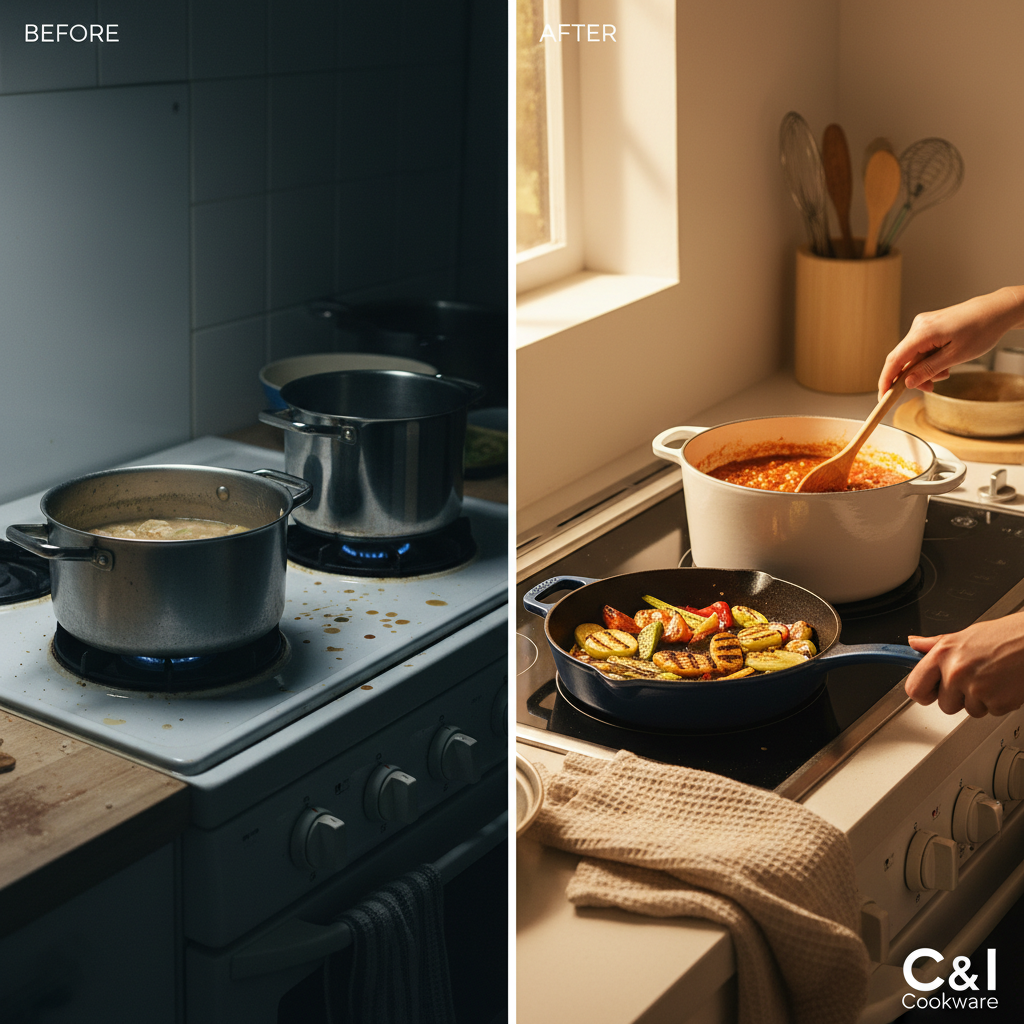
The Physics of Heat Transfer for Cast Iron on Electric Burners
The fundamental challenge of using cast iron cookware on electric stoves lies in the "contact gap." Unlike gas, where heat is distributed via convection and flame, electric coils or glass-top radiators rely on conduction. Cast iron, being a dense material, is excellent at absorbing this heat, but if the bottom of the pan is not perfectly flat, "hot spots" can occur where the pan touches the element, while other areas remain cool.
However, once the iron reaches a stable temperature, its high thermal mass works in the user's favor. It acts as a heat reservoir, smoothing out the cycles of electric elements that frequently click on and off to maintain a set temperature. This makes tools like the Cast Iron Round Skillet remarkably stable for high-heat searing, provided the initial heating phase is handled with patience.
Essential Equipment for Electric Stove Cooking
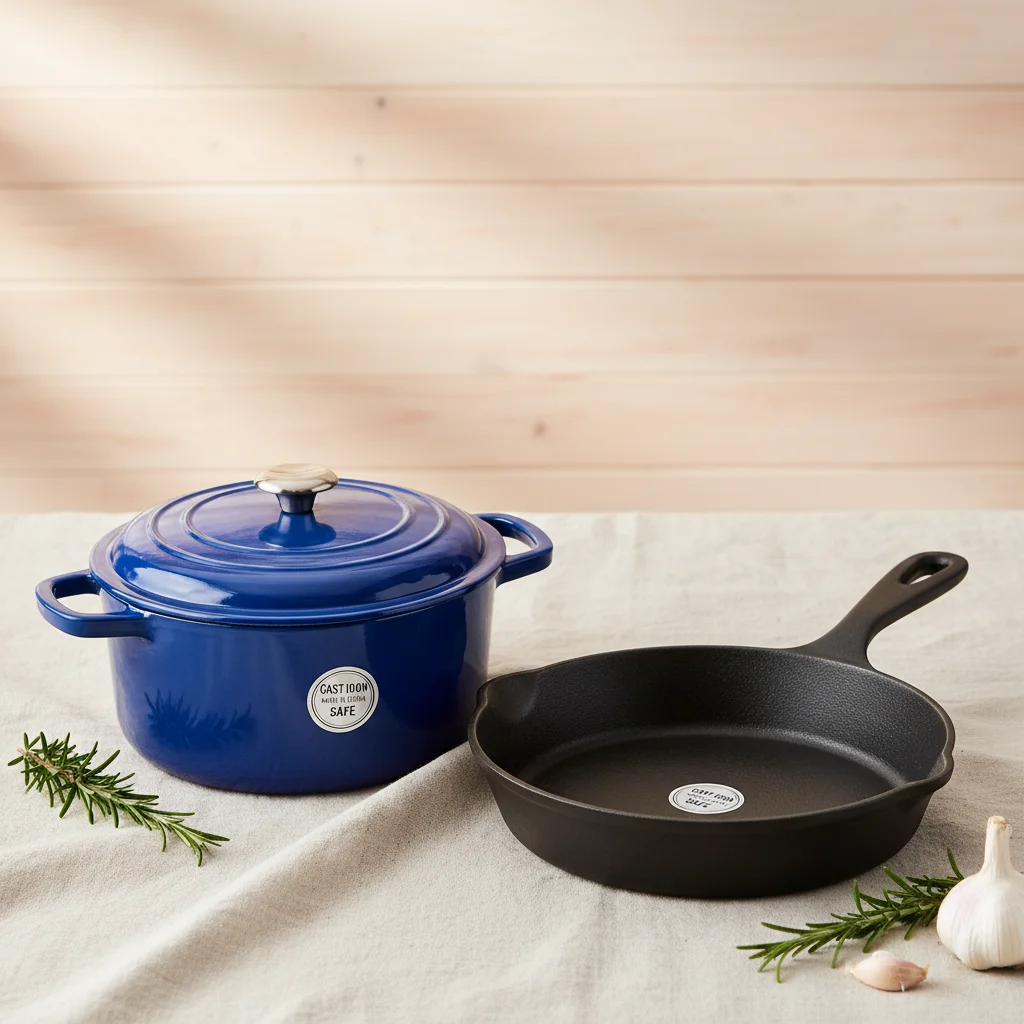
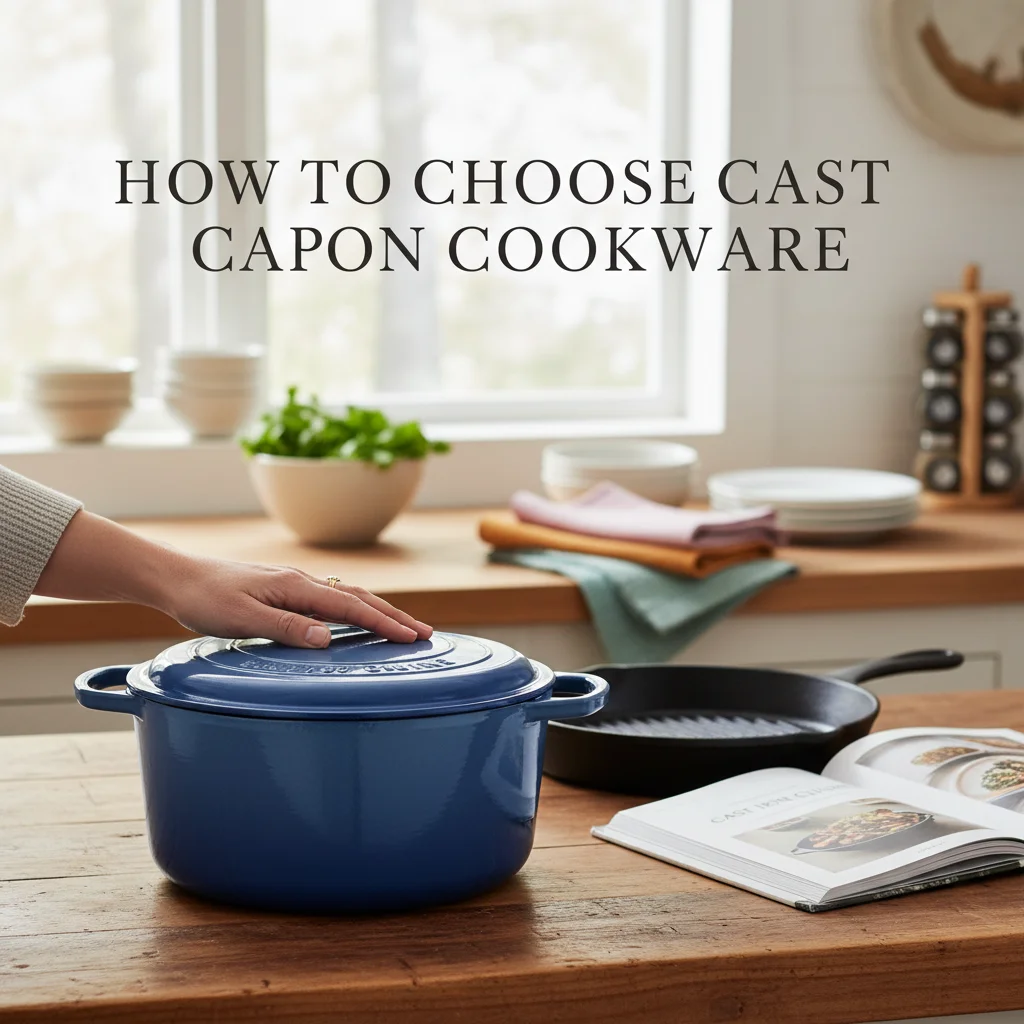
When selecting the right tools for cast iron cookware on electric stoves, the geometry of the base is paramount. A Cast Iron Dutch Oven with a thick, flat bottom ensures maximum surface contact with the heating element, reducing the risk of warping and promoting even heat distribution. For those utilizing glass-top stoves, choosing enamel-coated options—such as an Enamel Cast Iron Dutch Oven—can provide an extra layer of protection against scratching.
Versatility is key in a modern kitchen. A Cast Iron Griddle is an excellent choice for electric stoves because its large surface area allows it to absorb a significant amount of heat, creating a consistent temperature zone for pancakes or grilled sandwiches. Similarly, the Cast Iron Wok & Pot is designed to bridge the gap between traditional high-heat wok cooking and the flatter heat profile of electric burners.
Specialized tools also play a role. For instance, a Cast Iron Press is invaluable for ensuring proteins maintain direct contact with the skillet surface on an electric range, maximizing the Maillard reaction. Whether you are using a Cast Iron Takoyaki Pan or an Enameled Cast Iron Fry Pan/Skillet, the common thread is the need for a heavy-bottomed vessel that can withstand the concentrated heat of an electric coil.
Best Practices for Temperature Control and Preheating
The most common mistake when using cast iron cookware on electric stoves is rushing the preheating process. Because electric elements take longer to reach temperature and cast iron has high thermal inertia, turning the stove to "High" immediately can lead to uneven heating or even damage to the cookware's seasoning.
A professional approach involves a "low and slow" ramp-up. Start your cast iron cookware on electric stoves on medium-low for five to ten minutes. This allows the heat to migrate from the center of the burner to the edges of the pan, ensuring that when you finally add your ingredients, the temperature is uniform across the entire surface.
Once the desired temperature is reached, the heat retention of the iron allows you to drop the stove setting slightly. This prevents the "over-shooting" common with electric stoves, where the burner remains hot long after the dial has been turned down. This precision is essential when using delicate items like an Enamel Coated Cast Iron Cookware set to avoid scorching.
Comparing Efficiency Across Different Electric Stove Types
Not all electric stoves are created equal when it comes to cast iron cookware on electric stoves. Traditional coil stoves provide a direct, albeit sometimes uneven, heat source. Glass-top radiant stoves offer a sleeker look and easier cleaning but can be more prone to "hot spots" if the pan is not perfectly flat. Induction stoves, the pinnacle of electric cooking, use magnetism to heat the iron directly, making them the most efficient pairing for cast iron.
The efficiency of these methods can be measured by how quickly they reach a searing temperature and how well they maintain it. While induction is the fastest, traditional radiant stoves are more common in many households, requiring the user to be more mindful of preheating times and pan placement.
Performance Metrics for Cast Iron Cookware on Electric Stoves
Maintaining Surface Integrity and Stove Care
One of the primary concerns when using cast iron cookware on electric stoves is the potential for scratching glass cooktops. Because cast iron is heavy and abrasive, sliding a pan across a ceramic surface can leave permanent marks. To prevent this, always lift the pan rather than sliding it, and ensure the bottom of your Cast Iron Grill Pan or Dutch Oven is free of debris before placement.
Furthermore, the seasoning of your cast iron must be meticulously maintained to prevent food from sticking, especially since electric stoves can sometimes create localized hot spots. Regular seasoning with high-smoke-point oils ensures that your cast iron cookware on electric stoves remains non-stick and rust-resistant, extending the life of both the cookware and the stove surface.
Global Culinary Applications for Electric Cast Iron Cooking
In urban centers across Europe and North Asia, where electric and induction stoves are the standard, the use of cast iron cookware on electric stoves has evolved into a precise art. Chefs in these regions often utilize an Enameled Cast Iron Grill Pan to achieve a perfect char on proteins without the need for an outdoor grill, leveraging the consistent heat of electric ranges to maintain a steady temperature.
In North America, the resurgence of artisanal baking has led to the widespread use of the Cast Iron Bread Loaf Pan on electric stovetops for initial searing or reheating. The ability of cast iron to hold heat makes it indispensable for "oven-to-stove" transitions, where a dish is started in the oven and finished on an electric burner to reduce a sauce or crisp a bottom.
Even in remote industrial zones or modern modular housing where gas lines are unavailable, the pairing of cast iron cookware on electric stoves provides a sense of culinary reliability. It allows for the preparation of traditional, slow-cooked meals—such as those made in a Cast Iron Wok & Pot—regardless of the heating infrastructure available.
Long-term Value and Sustainability Analysis
Investing in cast iron cookware on electric stoves is a commitment to sustainability. Unlike non-stick pans that degrade every few years, a well-maintained Cast Iron Dutch Oven can last for generations. This longevity drastically reduces the environmental footprint associated with manufacturing and disposing of short-lived aluminum or Teflon-coated cookware.
From an economic perspective, the cost-per-use of cast iron is remarkably low. While the initial purchase of a comprehensive set, including an Enameled Cast Iron Fry Pan/Skillet and a Cast Iron Round Skillet, may be higher than cheap alternatives, the lack of need for replacement makes it a superior long-term investment.
Furthermore, the shift toward green energy means that using cast iron cookware on electric stoves powered by renewable electricity creates a truly sustainable kitchen ecosystem. The combination of a timeless, natural material and modern, clean energy represents the future of conscious consumption in the culinary world.
Comparative Analysis of Cast Iron Cookware Performance on Electric Systems
| Cookware Type |
Heat Retention Score |
Surface Compatibility |
Durability Index |
| Cast Iron Dutch Oven |
10/10 |
Excellent (Flat Bottom) |
Very High |
| Enamel Cast Iron Casserole |
9/10 |
Optimal (Glass Safe) |
High |
| Cast Iron Griddle |
8/10 |
Good (Large Area) |
Very High |
| Cast Iron Round Skillet |
9/10 |
Excellent |
Very High |
| Cast Iron Wok & Pot |
7/10 |
Moderate (Curved) |
High |
| Enameled Grill Pan |
8/10 |
Optimal (Glass Safe) |
High |
FAQS
Yes, it is possible if the pan is slid across the surface. To prevent scratches, always lift your cast iron cookware directly up and down. Additionally, ensure the bottom of the pan is clean and smooth. Using enameled cast iron can also provide a slightly smoother interface with glass surfaces.
This usually happens due to a lack of contact between the pan's bottom and the heating element. Electric stoves rely on conduction; if the pan is slightly warped or the burner is uneven, "hot spots" occur. Preheating slowly on medium-low allows the heat to spread more evenly across the iron's mass.
Absolutely. Cast iron is magnetic, making it one of the best materials for induction stoves. For standard radiant or coil electric stoves, it is also safe, provided you manage the heat ramp-up to avoid thermal shock or uneven heating.
The seasoning process remains the same, but the application is more critical. Because electric stoves can create concentrated heat, a strong, multi-layered seasoning is essential to prevent sticking and to protect the metal from oxidation during high-heat searing.
While loaf pans are primarily for the oven, you can use them on an electric stove for specific tasks like reheating or slow-simmering, provided the bottom is flat. However, be cautious of the high sides, which can trap heat and potentially overheat the handle if not monitored.
The best way to avoid hot spots is to use a medium heat setting and allow a generous preheating window. Rotating the pan occasionally during the preheat phase can also help ensure that the entire surface reaches a uniform temperature before you add food.
Conclusion
Mastering the use of cast iron cookware on electric stoves transforms a common kitchen challenge into a culinary advantage. By understanding the physics of conduction, prioritizing flat-bottomed vessels like the Cast Iron Dutch Oven, and practicing a patient preheating routine, any home cook can achieve professional results. The synergy of cast iron's thermal mass and the controllable heat of electric ranges offers a reliable, sustainable, and high-performing cooking experience.
Looking forward, as induction technology becomes more accessible and green energy takes center stage, the role of cast iron will only grow. We suggest investing in a versatile range of pieces—from enameled skillets to heavy-duty pots—to fully leverage the efficiency of modern electric cooking. For those seeking the highest quality professional-grade cast iron, we invite you to explore our full collection. Visit our website: www.jsycastiron.com