The transition toward energy-efficient kitchens has sparked a significant resurgence in the use of cast iron cookware for induction cooktop systems. As homeowners move away from gas and electric coils in favor of electromagnetic heating, the need for cookware that can bridge the gap between traditional slow-cooking heritage and modern precision technology has never been greater. Understanding how these materials interact is key to unlocking professional-grade results in a home setting.
Globally, the push for carbon neutrality and sustainable living is driving the adoption of induction technology. Unlike traditional heating, induction relies on magnetism to heat the vessel directly, making the magnetic properties of iron a perfect match. By utilizing cast iron cookware for induction cooktop, users can achieve superior heat retention and distribution, effectively eliminating the "hot spots" often associated with older cooking methods.
Beyond mere efficiency, the marriage of cast iron and induction represents a commitment to longevity. In an era of disposable non-stick pans, the durability of a well-maintained iron skillet or Dutch oven offers a sustainable alternative. This guide explores the technical synergy, practical applications, and long-term advantages of integrating high-quality cast iron into the modern, induction-powered culinary environment.
The Synergy Between Cast Iron and Induction Technology
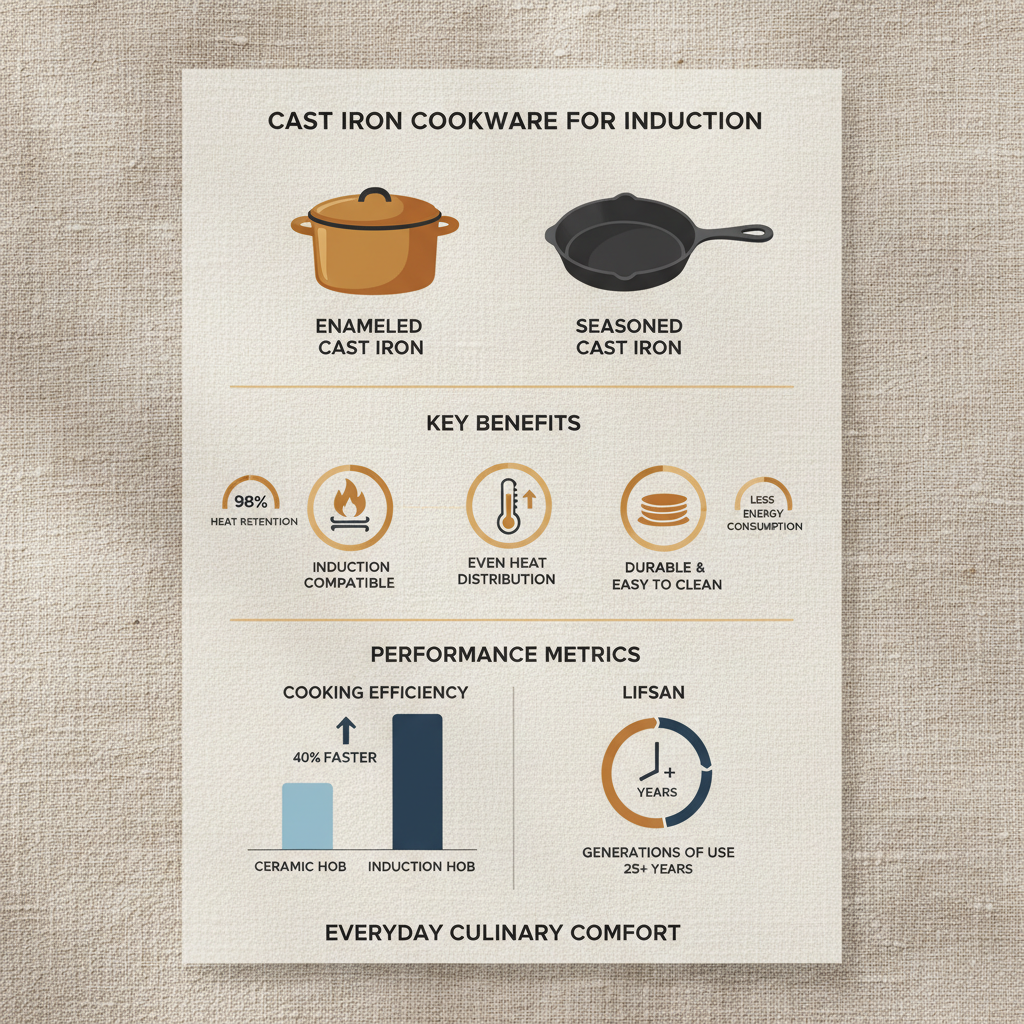
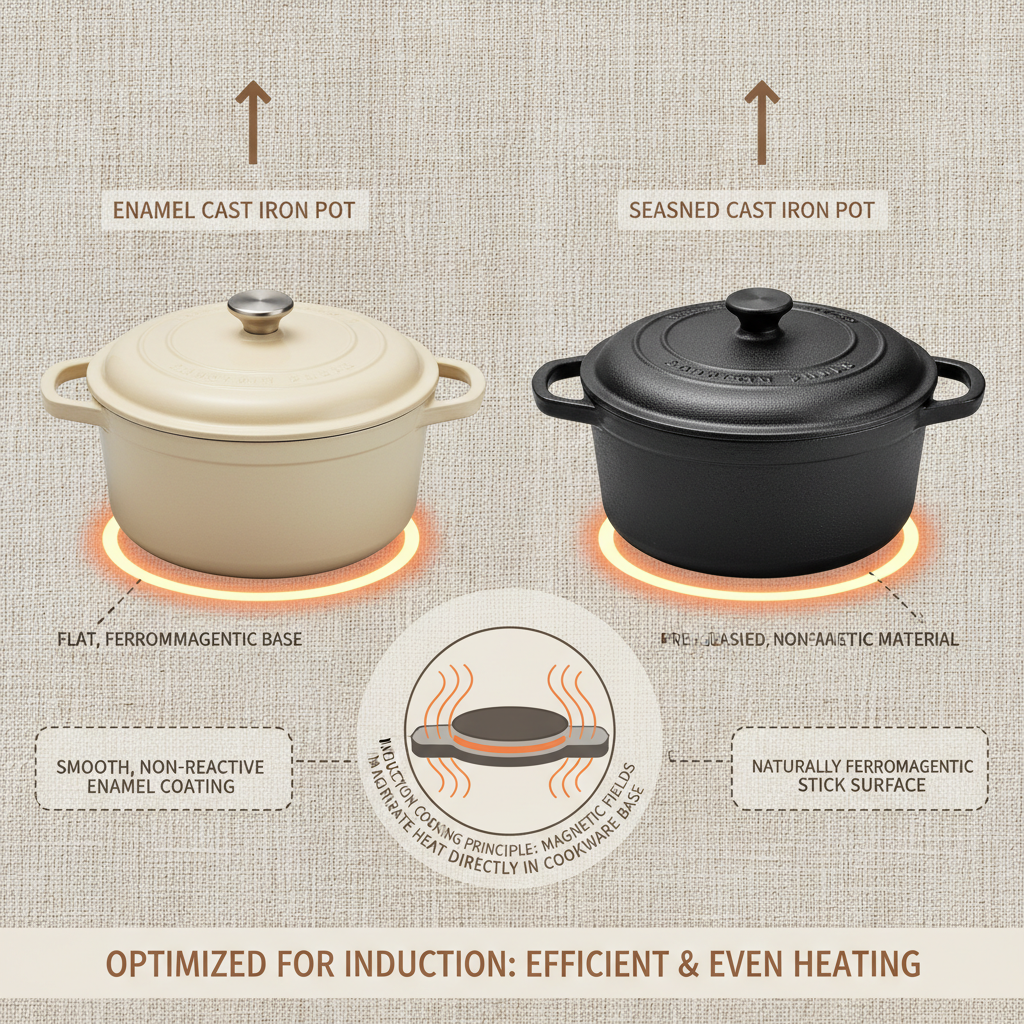
At its core, induction cooking works by creating a magnetic field that excites the molecules of the cookware, generating heat directly within the metal. Because cast iron is naturally ferromagnetic, it is one of the most efficient materials for this process. When using cast iron cookware for induction cooktop, there is virtually no energy loss to the surrounding air, resulting in faster boil times and more precise temperature control.
This synergy is particularly evident when compared to aluminum or copper, which require a bonded magnetic base to function on induction. Cast iron's monolithic structure ensures that the entire base is responsive to the electromagnetic field, providing a stable and consistent heat source that is ideal for everything from searing steaks in a skillet to slow-braising in a Dutch oven.
Global Industry Trends in Induction-Ready Cookware
The global shift toward "Green Kitchens" has seen a surge in the demand for induction-ready tools. According to industry observations and energy efficiency standards aligned with ISO guidelines, induction cooking reduces indoor air pollution and lowers energy consumption by approximately 20-30% compared to traditional electric ranges. This has led manufacturers to optimize their cast iron cookware for induction cooktop production, focusing on flatter bases to maximize surface contact with the induction glass.
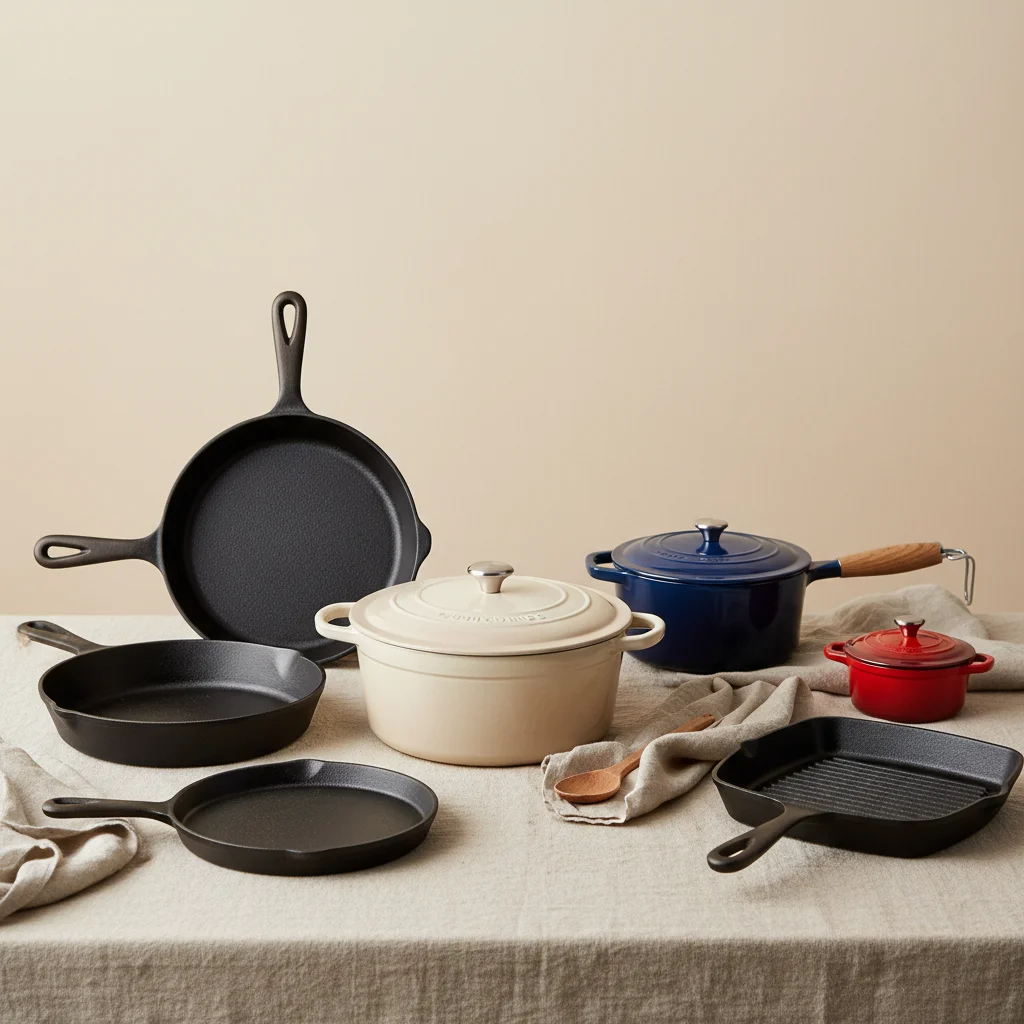
In European and North American markets, there is a growing preference for enameled cast iron. The enamel coating solves the traditional "maintenance" hurdle of seasoning raw iron while retaining the magnetic properties required for induction. This hybrid approach allows consumers to enjoy the heat-retaining benefits of iron with the ease of modern cleaning, bridging the gap between artisanal quality and contemporary convenience.
Furthermore, the rise of "smart homes" is integrating cookware with digital temperature probes. We are seeing a trend where cast iron vessels are designed with specific weights and diameters to synchronize perfectly with the automated power levels of high-end induction hobs, ensuring that a Cast Iron Bread Loaf Pan or a Dutch Oven performs consistently regardless of the brand of the cooktop.
Essential Characteristics of Induction-Compatible Cast Iron
The primary requirement for cast iron cookware for induction cooktop is magnetic permeability. Since induction requires a magnetic reaction to generate heat, the purity and composition of the iron are critical. High-quality cast iron ensures that the electromagnetic energy is converted into thermal energy efficiently, preventing the "pulsing" effect often seen in lower-quality induction-compatible pans.
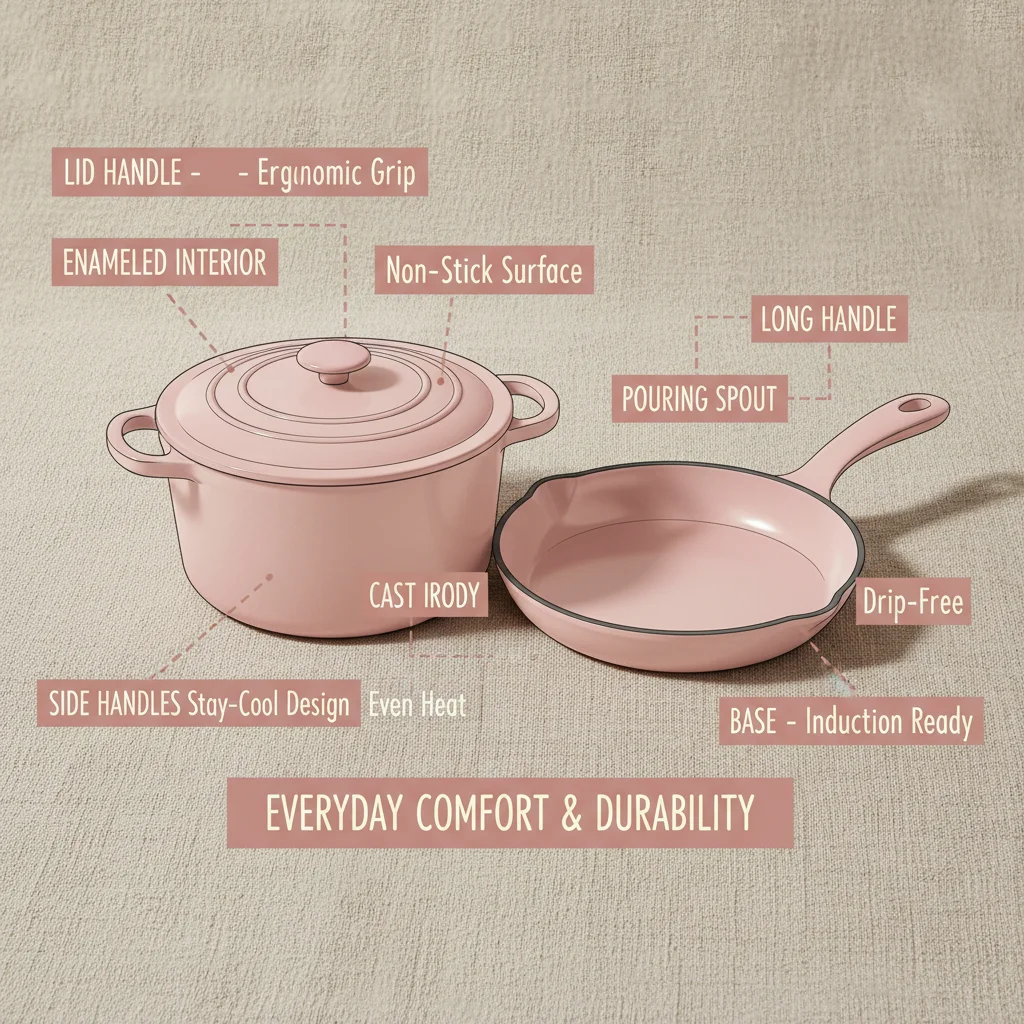
Another vital characteristic is the flatness of the base. Because induction depends on the proximity of the cookware to the copper coil beneath the glass, any warping or excessive convexity can lead to uneven heating. Precision-engineered cast iron cookware for induction cooktop utilizes advanced casting and grinding processes to ensure a perfectly flush contact point.
Finally, thermal mass plays a decisive role. The heavy nature of cast iron allows it to absorb a vast amount of energy, which it then releases slowly and evenly. This makes it an exceptional choice for induction cooktops, which can sometimes be too reactive or "fast" for delicate tasks; the iron acts as a thermal buffer, smoothing out the heat delivery for a more controlled cooking experience.
Performance Metrics of Various Cast Iron Designs
Different shapes and coatings of cast iron respond differently to induction energy. For instance, a flat Cast Iron Griddle offers maximum contact area, making it the most efficient tool for high-volume breakfast cooking on an induction surface. Conversely, a Cast Iron Wok requires a specific concave base that still maintains enough contact with the induction ring to generate the intense heat needed for stir-frying.
When evaluating cast iron cookware for induction cooktop, we look at heat-up speed, temperature stability, and energy efficiency. Enameled options, such as the Enamel Cast Iron Casserole, often show slightly different thermal curves due to the insulating properties of the glass enamel, but they provide superior consistency for low-and-slow cooking.
Efficiency Ratings of Cast Iron Designs for Induction
Practical Applications in Professional and Home Kitchens
In professional environments, the speed of induction combined with the sear of cast iron is a game-changer. Chefs use cast iron cookware for induction cooktop to achieve "Maillard reaction" crusts on proteins while maintaining a cooler kitchen environment. The ability to switch from a high-power sear to a low-simmer almost instantaneously allows for sophisticated techniques, such as pan-searing and then deglazing in the same vessel.
For the home cook, the versatility is equally impressive. A Cast Iron Round Skillet can move from the induction hob to a conventional oven without any risk of melting handles or coating failure. This makes it the ideal tool for "one-pot" meals, where a dish is started on the induction surface and finished with a roasted crust in the oven, showcasing the ultimate flexibility of cast iron cookware for induction cooktop.
Long-Term Value and Sustainability Benefits
Investing in cast iron cookware for induction cooktop is essentially a lifetime investment. Unlike PTFE or ceramic-coated pans that degrade over 2-5 years, a cast iron piece can literally last for generations. This durability significantly reduces the volume of cookware ending up in landfills, aligning with global sustainability goals and the "zero-waste" movement.
From a logical perspective, the cost-per-use of a cast iron skillet is the lowest in the industry. While the initial purchase might be higher than a cheap aluminum pan, the lack of replacement costs and the ability to restore the surface through re-seasoning provide immense financial value. It is a tool that grows better with age, developing a natural non-stick patina that enhances the flavor of the food.
Emotionally, there is a sense of trust and reliability associated with iron. In an increasingly digital world, the tactile experience of using a heavy, solid piece of cookware provides a grounding connection to traditional culinary arts. When paired with the innovation of induction, it creates a balanced kitchen experience that respects the past while embracing the future.
Future Innovations in Enameled and Raw Cast Iron
The future of cast iron cookware for induction cooktop lies in material science. We are seeing the development of "lighter" cast iron alloys that maintain high magnetic permeability but reduce the physical strain on the cook. These innovations aim to make the benefits of iron accessible to a wider demographic, including elderly users or those with limited grip strength.
Digital transformation is also touching the manufacturing process. Automated precision grinding is now ensuring that the base of every Enamel Coated Cast Iron Cookware piece is perfectly flat to within microns, maximizing the efficiency of the electromagnetic link. This reduces energy waste and prevents the "buzzing" sound sometimes associated with the interaction between the pan and the coil.
Sustainability policies are also pushing for the use of recycled iron scrap in the casting process. By implementing a circular economy in metal manufacturing, the industry is reducing the carbon footprint of every Dutch Oven and Grill Pan produced.
Comparative Analysis of Cast Iron Types for Induction Cooking
| Cookware Type |
Heat Distribution |
Maintenance Level |
Induction Response |
| Raw Cast Iron Skillet |
Excellent (High Heat) |
High (Seasoning req.) |
Instantaneous |
| Enameled Dutch Oven |
Superior (Even) |
Low (Soap & Water) |
Stable/Consistent |
| Cast Iron Grill Pan |
Concentrated (Ridges) |
Medium |
High Efficiency |
| Cast Iron Wok |
Variable (High Center) |
High |
Moderate (Base dep.) |
| Enamel Fry Pan |
Even |
Low |
Consistent |
| Cast Iron Press |
Indirect Heat |
Low |
N/A (Accessory) |
FAQS
Generally, yes. Since cast iron is naturally magnetic, almost all cast iron cookware is induction-compatible. However, the most important factor is the flatness of the base. If the pan is warped or has a significantly convex bottom, it may not make proper contact with the induction surface, leading to inefficient heating or the cooktop failing to detect the pan. Always choose high-quality, precision-cast iron for the best results.
Cast iron is heavier and rougher than stainless steel, which can lead to scratches if the pan is dragged across the glass. To prevent this, always lift the pan rather than sliding it. Additionally, ensure the bottom of your cookware is clean and free of debris. Using a silicone mat (specifically designed for induction) can provide an extra layer of protection without interfering with the magnetic field.
Yes, for raw cast iron, seasoning is essential regardless of the heat source. Seasoning creates a natural non-stick layer and prevents rust. Induction heating is very efficient, but it doesn't change the chemical need for polymerization of oils on the iron surface. For enameled cast iron, no seasoning is required as the glass coating provides the non-reactive surface.
Induction offers more precise temperature control and faster heat-up times. While gas provides a visual flame and is preferred for some "wok hei" techniques, induction is more energy-efficient and keeps the kitchen cooler. Because cast iron retains heat so well, it compensates for the lack of an open flame, making induction a highly effective and safer choice for most users.
A slight humming or buzzing sound is normal; it is caused by the rapid vibration of the magnetic molecules within the iron as they respond to the alternating current of the induction coil. This is more common with raw cast iron than enameled cast iron. If the sound is excessive, try lowering the power setting slightly or ensuring the pan is centered on the burner.
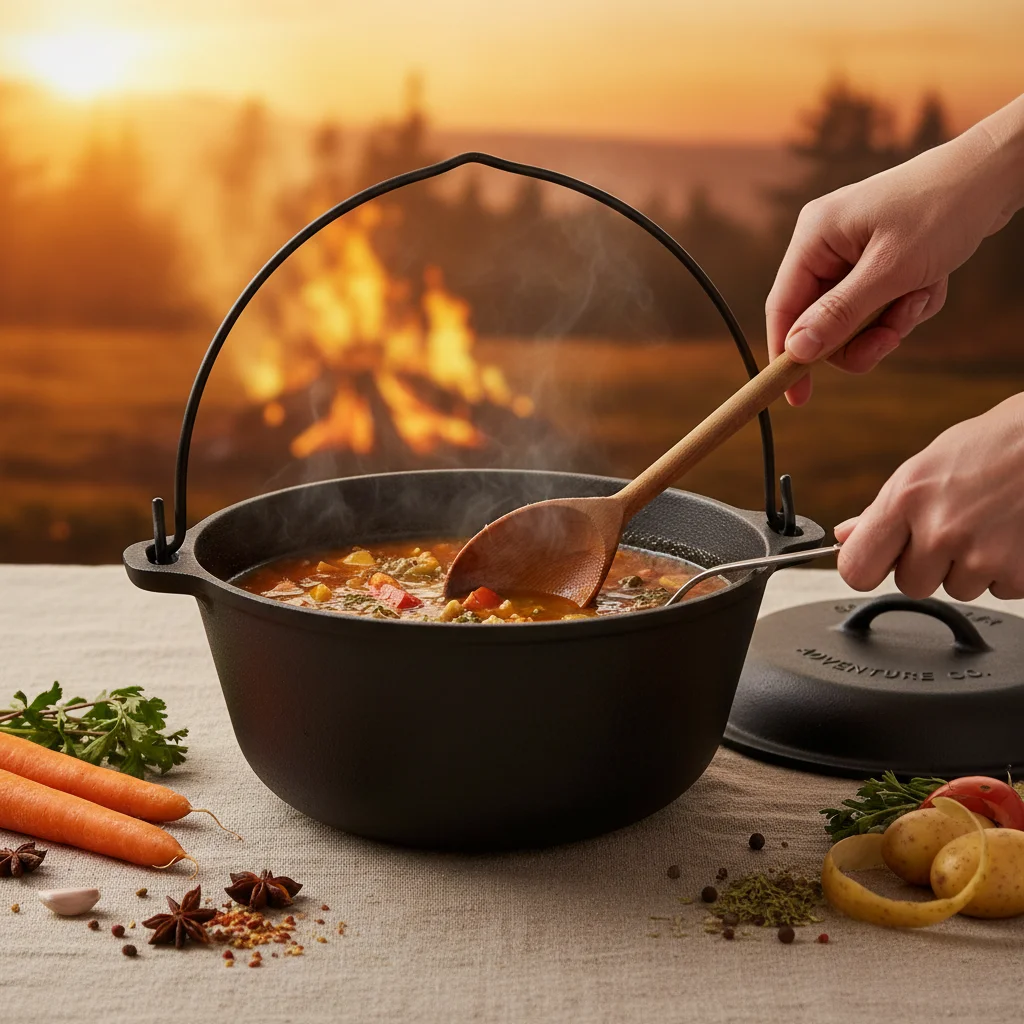
Absolutely. Enameled cast iron is perfect for slow cooking on induction. The iron core provides the necessary magnetic connection for the cooktop, while the thick walls and enamel coating ensure that heat is distributed evenly and held steadily over long periods. Many induction cooktops have a "simmer" or "low" setting that, when paired with a Dutch oven, mimics a slow cooker perfectly.
Conclusion
Integrating cast iron cookware for induction cooktop systems represents a perfect harmony between time-tested culinary traditions and cutting-edge energy efficiency. By leveraging the natural magnetic properties of iron, users can achieve unmatched heat retention, professional searing capabilities, and a sustainable kitchen footprint. Whether through the rugged reliability of raw iron or the polished convenience of enameled coatings, these tools provide a lifetime of value and performance.
As we look toward a future of greener energy and smarter homes, investing in high-quality cast iron is a strategic move for any serious cook. We recommend starting with a versatile Dutch oven or a classic skillet to experience the precision of induction. For those seeking professional-grade tools that combine durability with modern efficiency, we invite you to explore our full range. Visit our website: www.jsycastiron.com