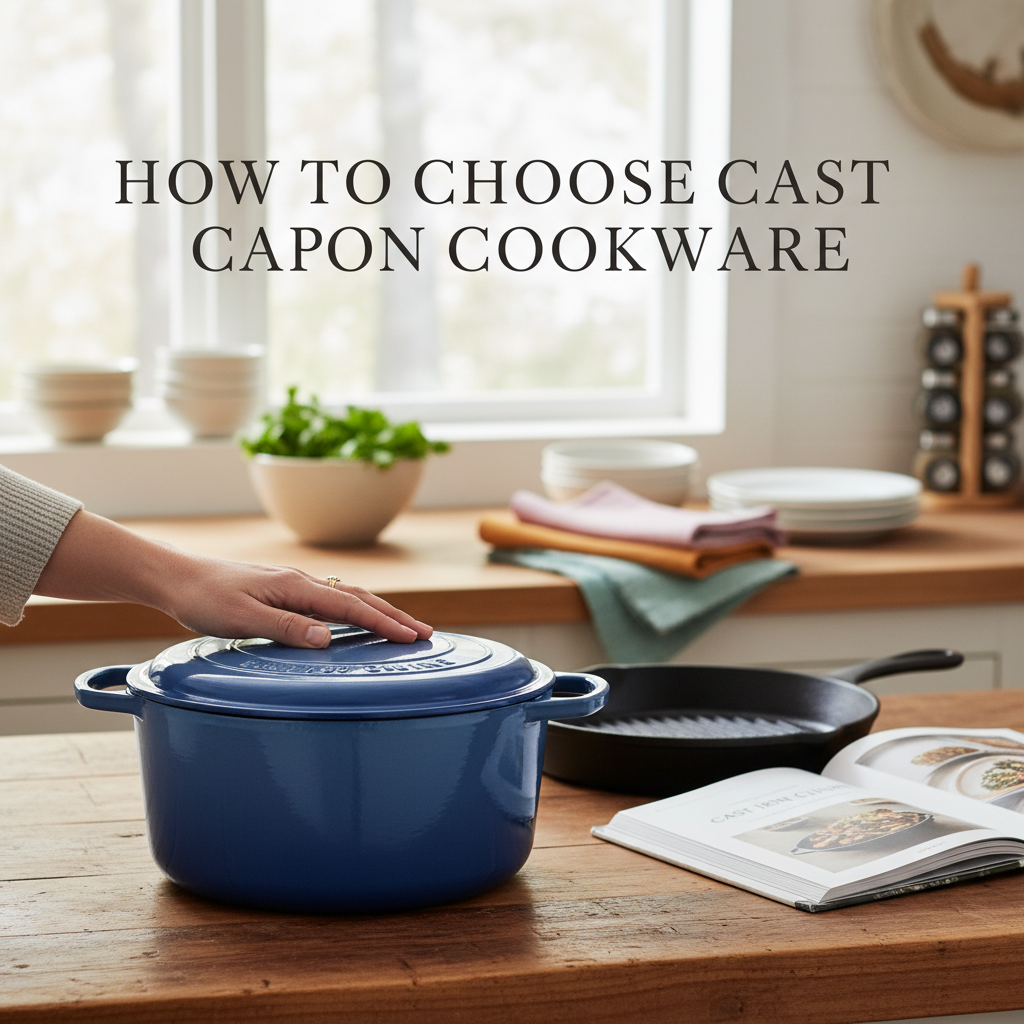
Choosing the right cast iron cookware is a journey steeped in history, functionality, and lasting value. Understanding how to choose cast iron cookware empowers you to invest in pieces that will become family heirlooms, consistently delivering exceptional cooking results for generations. It’s more than just selecting a pan; it’s embracing a cooking tradition and a commitment to quality.
The global resurgence of interest in cast iron isn't merely a culinary trend, but a reflection of a growing desire for durable, sustainable, and versatile cookware. According to recent market analyses, the cast iron cookware sector is experiencing consistent growth, with a projected annual increase of 6-8% through 2028. This trend is fueled by increasing consumer awareness of the health benefits of cooking with cast iron and its environmental advantages.
Successfully navigating the options for how to choose cast iron cookware requires considering factors beyond initial price. It addresses the challenge of finding cookware that balances affordability, durability, and performance, particularly in a market flooded with alternatives. Ultimately, informed selection leads to a better cooking experience and a reduced environmental footprint.
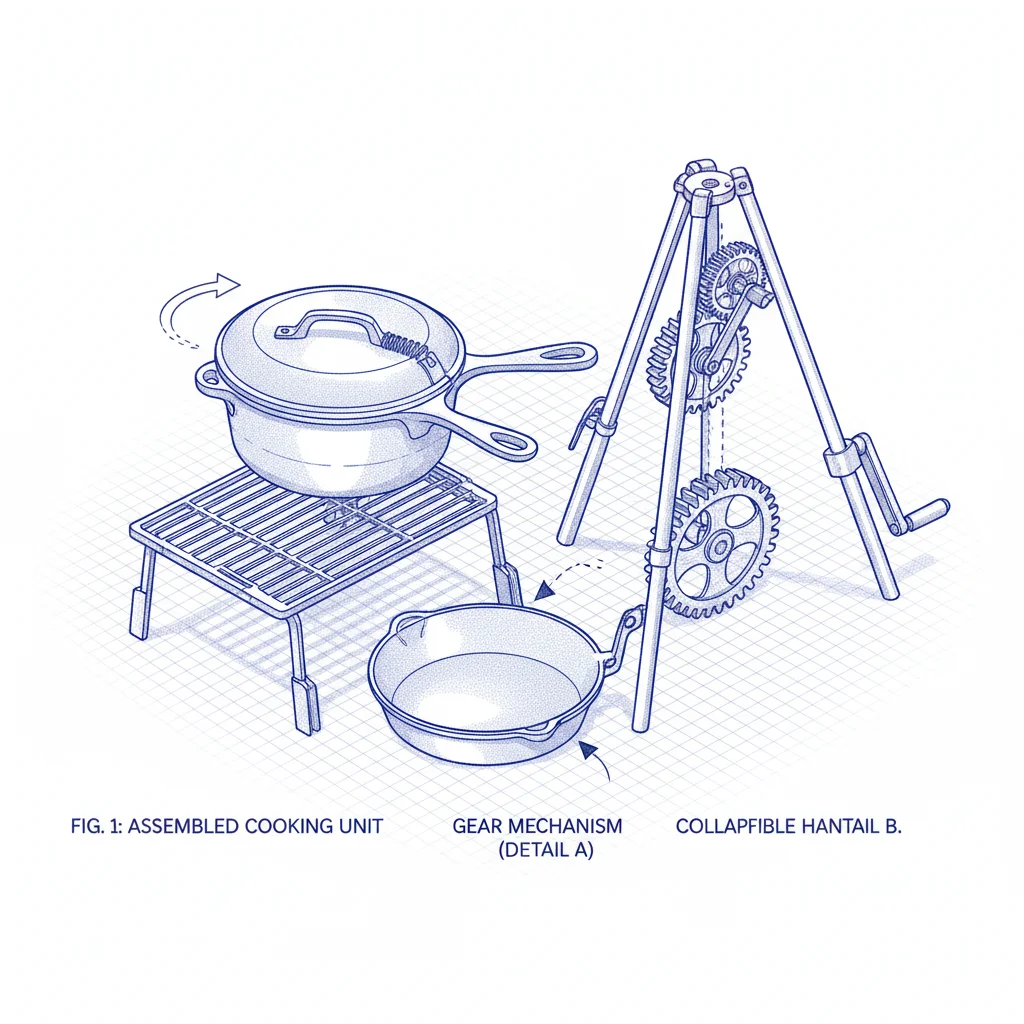
Understanding Cast Iron Composition
The fundamental composition of cast iron significantly impacts its performance and durability. Cast iron is an alloy primarily composed of iron, carbon, and silicon. The percentage of carbon determines the iron’s hardness and brittleness. Higher carbon content generally results in a harder but more brittle piece of cookware. How to choose cast iron cookware begins with understanding these basic materials.
Different grades of cast iron exist, each with varying characteristics. Gray cast iron is the most common type, known for its excellent heat retention and relatively low cost. Ductile cast iron, however, offers improved strength and impact resistance, making it a more premium option. Understanding these differences informs your selection based on intended use and budget.
Exploring Different Cast Iron Types
Cast iron cookware isn't a one-size-fits-all category. The market offers various types, each suited to different cooking styles and preferences. Traditional cast iron is pre-seasoned or requires seasoning to create a natural non-stick surface. Enameled cast iron features a porcelain coating, offering a colorful, non-reactive cooking surface and eliminating the need for seasoning. how to choose cast iron cookware means understanding the nuances of each type.
Stovetop cast iron is ideal for searing, frying, and simmering, while enameled cast iron excels in slow cooking and braising. There’s also seasoned cast iron, optimized for a naturally non-stick surface. Choosing between these requires assessing your primary cooking methods.
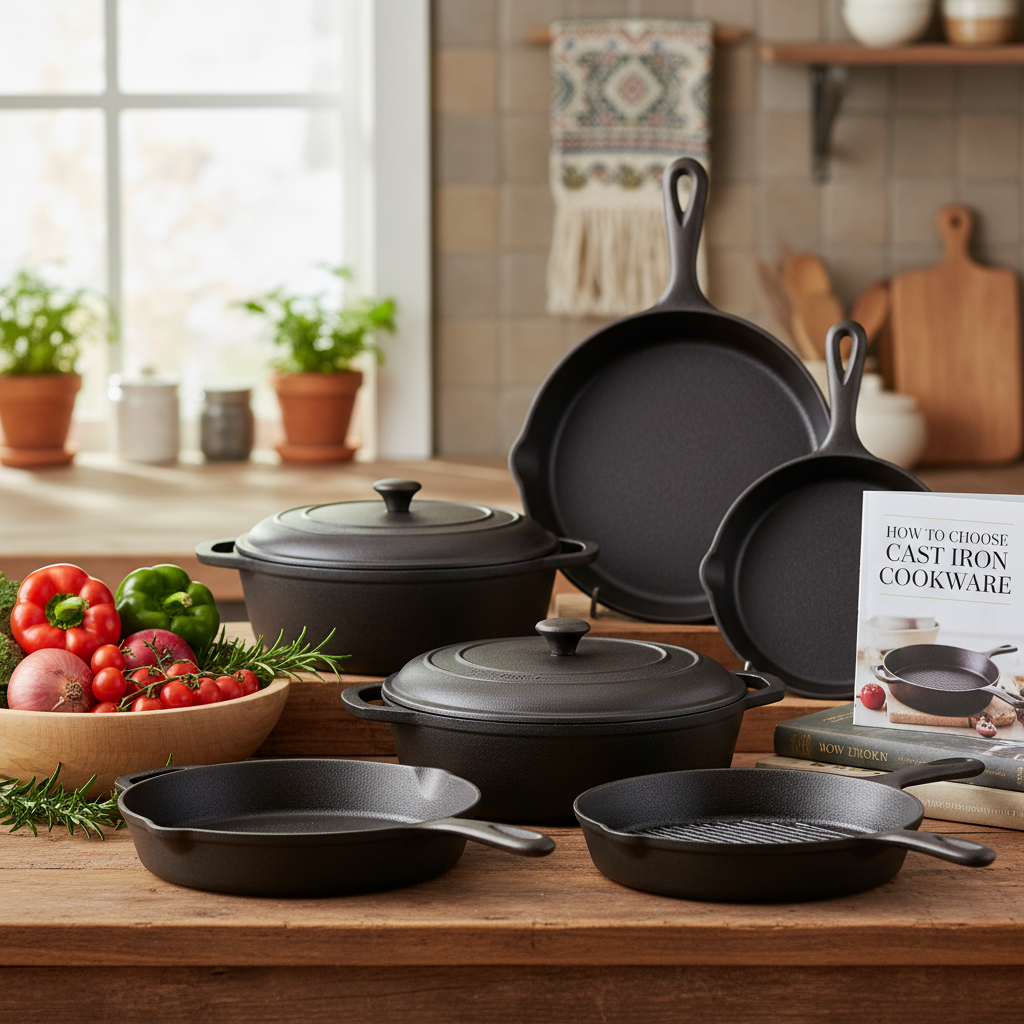
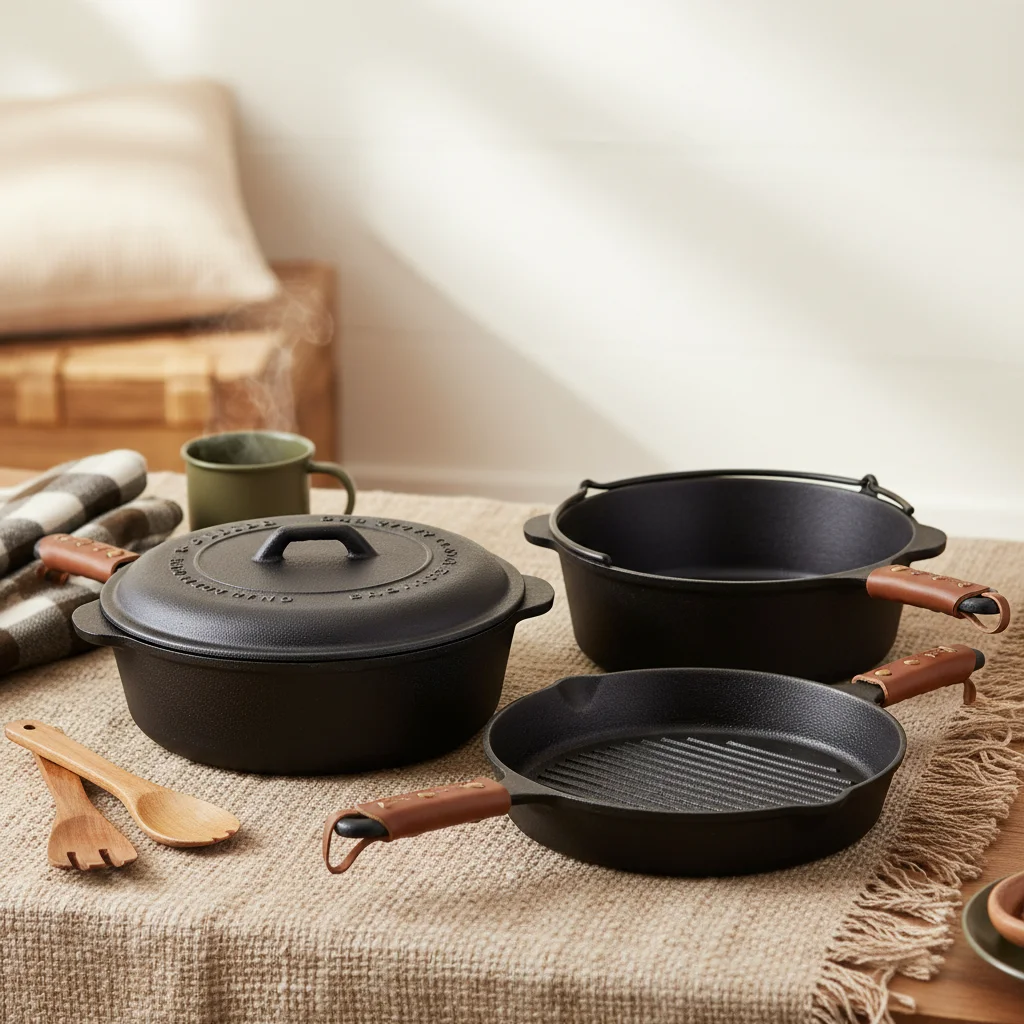
Furthermore, consider the availability of different forms – skillets, Dutch ovens, griddles, and saucepans. Each caters to specific culinary needs. A Dutch oven is fantastic for soups and stews, while a skillet is perfect for everyday frying.
Weight and Thickness Considerations
The weight and thickness of cast iron cookware directly affect its heat retention and distribution. Thicker cast iron generally heats more evenly and retains heat for longer periods, making it ideal for slow cooking and maintaining consistent temperatures. Heavier pieces provide greater stability on the stovetop.
However, weight can also be a drawback, especially for those with limited strength or mobility. Lighter-weight cast iron options are available, but they often compromise on heat retention and evenness. When considering how to choose cast iron cookware, balance weight with performance requirements.
Consider the size of the cookware in relation to its weight. A larger skillet will naturally be heavier than a smaller one. Think about how easily you can lift and maneuver the pan when full of food. Proper weight distribution is also important for comfortable cooking.
Evaluating Surface Finish Options
The surface finish of cast iron cookware significantly impacts its non-stick properties and ease of cleaning. Rough surfaces require more oil and are prone to food sticking, while smoother surfaces offer a more effortless cooking experience.
Seasoning plays a crucial role in creating a naturally non-stick surface. A well-seasoned pan develops a smooth, polymerized layer of oil that prevents food from adhering. Understanding how to choose cast iron cookware includes knowing about the quality of the initial seasoning and the potential for building your own over time.
Cast Iron Surface Finish Ratings
Handle Design and Ergonomics
The handle design of cast iron cookware is a critical ergonomic consideration. Poorly designed handles can be uncomfortable to grip, especially when the pan is heavy or full of food. Look for handles that offer a secure and comfortable grip.
Handles should be adequately sized and shaped to accommodate different hand sizes. Oversized handles can provide better leverage, while angled handles can improve maneuverability.
Brand Reputation and Warranty
Choosing a reputable brand is essential when investing in cast iron cookware. Established brands typically have a track record of producing high-quality, durable products. They often offer better customer support and warranties.
A robust warranty provides peace of mind and protects against manufacturing defects. Read the warranty details carefully to understand what is covered and for how long. how to choose cast iron cookware also means researching customer reviews and feedback on the brand's reliability.
Consider brands that specialize in cast iron cookware, as they are more likely to have expertise in this area and offer a wider range of options.
Price Point and Long-Term Value
While price shouldn't be the sole determining factor, it’s an important consideration. Cast iron cookware varies significantly in price, depending on the brand, type, and features.
However, how to choose cast iron cookware isn't just about the initial cost; it’s about long-term value. High-quality cast iron can last for generations with proper care, making it a cost-effective investment over time.
Compare prices across different retailers and brands, but prioritize quality and durability over the lowest possible price. Remember that a well-maintained cast iron pan can outperform and outlast many cheaper cookware options.
Summary of Key Factors in Selecting Cast Iron Cookware
| Composition |
Type |
Ergonomics |
Value Proposition |
| Iron, Carbon, Silicon percentages affecting hardness. |
Traditional, Enameled, Seasoned – influences cooking styles. |
Handle shape, size, and material impact comfort and control. |
Long-term durability justifies higher initial cost. |
| Gray cast iron for heat retention, Ductile for strength. |
Stovetop ideal for searing, Dutch ovens for slow cooking. |
Secure grip vital with heavier cookware. |
Brand reputation and warranty add value. |
| Carbon content affects brittleness and cooking evenness. |
Enameled avoids seasoning, requires more gentle handling. |
Angled handles improve maneuverability. |
Well-maintained cast iron can last generations. |
| Silicon influences fluidity during casting. |
Seasoned cast iron demands regular maintenance. |
Oversized handles provide leverage. |
Comparing prices and features aids informed choices. |
| Higher quality iron leads to better heat distribution. |
Consider cooking style to select appropriate cast iron. |
Weight distribution impacts ease of use. |
Focus on quality over the cheapest price. |
| Proper alloying enhances durability and thermal properties. |
Different types suit varied recipes and preferences. |
Ergonomic handles reduce strain during cooking. |
A lasting investment in kitchen essentials. |
FAQS
Seasoned cast iron develops a natural non-stick surface through polymerized oil, requiring regular maintenance. Enameled cast iron has a porcelain coating, eliminating the need for seasoning but potentially being more prone to chipping if mishandled. Choosing between them depends on your willingness to maintain seasoning versus prioritizing convenience and aesthetic appeal.
Proper seasoning involves coating the pan with a thin layer of oil (like flaxseed, canola, or vegetable oil), then baking it upside down in a hot oven (typically 400-450°F) for an hour. Repeat this process several times to build up a durable, non-stick coating. Regular use and proper cleaning also contribute to maintaining the seasoning.
It's generally not recommended to put cast iron in the dishwasher. The harsh detergents and prolonged water exposure can strip the seasoning and cause rust. Handwashing with mild soap and a soft sponge is the best practice. Dry immediately and lightly oil after washing to maintain the seasoning.
Enameled cast iron is generally best for cooking acidic foods like tomatoes or wine-based sauces, as the enamel coating prevents the acid from reacting with the iron and imparting a metallic taste. While seasoned cast iron can be used, prolonged exposure to acidic foods may damage the seasoning over time.
Prevent rust by thoroughly drying your cast iron after each use and applying a very thin coat of oil. Store in a dry place. If rust does develop, scrub it off with steel wool, re-season the pan, and ensure it’s completely dry before storage.
No, the quality of cast iron cookware varies significantly. Factors like the grade of iron used, the manufacturing process, and the quality of seasoning all contribute to the overall quality. Investing in a reputable brand with a good warranty is generally advisable to ensure durability and performance.
Conclusion
In conclusion, how to choose cast iron cookware isn’t simply about selecting a pan; it’s about investing in a legacy of cooking. By understanding the nuances of composition, types, weight, surface finish, and brand reputation, you empower yourself to make an informed decision that will enhance your culinary experience for years to come. The right cast iron cookware becomes a trusted companion in the kitchen, capable of handling a vast range of cooking tasks and delivering consistently delicious results.
Looking ahead, the enduring appeal of cast iron suggests its continued relevance in modern kitchens. Consider prioritizing pieces that align with your specific cooking style and needs, and don't hesitate to invest in higher-quality options for long-term value. Visit our website at www.jsycastiron.com to explore our curated selection of cast iron cookware and elevate your cooking journey.