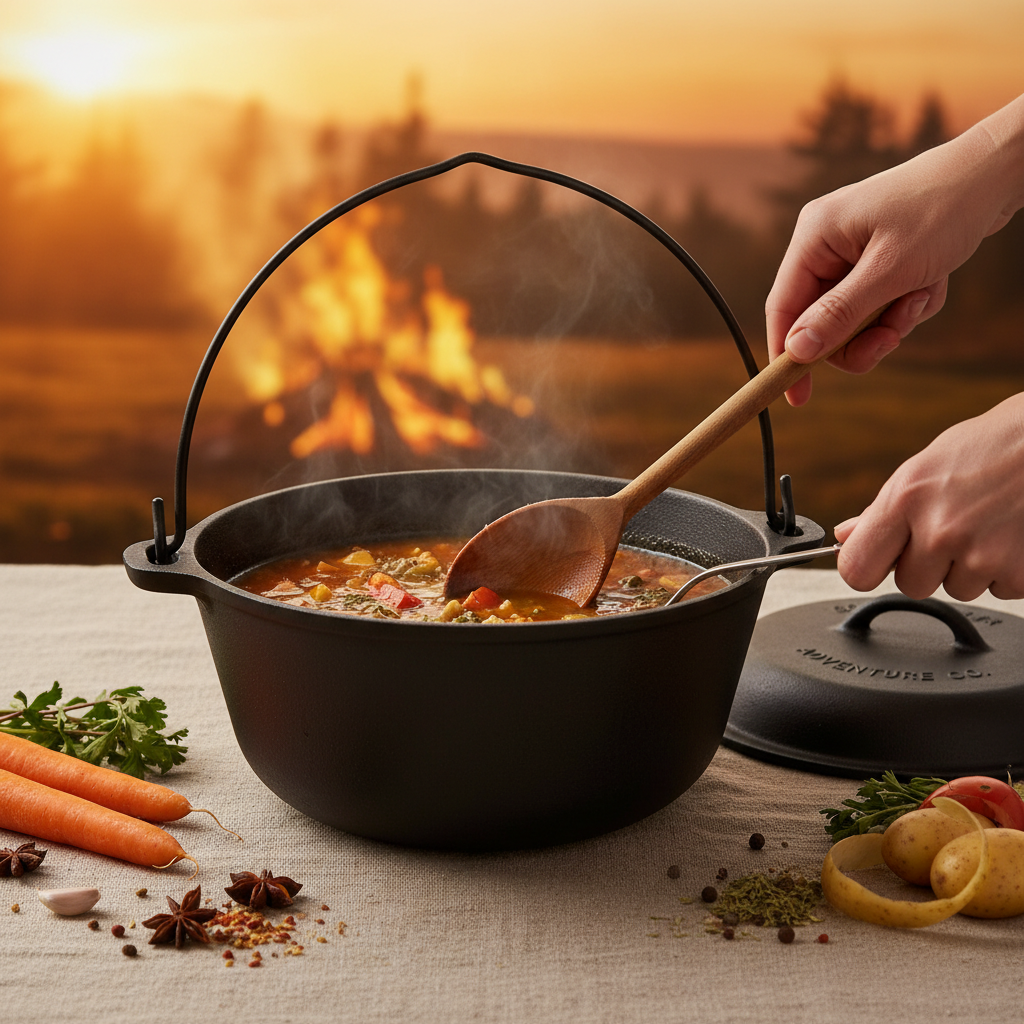
The allure of cooking over an open flame is deeply ingrained in human history, and at the heart of this tradition lies the campfire cast iron pot. More than just a cooking vessel, it represents resourcefulness, connection to nature, and the sharing of sustenance. From ancient nomadic tribes to modern-day outdoor enthusiasts, the cast iron pot has been a constant companion, adapting to different cultures and culinary practices while retaining its fundamental utility. Understanding the principles behind a quality campfire cast iron pot unlocks a world of flavorful possibilities and enhances the entire outdoor cooking experience.
Globally, the demand for durable and versatile cookware, especially for outdoor activities and off-grid living, is steadily increasing. According to reports from outdoor recreation associations, participation in camping and hiking has seen a significant rise in recent years, driving demand for equipment like cast iron cookware. Furthermore, in areas prone to natural disasters or with limited infrastructure, a robust campfire cast iron pot becomes a vital tool for preparing meals and ensuring food security. The inherent longevity and repairability of cast iron also align with a growing movement towards sustainable consumption.
The increasing awareness of self-sufficiency, coupled with a desire for authentic experiences, fuels the demand for reliable outdoor cooking solutions. This trend necessitates a deeper understanding of the qualities that define a superior campfire cast iron pot – beyond simply being a heavy, black pot. It’s about heat retention, even cooking, ease of cleaning, and the ability to withstand the rigors of outdoor use.
The Enduring Legacy of the campfire cast iron pot
The history of the campfire cast iron pot is inextricably linked to the development of metallurgy and cooking techniques. From its early origins in ancient civilizations to its prominent role in the American frontier, the pot has served as a symbol of resilience and self-reliance. Early forms were often crude, but the inherent properties of cast iron – its ability to retain heat and withstand repeated use – ensured its enduring appeal.
Throughout the centuries, the design of the campfire cast iron pot has evolved, with different cultures adapting it to their specific culinary needs. However, the fundamental principles have remained constant. It's a testament to ingenious engineering that a relatively simple object can withstand the test of time and continue to be valued by generations.
Defining the campfire cast iron pot
A campfire cast iron pot is, fundamentally, a cooking vessel made from cast iron – an alloy of iron, carbon, and silicon. What distinguishes it for campfire use is its construction: typically a heavier gauge of iron, often with legs or a bail handle designed for suspending over a fire. This differs from thinner cast iron skillets or Dutch ovens intended primarily for stovetop or oven use.
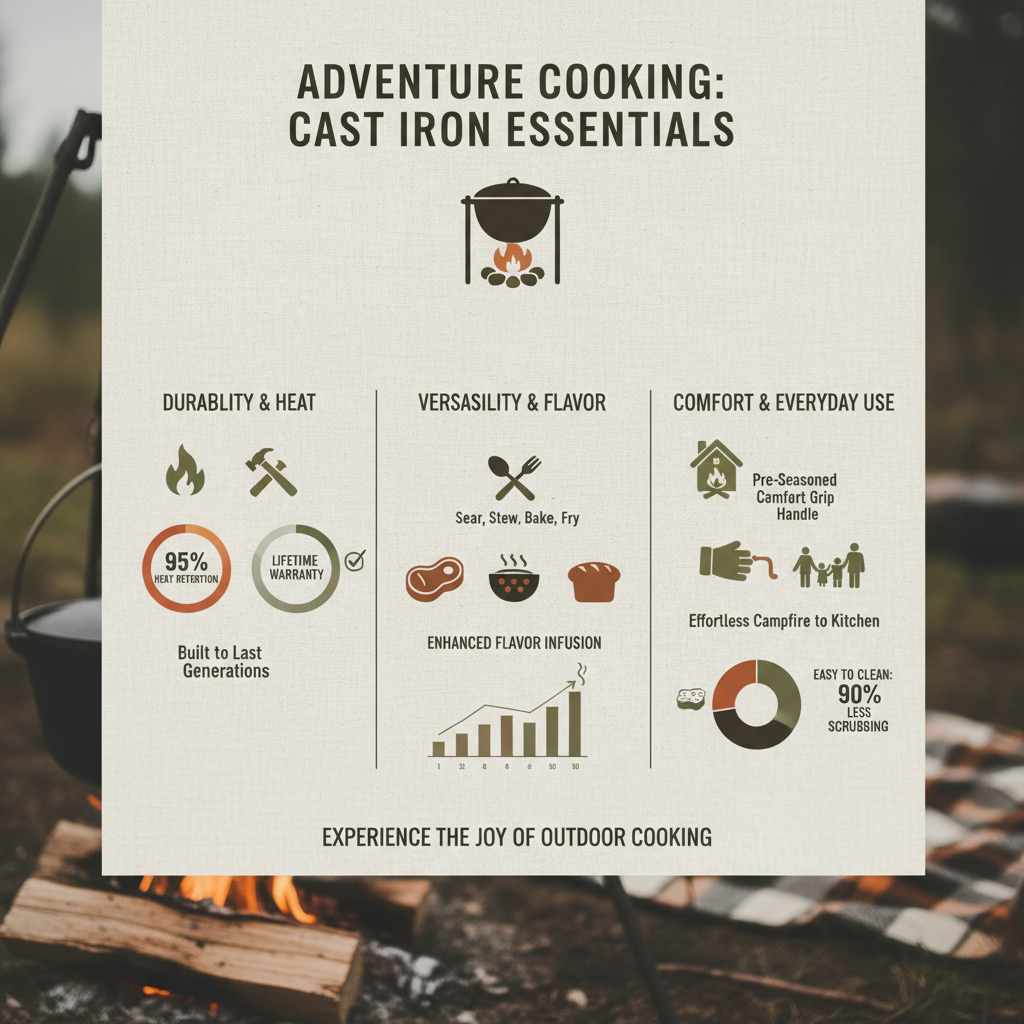
The key to its effectiveness lies in the material itself. Cast iron possesses exceptional heat retention, meaning it heats up slowly but stays hot for a long period, ideal for slow-cooking stews, braising meats, or baking bread. This property, combined with its durability, makes it well-suited for the unpredictable conditions of outdoor cooking.
Beyond its practical applications, the campfire cast iron pot holds cultural significance. It’s often associated with traditions of outdoor gatherings, storytelling, and a connection to simpler times, enhancing the overall experience of cooking and dining in nature.
Core Characteristics of a Quality Pot
Several key characteristics determine the quality and performance of a campfire cast iron pot. First, the thickness of the iron is crucial; thicker pots distribute heat more evenly and are less prone to warping or cracking. Second, a well-seasoned surface – achieved through repeated use and proper care – creates a natural non-stick coating and protects the iron from rust.
Third, the design of the legs (if present) significantly impacts stability over uneven terrain. Sturdy, well-placed legs are essential for preventing spills and ensuring safe cooking. Fourth, the bail handle should be robust and securely attached, allowing for easy suspension and maneuvering. These combined aspects make a good pot, versus a great one.
Finally, the quality of the casting itself is important. A smooth, consistent surface without blemishes or imperfections will enhance both performance and longevity. A truly quality campfire cast iron pot is an investment built to last multiple lifetimes.
Performance Metrics and Heat Distribution
Evaluating the performance of a campfire cast iron pot requires considering several key metrics. Heat retention is paramount, measured by how long the pot remains hot after the heat source is removed. Even heat distribution prevents hotspots and ensures consistent cooking results.
Stability, especially on uneven surfaces, is another critical factor. The pot’s ability to resist tipping or rocking contributes to safety and ease of use. These metrics are affected by the quality of the iron, the thickness of the walls and base, and the design of the legs and handle.
campfire cast iron pot Cooking Performance
Global Applications and Culinary Traditions
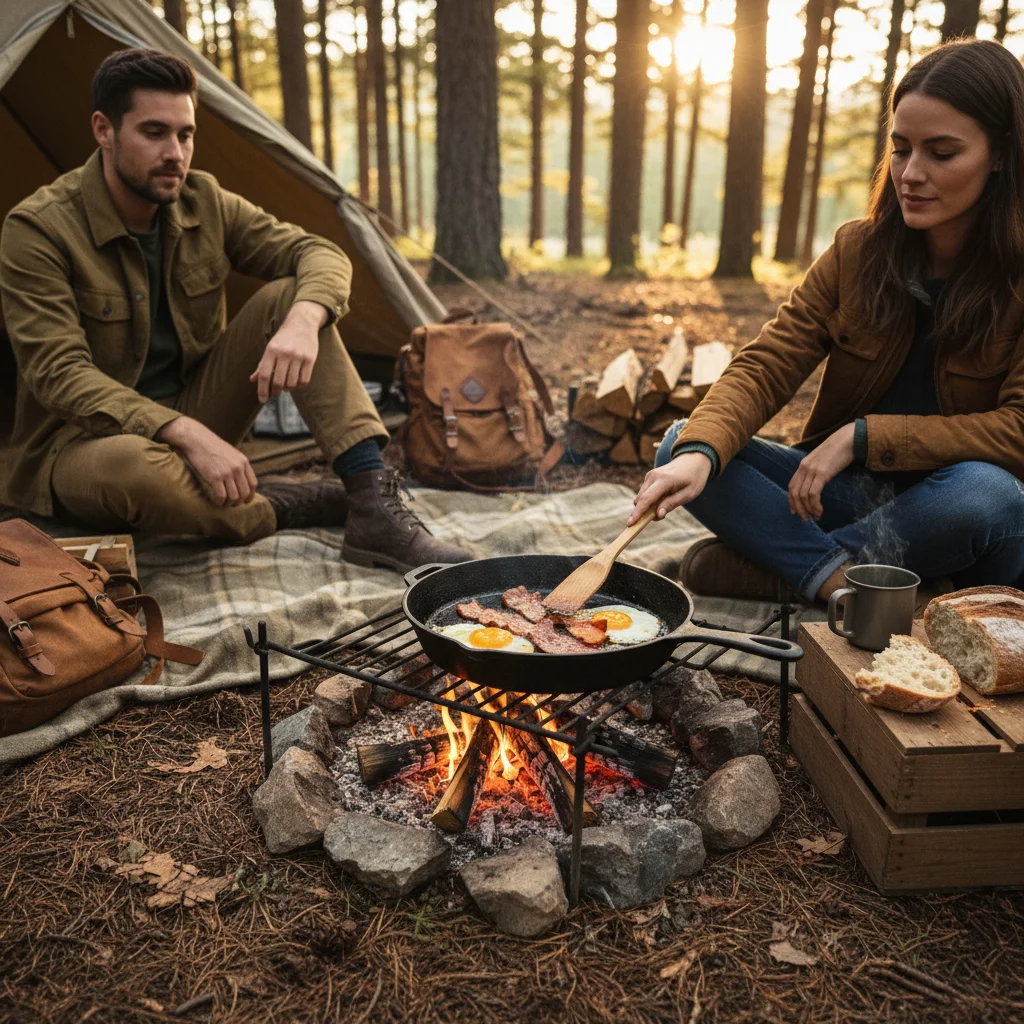
The campfire cast iron pot transcends geographical boundaries, finding a place in diverse culinary traditions worldwide. In South America, it’s used for preparing traditional stews and roasts over wood fires. In Africa, it’s a mainstay for communal cooking and preserving food.
In North America, it’s deeply rooted in cowboy culture and continues to be popular for outdoor cooking and camping. Across Europe, it's gaining popularity among outdoor enthusiasts and those seeking a more rustic culinary experience.
The Long-Term Value Proposition
Investing in a quality campfire cast iron pot offers a range of long-term benefits. Its durability ensures it can withstand years of heavy use, making it a sustainable alternative to disposable cookware. The ability to repair and re-season the pot further extends its lifespan.
Beyond the practical benefits, owning a cast iron pot connects you to a tradition of self-sufficiency and outdoor living. It fosters a sense of appreciation for simple, wholesome cooking and encourages a slower, more mindful approach to food preparation.
From an economic perspective, the initial investment is often offset by the pot’s longevity and versatility, eliminating the need to constantly replace cheaper alternatives. It's a practical, sustainable, and rewarding addition to any kitchen or outdoor setup.
Future Innovations and Material Science
While the fundamental design of the campfire cast iron pot has remained largely unchanged for centuries, innovations in material science and manufacturing techniques are beginning to emerge. Researchers are exploring new alloys that offer improved heat conductivity and reduced weight.
Coatings that enhance non-stick properties and reduce the need for frequent seasoning are also being developed. Furthermore, advancements in 3D printing could allow for the creation of customized pot designs tailored to specific cooking needs.
The future of the campfire cast iron pot may also involve integrating smart technology, such as temperature sensors and wireless connectivity, to provide real-time cooking data and enhance user experience.
Summarizing Key Considerations for campfire cast iron pot Materials and Construction
| Material Composition |
Wall Thickness (mm) |
Seasoning Quality (1-10) |
Handle Durability (1-10) |
| Traditional Cast Iron |
6-8mm |
8 |
9 |
| Enamel-Coated Cast Iron |
5-7mm |
6 |
7 |
| Alloyed Cast Iron (with Magnesium) |
6.5-7.5mm |
7 |
8 |
| Lightweight Cast Iron (with Aluminum) |
4-6mm |
5 |
6 |
| Carbon Steel (Alternative) |
2-4mm |
4 |
5 |
| 3D-Printed Iron Composite |
Variable |
N/A |
N/A |
FAQS
Seasoning a new campfire cast iron pot is crucial for creating a natural non-stick surface and protecting it from rust. Begin by thoroughly cleaning the pot with hot, soapy water and drying it completely. Then, apply a thin, even coat of cooking oil (such as flaxseed, canola, or vegetable oil) to all surfaces, inside and out. Place the pot upside down in a preheated oven at 350-400°F (175-200°C) for an hour. Let it cool completely in the oven before using. Repeat this process several times for optimal seasoning.
Rust is the biggest enemy of cast iron. To prevent it, always dry your campfire cast iron pot immediately after use. Apply a thin coat of oil to all surfaces to create a protective barrier. Store the pot in a dry place. If rust does develop, scrub it off with steel wool, then re-season the pot following the seasoning instructions. Regular use also helps prevent rust by maintaining the seasoned surface.
Traditionally, soap was avoided on cast iron as it was believed to strip away the seasoning. However, modern dish soaps are generally mild enough to use without causing significant damage, provided you thoroughly rinse and dry the pot immediately afterwards, and re-oil it if necessary. Excessive or harsh scrubbing with abrasive cleaners should still be avoided, as this can compromise the seasoning.
Hardwood fuels like oak, maple, or beech are ideal for cooking with a campfire cast iron pot, as they burn consistently and produce a good amount of heat. Avoid using softwoods like pine, as they create a lot of smoke and can impart an undesirable flavor to your food. Ensure the wood is dry and seasoned for optimal burning. Consider using a fire grate to provide adequate airflow.
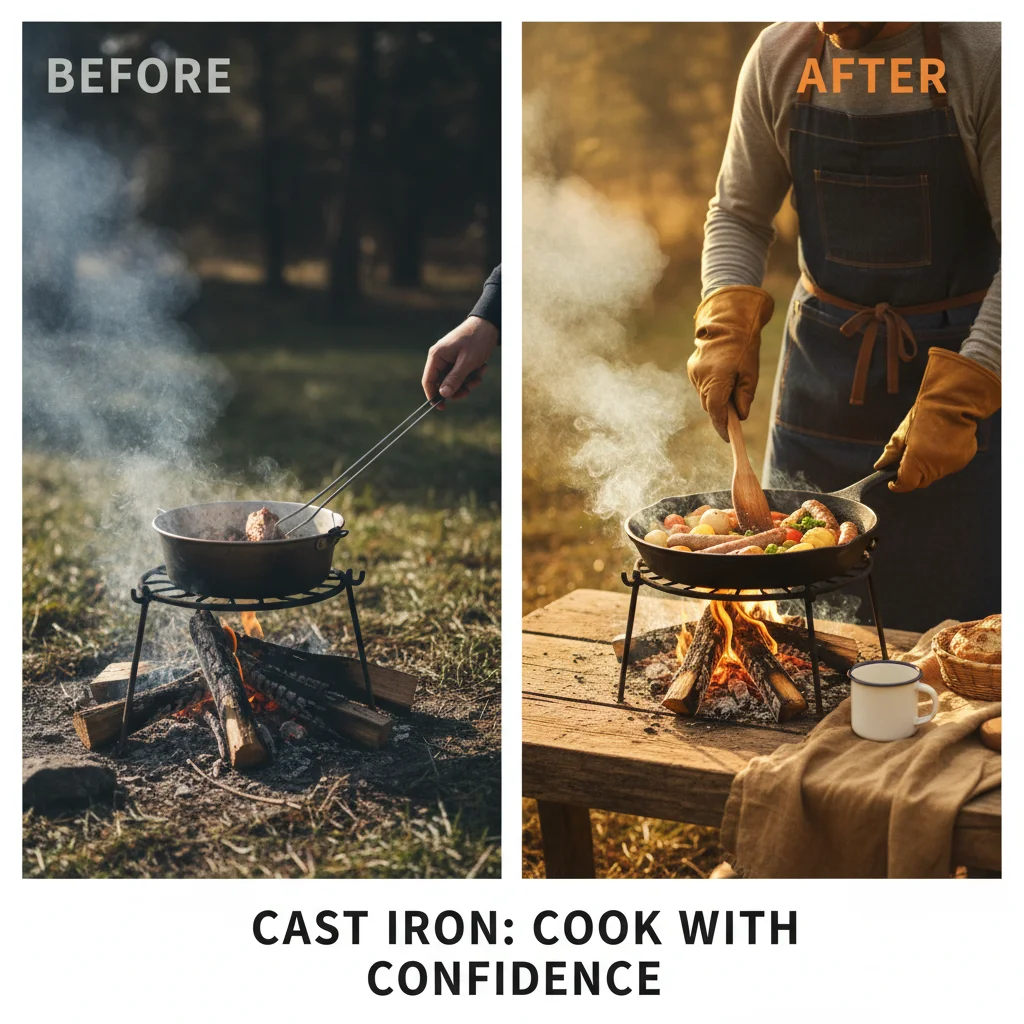
While cast iron is incredibly durable, prolonged direct exposure to intense flames can potentially warp or crack the pot. It’s generally best to use a fire grate or tripod to suspend the campfire cast iron pot above the flames, allowing for more controlled and even heating. Avoid shocking the pot with sudden temperature changes.
For a sticky campfire cast iron pot, boil some water in the pot to loosen the stuck-on food. Then, gently scrape with a wooden spoon or plastic scraper. Avoid using metal utensils, as they can damage the seasoning. For stubborn residue, create a paste of coarse salt and water and scrub gently. Always rinse, dry, and re-oil the pot after cleaning.
Conclusion
The campfire cast iron pot represents far more than just a cooking implement. It embodies a connection to the past, a celebration of simple living, and a commitment to durable, sustainable practices. From its enduring legacy to its modern applications, this versatile vessel continues to inspire cooks and adventurers around the globe. Understanding its characteristics and proper care ensures it will remain a cherished companion for generations to come.
As we look to the future, ongoing innovations in materials science and manufacturing promise to further enhance the performance and accessibility of the campfire cast iron pot. Embracing these advancements, while preserving the time-honored traditions of cast iron cooking, will ensure that this iconic piece of cookware continues to thrive. Visit our website at www.jsycastiron.com to explore our selection of high-quality cast iron pots and accessories.