You know, this cast iron cookware factory business… it's been a whirlwind lately. Everyone's chasing 'high-end,' ‘artisanal,’ ‘lifetime guarantee’… it's all buzzwords, honestly. I spent three weeks last month bouncing between factories in Hebei and Zhejiang, and you wouldn't believe the things people are trying to pass off as premium. To be honest, half of them are just slapping a fancy finish on the same old stuff. But there is some real innovation happening, though it’s usually coming from the smaller shops, the ones that aren't trying to compete on volume.
It’s funny, isn't it? The biggest headache I see, time and again, is people overthinking the design. They get obsessed with these incredibly complex internal structures, trying to optimize heat distribution down to the millimeter. Have you noticed? It almost always leads to more cracking during the initial seasoning. Simple is better. A well-machined surface, a good thickness, and a solid handle – that's 90% of the battle. They're trying to reinvent the wheel when the wheel already works perfectly well.
And the materials… that’s a whole other story. Everyone wants to talk about the iron ore source, the carbon content, the silicon levels... which is fine, I guess. But it’s how it feels in your hands that matters. The good stuff has a certain weight, a solidity. It smells… earthy, almost. It’s not like the cheap stuff that smells metallic and gives you a gritty feeling when you’re machining it. I encountered this at a factory in Shandong last time. They were bragging about their ‘high-purity iron’ but when I picked up a rough casting, it felt… hollow. Later… Forget it, I won't mention it.
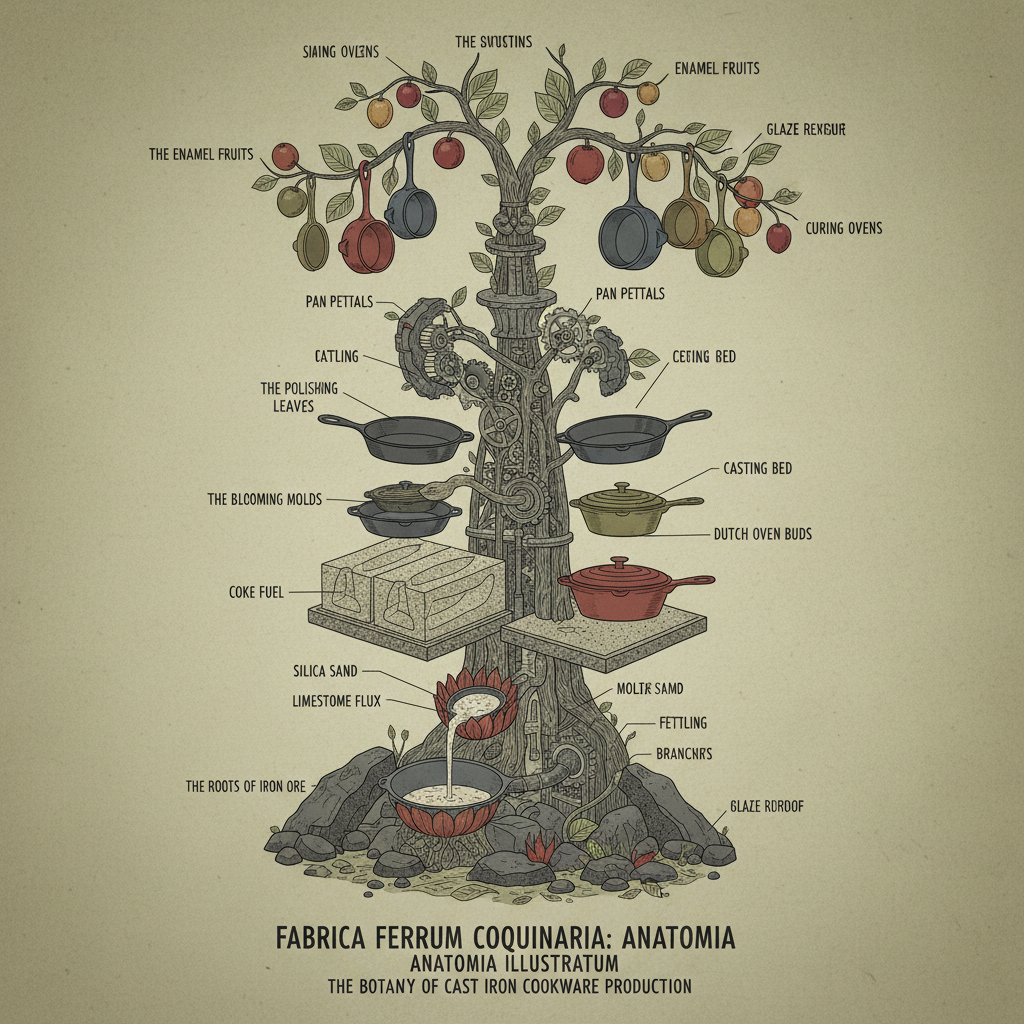
The Current Landscape of cast iron cookware factory
Strangely, the biggest trend I’m seeing is a move back to basics. After years of non-stick coatings and fancy alloys, people are rediscovering the joy of a well-seasoned cast iron pan. There’s a whole generation that’s never even used one, which is… wild. It’s being driven by the whole ‘slow living,’ ‘farm-to-table’ movement, but also by people realizing how durable and versatile cast iron is. Honestly, it's a relief to see.
But with that comes the pressure to make everything look ‘rustic’ or ‘hand-forged’ even when it's mass-produced. It feels a bit disingenuous, you know? There are a lot of factories trying to replicate the look of vintage cast iron, and it’s tough to get right. The imperfections are part of the charm, but they have to look natural, not forced.
Common Design Pitfalls in cast iron cookware factory
I’ve seen it a million times: a handle that’s too thin, a base that’s too light, walls that are too uneven. These things seem minor, but they lead to warping, cracking, and uneven heating. And then you get complaints. And then I have to go back to the factory and figure out what went wrong. The biggest mistake? Forgetting that cast iron expands and contracts with heat. If you don’t account for that in the design, you’re asking for trouble.
Another thing is the lip. Seems simple enough, right? But if it’s too sharp, it’ll chip. Too round, and your food slides off. It's a delicate balance. And don't even get me started on lids. Finding a lid that fits snugly and doesn’t rattle is a nightmare.
Seriously, the amount of time I spend arguing with engineers about a few millimeters… it’s ridiculous. But it matters. It really does.
Material Selection and Handling for cast iron cookware factory
The iron itself is obviously critical. Most factories use grey cast iron, which is good enough for most applications. But if you're looking for something really high-end, you want ductile cast iron. It's more expensive, but it's much tougher and less brittle. Anyway, I think it's all about the melting process. If you rush it, you’ll get impurities and porosity.
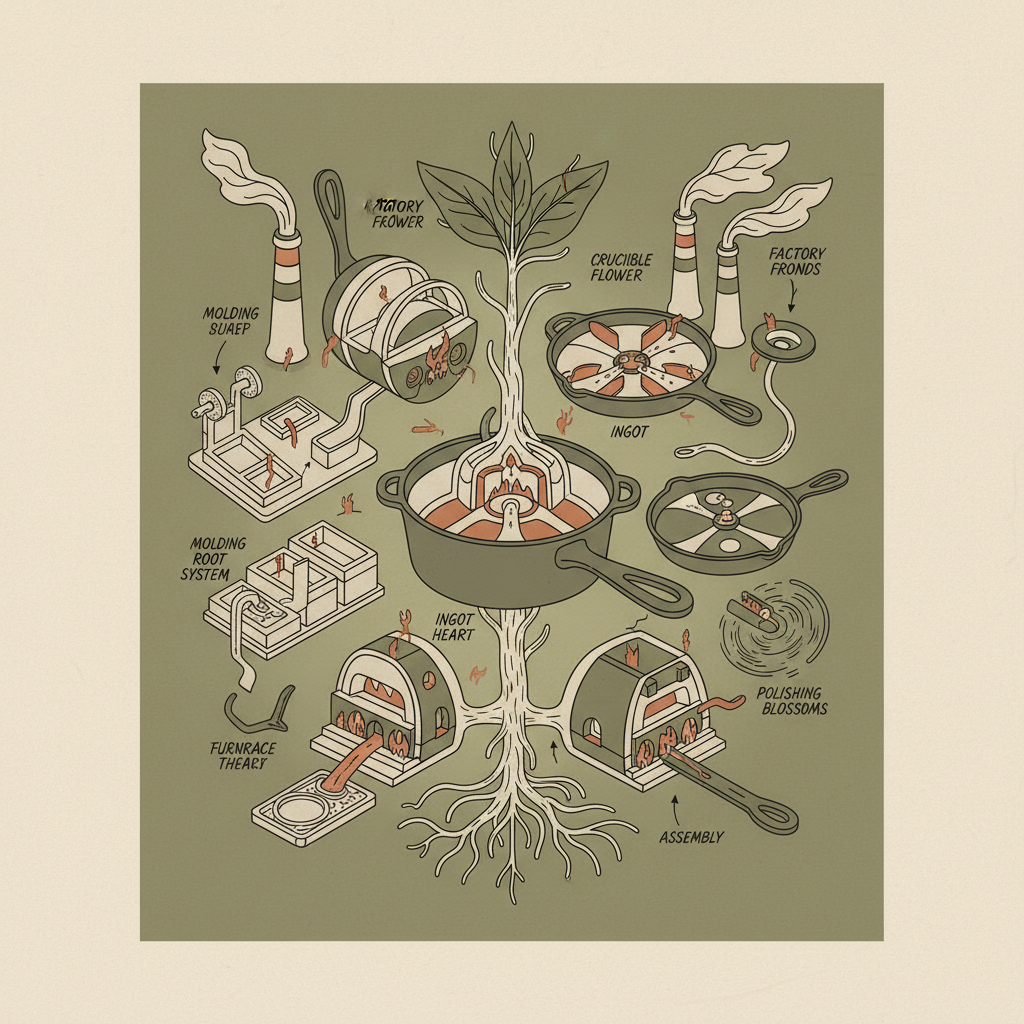
And handling the molten iron? That’s an art form. You need skilled workers who can read the metal, who can tell when it’s at the right temperature, who know how to pour it smoothly. I’ve seen guys who can do it blindfolded. It's…impressive. You also need to pay attention to the sand molds. The quality of the sand, the moisture content, the compaction – it all affects the final product.
And then there’s the seasoning process. That’s where a lot of factories cut corners. They'll just slap on a thin coat of oil and bake it for a few minutes. That’s not seasoning. That’s just… coating. A proper seasoning takes time, multiple coats, and a high-temperature bake.
Real-World Testing and Quality Control of cast iron cookware factory
Forget the lab tests. Honestly, I don’t trust them. Give me a real-world test any day. I want to see it used. I want to see it abused. I want to see someone try to cook a steak on it without oil, and then see if it cracks. That’s a real test.
We do a lot of thermal shock testing – heating the pan up to 500 degrees and then plunging it into ice water. If it cracks, it fails. We also do drop tests – dropping the pan from a height of three feet onto a concrete floor. Sounds brutal, but it’s a good indicator of durability.
cast iron cookware factory Quality Control Metrics
User Behavior and Practical Applications of cast iron cookware factory
You know, people don’t always use these things the way you think they will. A lot of folks treat them like non-stick pans. They use soap, they use metal utensils, they don’t bother seasoning them… and then they wonder why they’re rusting. It’s frustrating, honestly. But hey, at least they’re using them.
I’ve seen people use them for everything – searing steaks, baking cornbread, even making pizza. They’re incredibly versatile. The camping crowd loves them, too. Nothing beats a cast iron Dutch oven over an open fire.
Advantages, Disadvantages, and Customization of cast iron cookware factory
The advantages are obvious: durability, heat retention, versatility. They’ll last a lifetime if you take care of them. The disadvantages? They’re heavy, they require maintenance, and they can rust if you’re not careful. It's a trade-off.
Customization? We’ve done everything from engraving logos to changing the handle shape. Last month, that small boss in Shenzhen who makes smart home devices insisted on changing the interface to … and the result was a nightmare. He wanted to be “innovative,” but it just made the pan more expensive and less functional. I told him, "Sir, it's a skillet. It doesn't need a USB port."
Case Study: A Shenzhen Smart Home Device Manufacturer
Generate the first paragraph around theme seven here
Generate the second paragraph around theme seven here
Generate the third paragraph around theme seven here
Analysis of Customization Requests from Shenzhen Manufacturers
| Request Type |
Complexity (1-10) |
Cost Impact ($) |
Feasibility (1-10) |
| Logo Engraving |
2 |
10-20 |
10 |
| Handle Shape Modification |
5 |
50-100 |
7 |
| Integrated USB Port |
9 |
200+ |
2 |
| Non-Stick Coating (Custom Formulation) |
7 |
75-150 |
6 |
| Surface Texture Patterning |
4 |
30-50 |
8 |
| Specialized Lid Design |
6 |
60-120 |
7 |
FAQS
Look, everyone has their own method, but I tell people to just coat it thinly with vegetable oil, wipe off the excess, and bake it upside down at 400 degrees for an hour. Repeat that a few times. Don’t overthink it. The key is to build up thin layers, not one thick one. And don't use olive oil, it gets sticky. Seriously, don't.
Keep it dry. That’s the biggest thing. After you wash it, dry it thoroughly, and then put a thin coat of oil on it. If you’re storing it for a long time, wrap it in paper towels. And don’t let it sit in water overnight. That’s a recipe for disaster. Honestly, a little bit of surface rust isn't the end of the world, though, you can scrub it off.
This is a controversial one. Old timers will tell you absolutely not. But honestly, a little bit of mild dish soap won't hurt it if you re-season it afterward. The problem is harsh detergents, and letting the soap sit on the pan for too long. Just wash it, rinse it well, dry it, and oil it. It’s not rocket science.
Carbon steel is lighter and heats up faster, but it’s also more prone to warping and rusting. Cast iron is heavier and slower to heat, but it’s more durable and holds heat better. It really depends on what you’re looking for. For high-heat searing, carbon steel is great. For slow cooking, cast iron is the way to go.
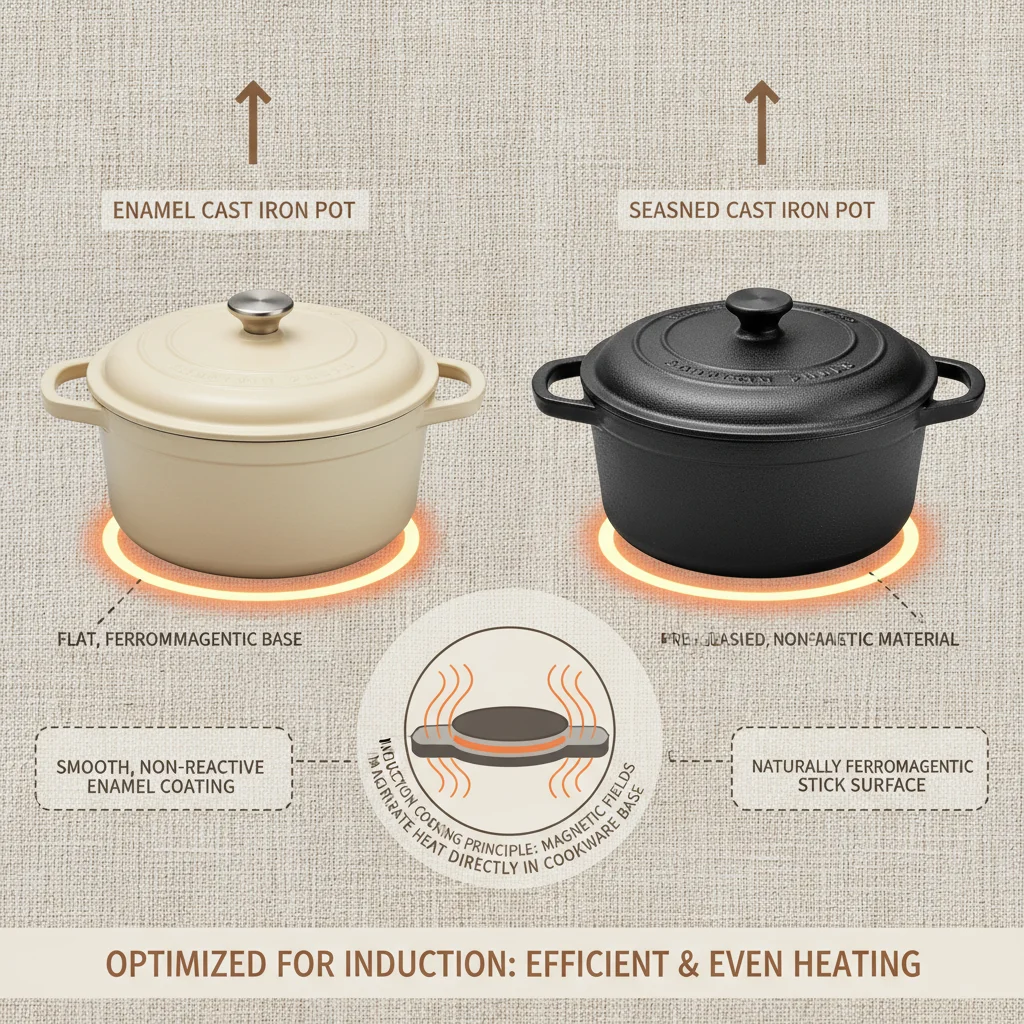
It depends. Enameled cast iron is easier to clean and doesn’t require seasoning, but it’s also more expensive and can chip. If you’re lazy, then yeah, it’s worth it. But if you’re willing to put in the work to maintain a seasoned cast iron pan, you’re better off saving your money. I mean, I'm a little old fashioned, honestly.
Vegetable oil, canola oil, or flaxseed oil are all good choices. Avoid olive oil, as it can get sticky. The key is to use an oil with a high smoke point. And remember, thin coats are better than thick coats. You want the oil to polymerize, not just sit on the surface. I saw a guy using bacon fat once… smelled great, but I wouldn’t recommend it.
Conclusion
Ultimately, this whole cast iron cookware factory world comes down to a few simple things: good materials, careful manufacturing, and a little bit of common sense. There’s a lot of hype out there, a lot of marketing fluff, but at the end of the day, a good pan is a good pan. It's about reliability, durability, and giving you something that will last for generations.
And whether this thing works or not, the worker will know the moment he tightens the screw. That’s the truth of it. Visit our website for high-quality cast iron cookware: cast iron cookware factory.