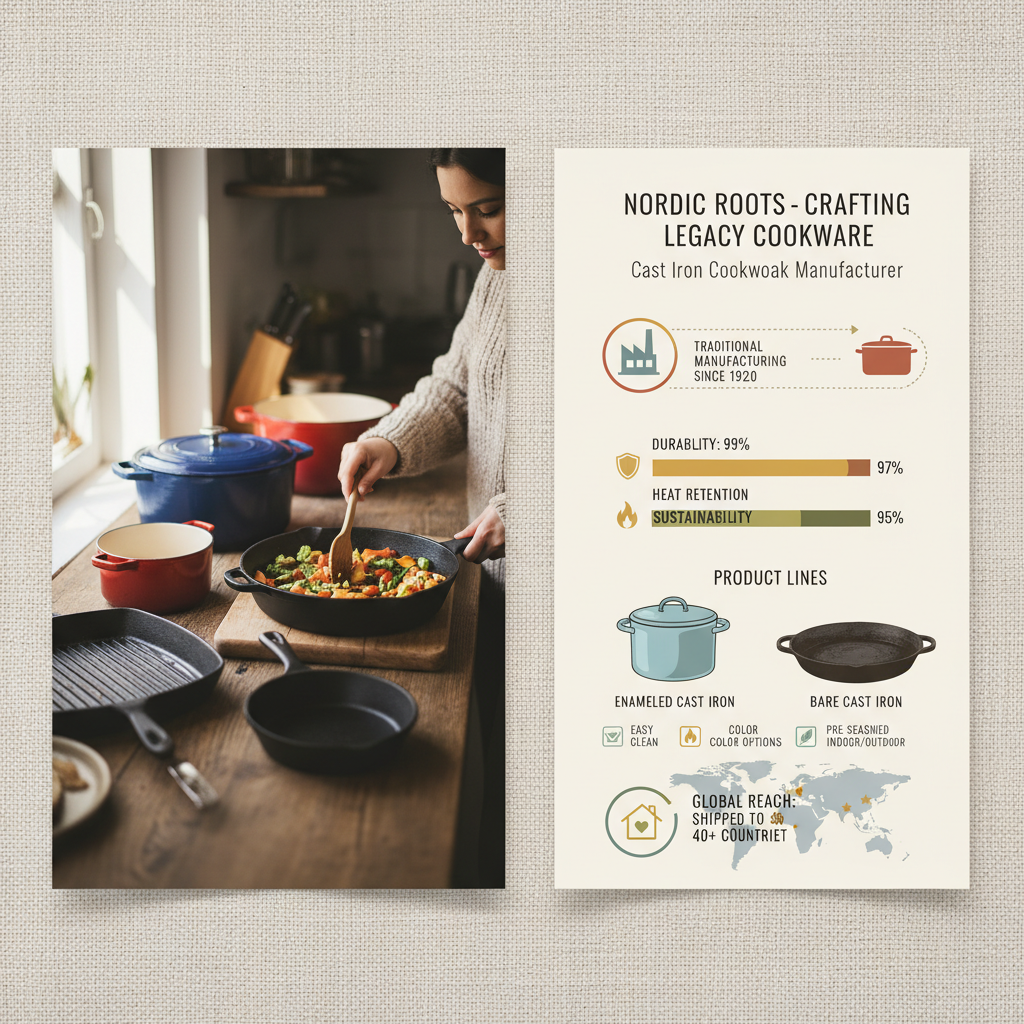
Selecting a reliable cast iron cookware manufacturer is a pivotal decision for kitchenware brands and culinary professionals who prioritize longevity, heat retention, and authentic cooking performance. In an era of disposable consumer goods, the resurgence of cast iron represents a shift back to sustainable, heritage-grade tools that improve with age and usage.
The global demand for high-quality cookware has evolved, with modern consumers seeking a balance between traditional craftsmanship and contemporary efficiency. A professional cast iron cookware manufacturer does more than just melt metal; they engineer precise thermal distributions that ensure an Enamel Cast Iron Casserole or a Cast Iron Dutch Oven performs consistently across various heat sources, from induction to open flames.
Understanding the nuances of production—from the raw ore selection to the final seasoning or enameling process—allows buyers to distinguish between mass-produced items and artisanal-grade equipment. By partnering with an experienced cast iron cookware manufacturer, businesses can ensure their product lines meet rigorous safety standards while delivering the timeless appeal of heavy-duty kitchenware.
Global Industry Context of Cast Iron Manufacturing
The global landscape for the cast iron cookware manufacturer sector is currently experiencing a renaissance, driven by a global movement toward "slow living" and healthy eating. According to industry trends aligned with ISO quality standards, the shift away from PFOA-laden non-stick coatings has pushed millions of consumers back toward seasoned cast iron and enamel-coated alternatives.
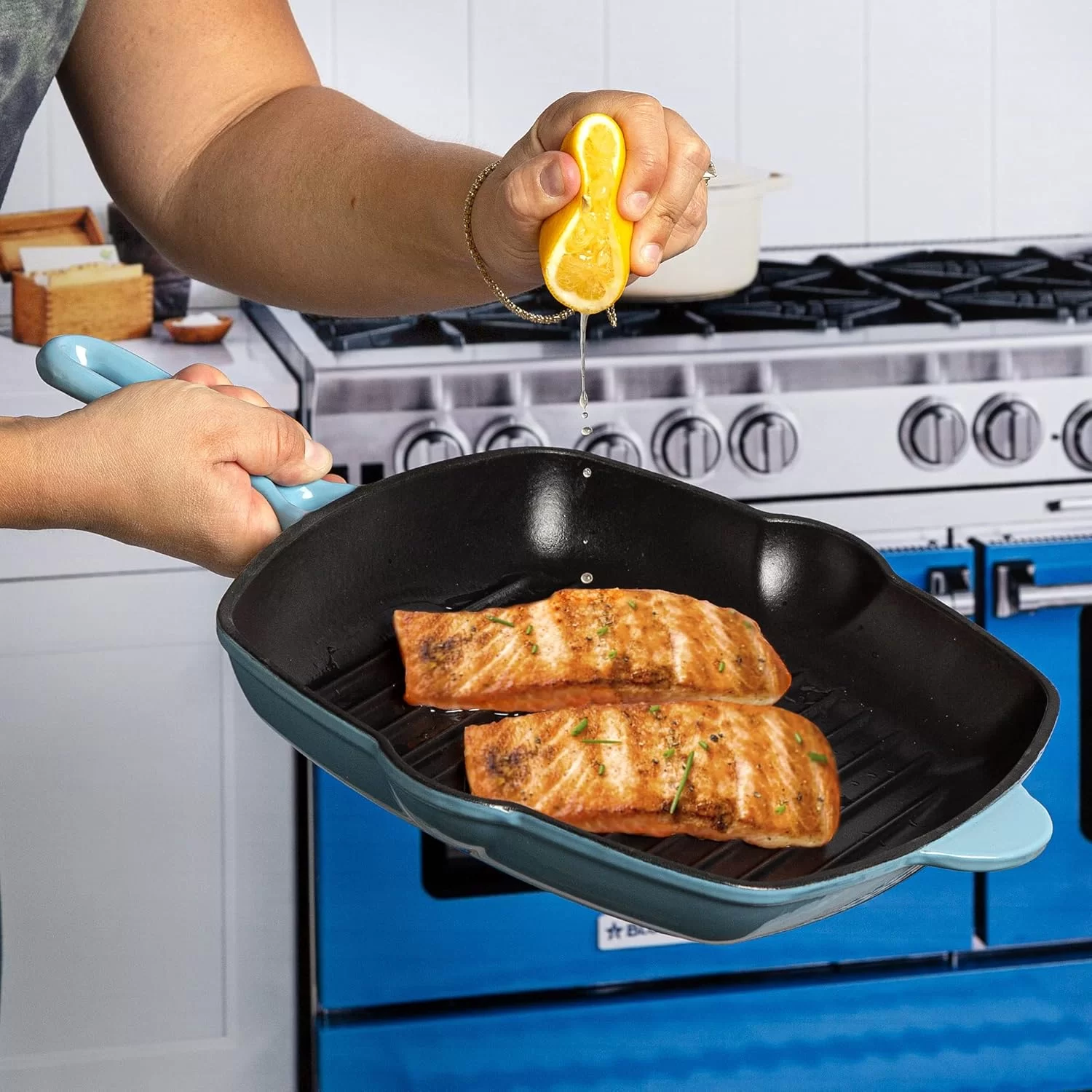
However, this growth brings significant challenges, particularly in maintaining consistency across large production batches. Many brands struggle with porosity and uneven wall thickness, which can lead to "hot spots" in a Cast Iron Grill Pan or warping in a Cast Iron Griddle, highlighting the need for precision engineering in the manufacturing process.
Defining the Role of a Cast Iron Cookware Manufacturer
At its core, a cast iron cookware manufacturer is a specialized metallurgical entity that transforms raw iron and carbon into durable kitchen tools through a process of smelting and molding. Unlike general metal fabrication, this requires a deep understanding of thermal expansion and carbon content to ensure that a Cast Iron Round Skillet can withstand extreme temperature swings without cracking.
Beyond the furnace, the modern manufacturer acts as a bridge between ancient culinary traditions and modern ergonomics. This involves designing handles that stay cooler, lids that seal tighter for Cast Iron Dutch Ovens, and surface finishes that reduce the steep learning curve associated with traditional seasoning.
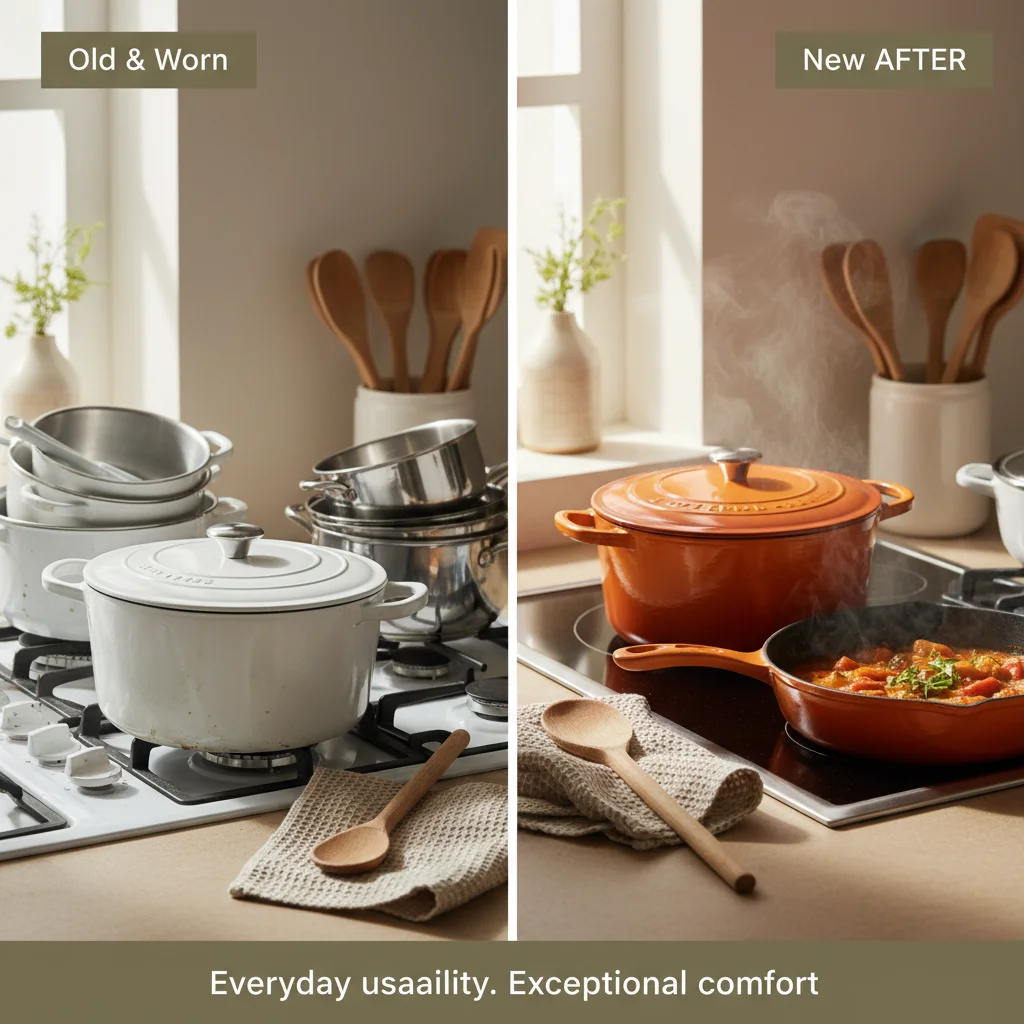
In the broader industrial context, these manufacturers are essential for promoting sustainable consumption. Because cast iron products are virtually indestructible when cared for, they resolve the humanitarian and environmental problem of landfill waste caused by the constant replacement of cheap, aluminum-based cookware.
Core Components of High-Quality Production
The hallmark of a premier cast iron cookware manufacturer is the obsession with material purity. By controlling the carbon levels in the molten iron, manufacturers can determine the balance between the fluidity of the pour and the eventual hardness of the pan, which is critical for the structural integrity of a Cast Iron Wok & Pot.
Precision molding is the second pillar of excellence. Whether using traditional sand casting or advanced automated molds, the manufacturer must ensure uniform wall thickness. This prevents the uneven heating that often plagues inferior products, ensuring that an Enameled Cast Iron Fry Pan distributes heat evenly across the entire cooking surface.
Finally, the finishing process—be it pre-seasoning with organic oils or applying a high-grade vitreous enamel—defines the user experience. An Enamel Coated Cast Iron Cookware line must undergo rigorous stress testing to ensure the enamel does not chip under thermal shock, providing a non-reactive surface ideal for acidic ingredients.
Performance Metrics in Cast Iron Engineering
To evaluate a cast iron cookware manufacturer, one must look at quantitative metrics such as thermal emissivity and surface smoothness. High-end manufacturers employ CNC machining to grind the interior surfaces of their pans, removing the grainy texture of sand casting to create a "smooth-finish" skillet that is naturally more non-stick.
Furthermore, the scalability of production must not compromise the quality of the heat distribution. By utilizing advanced simulation software, manufacturers can predict how a Cast Iron Press or a Takoyaki Pan will react to different heat sources, optimizing the geometry for maximum efficiency.
Manufacturing Quality Comparison by Production Method
Global Applications and Market Use Cases
The versatility of products from a cast iron cookware manufacturer allows them to penetrate diverse markets. In North America and Europe, there is a high demand for Cast Iron Bread Loaf Pans and Dutch Ovens for artisanal baking. In Asia, the focus shifts toward Cast Iron Woks and Takoyaki Pans, which require specific heat-concentration capabilities for stir-frying and street-food applications.
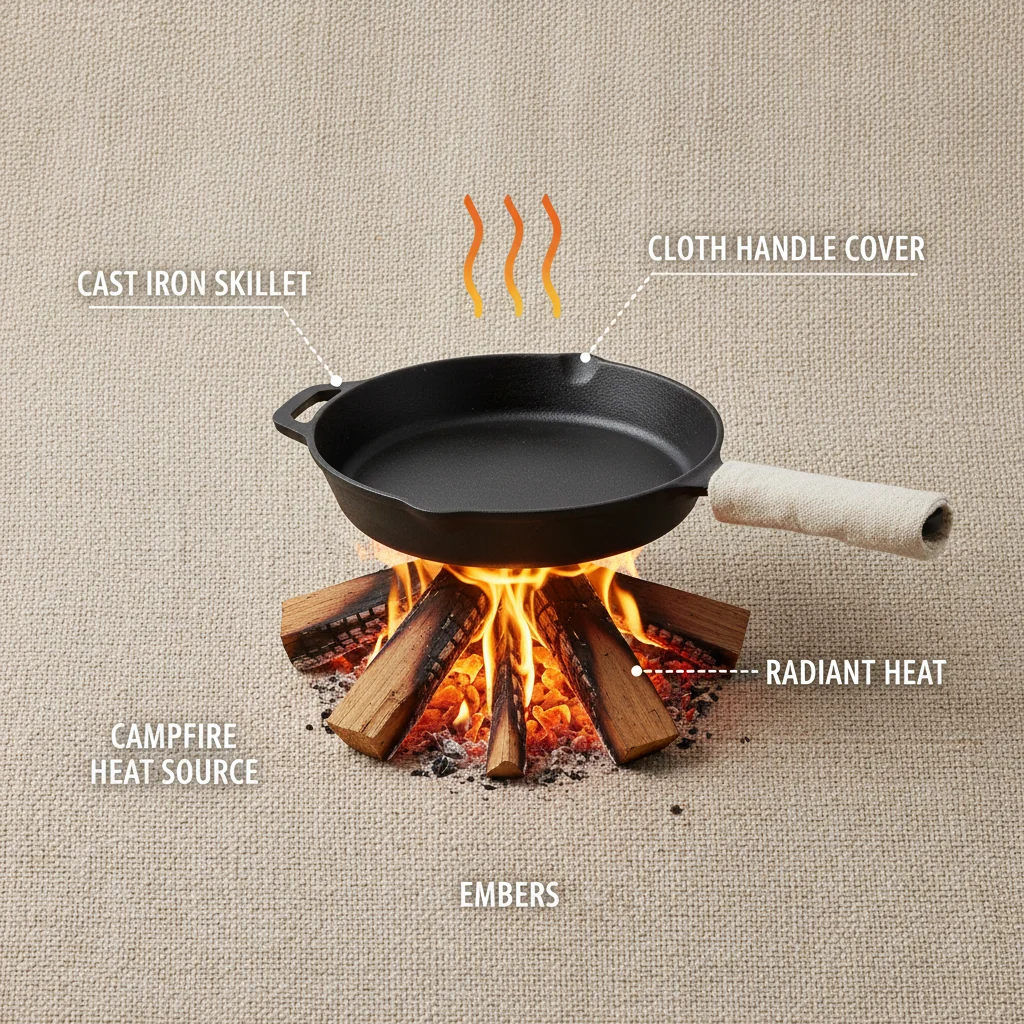
Beyond the home kitchen, these tools are indispensable in professional culinary environments. High-volume restaurants rely on the heat stability of Cast Iron Griddles to maintain consistent searing temperatures during rush hours, while outdoor cooking enthusiasts favor the ruggedness of grill pans for camping and open-fire events.
Long-Term Value and Sustainability Advantages
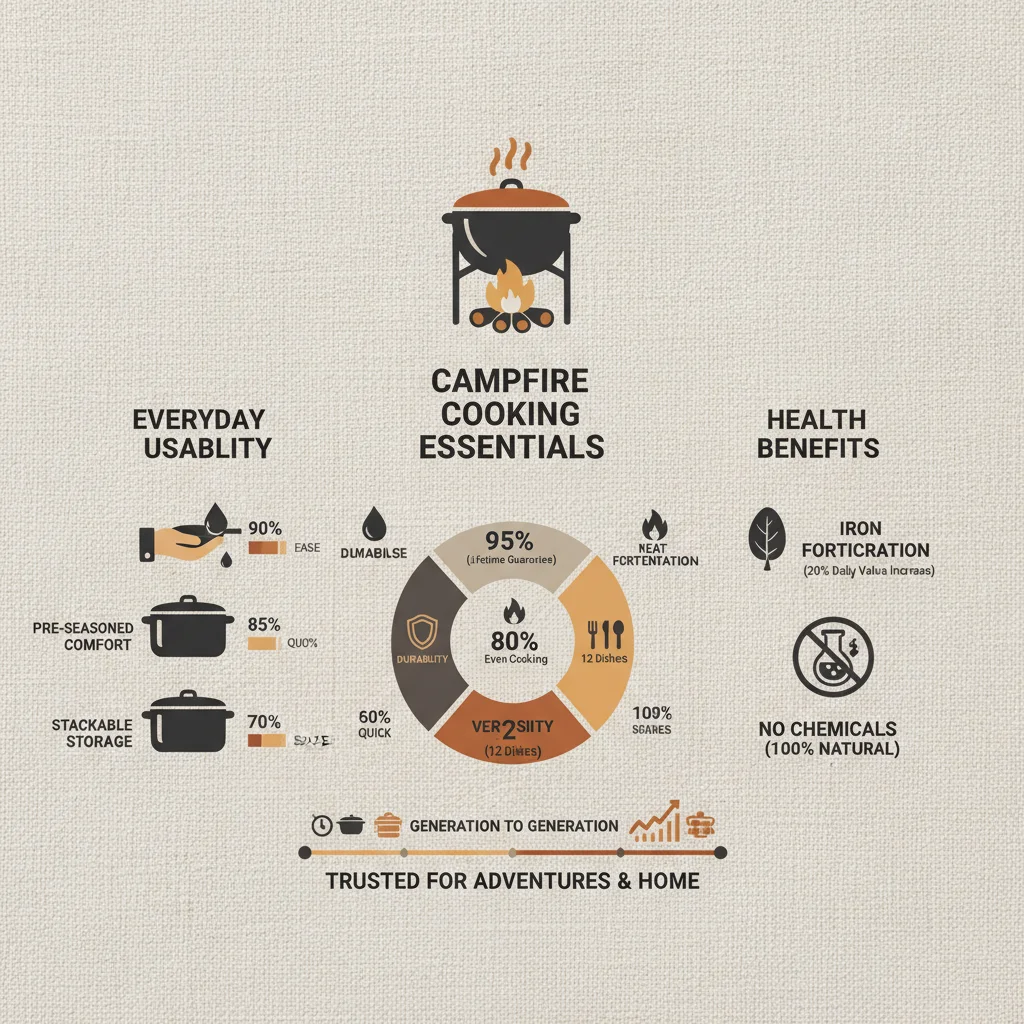
Investing in a reputable cast iron cookware manufacturer provides an emotional and logical value proposition: the concept of a "legacy product." Unlike Teflon pans that degrade over two years, a well-maintained cast iron skillet can be passed down through generations, embodying a sense of familial trust and culinary heritage.
From a sustainability angle, cast iron is nearly 100% recyclable. The energy-intensive process of initial smelting is offset by the product's lifelong utility. By reducing the cycle of consumption and disposal, the industry contributes to a circular economy, aligning with global green initiatives.
Moreover, the health benefits are tangible. Cast iron cookware can naturally fortify foods with small amounts of dietary iron, and the absence of synthetic chemical coatings ensures that no harmful fumes are released at high temperatures, offering peace of mind to health-conscious consumers.
Future Trends in Cast Iron Innovations
The future of the cast iron cookware manufacturer lies in the intersection of metallurgy and digitalization. We are seeing the rise of "Smart Casting," where AI-driven thermal simulations allow for the creation of ultra-lightweight cast iron that retains the heat properties of heavier traditional pans.
Sustainability is also driving innovation in coating technologies. New, eco-friendly enamels are being developed that are more resistant to chipping and safer for the environment, expanding the capabilities of Enameled Cast Iron Grill Pans.
Automation in the polishing stage is another key trend. By utilizing robotic arms for precision grinding, manufacturers can achieve a mirror-smooth finish on a massive scale, making the "premium" feel of artisanal cookware accessible to the general mass market.
Analysis of Production Standards and Product Categories
| Product Category |
Key Manufacturing Focus |
Durability Rating |
Market Demand |
| Cast Iron Dutch Oven |
Lid airtightness & wall thickness |
10/10 |
Very High |
| Enameled Fry Pan |
Enamel adhesion & smoothness |
8/10 |
High |
| Cast Iron Wok |
Bottom curvature & heat focus |
9/10 |
Moderate-High |
| Takoyaki Pan |
Mold precision for hemispheres |
8/10 |
Niche-High |
| Bread Loaf Pan |
Thermal radiation for crusting |
10/10 |
Moderate |
| Cast Iron Press |
Weight distribution & flatness |
10/10 |
Moderate |
FAQS
Focus on three main criteria: material certifications (ensuring lead-free and food-safe iron), the finishing process (whether they offer CNC smoothing or high-grade enamel), and their quality control records. A reputable manufacturer will provide detailed specifications on wall thickness and heat distribution tests to ensure the product doesn't warp under high heat.
It depends on the use case. Enameled cast iron is non-reactive, meaning it can cook acidic foods (like tomato sauce) without affecting the taste or stripping the seasoning. Raw cast iron, however, offers a more natural non-stick surface once seasoned and is generally more durable for high-heat searing and outdoor cooking.
Professional manufacturers use two primary methods: precision polishing (CNC machining) to remove surface pores and pre-seasoning. Pre-seasoning involves baking organic oils into the iron at high temperatures to create a polymerized layer. This ensures the cookware is ready for use and resists sticking from day one.
Yes, most established manufacturers offer OEM/ODM services. This includes creating custom molds for specific shapes—such as a unique Takoyaki pan or a branded Dutch Oven—and choosing specific enamel colors or handle designs to align with your brand's aesthetic and ergonomic requirements.
Production timelines vary based on whether new molds are required. Standard product lines can be produced in 30-45 days, while custom-molded items may take 60-90 days due to the time needed for mold design, testing, and initial casting samples.
Absolutely. Because cast iron is ferromagnetic, it is naturally compatible with induction heating. However, a high-quality manufacturer will ensure the base is perfectly flat, which is crucial for induction burners to recognize the pan and distribute heat efficiently.
Conclusion
Partnering with an expert cast iron cookware manufacturer is about more than just procurement; it is about investing in quality, sustainability, and culinary excellence. From the precise engineering of a Cast Iron Dutch Oven to the refined finish of an Enameled Fry Pan, the technical mastery behind the casting process directly impacts the end-user's cooking experience and the brand's long-term reputation.
As the global market continues to shift toward eco-friendly and durable kitchenware, the role of the manufacturer will evolve to include smarter materials and more sustainable production cycles. For brands looking to establish a foothold in the premium cookware market, focusing on the synergy between traditional durability and modern precision is the key to success. Visit our website: www.jsycastiron.com