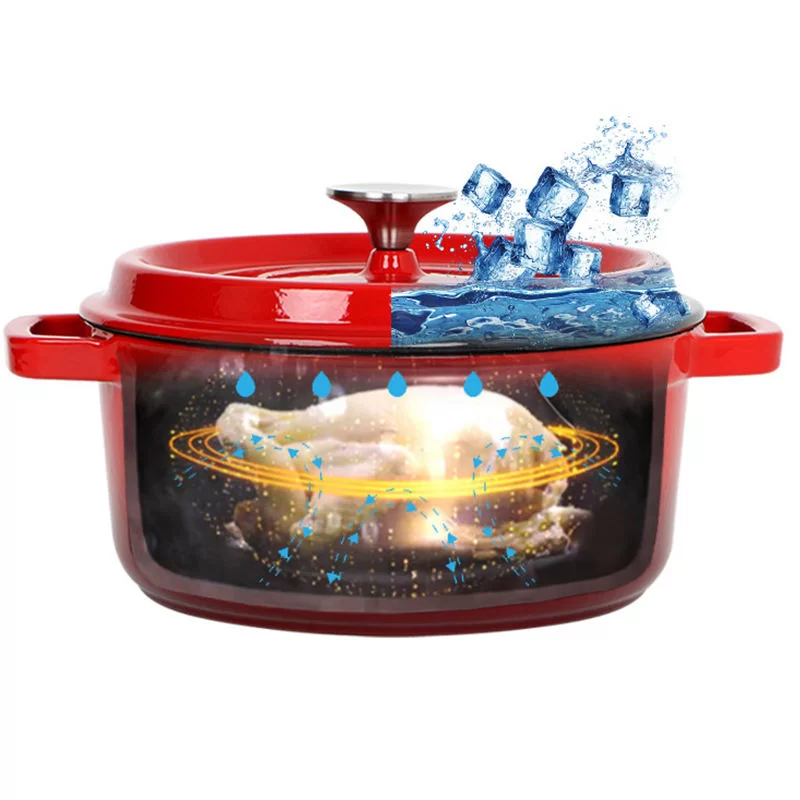
The campfire iron skillet, a seemingly simple cooking tool, holds a powerful legacy deeply interwoven with human history. From ancient civilizations gathering around open flames to modern outdoor enthusiasts embracing rustic culinary traditions, the campfire iron skillet represents more than just a means of preparing food – it embodies connection, resilience, and the primal joy of cooking over an open fire. Understanding its construction, proper use, and ongoing evolution is crucial for anyone seeking to connect with nature, enjoy authentic cooking experiences, and appreciate a piece of culinary heritage. The enduring appeal of the campfire iron skillet speaks to its adaptability and timeless quality.
Globally, the use of iron cookware dates back millennia, with archaeological evidence suggesting its widespread adoption across numerous cultures. While modern kitchen technology has proliferated, the demand for campfire iron skillets remains remarkably consistent. According to surveys conducted by outdoor recreation associations, over 60% of campers regularly utilize cast iron cookware for its durability and heat retention capabilities. This suggests a sustained cultural appreciation for traditional cooking methods, even in an age of convenience. However, challenges related to proper seasoning and maintenance sometimes deter newcomers, presenting opportunities for improved educational resources and product development.
The growing popularity of glamping and "off-grid" living further fuels the demand for reliable and versatile outdoor cooking equipment, solidifying the campfire iron skillet's relevance in the 21st century.
The Essence of the Campfire Iron Skillet
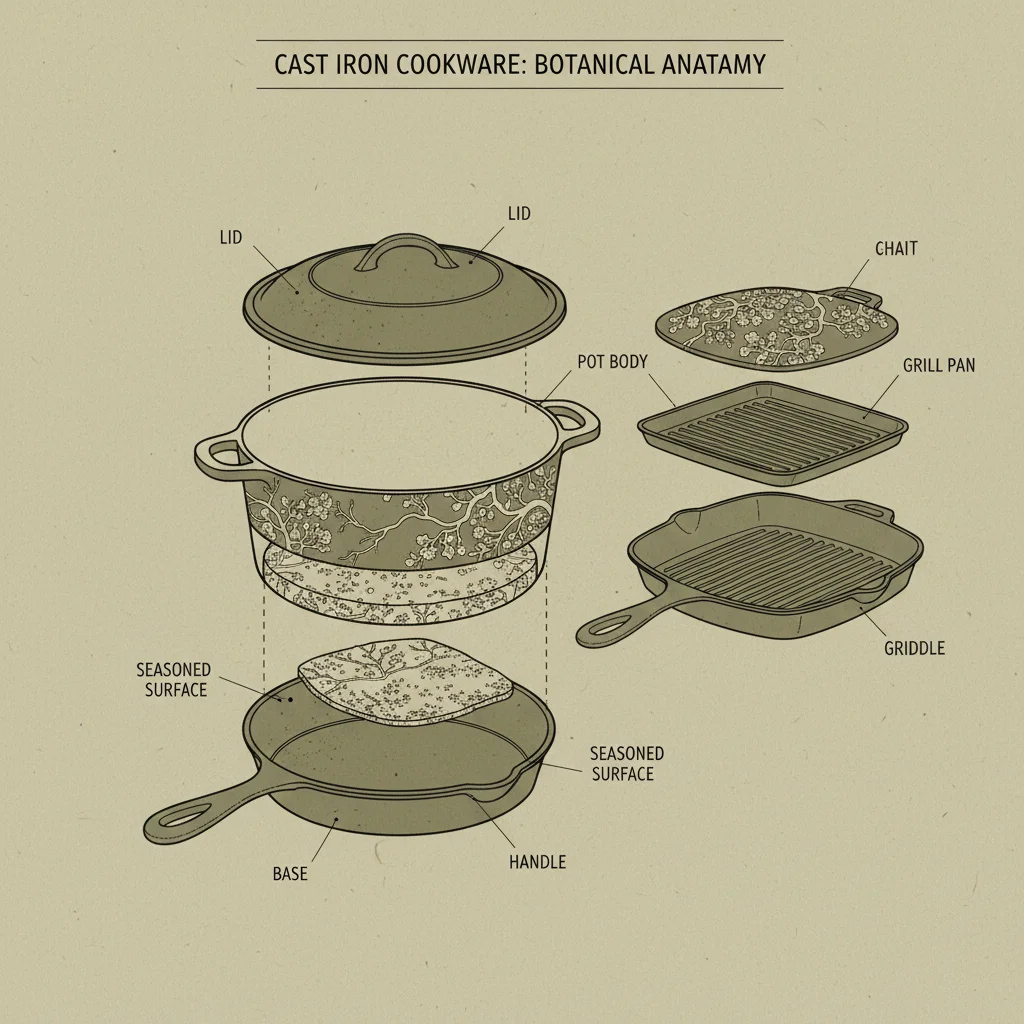
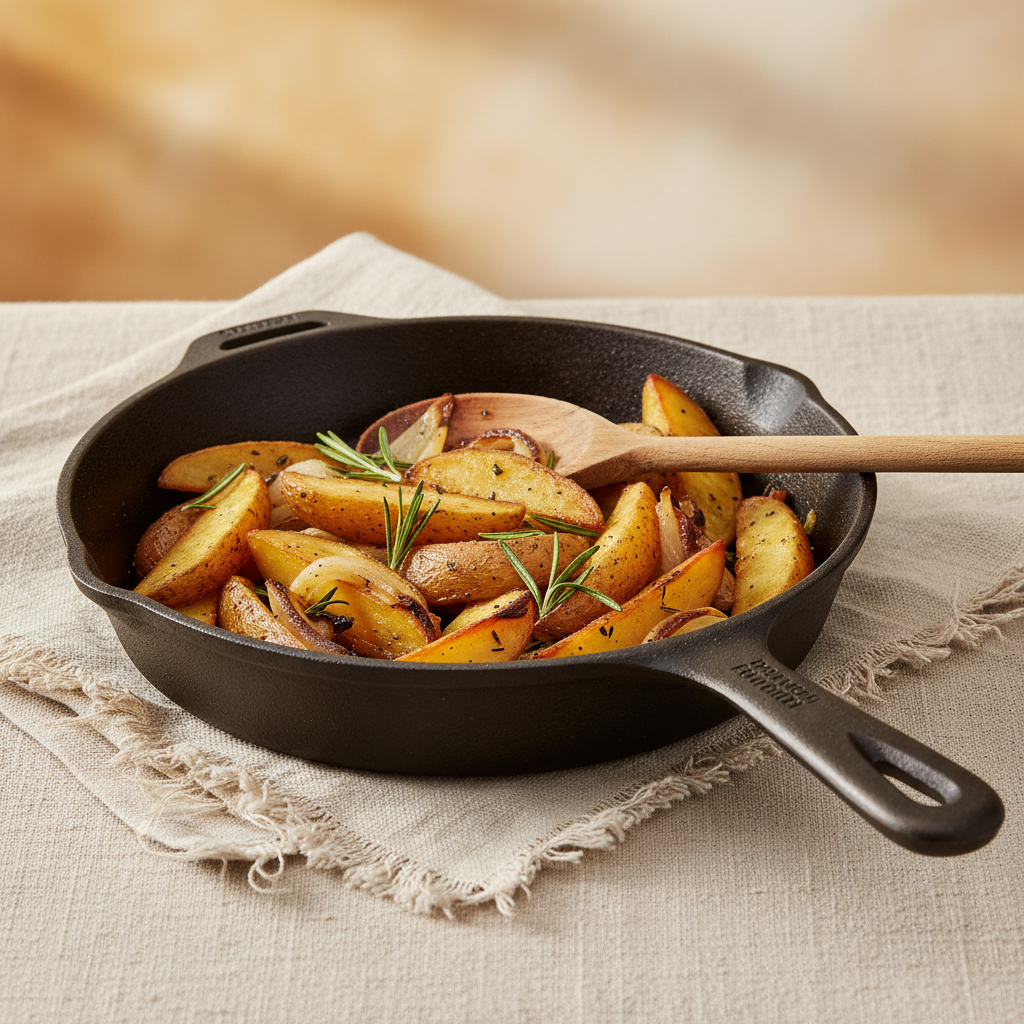
At its heart, a campfire iron skillet is a vessel designed to withstand the rigors of open-flame cooking. It's typically constructed from cast iron – an alloy of iron, carbon, and silicon – renowned for its exceptional heat retention and even heating properties. This allows for searing, frying, baking, and even slow-cooking directly over embers or on a grill grate, offering a versatility unmatched by many modern cookware options. A well-seasoned campfire iron skillet develops a naturally non-stick surface with each use, further enhancing its functionality.
The simplicity of the design is deceptive. Beyond the basic pan shape, variations exist in handle length, skillet depth, and the presence of features like pour spouts or helper handles, catering to different cooking preferences and needs. But the core principle remains consistent: a durable, heat-responsive cooking surface designed for use in outdoor settings.
Historical Significance and Global Relevance
The story of iron cookware is intricately linked to the development of human civilization. From ancient China's early iron casting techniques to the widespread adoption of cast iron pots and pans in medieval Europe, iron has long been the material of choice for cooking due to its affordability and durability. The campfire iron skillet, as a more portable and versatile iteration, gained prominence with the expansion of exploration and settlement, becoming a staple for pioneers, cowboys, and adventurers across the globe.
Today, its historical roots contribute to a growing trend of "heritage cooking" – a movement that emphasizes traditional methods and ingredients. This resonates particularly strongly in cultures that value connection to the past and a slower, more mindful approach to food preparation. Furthermore, the iron skillet's robustness makes it ideal for regions with limited access to modern infrastructure, such as remote communities or areas impacted by natural disasters.
The United Nations Sustainable Development Goals (SDGs), particularly Goal 2 (Zero Hunger) and Goal 8 (Decent Work and Economic Growth), are indirectly supported by tools like the campfire iron skillet. By enabling more efficient and accessible food preparation, particularly in vulnerable communities, it contributes to food security and economic empowerment.
Defining the Campfire Iron Skillet
Simply put, a campfire iron skillet is a cooking pan made primarily of cast iron, specifically designed for use over an open flame or other high-heat sources like charcoal or wood stoves. Unlike thinner, more modern cookware, cast iron excels at retaining and distributing heat evenly, which is essential for successful campfire cooking. This heat retention prevents hot spots and ensures consistent cooking, even with fluctuating flame temperatures.
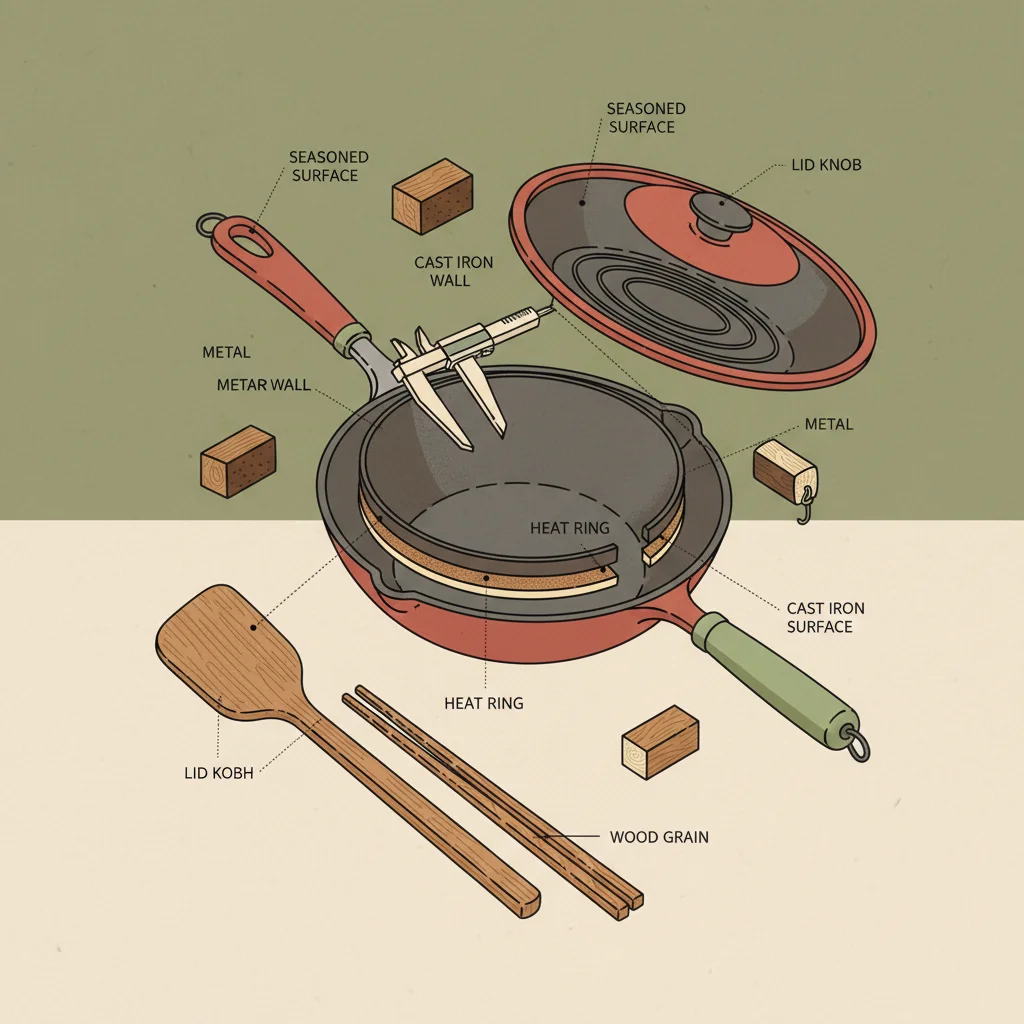
Distinguishing features include its typically thick walls and base, providing both durability and thermal mass. The 'seasoning' process – repeatedly coating the iron with oil and baking it – creates a naturally non-stick surface, minimizing food adhesion and making cleanup easier. A well-seasoned skillet isn't just easier to cook with; it's also protected from rust and corrosion.
It's important to note the distinction between standard cast iron skillets intended for stovetop use and those specifically designed for campfire cooking. Campfire skillets often feature longer handles for safer manipulation over a fire, and may be pre-seasoned to provide immediate usability. The campfire iron skillet, represents a blend of practicality and culinary tradition.
Core Attributes of a Superior Skillet
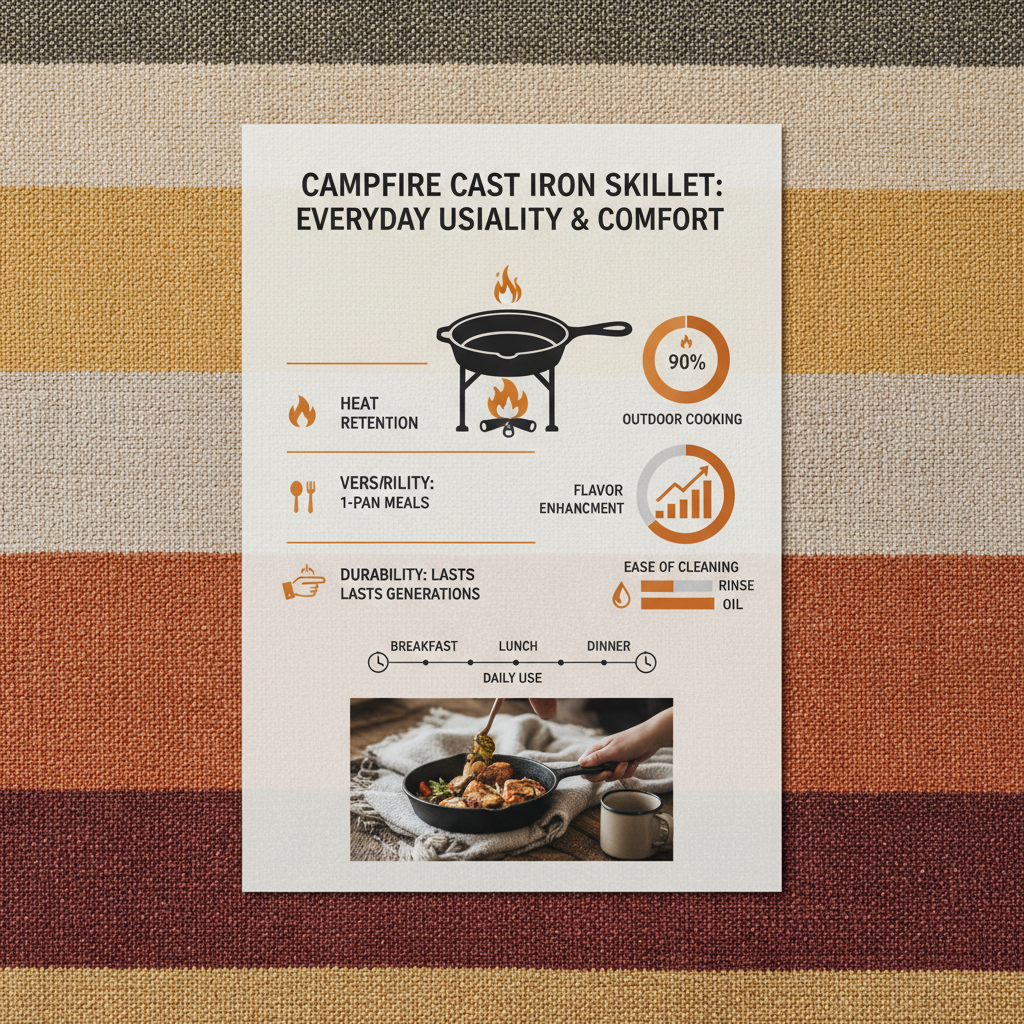
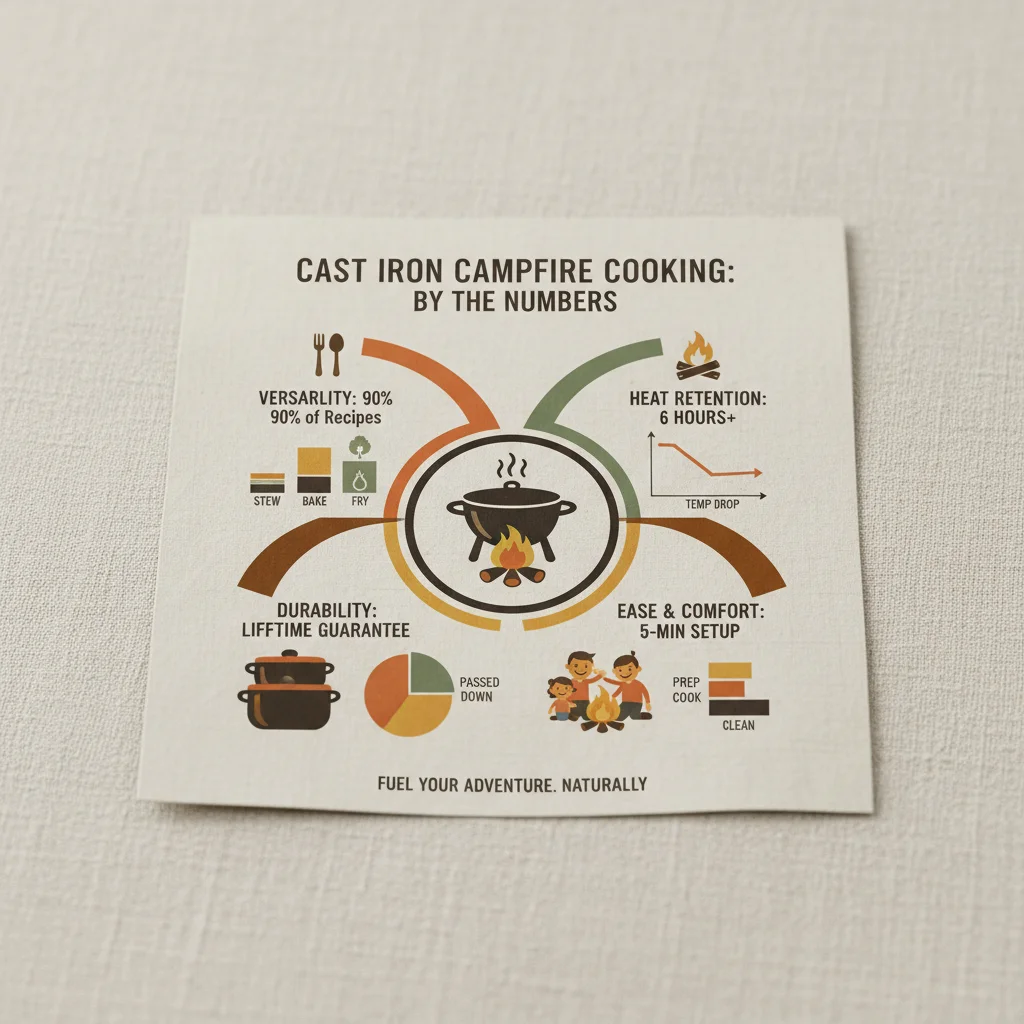
Several key factors determine the quality and performance of a campfire iron skillet. First and foremost is Durability: a quality skillet should be able to withstand repeated exposure to high heat, impacts, and the elements without cracking or warping. Secondly, Heat Retention & Distribution are crucial – the skillet should evenly distribute heat and maintain a consistent temperature for optimal cooking results.
Seasoning Quality is paramount; a well-seasoned skillet is naturally non-stick and resistant to rust. The thickness and smoothness of the seasoning layer directly impacts cooking performance. Handle Design is also vital for safe and comfortable use. A long, robust handle minimizes the risk of burns and provides a secure grip.
Campfire Iron Skillet Performance Metrics
Applications in Diverse Environments
The campfire iron skillet finds application in a wide range of settings, from recreational camping and backpacking to professional culinary pursuits. In remote wilderness areas, it serves as a reliable cooking tool for preparing meals with limited resources. For hunters and anglers, it’s ideal for cooking freshly caught game or fish directly at the campsite.
In post-disaster relief operations, the durability and versatility of the campfire iron skillet make it invaluable for providing hot meals to affected communities. It requires minimal fuel and can be used with readily available materials like wood or charcoal. Furthermore, its robustness ensures it can withstand the harsh conditions often encountered during emergency response.
The Enduring Value Proposition
The tangible benefits of owning a campfire iron skillet are numerous. Its exceptional durability translates to a long lifespan – with proper care, a single skillet can last for generations. The inherent sustainability of cast iron, a recyclable material, aligns with growing environmental consciousness. Cost-effectively, a quality skillet represents a one-time investment, eliminating the need for frequent replacements.
Beyond these practical advantages lies an emotional connection. The act of cooking over an open flame with a cast iron skillet evokes a sense of tradition, simplicity, and connection to nature. This appeals to a desire for authenticity and a rejection of the disposable culture. The trust placed in its reliability and consistent performance further enhances its value.
Future Trends and Technological Advancements
While the fundamental design of the campfire iron skillet remains largely unchanged, ongoing innovations are enhancing its usability and performance. Developments in pre-seasoning techniques are creating skillets that are ready to use straight out of the box, reducing the initial learning curve for new users. Lightweight cast iron alloys are emerging, offering the benefits of cast iron with reduced weight for backpacking and portability.
Integration with smart technologies, such as temperature sensors embedded in the skillet, could provide real-time feedback to users, optimizing cooking results. Moreover, advancements in sustainable manufacturing processes are minimizing the environmental impact of cast iron production.
The ongoing push for eco-friendly materials and responsible sourcing practices will likely drive further innovation in the campfire iron skillet industry, aligning it with broader sustainability trends.
Core Aspects of Campfire Iron Skillet Maintenance
| Cleaning Method |
Seasoning Frequency |
Rust Prevention |
Storage Best Practices |
| Warm water & scraper, avoid harsh detergents |
After each use, or when seasoning appears thin |
Dry thoroughly, light oil coating |
Dry location, prevent moisture buildup |
| Chainmail scrubber for stubborn residue |
Every 3-6 months for regular use |
Avoid prolonged soaking in water |
Place paper towel between skillets if stacked |
| Avoid dishwasher use |
If rust appears, strip & re-season |
Use a rust inhibitor spray occasionally |
Store with handle exposed for air circulation |
| Salt scrub for deep cleaning |
After stripping & re-seasoning |
Maintain a thin coat of oil at all times |
Avoid storing near corrosive materials |
| Never use abrasive cleaners |
Adjust frequency based on usage intensity |
Inspect regularly for signs of rust |
Consider a dedicated skillet bag for protection |
| Proper drying is critical |
Use high-smoke point oils for seasoning |
Address rust immediately to prevent spread |
A well-maintained skillet is a lifelong companion |
FAQS
Seasoning a new campfire iron skillet involves applying a thin, even coat of high-smoke-point oil (like flaxseed, canola, or vegetable oil) and baking it in the oven at around 400-450°F for an hour. Repeat this process 3-4 times to build up a durable, non-stick surface. This creates a protective layer that prevents rust and enhances cooking performance. Avoid using too much oil, as it can lead to a sticky residue. A properly seasoned skillet will become darker and smoother with each use.
Rust is the enemy of cast iron, but it's easily preventable. Always ensure your skillet is completely dry after washing. A light coating of oil after drying will create a barrier against moisture. Store your skillet in a dry place and avoid stacking it directly with other items, as this can trap moisture. If rust does appear, scrub it off with steel wool and re-season the skillet immediately.
While it was once a strict taboo, modern dish soaps are generally safe to use on a well-seasoned campfire iron skillet. However, avoid harsh detergents or abrasive cleaners. Use a gentle soap and warm water, and rinse thoroughly. The key is to dry the skillet immediately and re-oil it to maintain the seasoning. Excessive soap use can strip the seasoning over time, so moderation is key.
For stuck-on food, start by simmering water in the skillet for a few minutes to loosen the debris. Then, use a plastic scraper or chainmail scrubber to gently remove the residue. Avoid using metal utensils that could damage the seasoning. A salt scrub (coarse salt mixed with oil) can also be effective for stubborn messes. Avoid drastic temperature changes, as this can cause the skillet to crack.
Acidic foods can potentially strip the seasoning from a cast iron skillet, but it's not a major concern with a well-seasoned skillet. Short cooking times with acidic ingredients are usually fine. Avoid prolonged simmering of highly acidic foods, as this can lead to a metallic taste and damage the seasoning. If you do cook acidic foods, re-season the skillet afterward to maintain its protective layer.
Signs your skillet needs re-seasoning include dull or patchy areas, rust spots, or food sticking excessively. If water no longer beads up on the surface, it's a good indication the seasoning is compromised. Re-seasoning is a simple process of applying oil and baking, and it will restore the skillet's non-stick properties and protect it from corrosion. Regular maintenance prevents major seasoning issues.
Conclusion
The campfire iron skillet represents far more than just a cooking utensil; it's a testament to human ingenuity, a link to our ancestral past, and a symbol of outdoor adventure. Its durability, versatility, and ability to impart a unique flavor to food have cemented its place in culinary traditions worldwide. From simple campsite meals to elaborate backcountry feasts, the campfire iron skillet continues to inspire culinary creativity and foster a connection with nature.
As we move towards a more sustainable and mindful way of living, the enduring appeal of this timeless tool will undoubtedly continue to grow. Embracing proper maintenance practices and exploring innovative materials and designs will ensure that future generations can enjoy the benefits of this remarkable piece of cookware. Visit our website at www.jsycastiron.com to explore our selection and learn more about the art of campfire cooking.