The culinary world has long revered the unique heat distribution and durability of traditional cookware, but few tools capture the essence of high-heat searing and ancestral wisdom like the chinese cast iron pan. From the bustling street markets of Guangzhou to the high-end kitchens of New York, these versatile vessels have transitioned from regional staples to global essentials for chefs who demand precision and longevity.
Understanding the nuances of a chinese cast iron pan involves more than just recognizing its material; it is about appreciating a design optimized for "Wok Hei" or the "breath of the wok." By combining the thermal mass of heavy iron with a specific geometry, these pans solve the common problem of temperature drops when adding cold ingredients, ensuring a perfect sear every time.
In an era of disposable non-stick coatings and planned obsolescence, investing in a high-quality chinese cast iron pan represents a shift toward sustainable, lifelong kitchenware. Whether you are stir-frying, deep-frying, or slow-braising, the inherent properties of cast iron provide a chemical-free, natural non-stick surface that only improves with age and use.
The Heritage and Evolution of the Chinese Cast Iron Pan
The history of the chinese cast iron pan is intertwined with the industrial breakthroughs of ancient China, where the mastery of high-temperature furnaces allowed for the creation of durable metalware centuries before the West. These pans were designed to withstand the intense heat of wood-fired stoves, creating a tool that could handle everything from rapid stir-frying to long-simmering stews.
Over time, the design evolved from heavy, rudimentary pots into the refined, ergonomically balanced shapes we see today. This evolution reflects a deep understanding of thermodynamics; the sloping sides of the pan allow for the constant movement of food, preventing burning while ensuring that every morsel is kissed by the high heat of the base.
Technical Specifications and Material Superiority
At its core, a chinese cast iron pan is crafted from molten iron poured into sand molds, resulting in a dense molecular structure. This density is what grants the pan its legendary heat retention; once the iron reaches the desired temperature, it acts as a thermal reservoir, minimizing the temperature dip that typically occurs when frozen or chilled proteins are added.
Compared to carbon steel or aluminum, the thickness of the cast iron wall provides a more uniform heat distribution across the cooking surface, reducing the risk of "hot spots" that can char food unevenly. This makes the pan exceptionally reliable for techniques like searing, where a consistent, high-temperature surface is critical for the Maillard reaction.
Furthermore, the purity of the iron used in high-end manufacturing ensures that the pan is free from harmful toxins. When properly seasoned, the iron reacts with fats to create a polymerized layer, which not only provides a natural non-stick capability but also adds a trace amount of dietary iron to the food, promoting nutritional wellness.
Mastering the Art of Seasoning and Maintenance
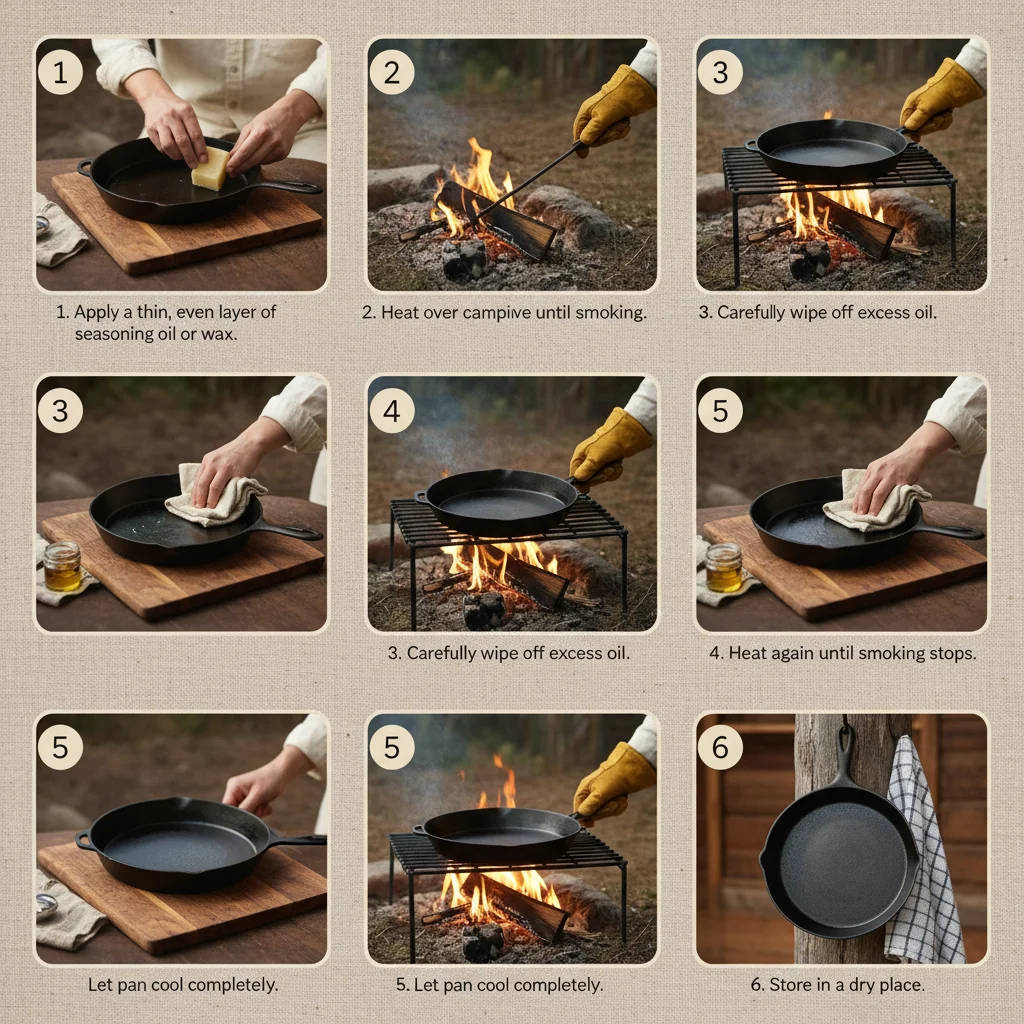
The secret to the longevity of a chinese cast iron pan lies in the process of seasoning. Seasoning is not merely adding oil; it is a chemical process where fats are heated to their smoke point, bonding to the iron to create a hard, protective plastic-like film.
For a professional-grade chinese cast iron pan, we recommend using a high-smoke-point oil like grapeseed or peanut oil. Applying a thin layer and baking it in the oven ensures an even coat that prevents rust and enhances the release of delicate ingredients.
Maintenance is surprisingly simple: avoid harsh soaps that strip the seasoning and instead use hot water and a brush. By drying the chinese cast iron pan immediately over a flame and applying a light coat of oil after every use, the pan becomes a family heirloom that lasts for generations.
Performance Metrics in Modern Culinary Environments
In the modern kitchen, the efficiency of a chinese cast iron pan is measured by its ability to adapt to various heat sources, from traditional gas burners to induction cooktops. The heavy base ensures maximum surface contact, optimizing energy transfer and reducing cooking times for high-volume meal preparation.
When compared to modern Teflon-coated pans, the cast iron alternative outperforms in thermal stability, as it does not release toxic fumes at high temperatures. This makes it the only safe choice for "smoking" the pan to achieve that authentic restaurant-style char.
Comparative Performance of Chinese Cast Iron Pan Variants
Global Applications and Diverse Cooking Styles
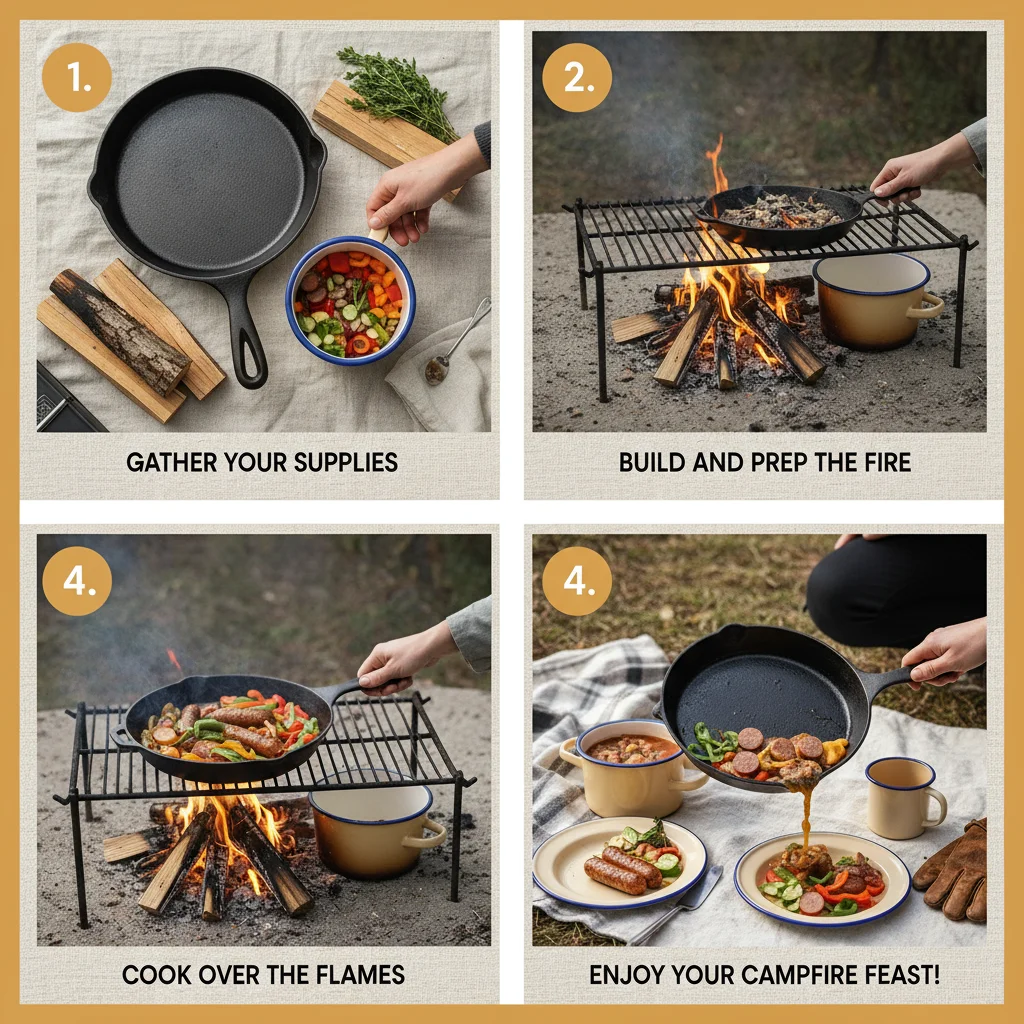
While designed for Asian cuisine, the chinese cast iron pan has found a home in diverse global kitchens. In Western gastronomy, it is frequently used for roasting root vegetables or searing steaks, where its ability to hold heat mimics the performance of a professional grill.
From the rustic kitchens of Southern Europe to the high-pressure environments of commercial catering, the versatility of the pan allows it to transition from the stovetop to the oven seamlessly. This multi-functionality reduces the need for multiple specialized tools, streamlining the cooking process for home cooks and professionals alike.
Economic and Environmental Value of Cast Iron
From an economic perspective, the chinese cast iron pan is one of the most cost-effective investments a consumer can make. Unlike non-stick pans that must be replaced every 2-3 years due to coating degradation, a cast iron pan is virtually indestructible, providing a lifetime of service for a single initial purchase.
Environmentally, the shift toward cast iron reduces the amount of PTFE and PFOA chemicals entering the waste stream. Since iron is a naturally occurring element and is 100% recyclable, these pans align perfectly with the global movement toward zero-waste living and sustainable consumption.
Furthermore, the durability of the pan ensures that it doesn't end up in a landfill. This "buy it once" philosophy promotes a culture of quality over quantity, encouraging users to care for and maintain their tools rather than treating them as disposable commodities.
Future Innovations in Cast Iron Manufacturing
The future of the chinese cast iron pan is being shaped by advancements in metallurgical engineering. New casting techniques are allowing for "lightweight" cast iron—reducing the overall weight of the pan without compromising its heat retention or structural integrity, making it more accessible for elderly users or those with limited wrist strength.
Digital transformation is also playing a role, with precision CNC machining being used to create perfectly flat bases for induction cooktops, ensuring 100% energy efficiency. We are also seeing a rise in "hybrid" coatings that combine the durability of iron with eco-friendly ceramic layers for those who prefer a smoother starting point.
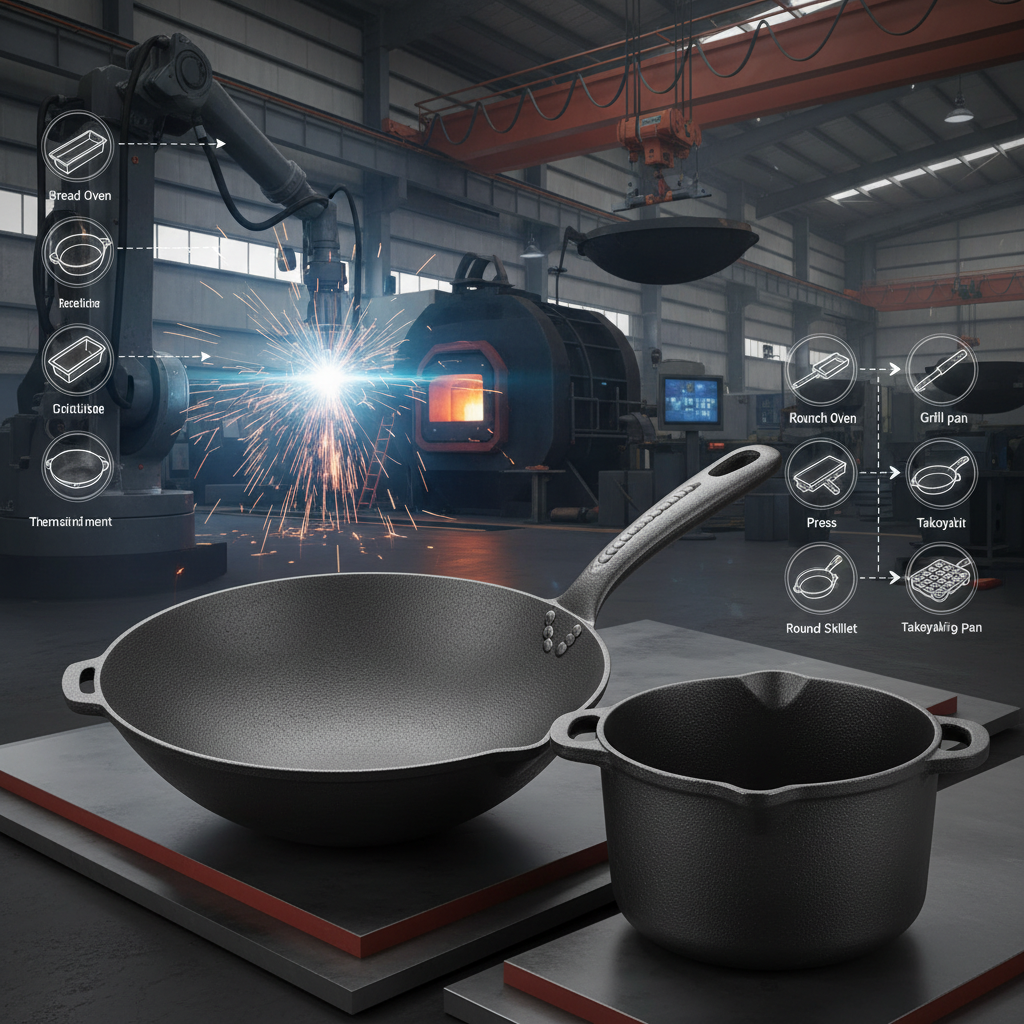
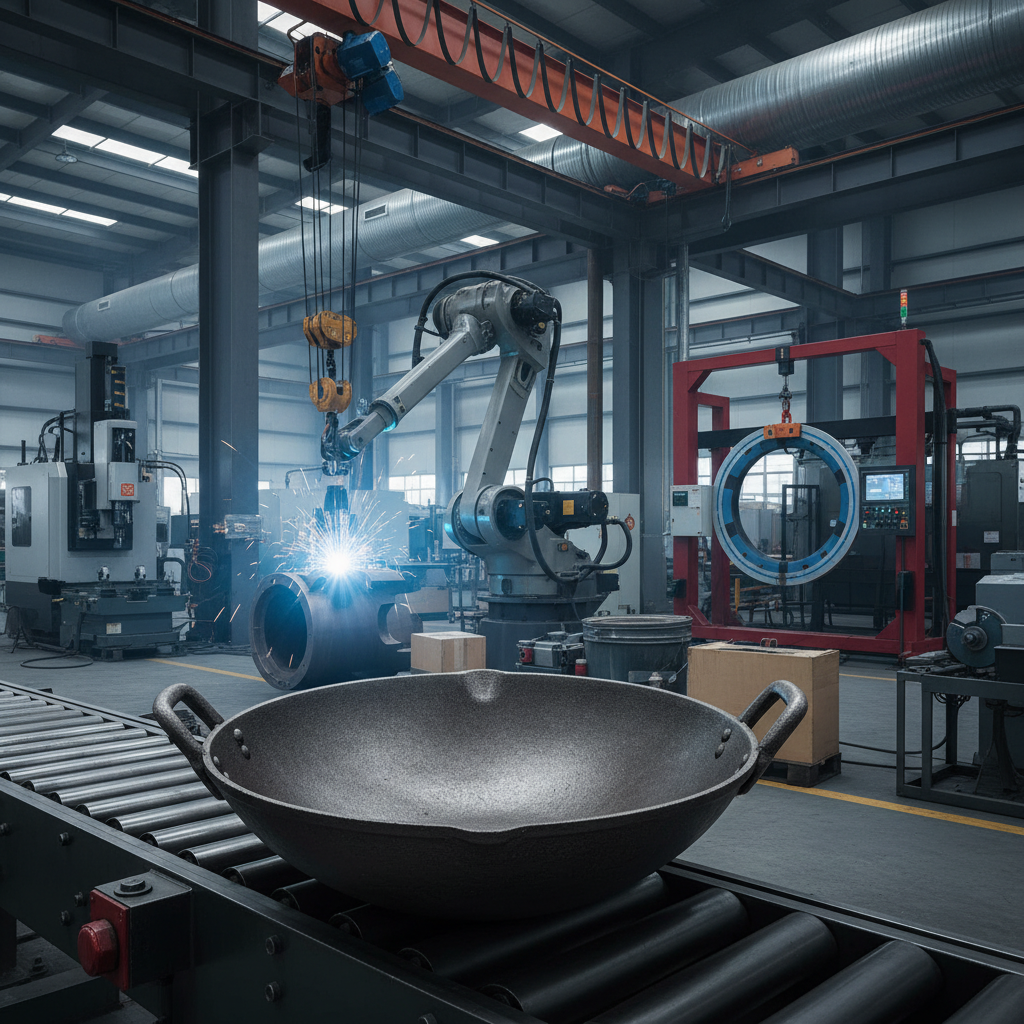
Sustainability in the factory is also a priority, with many manufacturers switching to induction furnaces powered by green energy to melt the iron. This ensures that the product is not only sustainable in the kitchen but also in its origin.
Analysis of Chinese Cast Iron Pan Material and Performance Metrics
| Material Grade |
Thermal Conductivity |
Durability Score (1-10) |
Maintenance Level |
| Traditional Grey Iron |
Medium-High |
10 |
Moderate |
| Pre-seasoned Iron |
Medium-High |
9 |
Low |
| Enamel Coated Iron |
Medium |
8 |
Very Low |
| Precision Cast Iron |
High |
10 |
Moderate |
| Lightweight Alloy |
High |
7 |
Low |
| Industrial Grade Iron |
Extreme |
10 |
High |
FAQS
A properly seasoned pan will have a smooth, slightly glossy black finish. When you drop a bead of water on the hot surface, it should dance or glide across the pan rather than soaking in or sticking. If the surface looks dull or grey, it may need another layer of oil and heat treatment.
Yes, cast iron is naturally ferromagnetic, making it excellent for induction. However, ensure your pan has a flat bottom. Some traditional rounded woks may require an induction interface disk or a specific flat-bottomed cast iron model to ensure efficient heat transfer.
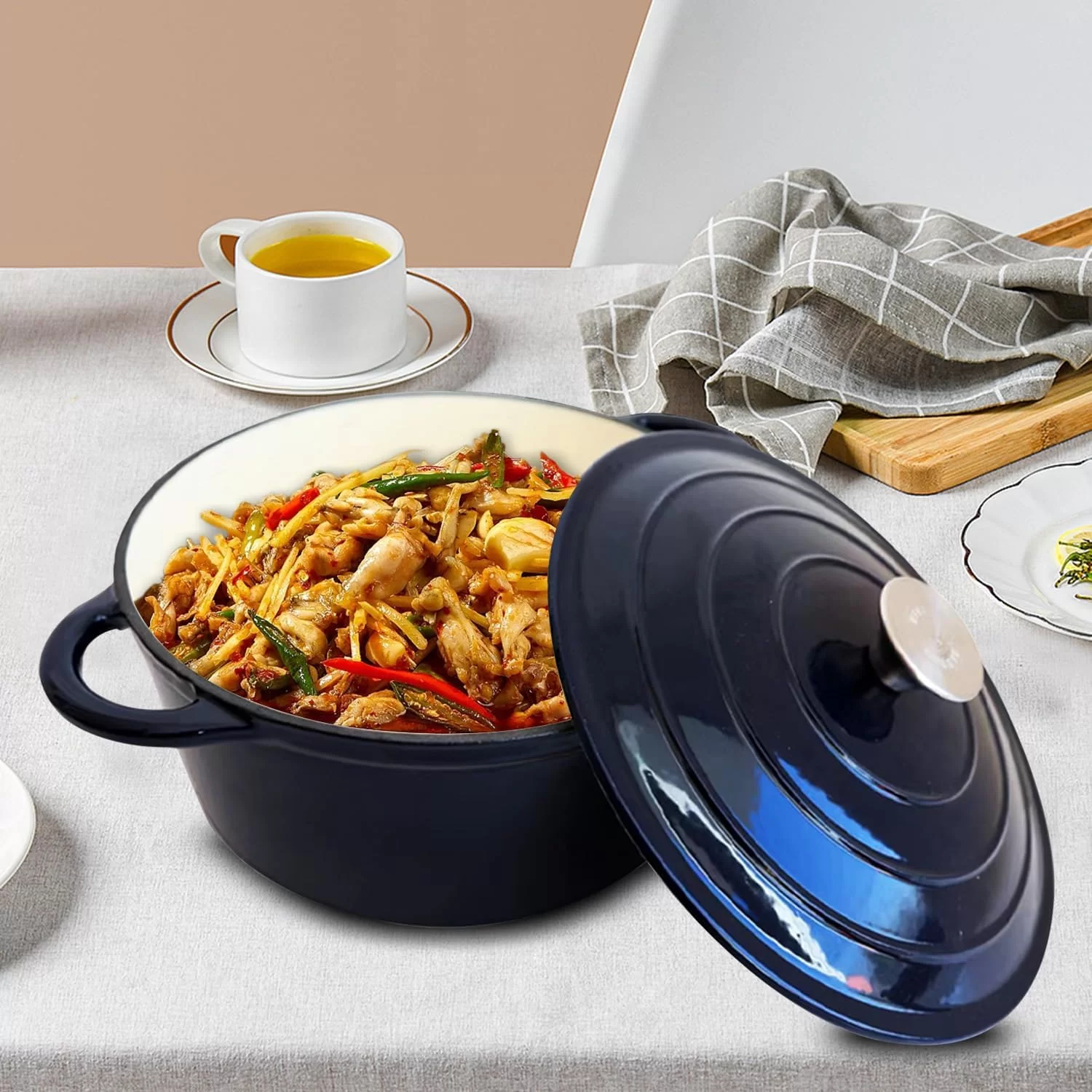
For well-seasoned pans, short-term cooking of acidic foods is generally fine. However, long-term simmering of highly acidic sauces can strip the seasoning and potentially impart a metallic taste to the food. For slow-cooking tomatoes, an enameled cast iron pan is a better alternative.
Sticking usually occurs for two reasons: the pan isn't hot enough before adding oil, or the food is being moved too early. Wait for the pan to reach the "leidenfrost" point, add your fat, and let the proteins sear and naturally release from the surface before flipping.
Don't panic—rust is just surface oxidation. Use a steel wool scrubber or a coarse salt paste to scrub away the rust spots. Once the raw iron is exposed, immediately wash, dry thoroughly, and perform a full re-seasoning process in the oven to seal the metal again.
Modern dish soaps are much milder than those of the past and won't instantly destroy a polymerized seasoning layer. However, avoid using the dishwasher at all costs, as the harsh chemicals and long moisture exposure will strip the seasoning and cause rapid rusting.
Conclusion
The chinese cast iron pan stands as a testament to the perfect marriage of ancient engineering and modern culinary needs. By providing unmatched heat retention, lifelong durability, and a sustainable alternative to chemical coatings, it remains an indispensable tool for anyone serious about the art of cooking. From the technical superiority of its material to the emotional satisfaction of owning a tool that improves with every meal, the value of cast iron extends far beyond the kitchen.
As we move toward a future of conscious consumption, returning to these foundational tools is not a step backward, but a leap toward quality and health. Whether you are a professional chef or a home enthusiast, embracing the rituals of seasoning and care associated with cast iron will elevate your cooking and your connection to your food. To explore our professional range of cookware, visit our website: www.jsycastiron.com