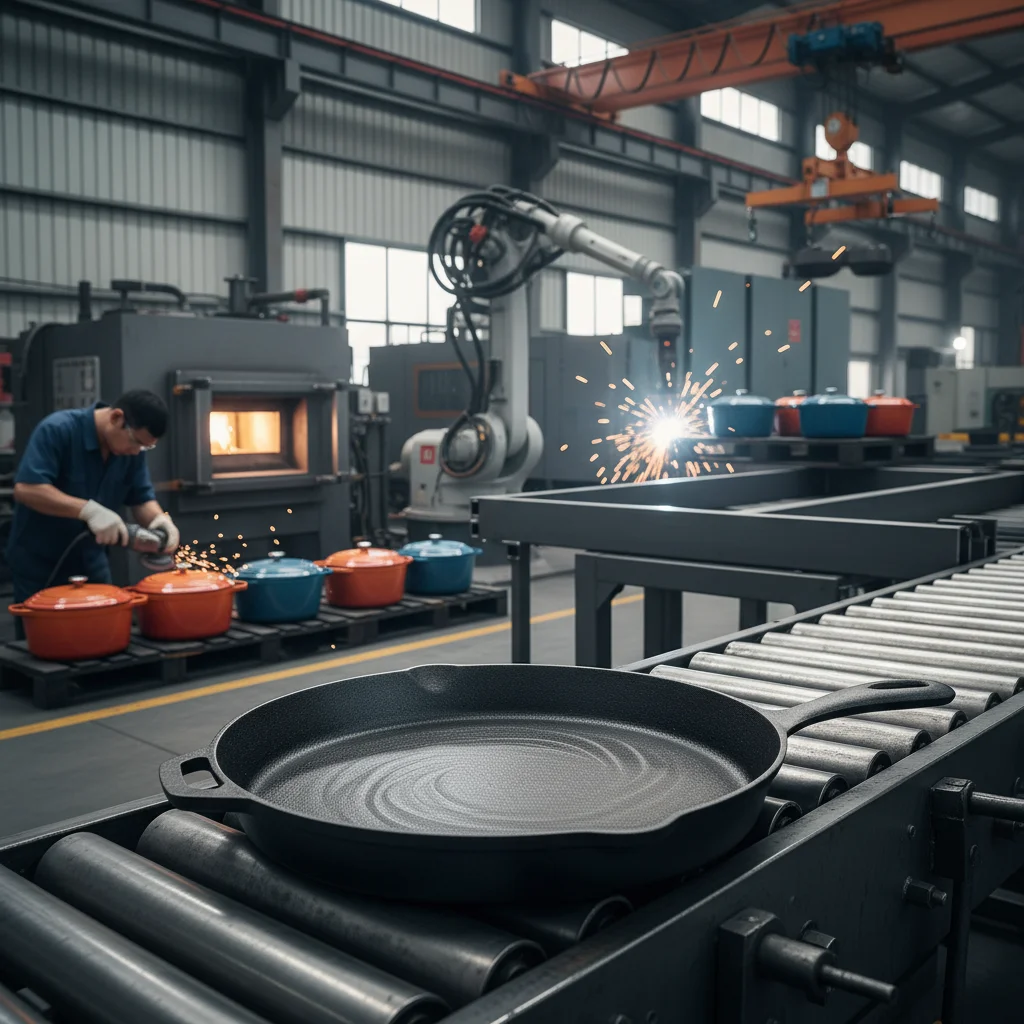
The quest for the perfect crust and a moist, tender interior has led many culinary enthusiasts to rediscover the timeless reliability of heavy-duty cookware. Among the most sought-after tools for artisanal baking is the cast iron loaf tin, a vessel that leverages superior thermal mass to ensure an even bake. Unlike thin aluminum trays, these robust tools provide the consistent heat necessary for professional-grade results in a home kitchen.
Globally, there is a significant shift toward sustainable, heirloom-quality kitchenware that minimizes waste and maximizes performance. The industry is seeing a resurgence in high-density cast iron products because they address the common challenge of uneven heat distribution, which often leads to burnt bottoms or undercooked centers in traditional baking pans.
Investing in a cast iron loaf tin ensures that your baking is supported by professional-grade materials designed for longevity. By understanding the physics of heat retention and the benefits of food-grade coatings, bakers can elevate their craft from simple home cooking to gourmet artistry.

The Engineering Behind the Cast Iron Loaf Tin
The effectiveness of a cast iron loaf tin lies in its high-density core, which allows for exceptional thermal mass. This means that once the vessel reaches the target temperature, it maintains that heat far more efficiently than lighter materials, preventing the temperature drops that occur when the oven door is opened.
Precision casting ensures that the walls are of uniform thickness, which is critical for avoiding "hot spots." When paired with a food-grade enamel finish, the metal's natural heat-conducting properties are harnessed without the risk of metallic taste or reactivity with acidic ingredients.
Defining the Modern Cast Iron Loaf Tin
In simple terms, a cast iron loaf tin is a heavy-duty baking vessel designed specifically for breads, cakes, and savory loaves. Unlike traditional thin-walled pans, it is crafted from molten iron poured into a mold, resulting in a dense structure that radiates heat evenly from all sides.
In the context of modern industry, these tools represent a fusion of ancient metallurgical techniques and contemporary safety standards. The integration of triple-layer enamel coatings ensures that the cookware is non-reactive and easy to clean, meeting the strict hygiene requirements of today's professional and home kitchens.
Beyond mere utility, this type of bakeware addresses the humanitarian need for sustainable consumption. By moving away from disposable, Teflon-coated aluminum pans that degrade over time, users invest in a tool that can literally last for generations, reducing the global environmental footprint of kitchen waste.
Core Components for Thermal Excellence
The primary driver of performance in a cast iron loaf tin is the core material density. High-purity cast iron ensures that heat is not just conducted, but stored, creating a stable baking environment that promotes a superior "oven spring" in sourdough and yeast breads.
Another critical component is the enamel coating. A high-quality cast iron loaf tin often features a multi-layer enamel system—typically a vivid exterior for aesthetics and a cream-colored interior for easy monitoring of the browning process. This coating eliminates the need for constant seasoning.
Finally, the structural geometry plays a vital role. The precision of the 4mm wall thickness ensures that the heat flow is circular and consistent, allowing the crust to caramelize uniformly while the center remains moist and airy, regardless of the oven's internal air currents.
Performance Metrics of Heavy-Duty Bakeware
To understand why professional bakers prefer the cast iron loaf tin over aluminum alternatives, we must look at the data regarding heat retention and durability. Cast iron excels in maintaining a steady temperature, which is the most critical factor for achieving a professional crust.
When comparing different materials, the thermal mass of cast iron allows for a more aggressive heat transfer to the dough, resulting in a faster rise and a more defined structure. This efficiency reduces the likelihood of the bread collapsing during the cooling phase.
Baking Performance Comparison: Cast Iron vs Alternatives
Global Applications in Gourmet Baking
The application of the cast iron loaf tin extends far beyond the average household. In professional European boulangeries, these vessels are used to replicate the environment of a stone oven, providing the necessary moisture retention and heat intensity to produce traditional sourdough loaves with a thick, crackling crust.
Moreover, in emerging culinary hubs across Asia and North America, there is a growing trend of using enameled cast iron for a variety of "loaf-style" dishes, including savory meatloaves and dense fruitcakes. The versatility of the material allows it to transition from the oven to the tabletop, serving as both a cooking tool and a professional presentation piece.
Long-Term Value and Sustainability
From a financial perspective, the cast iron loaf tin offers an unmatched return on investment. While the initial cost is higher than a disposable aluminum tray, its lifespan is measured in decades rather than years. This transforms a piece of cookware from a disposable commodity into a family heirloom.
Sustainability is another core advantage. The production of high-quality cast iron involves materials that are largely recyclable, and the extreme durability of the product means fewer replacements are needed over a lifetime. This aligns with global movements toward "zero-waste" kitchens and conscious consumerism.
Beyond the logic of cost, there is an emotional value in owning a tool that improves with age. The reliability of the material provides the baker with confidence, knowing that the equipment will perform consistently every single time, fostering a deeper trust in the culinary process.
Future Trends in Cast Iron Manufacturing
The future of the cast iron loaf tin is being shaped by advances in material science and coating technology. We are seeing a move toward "smart enamel" that is even more resistant to scratching and thermal shock, ensuring that the smooth interior remains pristine even under extreme temperature fluctuations.
Digital transformation is also hitting the foundry. Advanced casting simulations allow manufacturers to optimize wall thickness to the millimeter, enhancing the circular heat flow and reducing the overall weight of the product without sacrificing its thermal mass or durability.
Additionally, there is a strong push toward green energy in the manufacturing process. Foundries are increasingly adopting induction melting and recycled iron sources, making the production of these timeless tools more eco-friendly and aligned with global carbon-reduction goals.
Comparative Analysis of Cast Iron Bakeware Specifications
| Material Grade |
Thermal Retention |
Durability Score |
Maintenance Level |
| Premium Enameled Iron |
Excellent (10/10) |
Extreme (10/10) |
Low (Hand Wash) |
| Raw Cast Iron |
Excellent (10/10) |
High (9/10) |
High (Seasoning) |
| Hard Anodized Alum. |
Moderate (6/10) |
Medium (5/10) |
Low (Dishwasher) |
| Stainless Steel |
Low (4/10) |
High (8/10) |
Low (Dishwasher) |
| Carbon Steel |
Good (7/10) |
Medium (6/10) |
High (Seasoning) |
| Ceramic Bakeware |
Good (8/10) |
Low (3/10) |
Medium (Fragile) |
FAQS
No, unlike raw cast iron, enameled cast iron does not require seasoning. The high-grade enamel coating provides a non-reactive, smooth surface that protects the iron from rust and prevents food from sticking, making it ready for use straight out of the box.
To maintain the integrity and brilliant shine of the enamel coating, we strongly recommend hand washing with a soft dishcloth and soapy water. Dishwasher detergents can be abrasive and may dull the enamel finish over time.
It is highly recommended to use silicone, wood, or plastic utensils. Metal utensils or steel wool can scratch the enamel surface, which may lead to chipping or damage to the coating over a long period of use.
Cast iron has a much higher thermal mass, meaning it holds and radiates heat more consistently. This prevents temperature drops and ensures that the heat reaches the center of the loaf evenly, resulting in a better rise and a crispier crust.
Allow the pan to cool completely, then fill it with warm soapy water and let it soak for a while. Use a soft sponge or cloth to gently wipe away the residue. Avoid using harsh scrapers to protect the enamel.
Yes, because the core is made of premium cast iron, it is naturally magnetic and fully compatible with induction, gas, electric, and glass-top stoves, providing versatile cooking options for any kitchen.
Conclusion
The cast iron loaf tin represents the perfect intersection of traditional craftsmanship and modern culinary needs. By combining the unmatched thermal properties of a dense iron core with the safety and convenience of food-grade enamel, it solves the most common baking challenges—uneven heat and short product lifespans. From the precision of its 4mm walls to its ability to lock in moisture and flavor, it is an essential tool for anyone seeking professional-grade results at home.
As the world moves toward sustainable living, choosing heirloom-quality cookware is not just a culinary decision, but an environmental one. We encourage bakers to move away from disposable bakeware and embrace the longevity and reliability of cast iron. For those ready to elevate their baking game with professional-grade tools, visit our website: www.jsycastiron.com