Choosing the Right China Cast Iron Baking Pan: A Comprehensive Guide
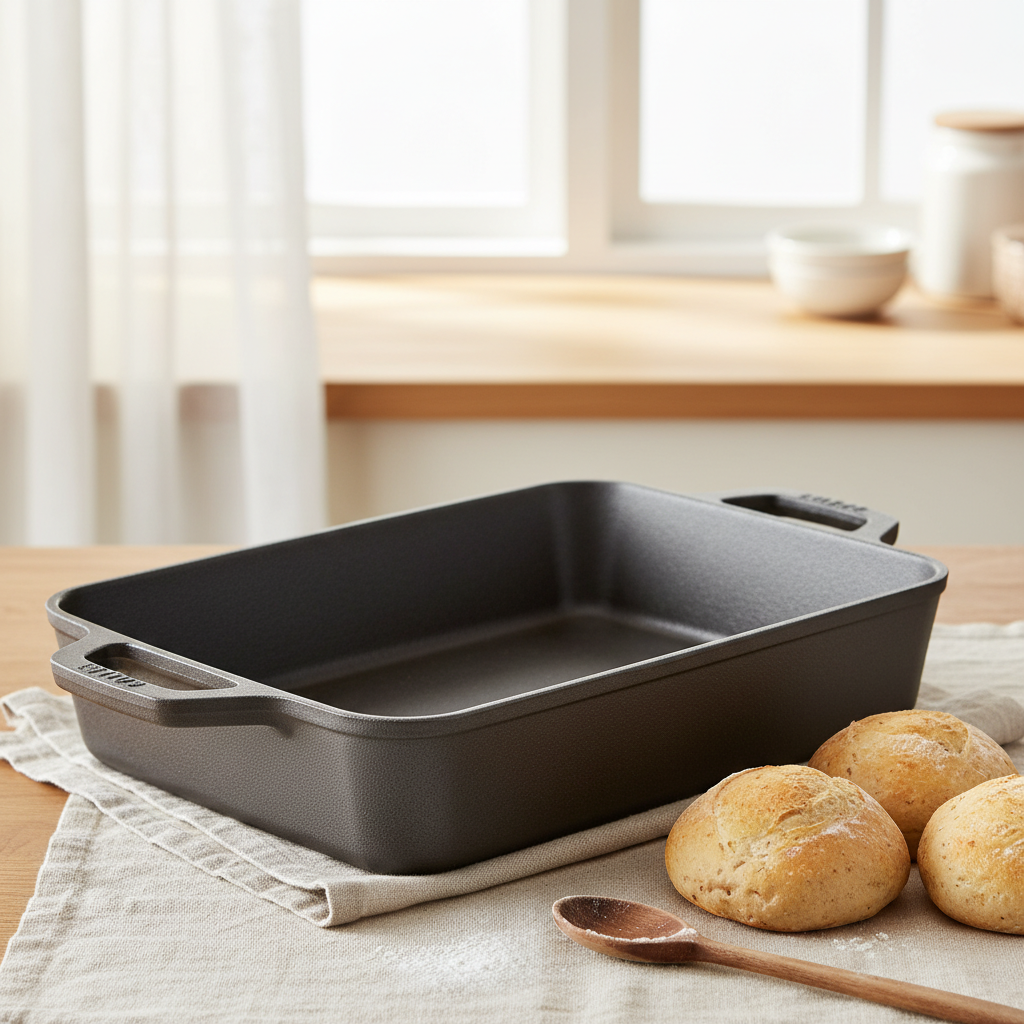
A China cast iron baking pan is a kitchen staple, celebrated for its even heating, exceptional heat retention, and versatility. Whether you're a seasoned chef or a home cook, selecting the perfect pan can significantly enhance your culinary creations. This guide provides an in-depth look at the benefits, features, and considerations when choosing a cast iron baking pan, particularly focusing on options from reputable manufacturers like JSY Cast Iron. We'll explore the different types available, how to care for them, and why they’re a worthwhile investment for any kitchen.
The Benefits of Using a China Cast Iron Baking Pan
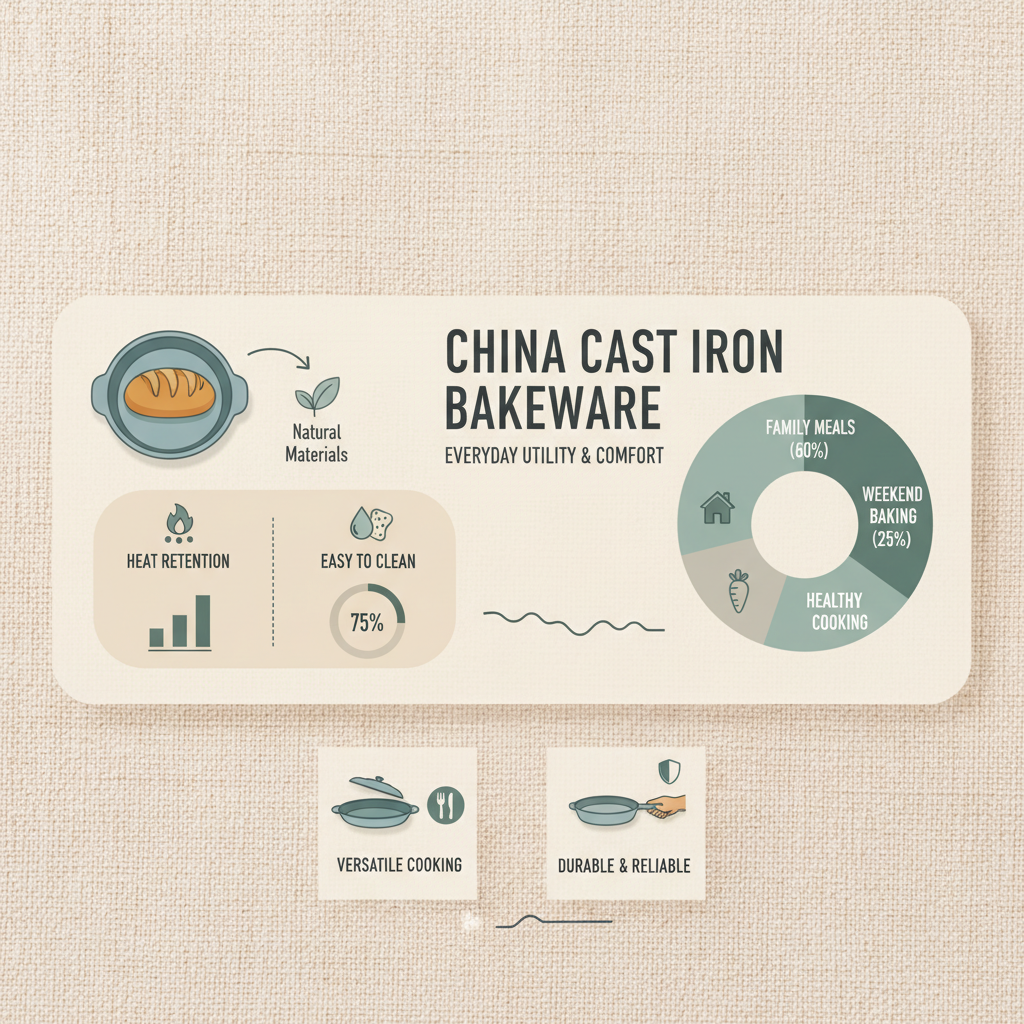
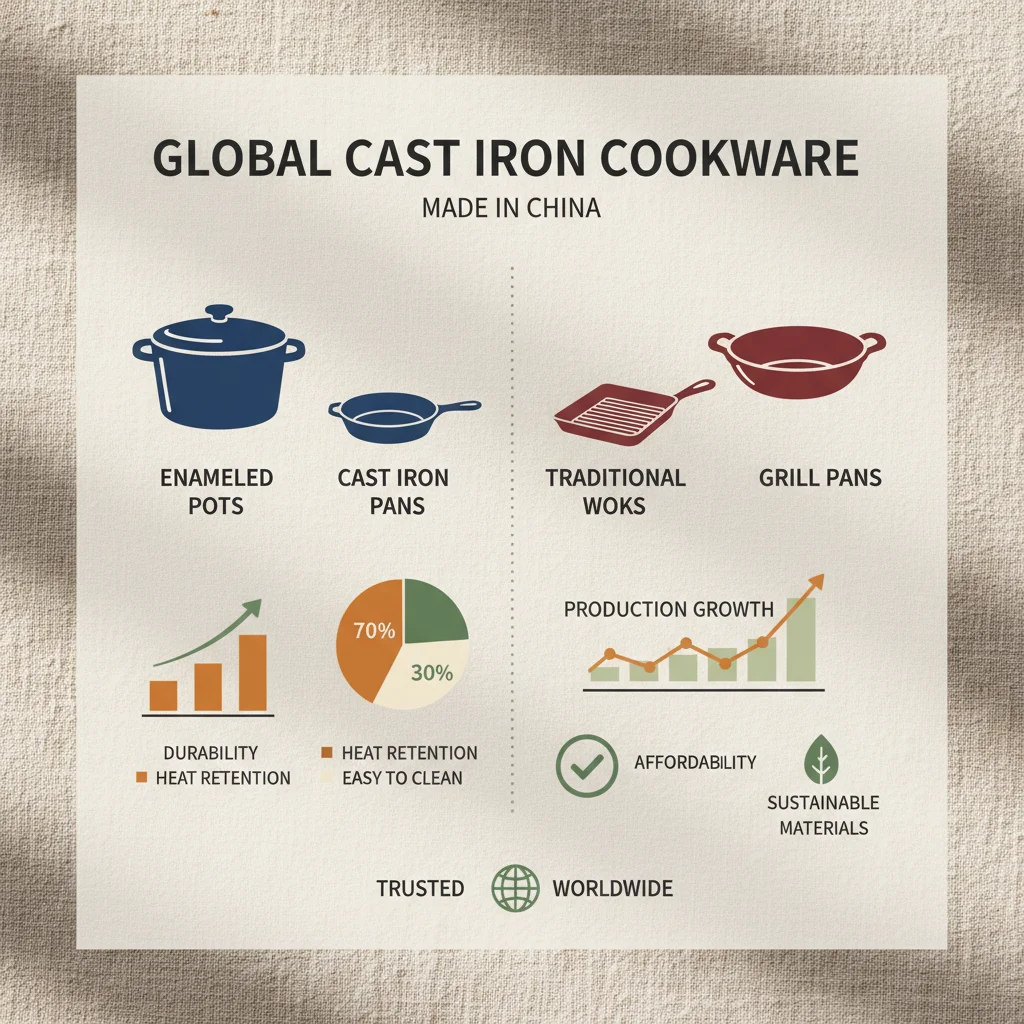
Exceptional Heat Retention: Cast iron excels at retaining heat, ensuring consistent temperatures for even baking. This is particularly important for delicate pastries, breads, and pies. Even Heating: Unlike other materials, cast iron distributes heat evenly across the entire surface, eliminating hot spots and preventing uneven cooking. Versatility: A cast iron baking pan can be used in the oven, on the stovetop (if suitable), and even over a campfire! Durability: With proper care, a cast iron pan can last for generations, becoming a treasured family heirloom. Natural Non-Stick: When seasoned correctly, cast iron develops a natural non-stick surface, reducing the need for excessive oils and fats. Choosing a pan from a trusted cast iron manufacturer in China guarantees quality and performance.
Key Highlights: Exceptional heat retention, even heating, versatility, durability, and natural non-stick properties make a cast iron baking pan a valuable addition to any kitchen.
Types of China Cast Iron Baking Pans
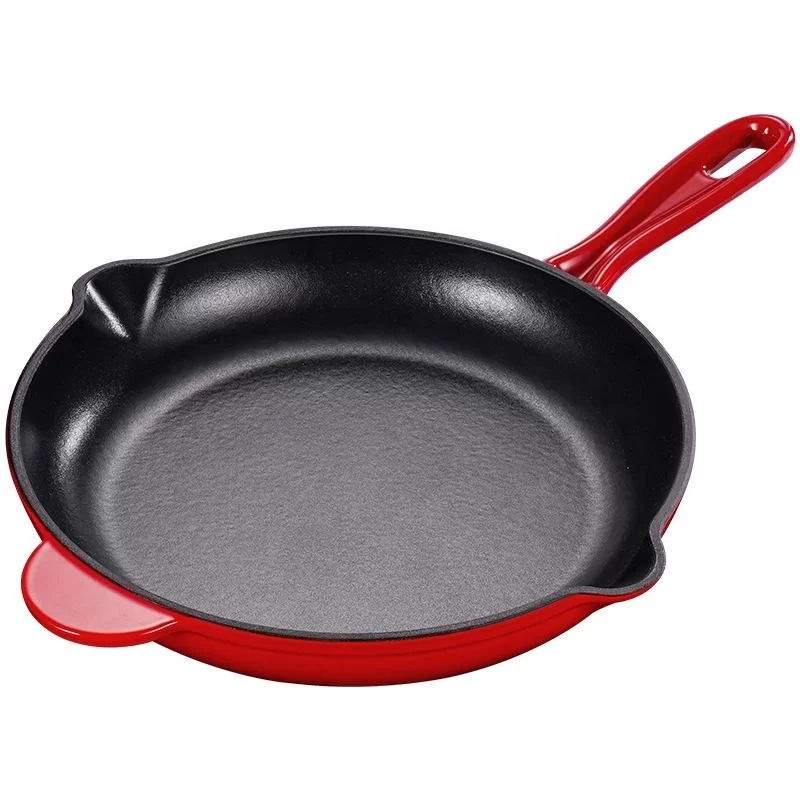
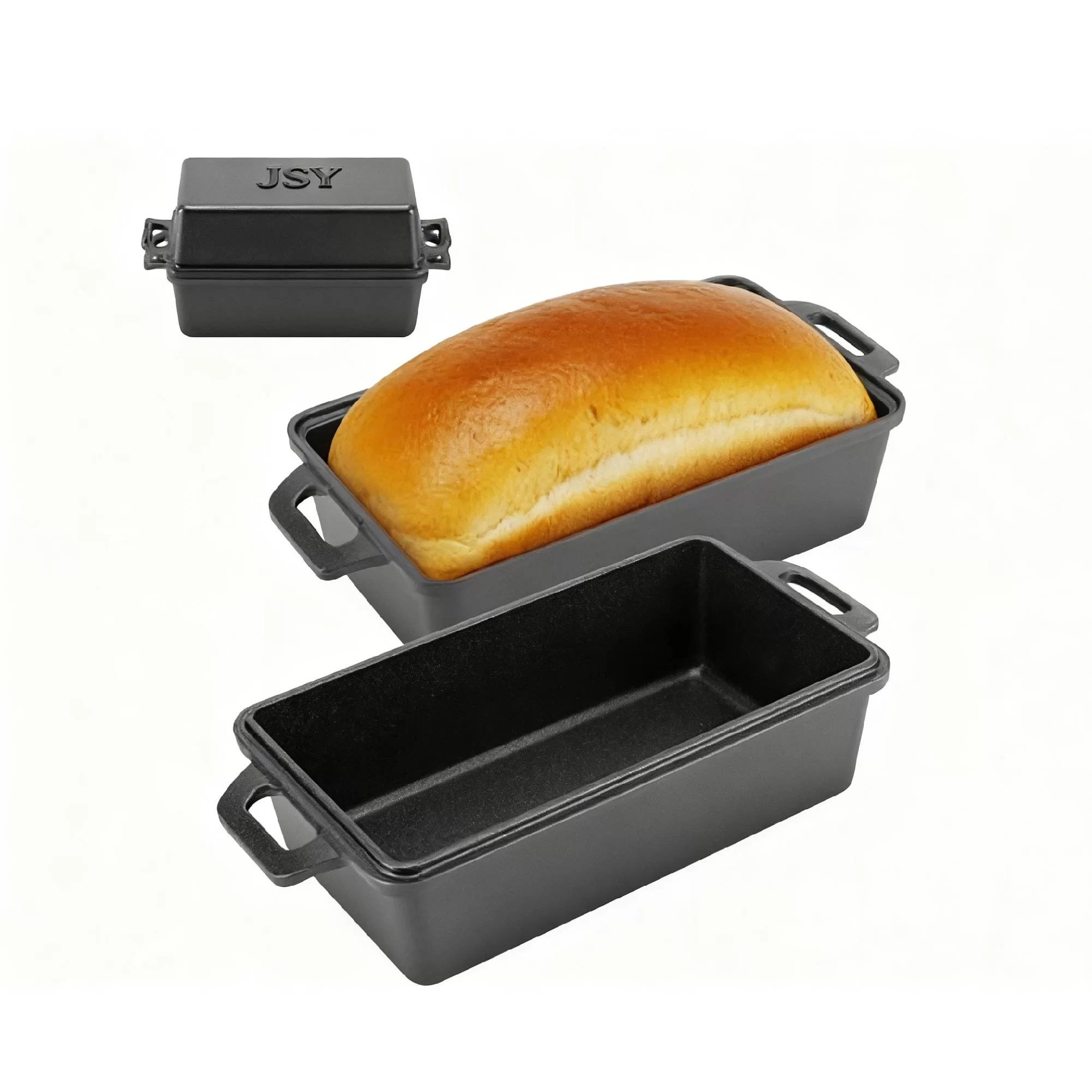
There's a wide range of cast iron baking pans available, each suited to different culinary applications. Some common types include: Square Baking Pans: Ideal for cornbread, brownies, and other square-shaped treats. Round Baking Pans: Perfect for cakes, pies, and deep-dish pizzas. Loaf Pans: Essential for baking breads, meatloaf, and pound cakes. Skillets (with oven-safe handles): Versatile for both stovetop and oven use, great for frittatas and baked desserts. Dutch Ovens: Excellent for braising, slow cooking, and baking bread. When sourcing from a China cast iron cookware supplier, ensure they offer a variety of shapes and sizes to meet your needs.
Cast Iron Pan Varieties:
• Square Baking Pans
• Round Baking Pans
• Loaf Pans
• Skillets
• Dutch Ovens
Comparing Cast Iron Pan Materials and Finishes
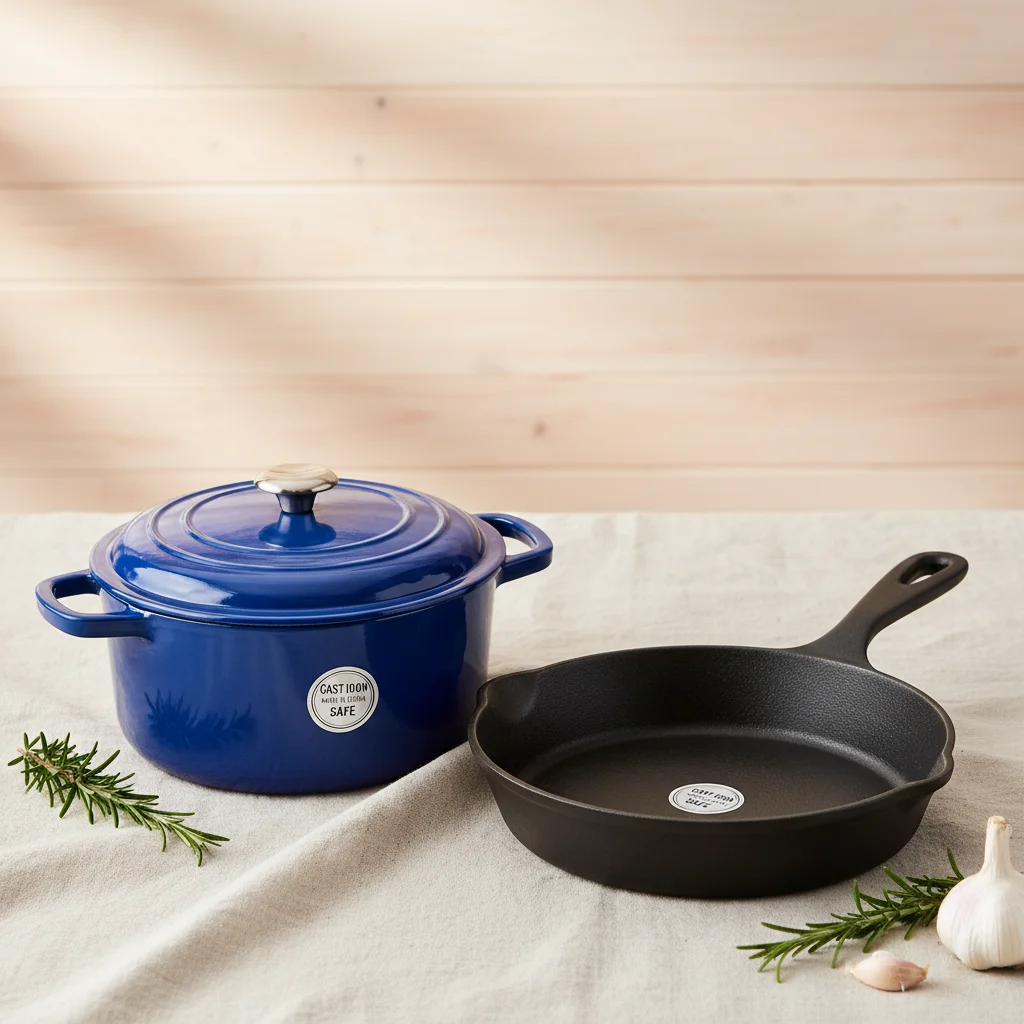
Cast iron baking pans come in different materials and finishes, each with its own advantages. Traditional Cast Iron: This is the most common type, known for its durability and heat retention. It requires regular seasoning to maintain its non-stick surface. Enameled Cast Iron: Coated with a layer of porcelain enamel, offering a non-reactive surface and eliminating the need for seasoning. It's also easier to clean. Seasoned Cast Iron: Pre-seasoned pans are available, saving you the initial seasoning process. However, the seasoning may need to be maintained over time. Below is a comparison:
| Feature |
Traditional Cast Iron |
Enameled Cast Iron |
| Seasoning Required |
Yes |
No |
| Reactivity |
Can react with acidic foods |
Non-reactive |
| Maintenance |
Requires regular seasoning and oiling |
Easier to clean, less maintenance |
| Cost |
Generally less expensive |
Generally more expensive |
Care and Maintenance of Your China Cast Iron Baking Pan
Proper care is essential to ensure the longevity of your cast iron baking pan. Avoid using harsh detergents or abrasive cleaners. Instead, clean with warm water and a soft sponge. Dry the pan thoroughly after washing to prevent rust. For traditional cast iron, regular seasoning is crucial. Apply a thin layer of oil (such as vegetable oil or flaxseed oil) and bake at a high temperature (around 350-400°F) for an hour. This will build up a protective layer and enhance the pan’s non-stick properties. Choosing a quality pan from a reputable cast iron pan manufacturer makes the maintenance process much easier.
Selecting the Right Pan: Key Considerations
When choosing a China cast iron baking pan, consider the following: Size and Shape: Select a pan that suits your baking needs. Material and Finish: Choose between traditional cast iron and enameled cast iron based on your preferences. Weight: Cast iron is naturally heavy, so consider your ability to comfortably handle the pan. Manufacturer Reputation: Opt for a reputable manufacturer known for quality and durability like JSY Cast Iron. Price: Set a budget and compare prices from different suppliers.
Conclusion: Investing in Quality Cast Iron
A China cast iron baking pan is a worthwhile investment for any kitchen. Its exceptional heat retention, even heating, and durability make it a versatile and long-lasting tool. By choosing a quality pan from a trusted manufacturer, you can enjoy years of delicious baking results. Don't compromise on quality – choose a cast iron pan that will enhance your culinary experience.
Frequently Asked Questions (FAQs)
What is the best way to season a new cast iron pan?
To season a new cast iron pan, start by washing it with warm soapy water and drying it thoroughly. Then, apply a very thin, even coat of oil (flaxseed oil is highly recommended for the initial seasoning, but vegetable oil can also be used) to all surfaces, inside and out. Place the pan upside down on the middle rack of your oven and bake at 350-400°F (175-200°C) for one hour. Let the pan cool completely in the oven. Repeat this process 2-3 times to build up a good base seasoning. Proper seasoning creates a natural non-stick surface and protects the pan from rust.
Can I use metal utensils on my cast iron pan?
While cast iron is incredibly durable, using metal utensils can potentially scratch or damage the seasoning over time. It’s best to use wooden, silicone, or plastic utensils to preserve the seasoning and prevent damage. Gentle use of metal utensils is generally acceptable, but avoid scraping or aggressively scrubbing the surface.
How do I prevent rust on my cast iron pan?
Rust is the enemy of cast iron! To prevent it, always dry your pan thoroughly after washing. If you hand wash, dry immediately with a towel. If washing in the dishwasher (not recommended), dry immediately. Apply a thin coat of oil after drying to protect the surface. Store the pan in a dry place. If rust does appear, scrub it off with steel wool and re-season the pan.
Are enameled cast iron pans dishwasher safe?
While some enameled cast iron pans are labeled as dishwasher safe, hand washing is always recommended to prolong their lifespan. Harsh detergents and the high temperatures of dishwashers can potentially dull the enamel over time. Hand washing with warm, soapy water and a soft sponge will help maintain the pan’s appearance and performance.