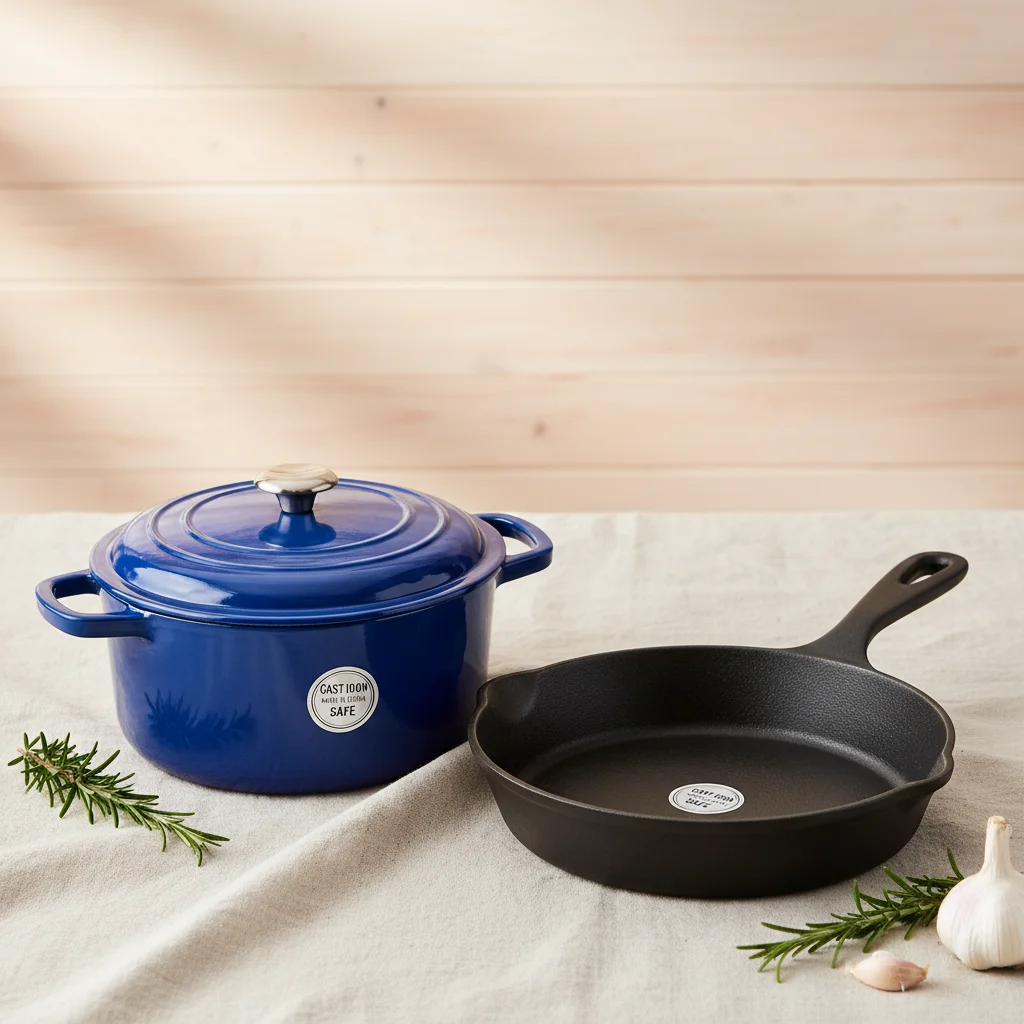
China Cast Iron Pot: Timeless Durability Meets Modern Utility
When you think of cookware that’s both durable and steeped in history, the China cast iron pot springs to mind. These pots aren’t just kitchenware; they represent centuries of craftsmanship fused with industrial progress in China. Globally, the demand for reliable, versatile cast iron cookware has surged, not only for culinary uses but also for industrial and humanitarian applications where durability and heat retention matter. Understanding why China cast iron pots hold a special place can offer insight into their continued global appeal and practical benefits.
Global Context: Why the China Cast Iron Pot Still Matters
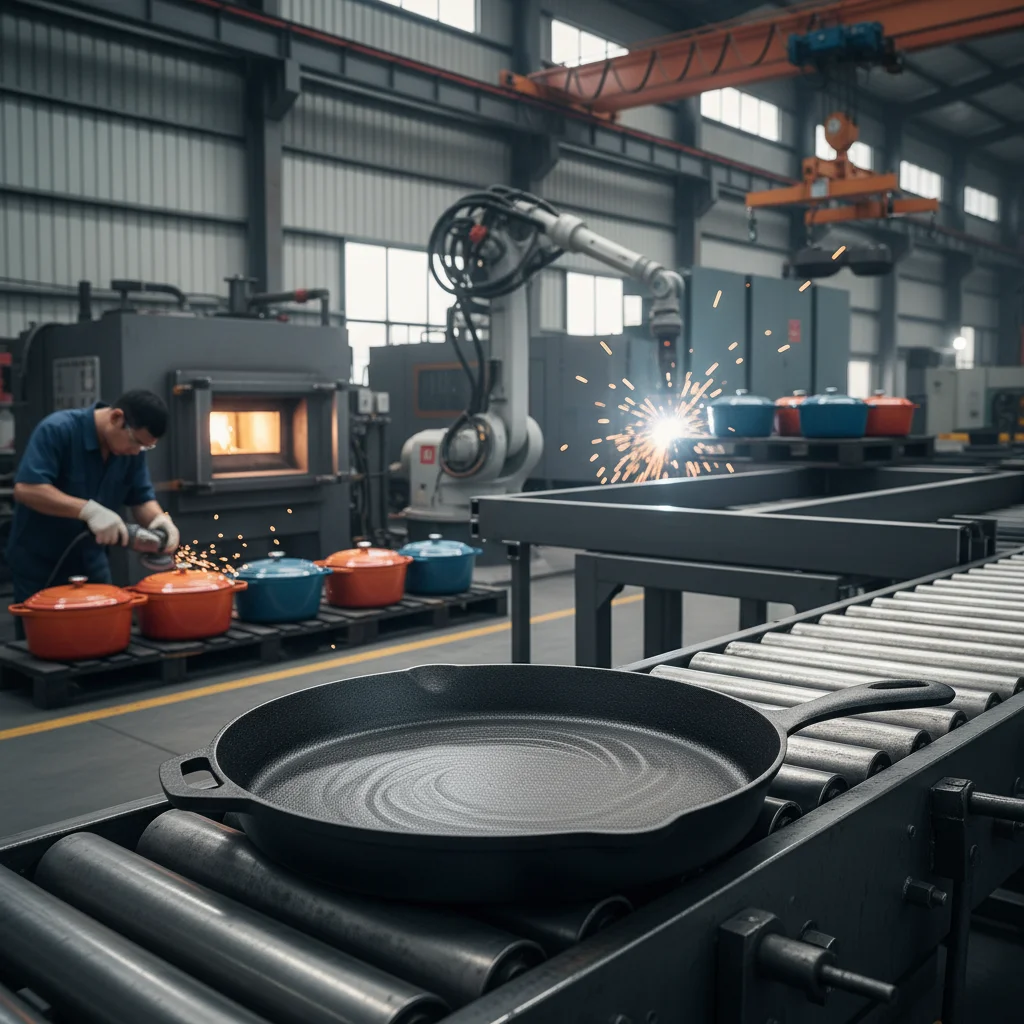
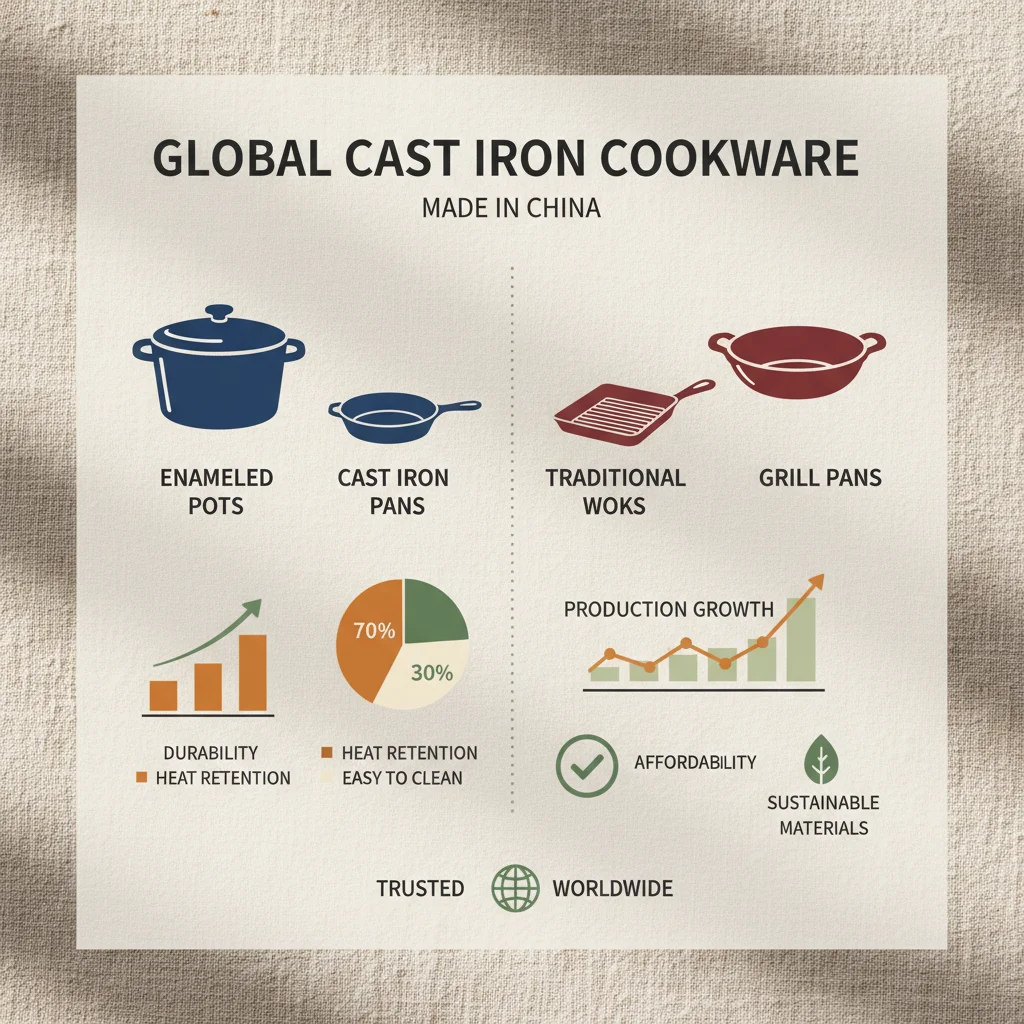
China is the largest producer of cast iron in the world, responsible for more than 50% of global production according to World Steel Association data. Cast iron pots made in China combine traditional artisanship with state-of-the-art manufacturing facilities — a blend that appeals worldwide. Yet, we face challenges like sustainability in the metal industry and balancing craftsmanship with mass production. Cast iron pots address these by being long-lasting, easily recyclable, and energy-efficient in cooking.
Oddly enough, these pots aren't just about cooking; in many regions, especially rural or remote areas, their heat retention helps reduce fuel consumption, contributing to environmental goals aligned with ISO standards on energy efficiency (ISO 50001). This shows how a simple product, like the China cast iron pot, has a ripple effect beyond kitchens.
What Is a China Cast Iron Pot?
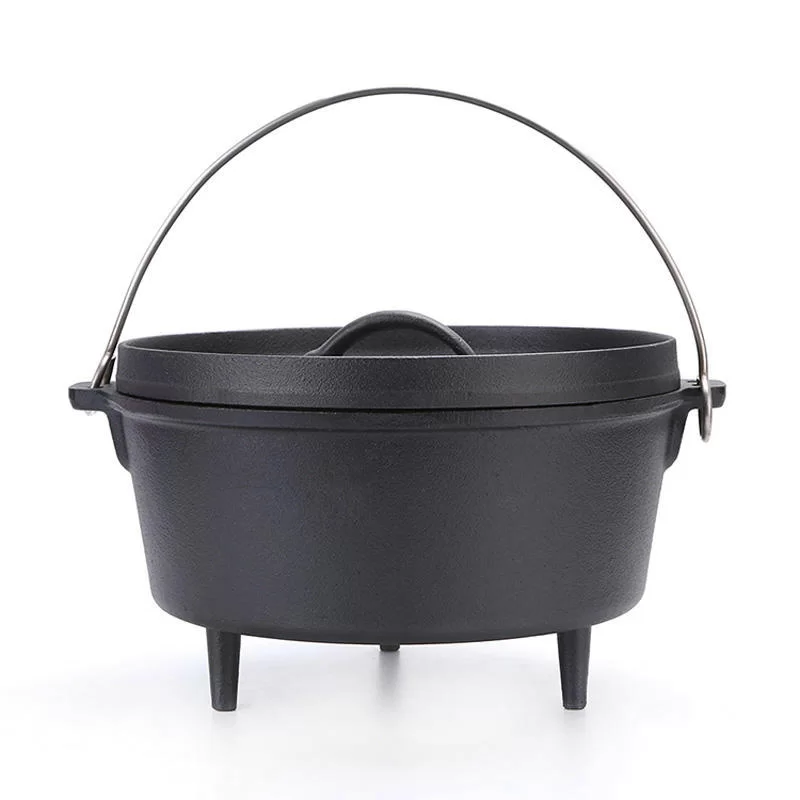
Simply put, a China cast iron pot is a cooking vessel made from cast iron alloyed and manufactured primarily in China. These pots are prized for their ability to evenly distribute heat and maintain it for long periods, perfect for slow-cooked dishes. Beyond the domestic kitchen, they also find applications in commercial kitchens and even in industries requiring robust thermal equipment.
This traditional cookware connects heritage with modern industry — combining classic design elements with advances such as surface seasoning techniques that improve durability and ease of use. In humanitarian contexts, cast iron pots are sometimes distributed in relief kits because they cook food efficiently over diverse heating methods.
Key Features that Make China Cast Iron Pots Stand Out
1. Durability
Cast iron is notoriously tough – it can last decades, sometimes centuries, if well maintained. The China cast iron pot is no exception and benefits from rigorous quality controls ensured by Chinese foundries to meet both domestic and export standards.
2. Heat Retention & Distribution
Heat management is a key factor. These pots hold heat exceptionally well, making slow cooking easier and energy-saving. This feature is especially valued in places with limited fuel access.
3. Cost Efficiency
Affordable manufacturing in China means these pots offer incredible value. They outlast cheaper non-stick alternatives and save users money long term.
4. Versatility
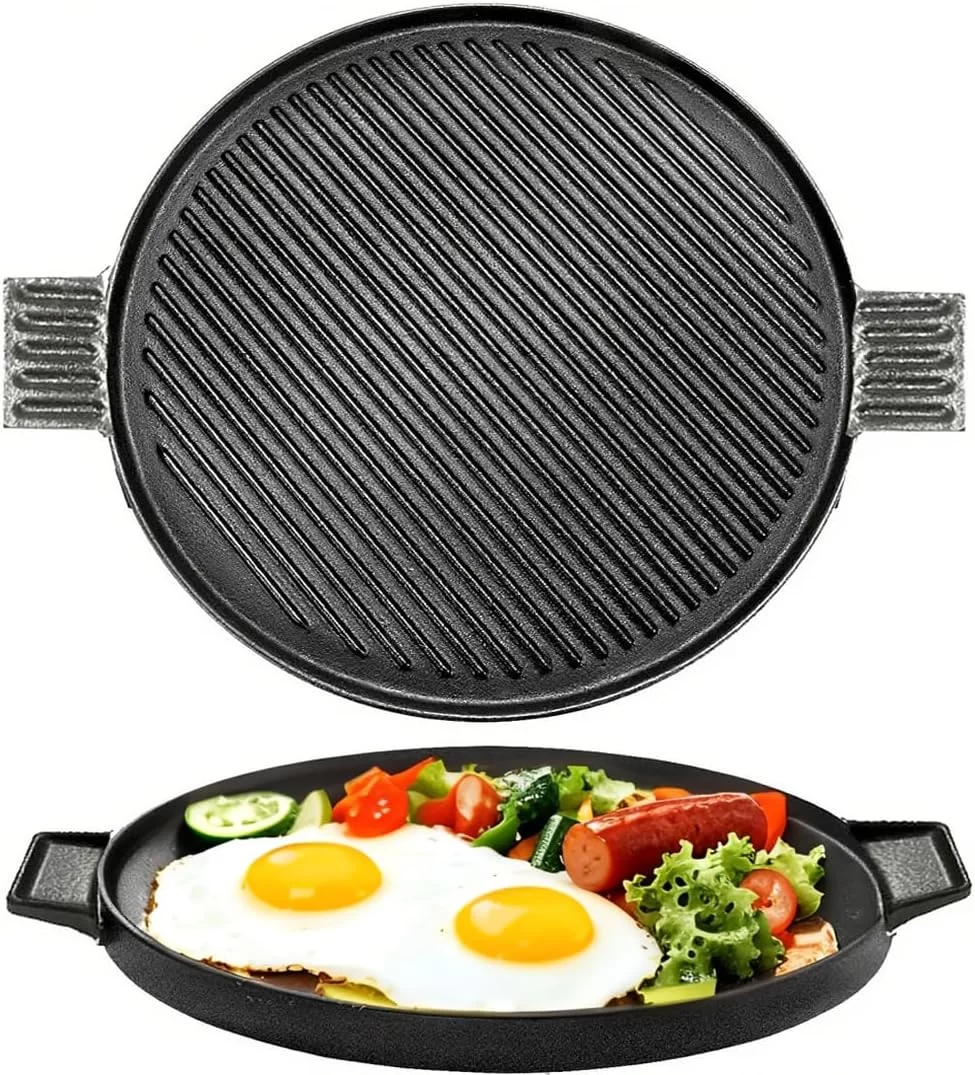
Suitable for stovetop, oven, and even open flame cooking, these pots adapt to a variety of cooking environments — from home kitchens to outdoor settings.
5. Traditional Craftsmanship & Modern Innovation
Many factories blend hand-finishing with automation for consistency and quality. Some premium lines still use artisanal methods passed down generations.
Technical Specifications Summary of a Typical China Cast Iron Pot
| Parameter |
Specification |
| Material |
Gray Cast Iron (Fe + 2-4% C) |
| Weight |
2.5 to 5.0 kg (varies by size) |
| Typical Sizes |
20 cm to 30 cm diameter |
| Surface Finish |
Pre-seasoned or raw cast iron |
| Heat Tolerance |
Up to 500 °C (oven and open flame safe) |
| Lid Type |
Fitted cast iron or heavy-duty steel |
Comparing Top Vendors of China Cast Iron Pots
| Vendor |
Quality Grade |
Pricing |
Customization |
Trade Certifications |
| Jiangsu Ironworks |
Premium |
$$$ |
Yes |
ISO 9001, CE |
| Hunan Cast Iron Co. |
Standard |
$$ |
Limited |
ISO 14001 |
| Shandong Iron Corp. |
Economy |
$ |
No |
None |
Real-World Uses: Beyond the Home Kitchen
- Rural and Off-grid Cooking: Many communities in Asia and Africa rely on cast iron pots for fuel-efficient cooking, reducing the need for scarce firewood.
- Commercial Kitchens: Restaurants worldwide prize these pots for consistent heat and robustness.
- Disaster Relief: NGOs distribute cast iron cookware due to its durability and versatility, crucial in emergency food preparation.
- Industrial Applications: Heavy cast iron pots sometimes serve as industrial molds or heat-resistant containers.
In fact, it’s common in remote Himalayan villages to see families using these pots directly on open fires as a matter of tradition & practicality.
Why You Should Consider a China Cast Iron Pot: Advantages & Value
The advantages go beyond just cooking:
- Long-Term Investment: Buy it once, and it can last for generations.
- Energy Savings: Heat retention means less fuel — good for wallets and the planet.
- Improves Flavor: Cast iron naturally seasons and enhances food taste.
- Eco-Friendly: Highly recyclable and less disposable than alternatives.
- Emotional Connection: Owning a well-used cast iron pot feels like holding a piece of heritage.
Looking Ahead: Future Trends for China Cast Iron Pot Manufacturing
Though the product looks deceptively simple, manufacturers are adopting modern trends to keep up:
- Green Production: Reducing emissions and waste during casting processes.
- Smart Coatings: Next-gen seasoning layers that are non-toxic and more durable.
- Customization: Laser branding and ergonomic designs tailored for special markets.
- Digital Supply Chain: Using AI to optimize inventory and delivery times globally.
Challenges and How Experts Suggest Overcoming Them
Of course, there are issues like:
- Weight: Cast iron pots can be heavy, deterring some users.
- Rusting: Without proper care, surface oxidation is a problem.
- Fragility to Shock: While durable, sudden impacts can crack cast iron.
Experts recommend thorough pre-seasoning, using silicone handles, and careful packaging to reduce damages during shipment. Some manufacturers provide detailed care guides with every China cast iron pot.
FAQs About China Cast Iron Pot
- Q1: How do I maintain my China cast iron pot to prevent rust?
- A1: Keep your pot dry after washing, apply a thin layer of oil, and avoid soaking it for extended periods. Pre-seasoning helps create a protective layer that resists rust.
- Q2: Are China cast iron pots safe for induction cooktops?
- A2: Yes, cast iron’s magnetic properties make these pots fully compatible with induction and all other cooktops.
- Q3: Can I use China cast iron pots outdoors?
- A3: Absolutely. Their robust construction tolerates direct flame, making them perfect for camping and outdoor cooking.
- Q4: What is the average lifespan of a good quality China cast iron pot?
- A4: With proper care, many users report their pots lasting 20 years or more, often becoming family heirlooms.
Conclusion & Next Steps
All in all, a China cast iron pot offers a remarkable blend of tradition, durability, and practicality, proving itself as a wise investment for chefs, families, and humanitarian organizations alike. Its global presence and adaptability hint at a legacy that will only deepen over time.
If you’re intrigued by the strength and heritage these pots carry, don’t hesitate to explore more or make a purchase at https://www.jsycastiron.com. Often, quality remains the best measure of value—and these pots deliver.
Mini takeaway: Investing in China cast iron cookware is more than just buying a pot; it's embracing a tradition of resilience and sustainable cooking.
References
- World Steel Association – Steel Production Data
- ISO 50001 – Energy Management Systems
- Wikipedia – Cast Iron