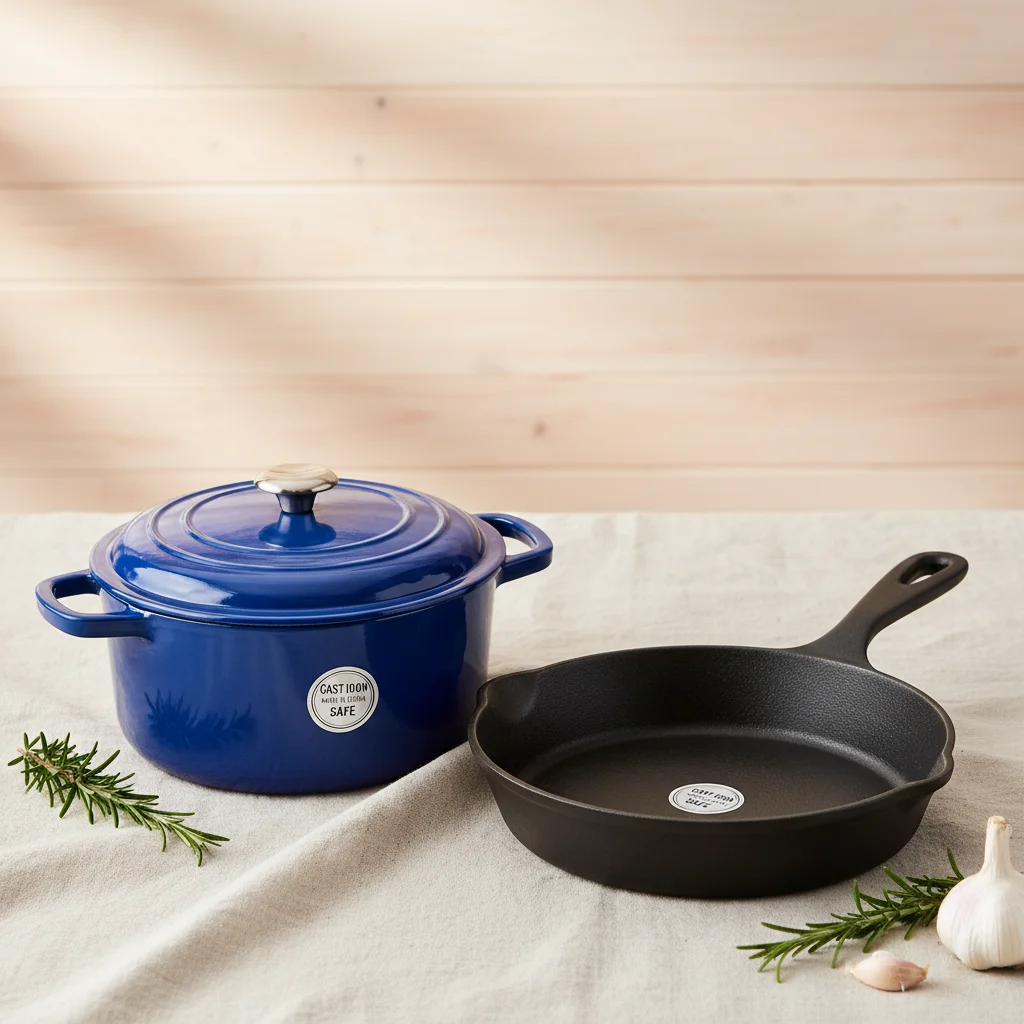
Understanding the China Cast Iron Pan: A Global Staple With Timeless Appeal
When you think about kitchen essentials, the China cast iron pan might not instantly come to mind — but maybe it should. These heavy-duty pans carry centuries of heritage, alongside practical benefits that have made them a global kitchen staple. From family homes in Shanghai high-rises to chefs on bustling restaurant lines and outdoor enthusiasts around the world, the cast iron pan is valued not just for cooking but as a cultural icon.
Globally, the importance of a durable, versatile cooking tool isn’t trivial. According to the International Organization for Standardization (ISO), cookware quality impacts food safety and efficiency in kitchens everywhere — particularly in densely populated countries like China. The China cast iron pan embodies age-old craftsmanship that blends elegantly into the demands of modern lifestyles. Understanding its qualities offers insight into manufacturing traditions, culinary advancements, and economic factors shaping global kitchenware markets.
What is a China Cast Iron Pan?
In essence, a China cast iron pan is a frying pan made by pouring molten iron into molds and finishing it with seasoning to create a natural, non-stick surface. What sets China’s cast iron pans apart is the combination of centuries-old foundry traditions plus modern industrial techniques. Unlike the thinner pans often found in Western kitchens, Chinese cast iron pans tend to be thicker and able to withstand intense heat for prolonged cooking. They’re particularly favored in stir-fry and deep-fry applications, which are staple cooking methods across Chinese cuisine.
Mini takeaway: The China cast iron pan blends heritage craftsmanship with modern production to meet demanding cooking needs globally.
Core Features of the China Cast Iron Pan
Durability
Cast iron, by nature, is extremely durable. Many users boast about heirloom pans passed down through generations; the China cast iron pan is no exception. Its robust construction allows it to resist deforming, cracking, or warping even under high heat or daily use.
Heat Retention and Distribution
Perhaps one of the most celebrated aspects is how evenly it distributes heat. This makes the pan ideal for certain Chinese cooking techniques like searing meat or maintaining steady frying temperatures. You don’t get the hotspots that plague cheaper cookware.
Cost Efficiency
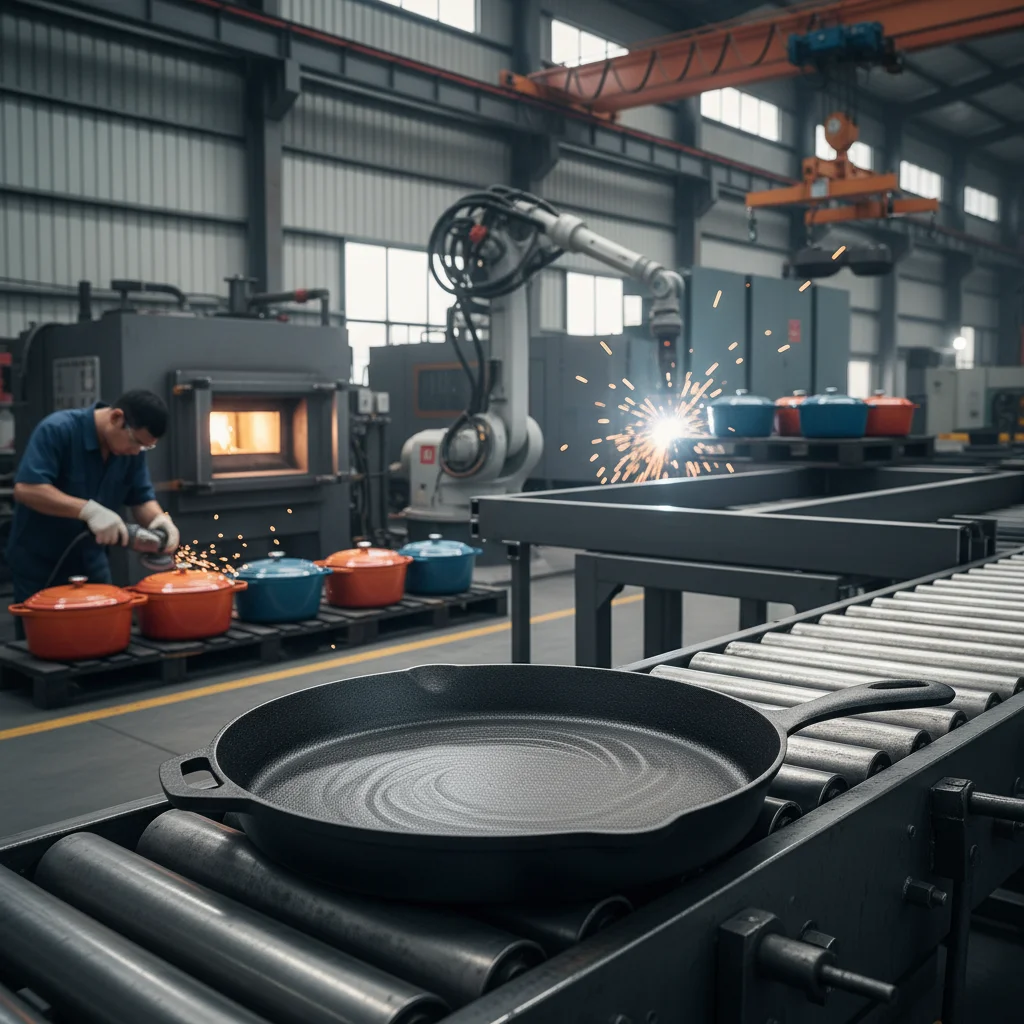
China’s booming foundry industry allows these pans to be produced cost-effectively, making them accessible for households or restaurants seeking quality without frequent replacement. This affordability doesn’t sacrifice quality — quite the opposite.
Eco-friendliness
Since cast iron pans last decades, they reduce disposable waste compared to non-stick pans with limited lifespans. Also, China has been improving emissions standards in foundries, contributing to more sustainable manufacturing.
Versatility
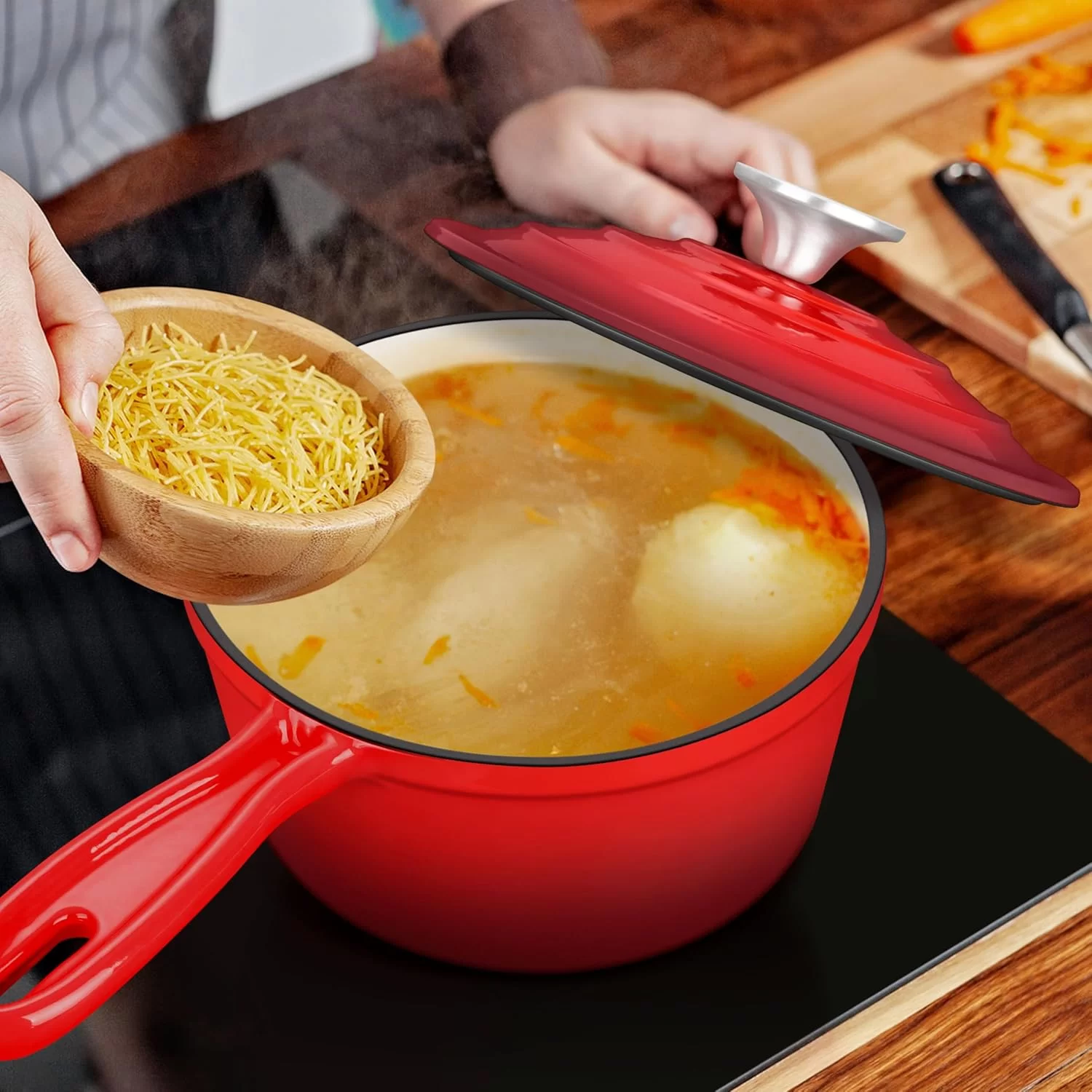
From stovetop to oven to open flame, the pan can withstand various heat sources, accommodating everything from quick stir-frys to slow braising — essential in diverse cooking styles.
China Cast Iron Pan Specifications
| Feature |
Typical Value |
Notes |
| Material |
Cast iron (99%+ iron) |
Traditional pig iron or recycled iron scrap |
| Weight |
2–4 kg (depending on size) |
Heavy but stable |
| Diameter |
20–35 cm |
Common sizes for household use |
| Finish |
Pre-seasoned or raw (needs seasoning) |
Many manufacturers sell both options |
| Heat Tolerance |
Up to 400°C and beyond |
Suitable for stove, oven, open flame |
Where and How Are China Cast Iron Pans Used Worldwide?
Oddly enough, the reach of China cast iron pans is both vast and varied. In China itself, they are foundational in both homes and restaurants, especially in regions famous for wok cooking like Sichuan and Guangdong. But their popularity extends far beyond that.
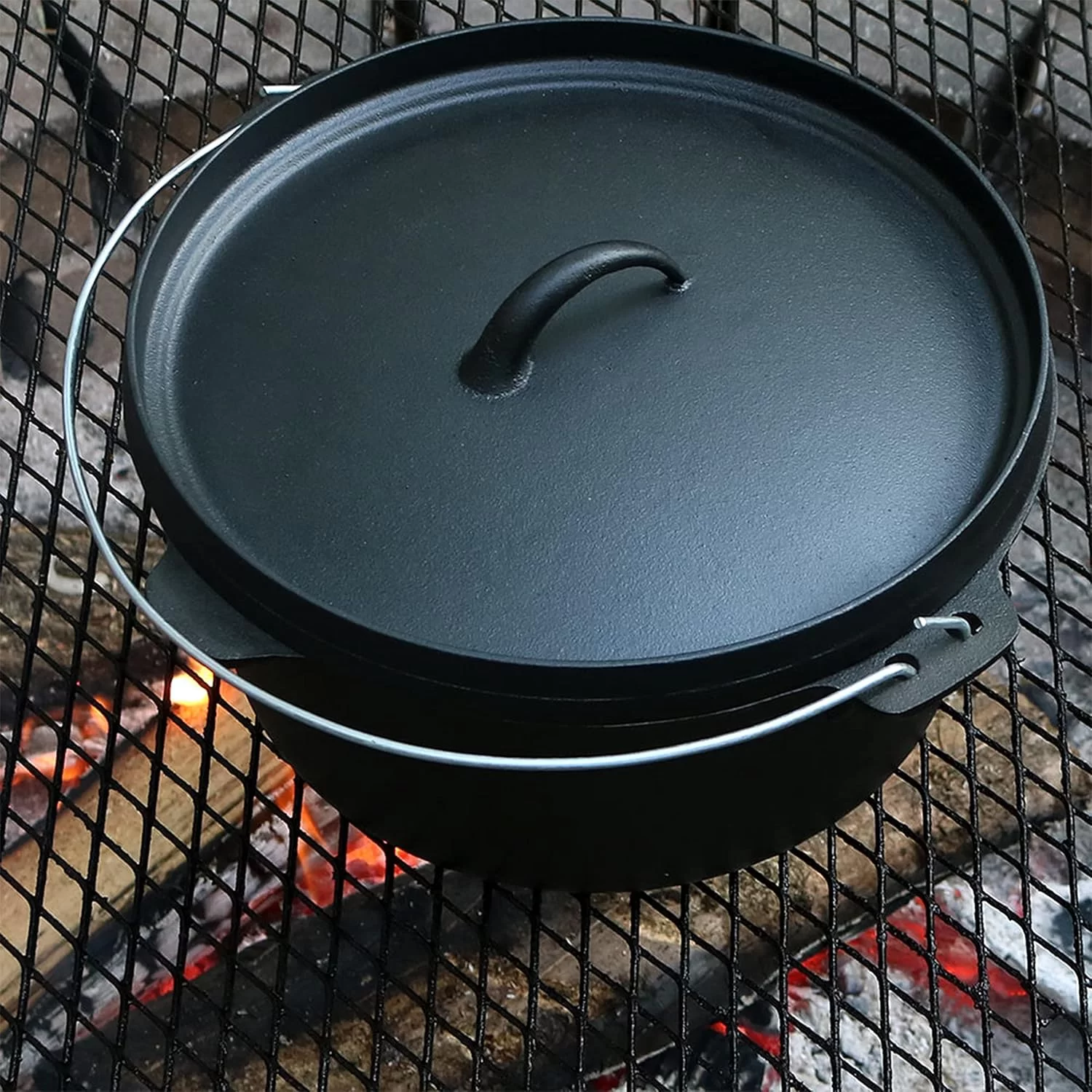
In North America and Europe, gourmet chefs prize Chinese cast iron pans for their heft and heat performance, often reserving them for intense searing or slow cooking dishes that benefit from high thermal mass. For outdoor enthusiasts camping or grilling, these pans are prized for their ability to handle open flames and rugged use.
Developing countries in Southeast Asia and Africa increasingly import these pans as affordable, durable cookware in humanitarian aid projects. For example, NGOs often provide cast iron pans in emergency kitchen kits due to their long lifespan and multi-purpose use.
China Cast Iron Pan vs. Competitors
Vendor Comparison: China Cast Iron vs. Other Brands
| Feature |
China Cast Iron Pan |
Western Cast Iron Pans |
Non-Stick Aluminum Pans |
| Weight |
Heavy (2–4 kg) |
Medium-Heavy (2–3 kg) |
Light (0.5–1 kg) |
| Heat Retention |
Excellent |
Very Good |
Poor |
| Price |
Affordable |
Moderate to High |
Low to Moderate |
| Lifespan |
Decades (with care) |
Decades (with care) |
3-5 years |
| Maintenance |
Requires seasoning |
Requires seasoning |
Easy, but non-stick can degrade |
Advantages & Long-Term Benefits of China Cast Iron Pans
- Longevity: These pans truly last a lifetime—sometimes several. In a disposable culture, that’s refreshing.
- Versatile cooking: From stovetop searing to oven roasting, the thermal properties outshine aluminum or steel options.
- Cost-effective: The low initial price paired with the pan’s lifespan means tremendous value.
- Sustainability: The reusable nature, combined with improved Chinese foundry regulations, underscores green manufacturing trends.
- Food quality: Recipes cooked in cast iron often develop better flavor due to steady heat and caramelization.
Emerging Trends & Innovations
Manufacturers in China are slowly introducing smarter production technologies including 3D mold printing to reduce casting defects. Eco coatings that minimize the need for heavy seasoning are also being experimented with, aiming to reduce maintenance efforts.
As consumers grow more environmentally conscious, there’s rising demand for responsibly sourced materials. Some foundries also experiment with hybrid pans combining cast iron bases and stainless steel handles to improve ergonomics and longevity.
Challenges & Expert Solutions
One common issue with cast iron pans, including those from China, is weight — many find them cumbersome for daily kitchen use. But clever design tweaks like hollow handles or balanced weight distribution can mitigate this. Also, while seasoning adds protection, it requires a learning curve many first-time users find intimidating.
Industry experts recommend regular seasoning maintenance and avoiding detergents that strip the pan’s natural coating. Users often report the kitchen smell and aesthetic patina grow on them—sort of like a reliable old friend.
FAQ: Common Questions About China Cast Iron Pans
Q1: Are China cast iron pans safe to use on induction stovetops?
A: Yes, because cast iron is ferromagnetic, China cast iron pans work well with induction cooktops. Their heavy weight and thickness actually complement induction heating by retaining heat longer for more efficient cooking.
Q2: How should I season a raw China cast iron pan before first use?
A: Begin by thoroughly cleaning the pan, then apply a thin layer of vegetable oil inside and out. Heat it in the oven at 200°C for about an hour. This polymerizes the oil, creating a durable non-stick layer. Regular seasoning over time builds up a natural, easy-to-clean surface.
Q3: Can I use metal utensils on a China cast iron pan without damaging it?
A: Absolutely. Cast iron is robust and can handle metal tools without scratching, unlike non-stick coatings. However, avoid aggressive scraping that could harm the seasoning.
Q4: Is buying a China cast iron pan more sustainable than typical non-stick pans?
A: Generally, yes. The durability and repairability of cast iron reduce waste. Also, newer Chinese foundries follow more stringent environmental standards compared to past decades.
In Conclusion: The Last Pan You'll Ever Need
The China cast iron pan isn’t just another cookware item — it’s a link to heritage, a kitchen powerhouse, and a surprisingly sustainable choice. Its balance of durability, heat mastery, and affordability makes it a smart buy for cooks worldwide.
If you’re considering upgrading your cookware or sourcing quality cast iron pans at scale, definitely visit China cast iron pan suppliers for reliable options that marry tradition with innovation.
Oddly enough, the charm of cast iron lies partly in its imperfection — a little seasoning mishap here, a patina there. It grows with your cooking story.
Takeaway: Investing in a China cast iron pan means embracing centuries of craftsmanship and a world of versatile, cost-effective cooking, crafted for today’s kitchens and tomorrow’s traditions.
References
- Wikipedia: Cast Iron
- International Organization for Standardization (ISO)
- World Bank - Industry Overview