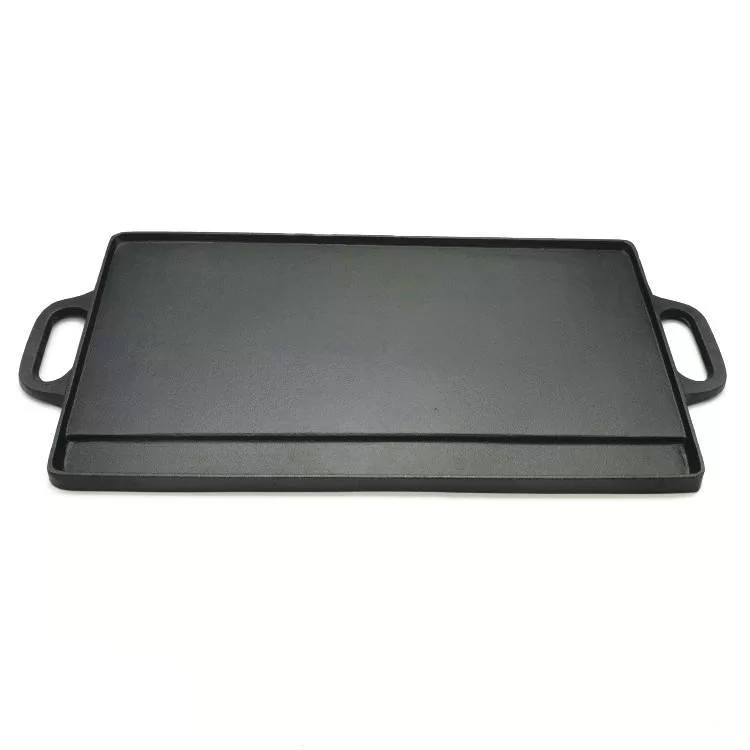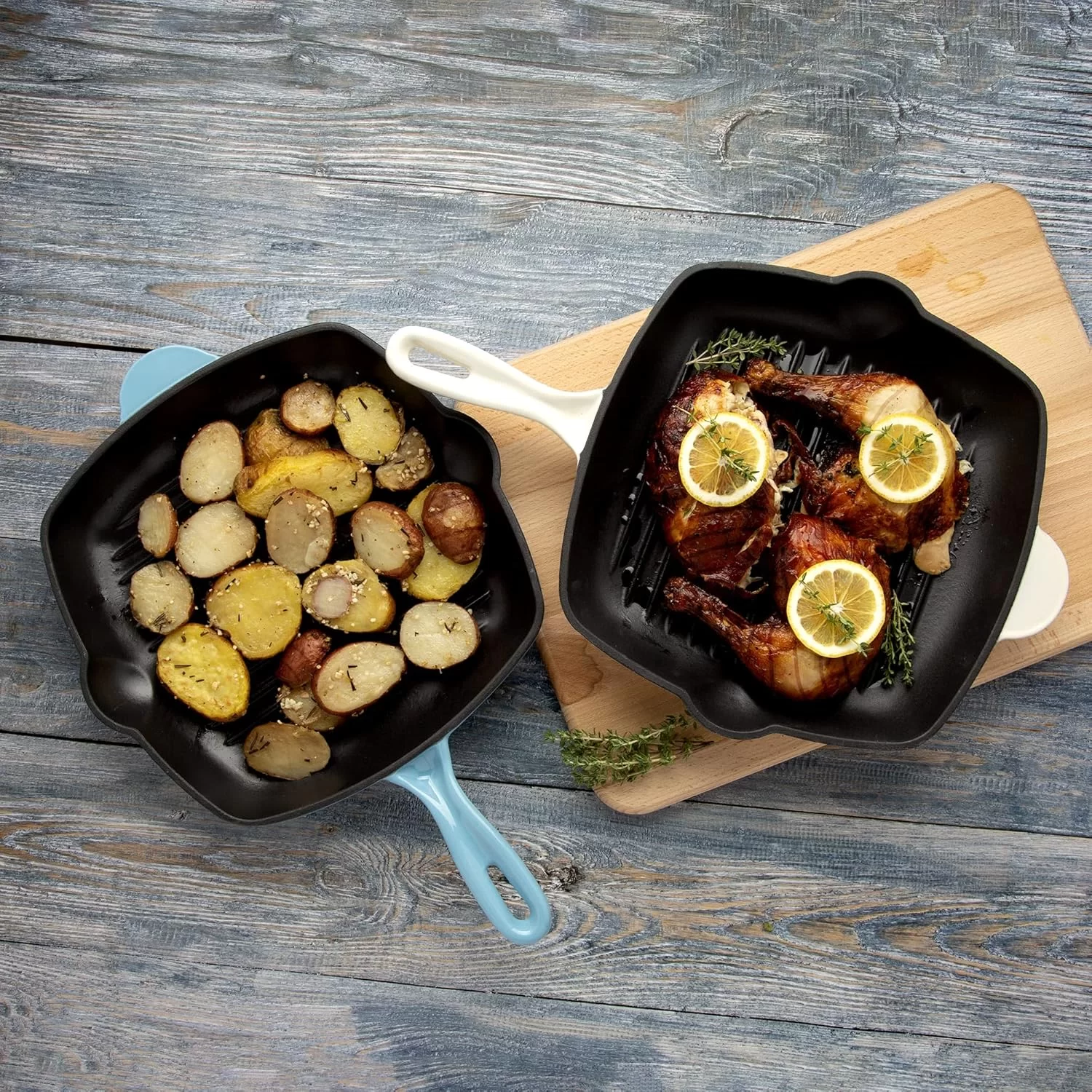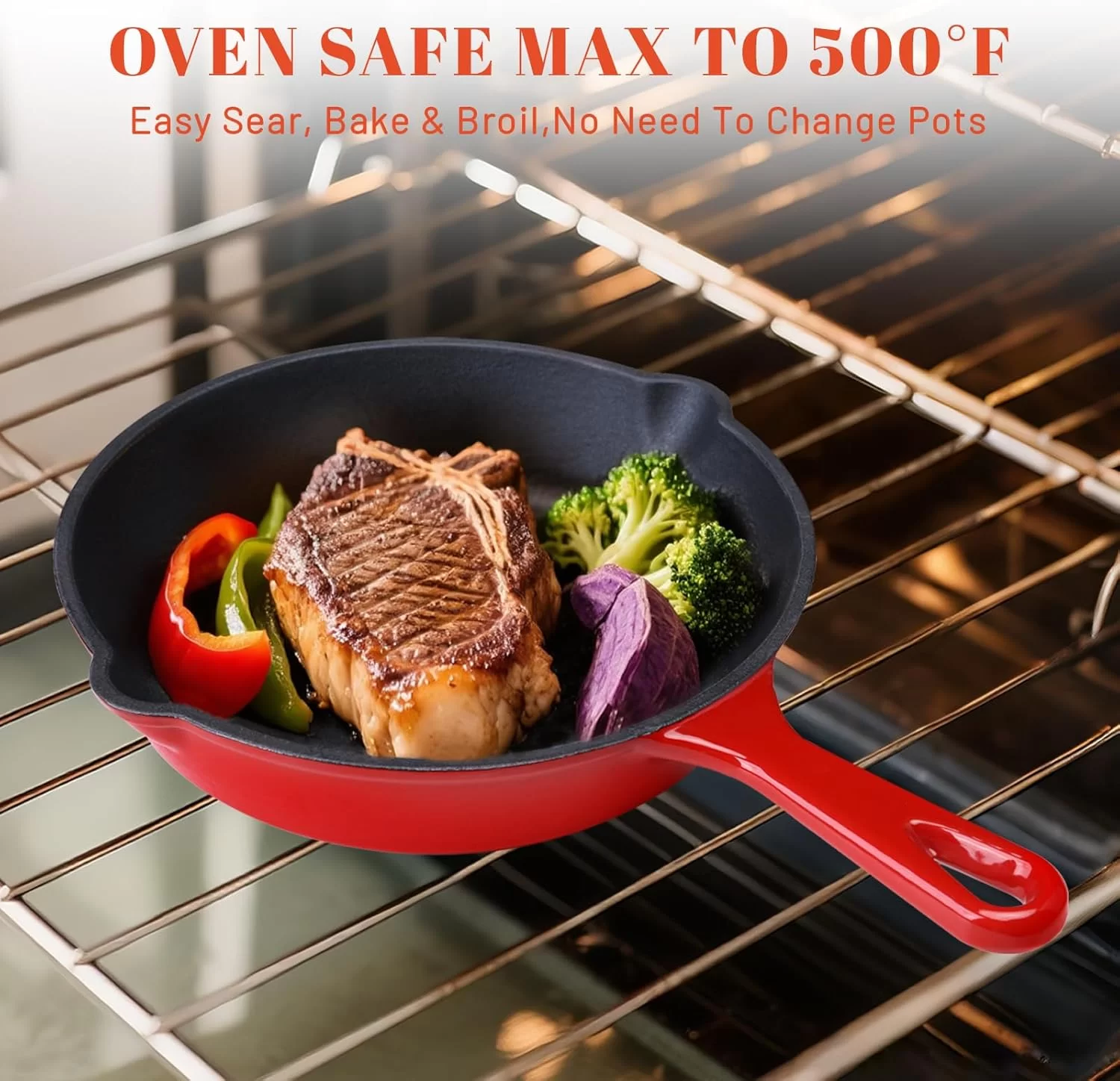
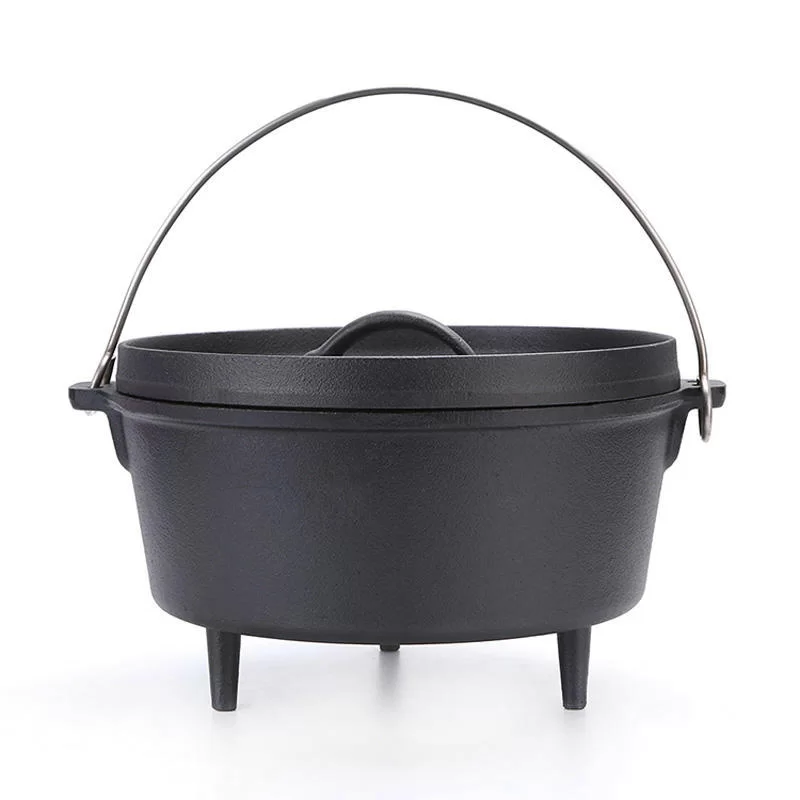
In the Philippines, the culinary culture relies heavily on slow-simmering stews and high-heat frying. However, the tropical maritime climate presents a significant challenge: rapid oxidation. Traditional raw cast iron often rusts quickly in the humid air of Manila or Cebu, leading Filipino chefs to seek the protection of a frying pan cast iron enameled which eliminates the need for constant seasoning.
The market has seen a shift from imported lightweight aluminum toward heavy-duty white enamel cast iron skillet options. These are increasingly preferred in modern Filipino kitchens for their aesthetic appeal and superior heat retention, which is essential for authentic Adobo and Kare-Kare preparation where consistent temperature is key.
Economically, there is a growing middle class in the Philippines investing in "lifetime cookware." This trend drives the demand for a small enameled cast iron skillet for individual portions and side dishes, blending European manufacturing standards with local Asian cooking habits.