Premium porcelain enamel skillet Solutions for Mexico

Premium porcelain enamel skillet Solutions for Mexico

Integrating traditional cast iron durability with modern vitreous enamel technology to elevate the culinary standards across North America.

Premium porcelain enamel skillet Solutions for Mexico

Specialized high-performance cast iron cookware designed to meet the rigorous demands of both professional kitchens and home chefs in the Mexican market.

The Cast Iron Landscape in North America - Mexico

Analyzing the intersection of traditional Mexican cooking habits and modern material science.

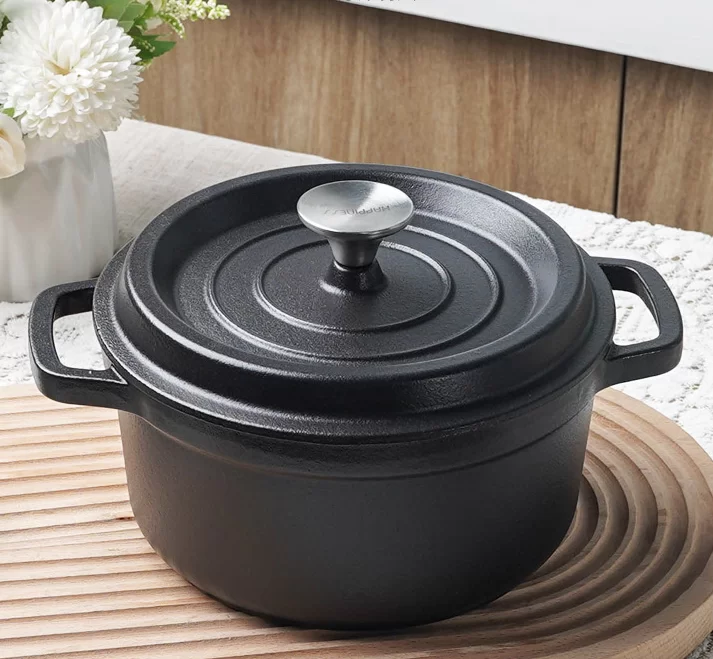
In Mexico, the culinary tradition is deeply rooted in slow-cooking and high-heat searing, making the frying pan cast iron enameled an essential tool for authentic gastronomy. The local market is currently shifting from raw cast iron to enameled versions to avoid the tedious seasoning process while maintaining superior heat retention.

The diverse climate of Mexico, from the humid coasts to the arid highlands, requires cookware that is resistant to corrosion. This has led to a surge in demand for the white enamel cast iron skillet, which offers a clean, non-reactive surface ideal for preparing acidic salsas and traditional moles without altering the flavor profile.

Economically, the growth of the urban middle class in cities like Mexico City and Guadalajara has increased the adoption of compact, high-efficiency kitchenware. Consequently, the small enameled cast iron skillet has become a staple for modern apartments where space is limited but quality is non-negotiable.
Evolution and Trajectory of Enamel Casting

From artisanal foundries to precision-engineered vitreous coatings.

Market Development History

Historically, Mexican kitchens relied on heavy, uncoated iron. By the late 20th century, the introduction of industrial enamel coatings revolutionized the industry, reducing the risk of rust and making cleaning significantly easier for commercial operators.

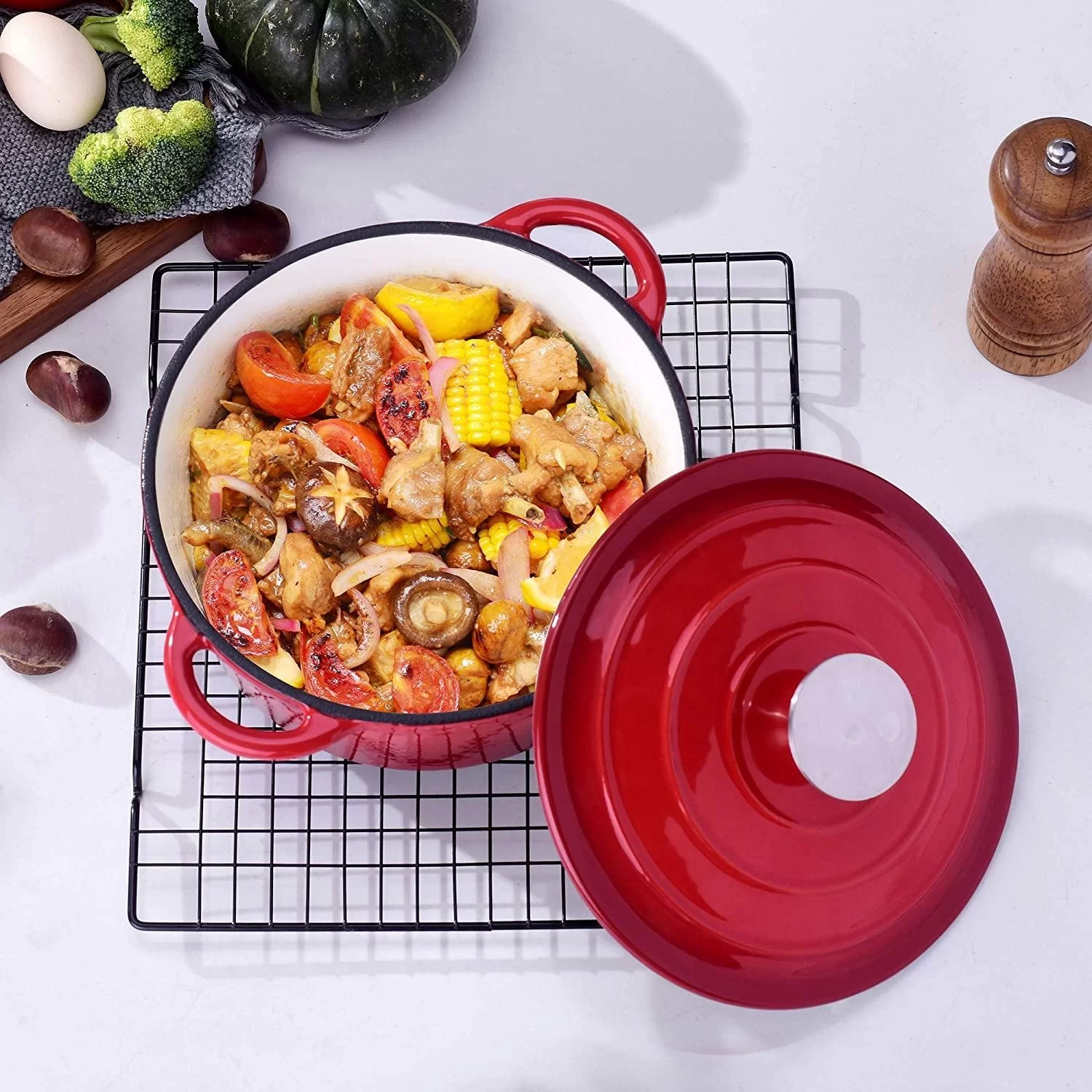
Between 2010 and 2020, the technical iteration moved toward multi-layer porcelain application. This era saw the rise of the deep enameled cast iron skillet, allowing chefs to transition seamlessly from searing meats to braising vegetables in a single vessel.

Modern iterations now focus on thermal shock resistance and the optimization of the glass-to-metal bond, ensuring that the enamel does not chip even under the extreme temperature fluctuations common in high-volume Mexican restaurants.

Future Development Trends

Eco-Friendly Smelting Processes

Integration of recycled scrap iron and low-emission furnaces to meet the tightening environmental regulations in North America.

Nano-Ceramic Hybrid Coatings

The development of hybrid surfaces that combine the durability of porcelain with nano-ceramic non-stick properties for healthier cooking.

Induction-Optimized Base Geometry

Precision milling of the skillet bottom to ensure 100% contact with induction cooktops, reflecting the global shift toward electric cooking.

Industry Outlook and Strategic Projections

Anticipating the shift in consumer behavior and manufacturing technology.

Precision Thermal Control
Implementing advanced heat-distribution patterns in the cast iron core to eliminate hot spots.
Anti-Corrosion Enameling
Using high-silica glass frits to create an impenetrable barrier against salty and acidic foods.
Lightweight Casting Tech
Optimizing wall thickness through computer-aided design to reduce weight without sacrificing heat mass.
Sustainable Supply Chains
Reducing carbon footprints in the logistics corridor between manufacturing hubs and North American ports.

Industry Outlook

Google search trends indicate a rising interest in "low-maintenance cast iron," suggesting that the market is moving decisively toward enameled solutions. In Mexico, this translates to a demand for cookware that blends professional capability with household convenience.

Over the next 3-5 years, we expect a convergence of smart-kitchen integration and traditional materials, where enameled cast iron is paired with precise digital temperature sensors for perfect slow-cooking results.

Localized Applications in Mexican Gastronomy

How our precision-cast cookware fits the unique needs of the region.

1. Slow-Simmered Mole Preparation

The deep enameled cast iron skillet is perfect for the long reduction of complex mole sauces, preventing scorching and maintaining a steady temperature.

2. Gourmet Breakfast Tacos

Using a small enameled cast iron skillet allows for perfect individual portions of chilaquiles or huevos rancheros that can go straight from stove to table.

3. High-Heat Searing for Carne Asada

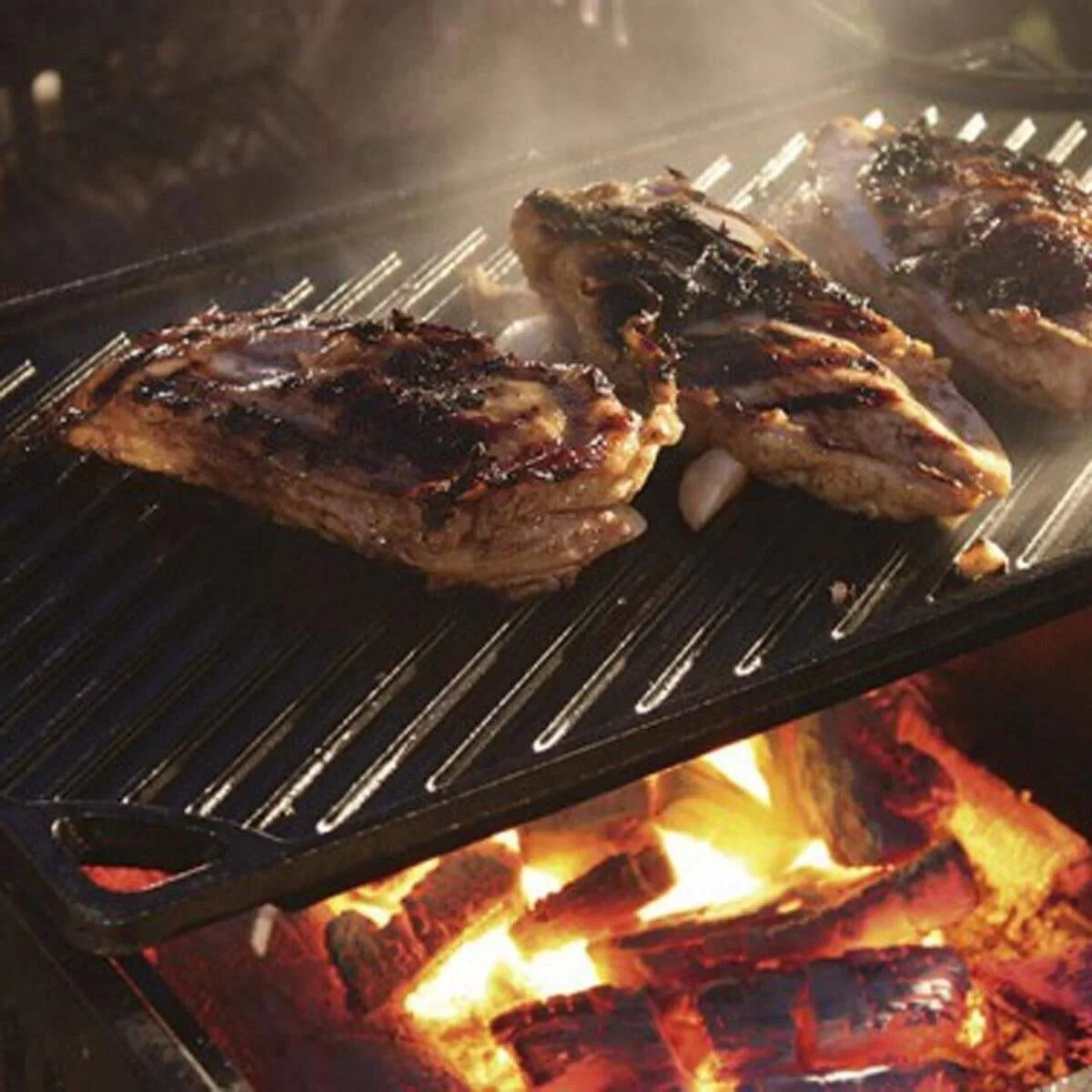
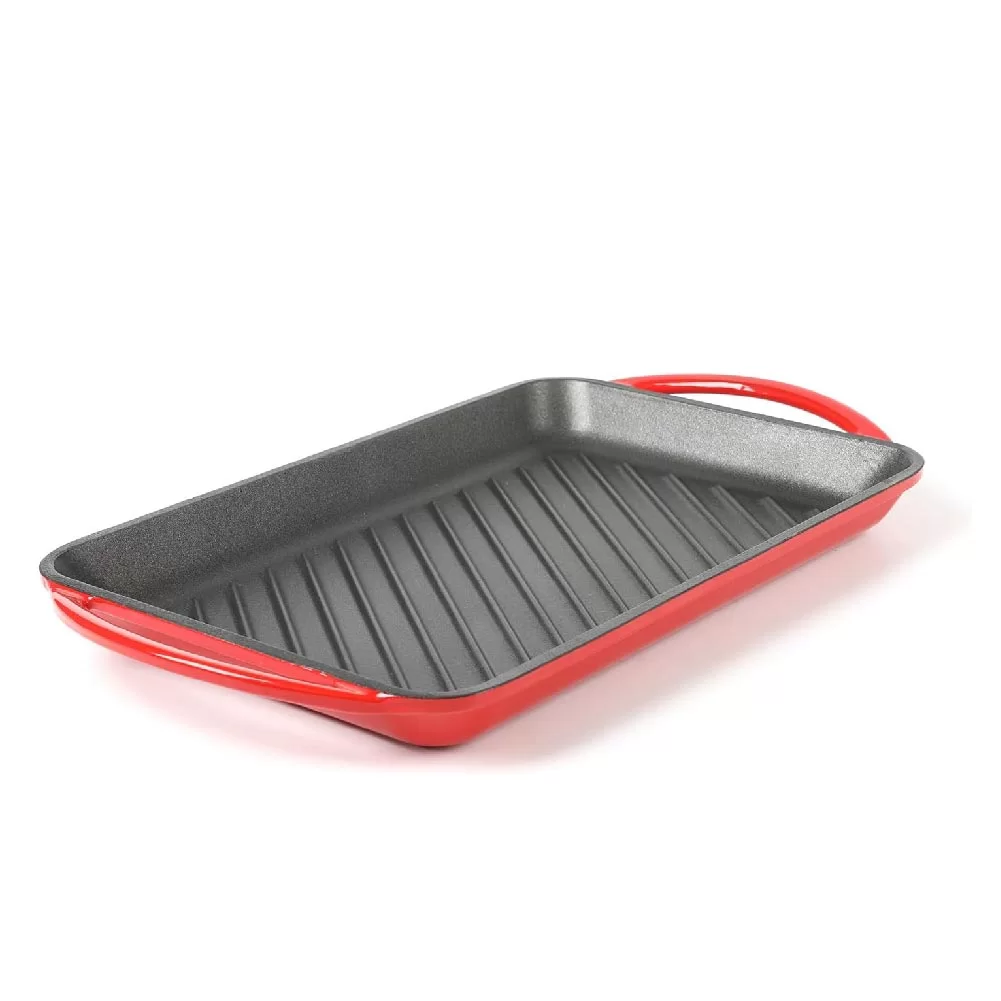
The thermal mass of the frying pan cast iron enameled ensures a professional crust on premium beef cuts, mimicking an outdoor grill indoors.

4. Acidic Citrus Glazing

The non-reactive surface of the white enamel cast iron skillet is ideal for lime-heavy glazes and ceviche-style reductions without metallic leaching.

5. Professional Catering for Festive Events

Large-scale hospitality sectors in Mexico utilize our porcelain enamel skillet range for consistent heat during banquet service, ensuring food stays warm during long celebrations.

Brand Story

Global Development Journey of Ningjin County Jinshengyuan Casting Co., Ltd.

Foundational Excellence

Started as a local foundry, focusing on the raw strength of iron and the art of traditional casting to solve durability issues in cookware.

Technical Pivot

Invested in vitreous enamel technology to eliminate the rust pain point, bridging the gap between industrial strength and domestic elegance.

Global Standards Adoption

Achieved international quality certifications, ensuring every piece of cookware meets the strict safety and health standards of North American markets.

Market Expansion

Strategically entered the Mexican market, tailoring product dimensions and coatings to suit the vibrant and demanding Latin American culinary culture.

Future Vision

Committed to sustainable manufacturing and the continuous pursuit of the perfect heat-conduction balance for kitchens worldwide.

Complete Cookware Portfolio for the Mexican Market

From professional-grade deep skillets to compact home essentials, engineered for North American excellence.

Mexico Regional FAQ

Common inquiries regarding the use and maintenance of enameled cast iron in North America.

Do I need to season my deep enameled cast iron skillet?

No, unlike raw cast iron, the vitreous enamel coating provides a non-reactive surface that does not require seasoning. You can use it immediately after purchase.

Is the white enamel cast iron skillet suitable for high-acid foods like lime and vinegar?

Yes, the porcelain enamel is chemically inert, making it perfect for preparing acidic sauces without the risk of metallic tastes or surface corrosion.

How do I clean a small enameled cast iron skillet without damaging the finish?

We recommend using a soft sponge and mild soap. Avoid steel wool or abrasive scrubbers to maintain the integrity of the enamel glass layer.

Can a frying pan cast iron enameled be used on an induction stove?

Absolutely. Our products feature a ferromagnetic cast iron core that is fully compatible with all induction, gas, and electric cooktops.

What is the temperature limit for a porcelain enamel skillet in the oven?

Our enamel skillets are typically oven-safe up to 500°F (260°C). Please ensure any handles are also rated for high-temperature use.

Why is enamel casting preferred over traditional iron in Mexico's coastal regions?

The salt-heavy air in coastal regions accelerates rust in raw iron. The enamel coating provides a permanent shield against humidity and oxidation.

Partner With the Experts in Casting

Ready to upgrade your inventory or commercial kitchen? Contact us today for customized manufacturing solutions in Mexico.

Contact Us Now

If you are interested in our products, you can choose to leave your information here, and we will be in touch with you shortly.