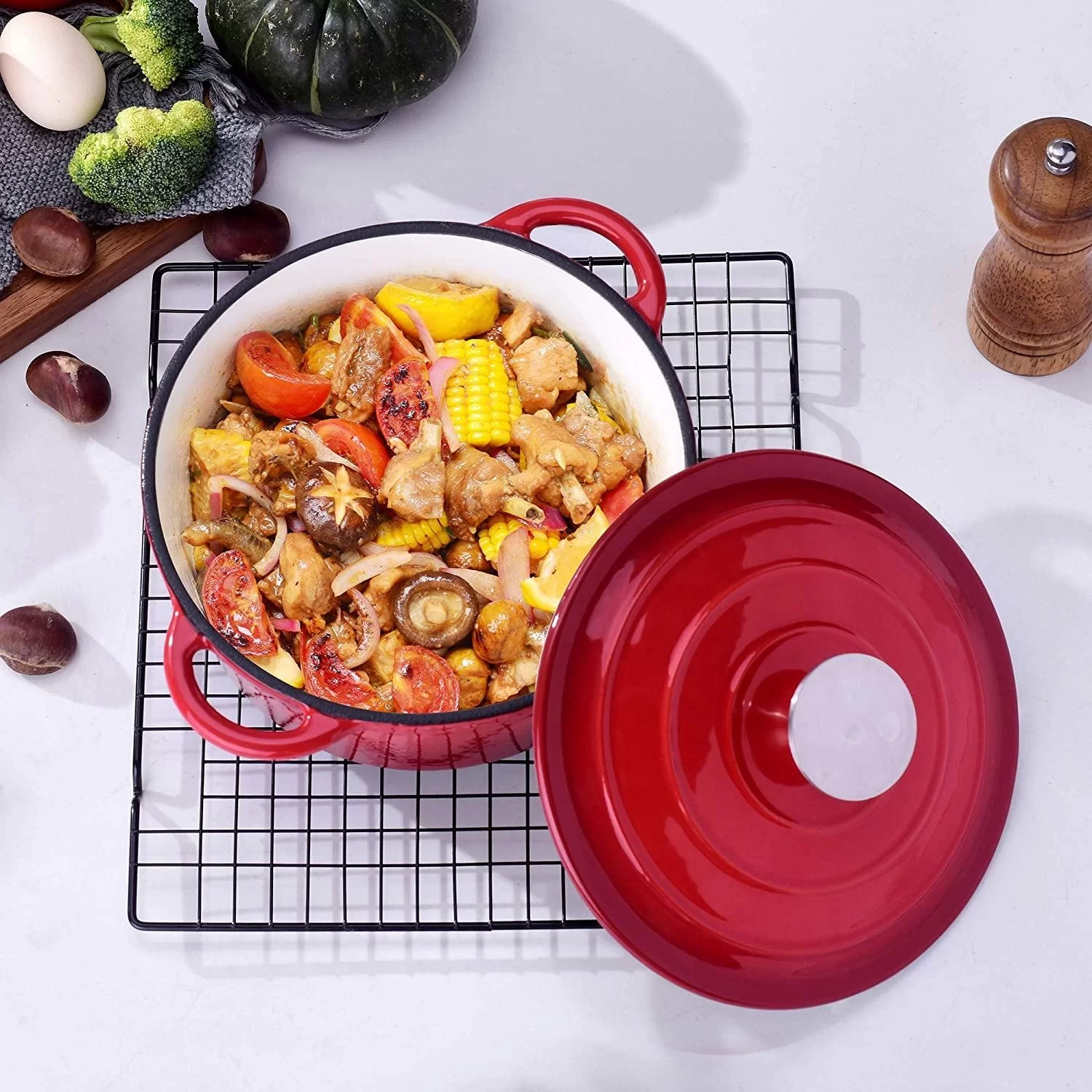
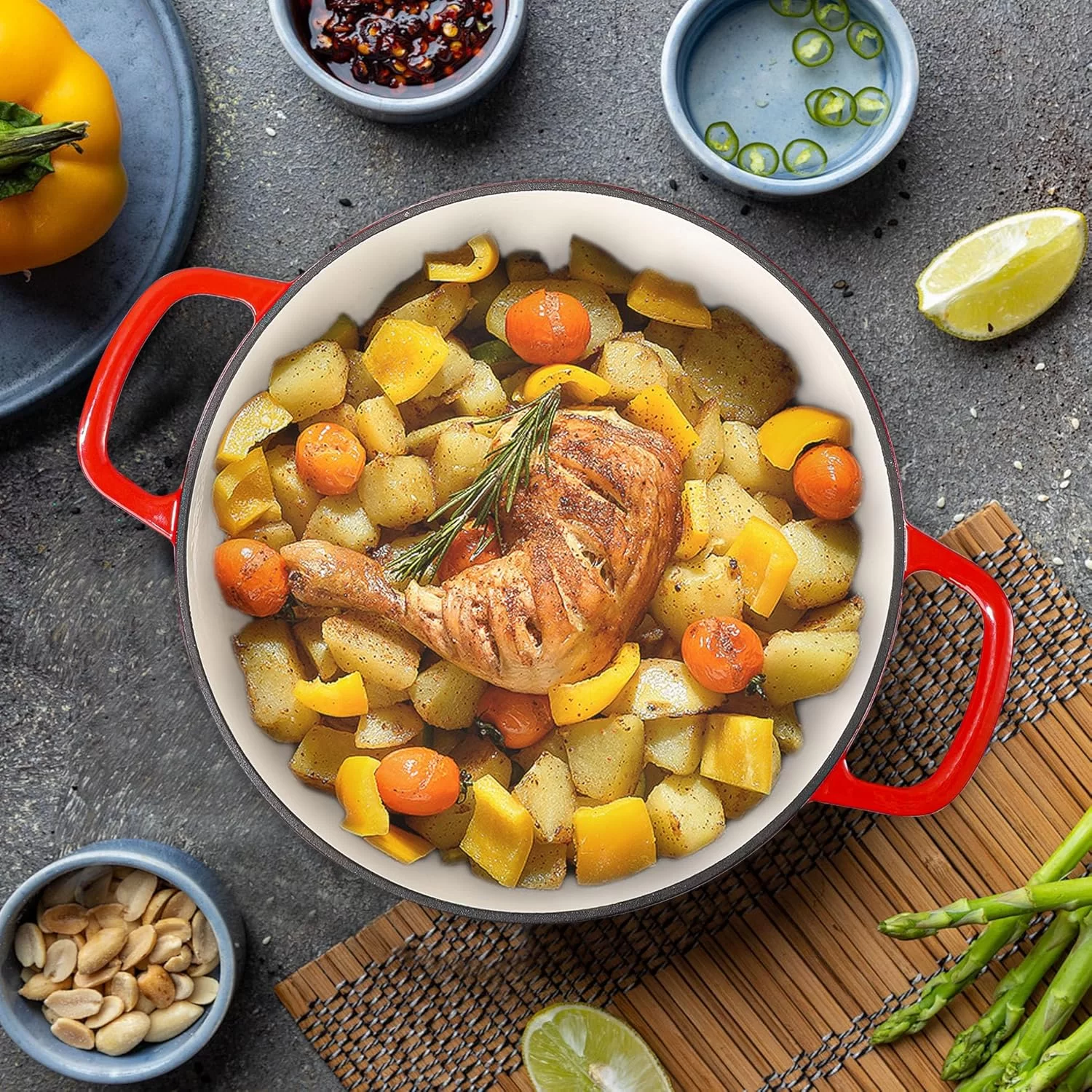
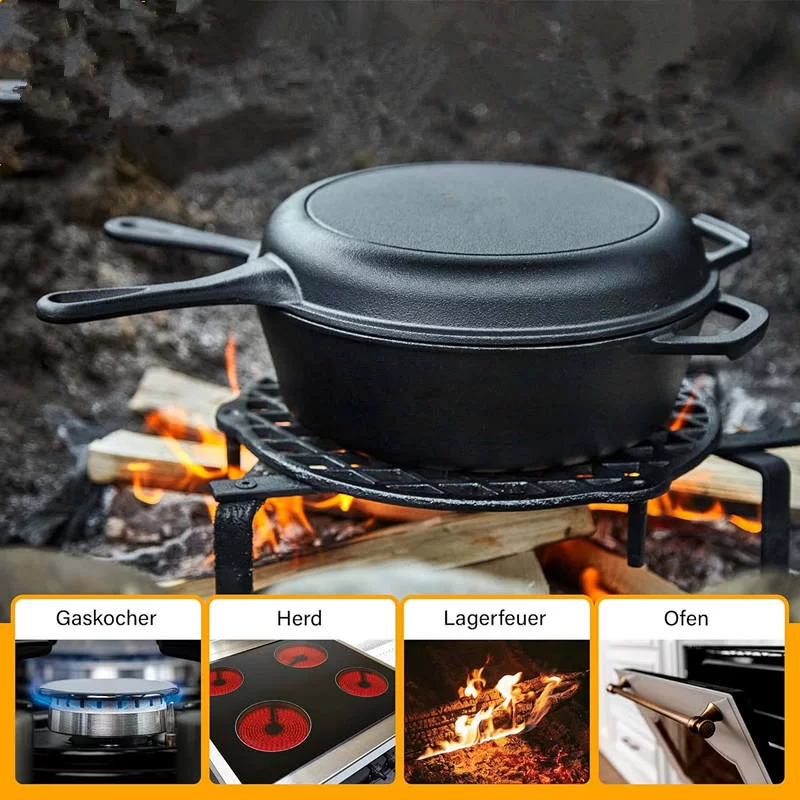
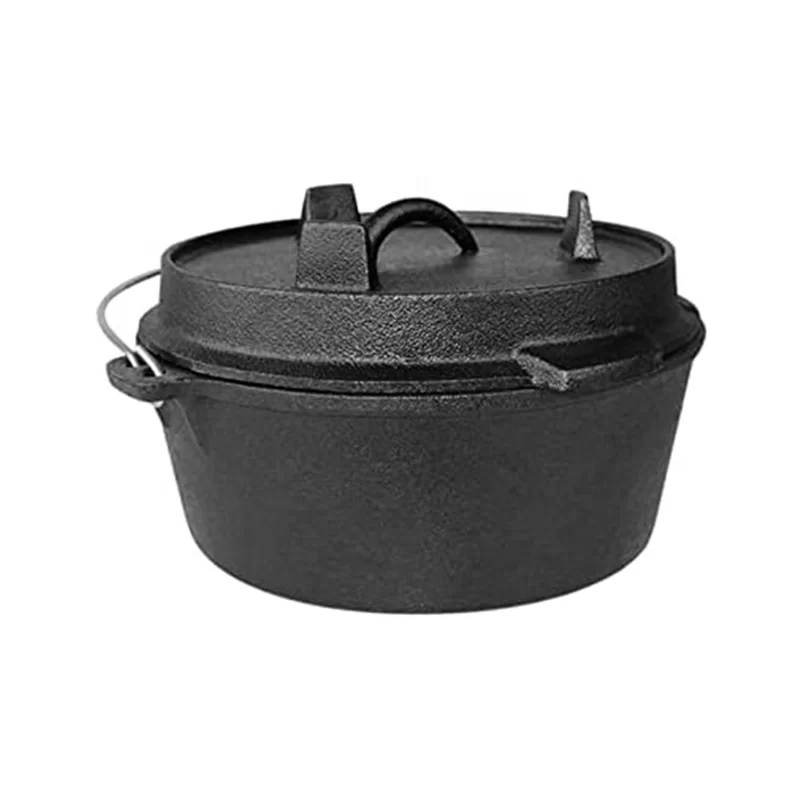
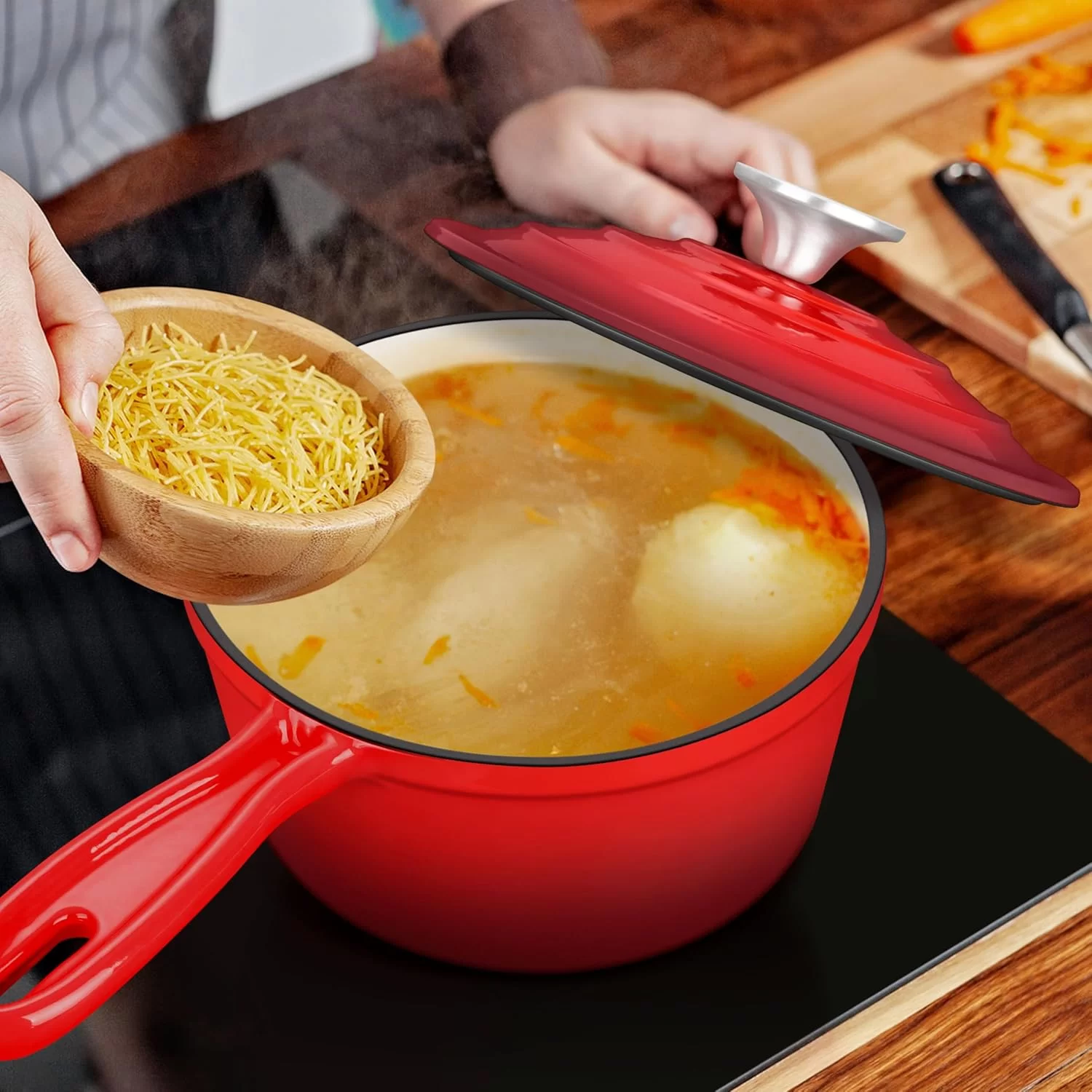
In Iran, the culinary culture is deeply rooted in slow-cooking and high-temperature searing, making the frying pan cast iron enameled an essential tool for modern kitchens. However, the arid climate and varying water hardness in regions like Tehran and Isfahan often lead to premature oxidation in raw cast iron, driving a surge in demand for enameled alternatives.
Economic shifts towards urban luxury living have created a niche for the white enamel cast iron skillet, which serves both as a high-performance cooking vessel and an aesthetically pleasing piece for "table-to-oven" presentation, a growing trend in Persian hospitality.
Despite a strong history of metalworking in the region, there is a technical gap in precision vitreous enamel application. This has left the market open for high-grade industrial imports that can withstand the thermal shock of rapid temperature changes common in Iranian professional catering.