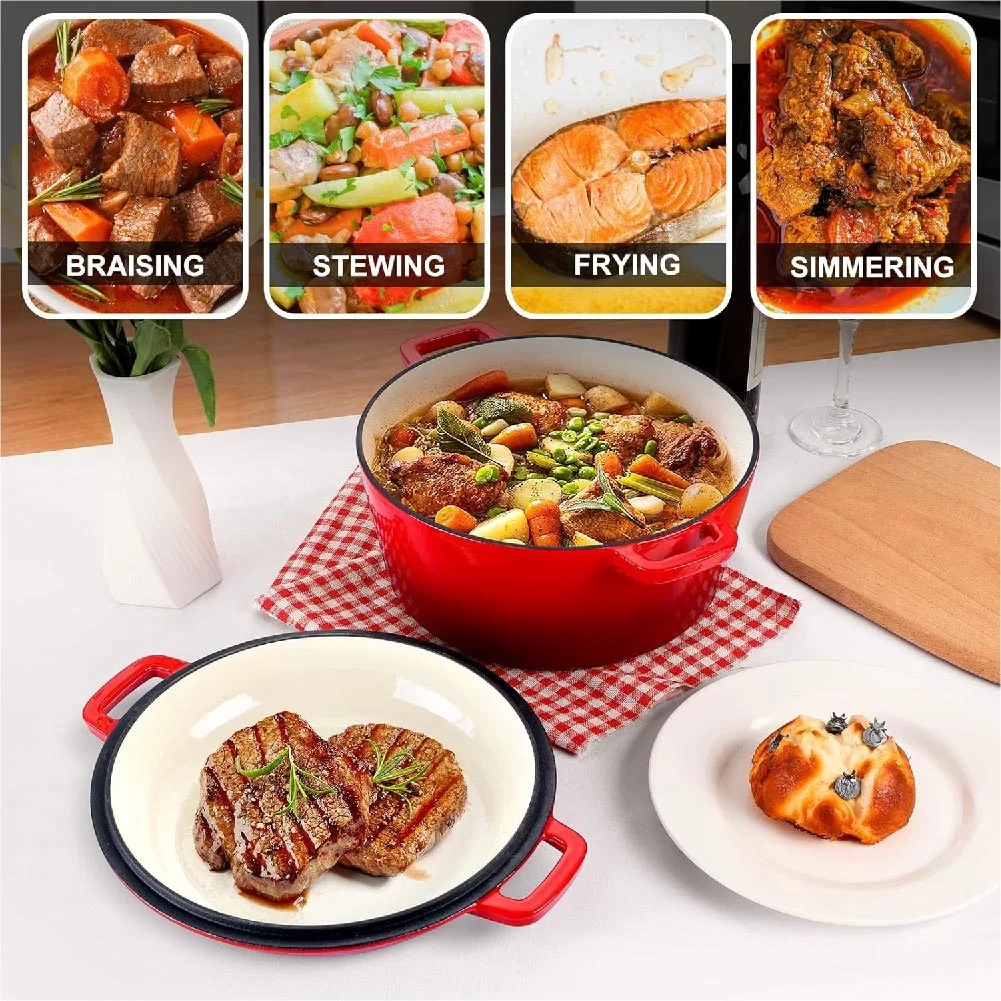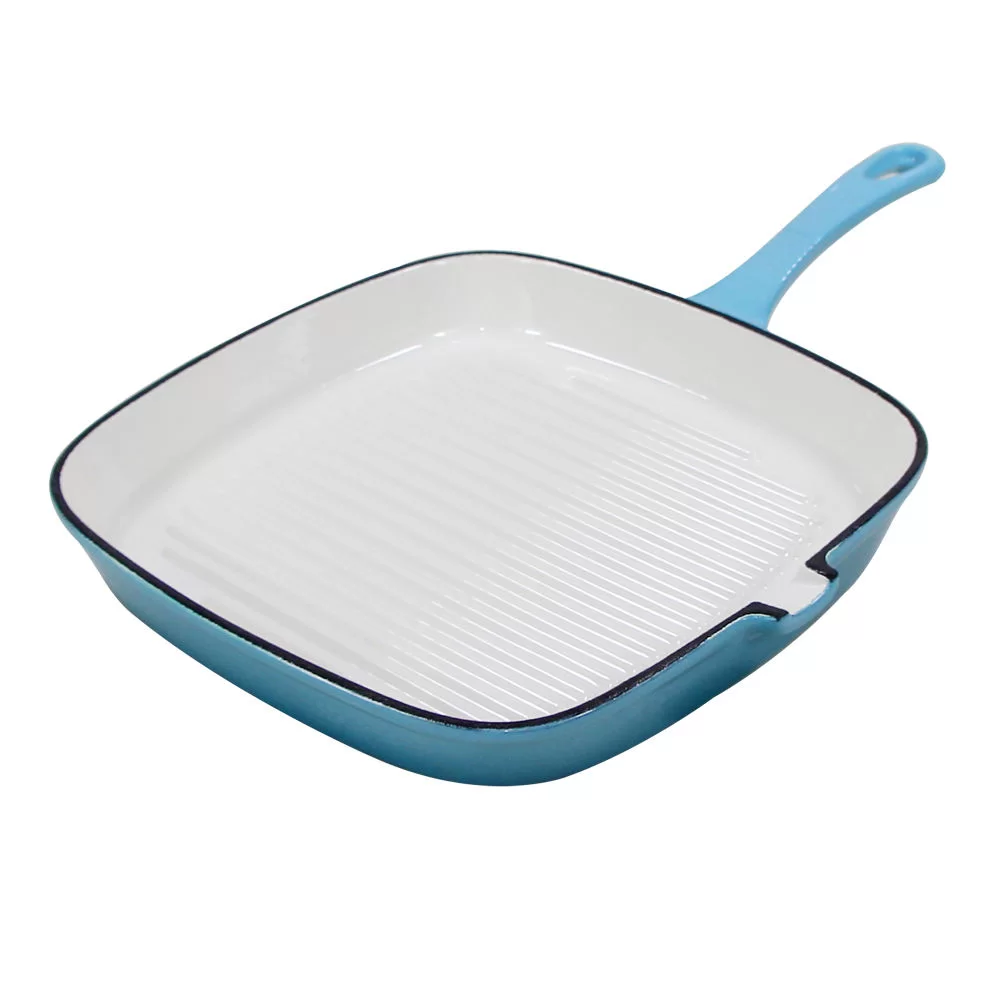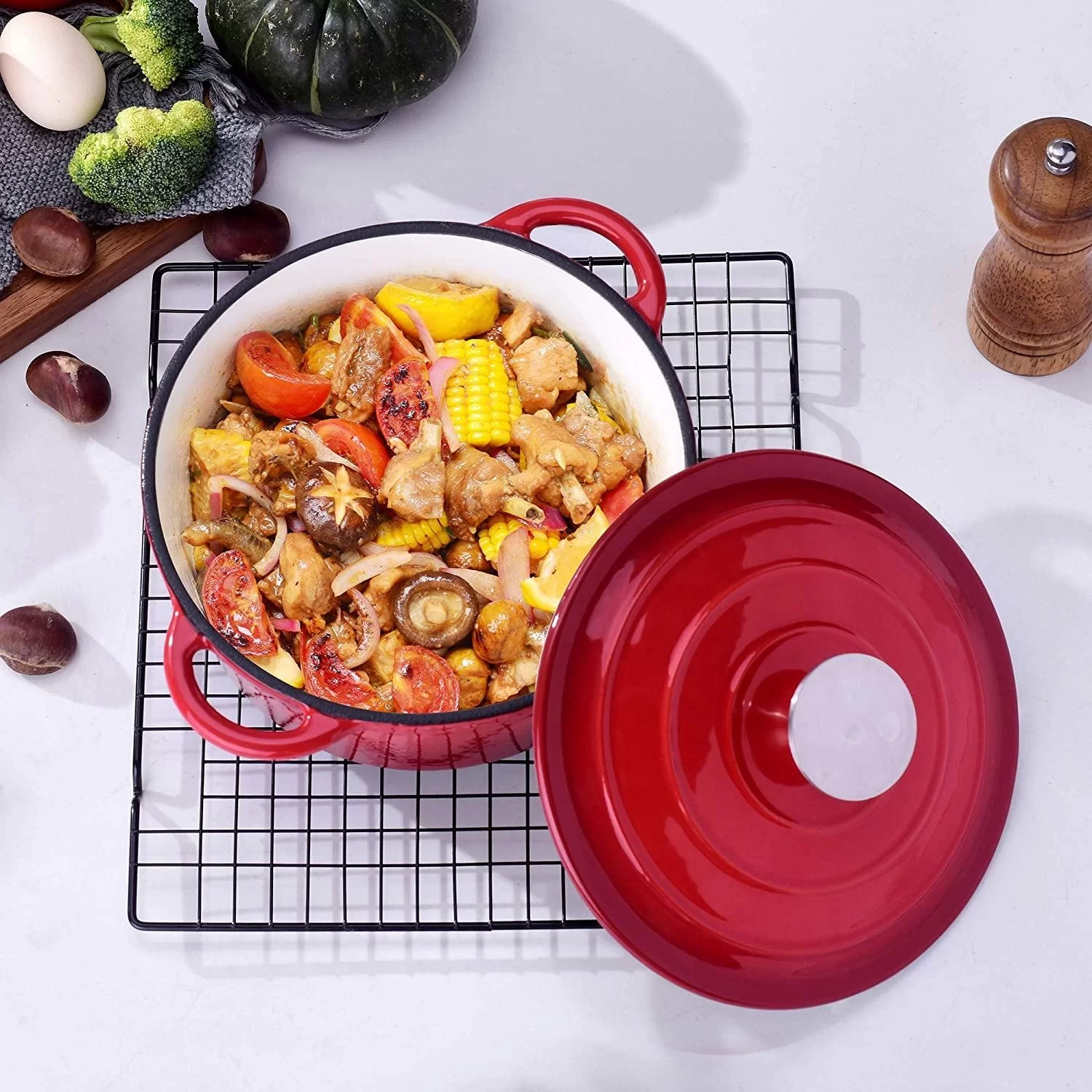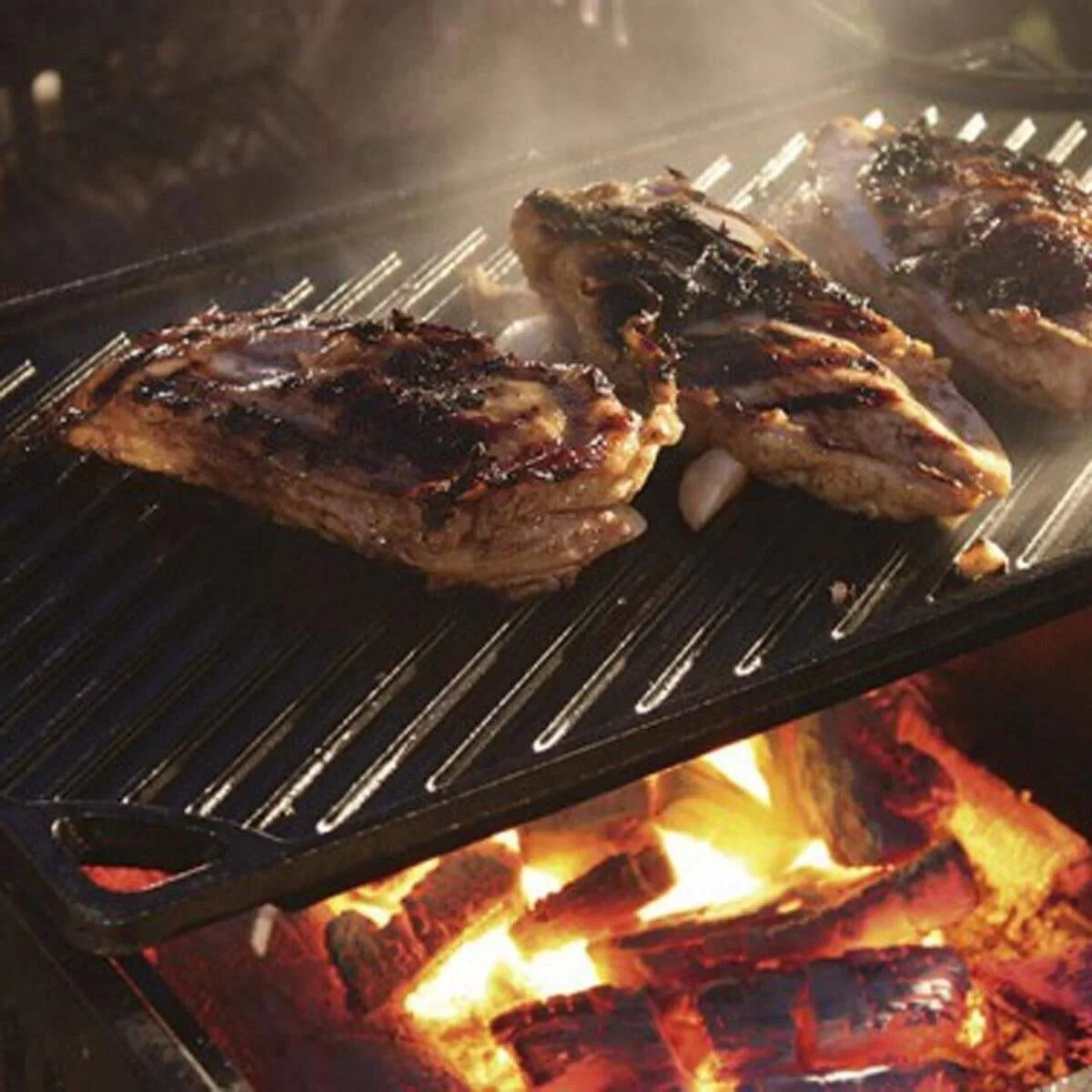
In Brazil, the culinary culture is deeply rooted in slow-cooking and hearty meals, where heat retention is paramount. However, the humid subtropical climate of coastal regions often accelerates the oxidation of raw cast iron, creating a significant market demand for a white enamel cast iron skillet that resists rust while maintaining thermal mass.
The Brazilian consumer is currently transitioning from heavy, unseasoned industrial iron to refined, aesthetically pleasing kitchenware. This shift is driven by the growth of urban gastronomy in São Paulo and Rio de Janeiro, where a frying pan cast iron enameled is preferred for its versatility in both searing meats and presenting dishes directly on the table.
Economic fluctuations in South America have led to a preference for "lifetime cookware." Professional chefs across Brazil are increasingly investing in a deep enameled cast iron skillet because it eliminates the need for constant seasoning and provides a non-reactive surface for acidic ingredients like tomatoes and citrus, common in local recipes.