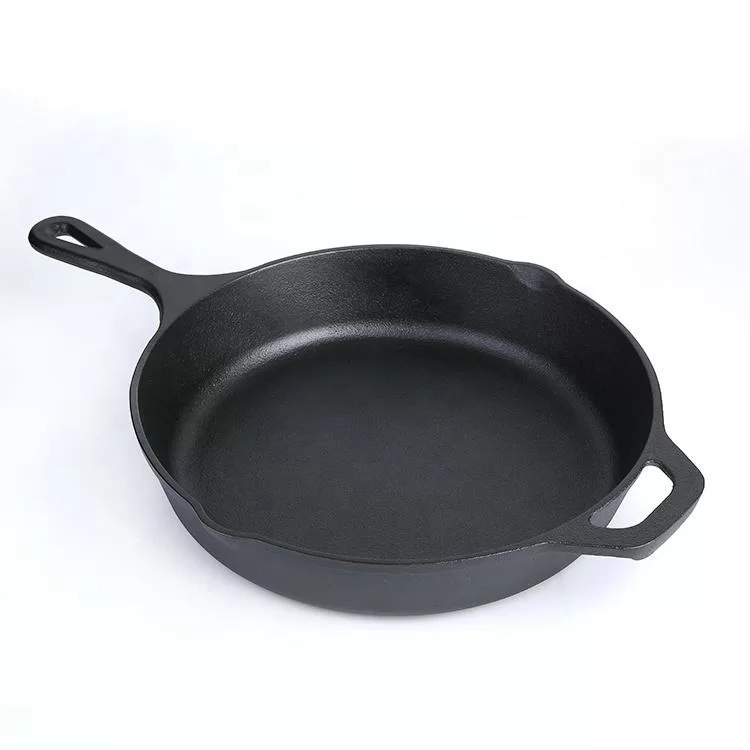
Premium Enameled Cookware Solutions The porcelain enamel skillet for Japan

Premium Enameled Cookware Solutions: The porcelain enamel skillet for Japan

Integrating traditional Japanese culinary precision with advanced metallurgy to deliver superior heat retention and durability for modern kitchens.

Premium Enameled Cookware Solutions: The porcelain enamel skillet for Japan

Our high-performance cast iron series is engineered to meet the rigorous standards of Japanese gastronomy, combining aesthetic elegance with industrial-grade resilience.

Market Landscape of Cast Iron in Japan

Analyzing the intersection of traditional "Nambu Tekki" heritage and modern consumer demands.

In Japan, the cookware market is characterized by a profound respect for heat conductivity and material purity. With the rise of compact urban living in cities like Tokyo and Osaka, there is a surging demand for a small enameled cast iron skillet that maximizes utility within limited kitchen spaces without sacrificing the slow-cooking capabilities of traditional iron.

The humid climate of the Japanese archipelago historically posed challenges for raw cast iron maintenance. This has led to a market shift toward the white enamel cast iron skillet, which eliminates the need for arduous seasoning while preventing rust, aligning perfectly with the Japanese preference for cleanliness and "Kirei" aesthetics.

Currently, the industry is witnessing a transition where professional chefs and home cooks alike seek a frying pan cast iron enameled that can transition seamlessly from a high-heat induction hob to a sophisticated dining table, reflecting the cultural trend of "one-pot" dining and presentation.
Evolution and Trajectory of Enameled Cast Iron

From artisan foundries to precision automated enamel coating technologies.

Market Development History

Before the 1990s, the Japanese market was dominated by raw cast iron. However, the introduction of advanced vitreous enamel techniques allowed for the creation of the first commercial deep enameled cast iron skillet, which provided a non-reactive surface ideal for acidic ingredients and stews.

Between 2000 and 2015, the focus shifted toward thermal efficiency. Manufacturers optimized the wall thickness of the cast iron to ensure that heat distribution remained uniform, reducing "hot spots" that are often problematic in traditional frying pans.

From 2016 to the present, the integration of high-temperature fusion enamel has minimized chipping and cracking, allowing the modern porcelain enamel skillet to withstand the rapid temperature fluctuations typical of professional Japanese kitchens.

Future Development Trends

Eco-Friendly Coating Materials

Integration of PFAS-free and lead-free enamel glazes to meet stricter Japanese environmental and health regulations.

Lightweight Cast Iron Alloys

Development of refined iron alloys that maintain thermal mass while reducing total weight for better ergonomics.

Smart Thermal Integration

Designing cookware specifically optimized for the next generation of AI-controlled induction cooktops common in Japanese smart homes.

Industry Trends & Future Outlook

Strategic forecasting for the high-end metalware sector in East Asia.

Miniaturization Trend
Optimization of sizes to fit the "single-person household" demographic increasing in Japan.
Induction Efficiency
Enhanced magnetic base permeability for 100% efficiency on Japanese IH cookers.
Aesthetic Versatility
Shift toward neutral palettes like white and cream to match modern Japandi interior design.
Longevity Economy
Consumer shift toward "buy it for life" products to reduce waste and environmental impact.

Industry Outlook

Based on Google search trends in the Asia-Pacific region, we anticipate a 15% increase in searches for "low-maintenance cast iron" over the next 3 years. This indicates a clear preference for enameled surfaces that offer the benefits of iron without the seasoning burden.

The future trajectory points toward a hybrid approach where industrial casting precision is combined with artisanal finishing, catering to the Japanese luxury home-cooking segment that values both performance and heritage.

Localized Application Scenarios in Japan

Tailored cookware usage for Japanese culinary traditions and modern living.

01. Traditional Nikujaga Stewing

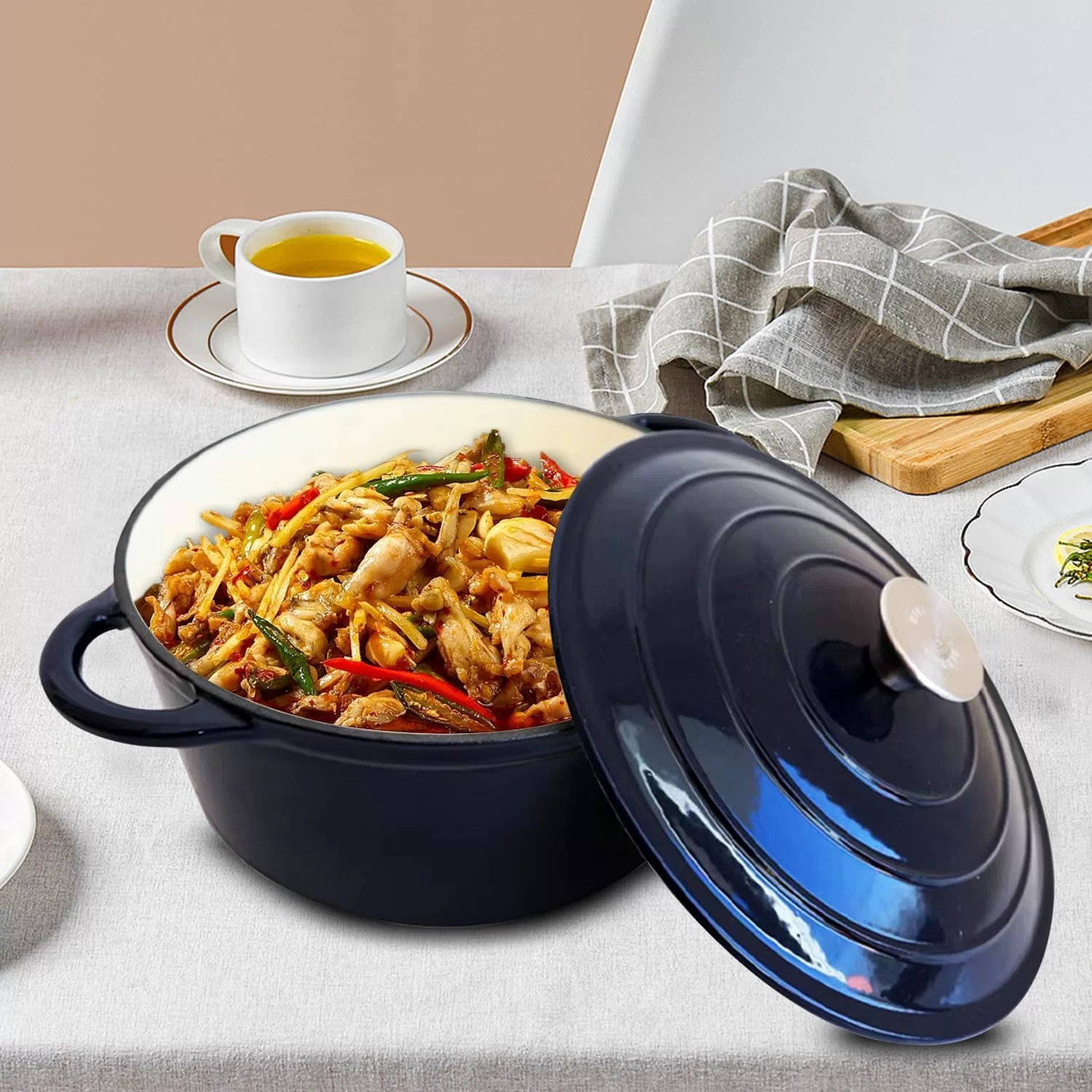
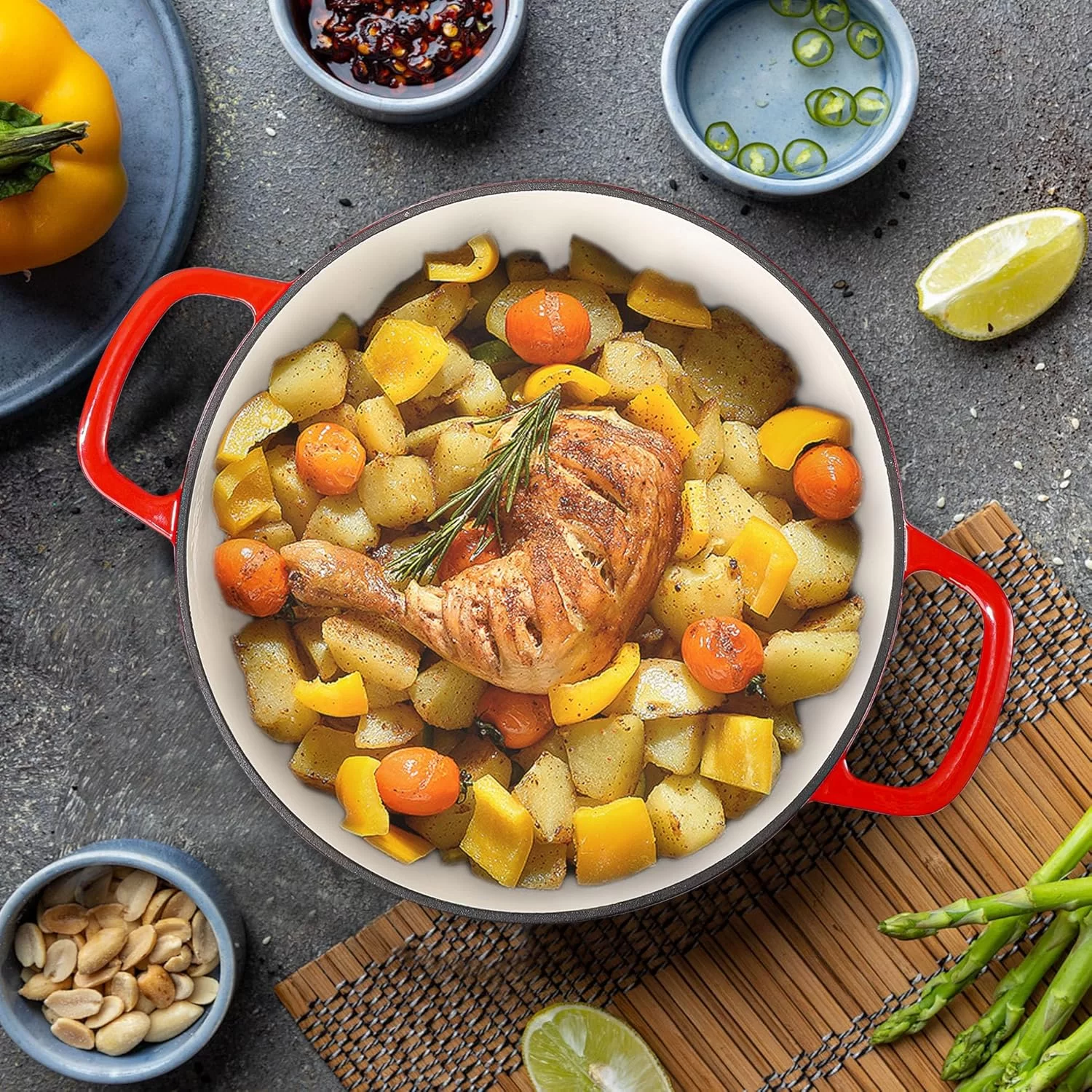
Using a deep enameled cast iron skillet to simmer meat and potatoes, where the enamel prevents the soy-based sauce from reacting with the iron, maintaining a bright, natural color.

02. Compact Urban Breakfasts

The small enameled cast iron skillet is perfect for preparing a single serving of Japanese-style omelets (Tamagoyaki) or small portions of grilled fish on small IH hobs.

03. Modern Japandi Table Presentation

Utilizing a white enamel cast iron skillet as a serving vessel, bringing a visually clean and elegant look directly from the stove to the wooden dining table.

04. High-Heat Searing for Wagyu

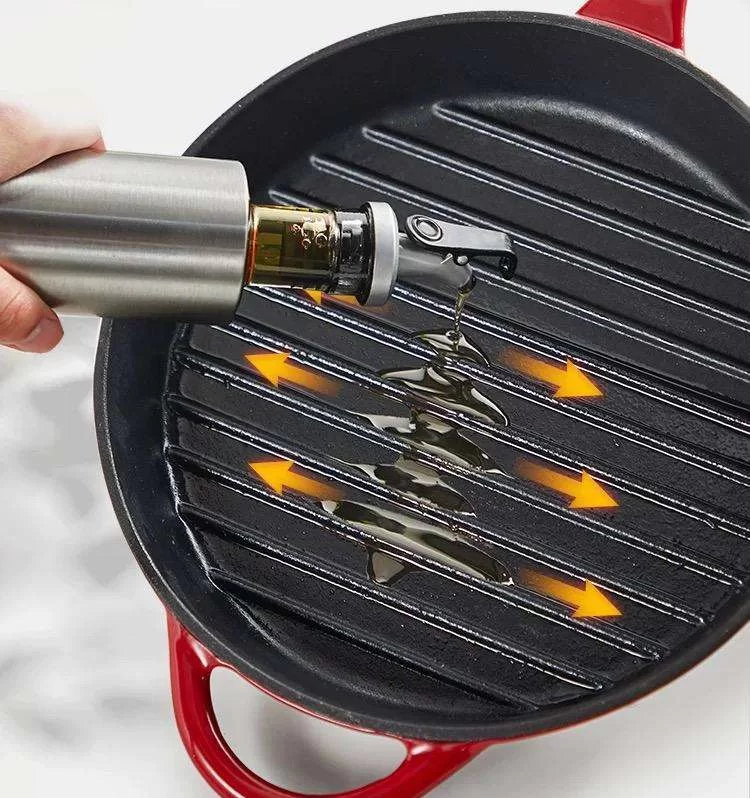
Employing a frying pan cast iron enameled to achieve the perfect Maillard reaction on premium Wagyu beef, ensuring consistent heat across the entire surface.

05. Slow-Braised Zen Temple Cuisine

Using a porcelain enamel skillet for slow-cooking root vegetables, ensuring the subtle flavors of the ingredients are preserved through precise temperature control.

Brand Story

Global Development Journey of Ningjin County Jinshengyuan Casting Co., Ltd.

Foundational Excellence

Established with a focus on raw metallurgical purity, solving the initial pain point of uneven casting in traditional ironware.

Enamel Innovation

Invested in high-temperature fusion technology to solve the common industry problem of enamel peeling and cracking.

Global Quality Standards

Aligned production lines with international food-grade certifications, enabling expansion into the strict Japanese market.

Precision Engineering

Developed automated polishing and coating processes to ensure every skillet meets micrometer-level thickness consistency.

Sustainable Future

Committed to carbon-neutral casting methods and zero-waste enamel recycling to lead the green transition in metalware.

Complete Product Portfolio for the Japanese Market

From professional-grade deep skillets to elegant white enamel options for the home.

Common Inquiries for Enameled Cookware in Japan

Expert answers to your technical and maintenance questions.

Is a deep enameled cast iron skillet compatible with Japanese IH cooktops?

Yes, our products are engineered with a high-permeability magnetic base, ensuring optimal energy transfer and efficient heating on all standard induction hobs used in Japan.

How do I maintain the surface of a white enamel cast iron skillet?

Avoid abrasive steel wool. We recommend using a soft sponge and mild detergent. For stubborn stains, a paste of baking soda and water is highly effective for maintaining the pristine white finish.

Can a small enameled cast iron skillet be used in the oven?

Absolutely. Our enamel is fused at extreme temperatures, making it oven-safe. Please ensure the handle is rated for your specific oven temperature (typically up to 260°C).

What are the benefits of a frying pan cast iron enameled over raw iron?

The primary benefits include the elimination of seasoning, rust prevention, and a non-reactive surface that allows for cooking acidic foods like tomato-based sauces without metallic taste.

How does a porcelain enamel skillet handle heat distribution?

The thick cast iron core absorbs heat slowly and releases it evenly, while the porcelain enamel layer ensures that the surface temperature remains stable, preventing localized burning.

Will the enamel chip if used with metal utensils?

While our enamel is high-strength, we recommend using silicone or wooden utensils to prolong the lifespan of the coating and prevent surface scratches.

Partner with the Casting Experts

Ready to elevate your product line with world-class cast iron manufacturing? Our team is ready to support your business in Japan.

Contact Us Now

If you are interested in our products, you can choose to leave your information here, and we will be in touch with you shortly.