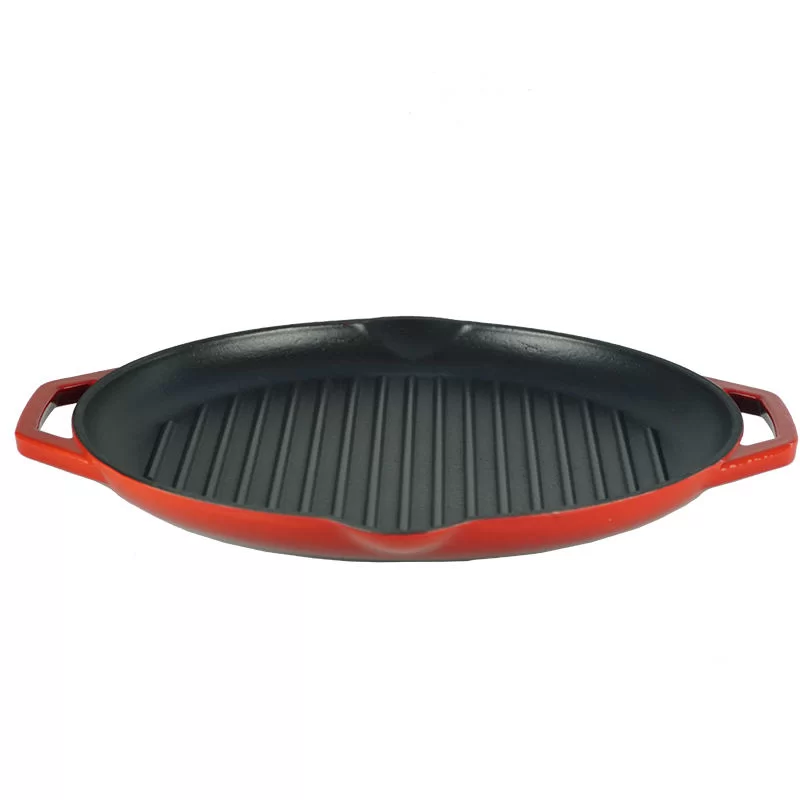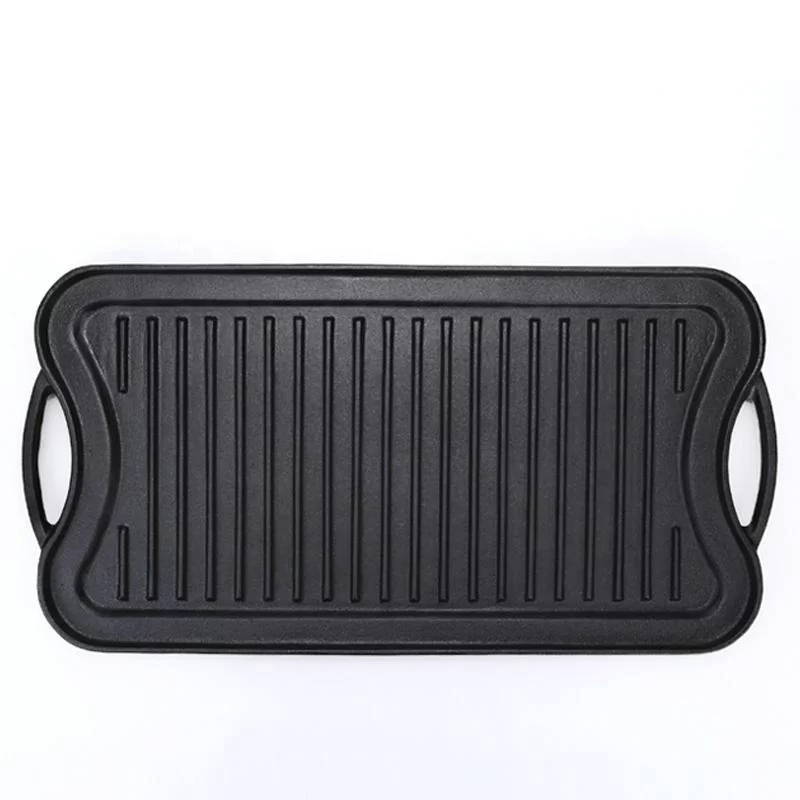
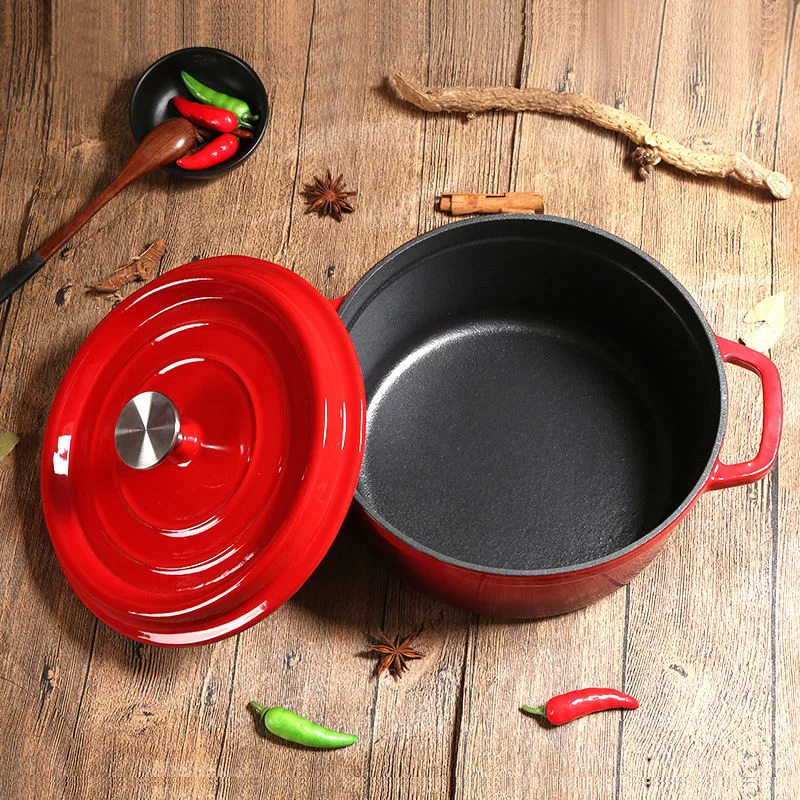
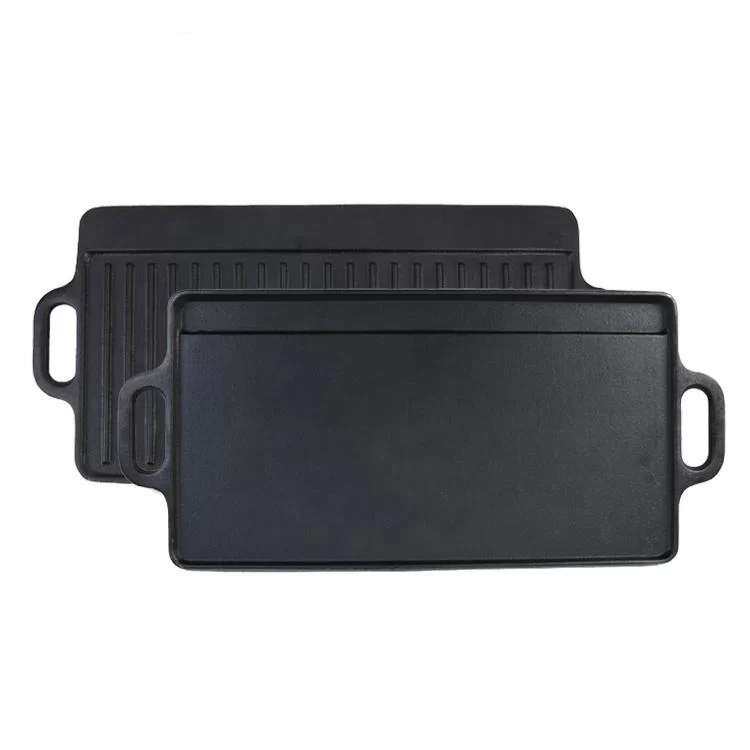
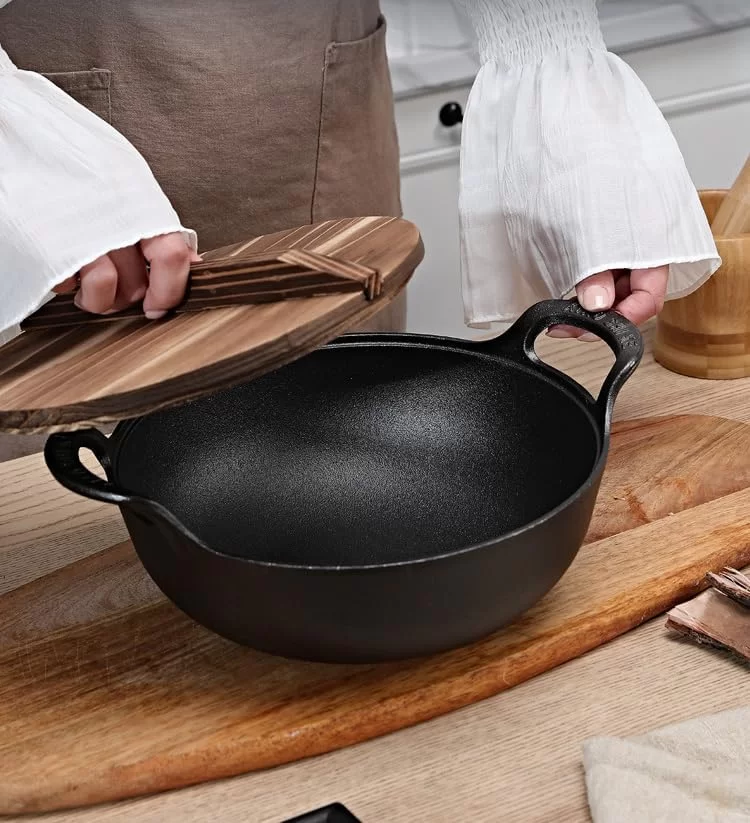
Premium Dutch Culinary Solutions with porcelain enamel skillet

Premium Dutch Culinary Solutions with porcelain enamel skillet

Engineered for the European market, combining traditional cast iron durability with modern enamel precision for the discerning Netherlands home chef.

Premium Dutch Culinary Solutions with porcelain enamel skillet

Discover the perfect blend of heat retention and non-reactive surfaces, specifically designed to elevate the gastronomic standards of the Netherlands kitchen.

Market Landscape of Enameled Cast Iron in the Netherlands

Analyzing the demand for high-performance cookware in the heart of Europe.

In the Netherlands, the culinary culture is evolving toward a mix of traditional hearty stews and modern, health-conscious gourmet cooking. The damp, maritime climate of the region often makes moisture control critical in cookware, leading to a surge in demand for the frying pan cast iron enameled, which prevents the rust common in raw cast iron during humid Dutch winters.

Economically, Dutch consumers prioritize longevity and sustainability (Circular Economy). This has shifted the market away from disposable non-stick pans toward heirloom-quality pieces like the white enamel cast iron skillet, which offers a professional aesthetic and lifelong durability for urban kitchens in Amsterdam and Rotterdam.

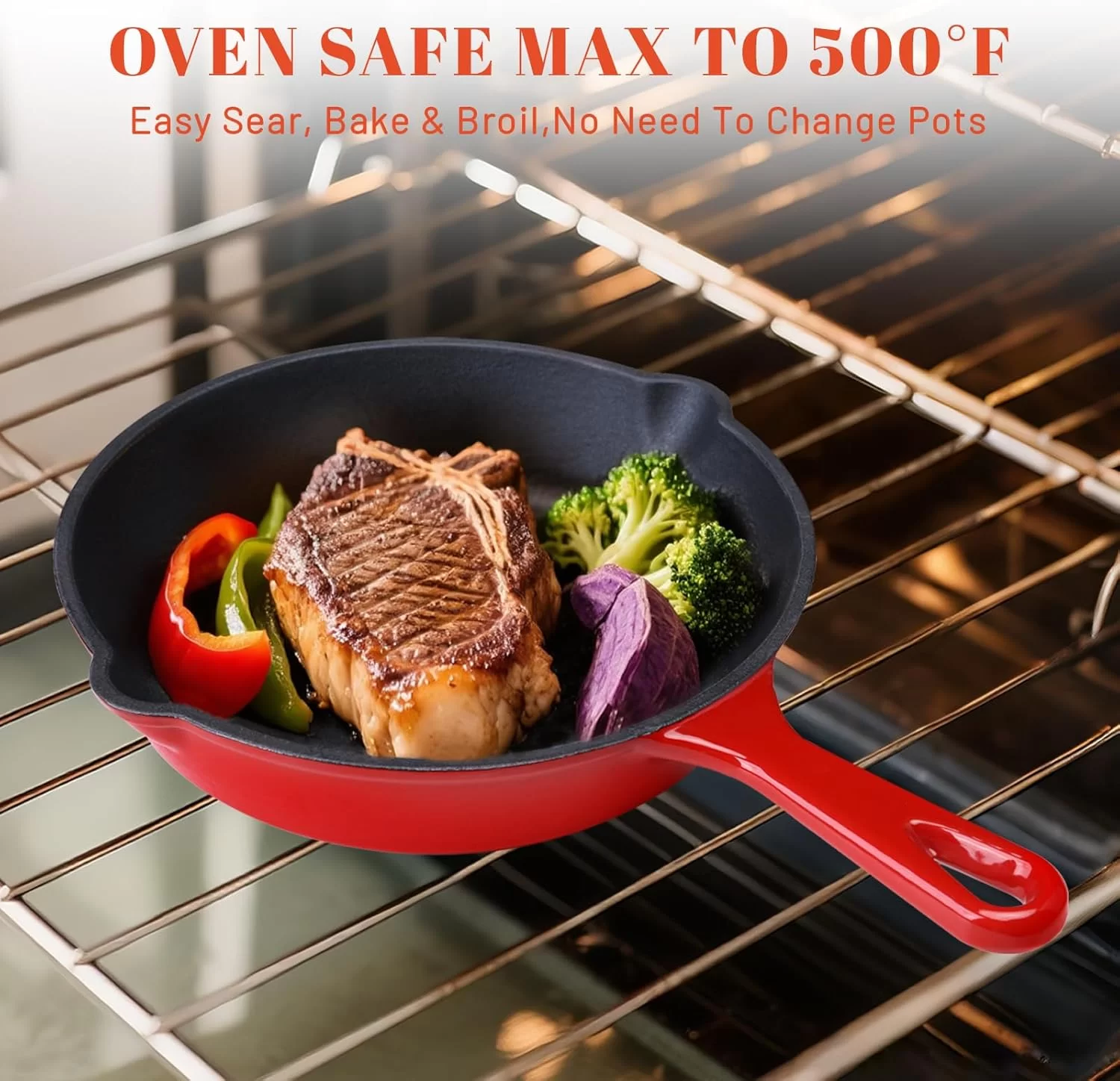
Furthermore, the trend of "slow living" has reintroduced deep-braising techniques to the local diet. This has created a specific niche for the deep enameled cast iron skillet, allowing chefs to transition seamlessly from searing on a stovetop to slow-roasting in the oven, fitting the efficiency-driven Dutch lifestyle.
Evolution of Enameled Cookware Engineering

From industrial smelting to precision porcelain coating.

Market Development History

Historically, cast iron in Europe was purely functional, used for heavy-duty heating and basic cooking. By the mid-20th century, the introduction of vitreous enamel coatings solved the oxidation problem, making cookware more hygienic and easier to maintain for European households.

Entering the 1990s and 2000s, the technical focus shifted to "precision casting." The industry moved from sand casting to more controlled molds, allowing for the creation of a small enameled cast iron skillet that maintained perfectly uniform heat distribution without the excessive weight of antique pans.

In the last decade, the integration of multi-layer porcelain technology has occurred. Modern enameling now involves high-temperature fusion that ensures the glass-like surface is chemically bonded to the iron, eliminating the peeling issues seen in early 21st-century budget cookware.

Future Development Trends

Induction Optimization

With the Netherlands leading in energy transition, future cookware is being redesigned with magnetized bases to maximize efficiency on high-power induction hobs.

Eco-Friendly Glazing

The industry is moving toward lead-free, PFAS-free porcelain glazes to meet strict EU REACH regulations and the growing Dutch demand for non-toxic kitchenware.

Ergonomic Weight Reduction

Utilizing advanced alloy casting to reduce the bulk of the handles while maintaining the thermal mass required for professional searing.

Strategic Outlook for Cast Iron Manufacturing

Forecasting the next 3-5 years of technological integration.

Smart Thermal Control
Integration of heat-responsive enamel colors that signal the optimal searing temperature to the user.
Hyper-Smooth Glazing
Utilizing nano-coating techniques to reduce surface friction, enhancing the non-stick properties of porcelain enamel.
Circular Material Sourcing
Transitioning to 100% recycled cast iron scrap to meet the strict European Green Deal standards.
Modular Design Systems
Developing interchangeable lids and handles to reduce consumer waste and customize the cooking experience.

Industry Outlook

Google search trends indicate a rising interest in "non-toxic cookware" and "lifetime kitchenware" within the Netherlands. We expect a significant pivot toward enamel-coated iron as consumers migrate away from PTFE-based non-stick coatings due to health concerns.

The convergence of professional culinary standards and home cooking means that technical specifications—such as precise wall thickness and enamel fusion temperature—will become the primary selling points for B2B and B2C segments in Europe.

Localized Application Scenarios in the Netherlands

How our cast iron solutions fit the Dutch lifestyle.

01. Traditional Dutch Stamppot Preparation

The deep enameled cast iron skillet is ideal for searing sausages and then simmering root vegetables, providing the consistent heat necessary for the perfect texture.

02. Urban Studio Apartment Cooking

For those living in compact Amsterdam apartments, a small enameled cast iron skillet serves as a versatile, all-in-one tool for breakfast omelets and side dishes, saving precious cabinet space.

03. Gourmet Seafood Searing

Given the proximity to the North Sea, Dutch chefs utilize the frying pan cast iron enameled to achieve a restaurant-grade crust on scallops and sea bass without acidic reactions from the enamel.

04. Modern Aesthetic Kitchens

The white enamel cast iron skillet fits the minimalist, bright interior design prevalent in modern Dutch homes, acting as both a tool and a centerpiece.

05. Weekend Slow-Roasting

Using a porcelain enamel skillet for oven-to-table service during family gatherings, ensuring food remains warm throughout the meal.

Brand Story

Global Development Journey of Ningjin County Jinshengyuan Casting Co., Ltd.

Foundations of Excellence

Starting as a local forge, we mastered the art of iron smelting, focusing on the purity of raw materials to ensure maximum thermal stability.

The Enamel Innovation

We solved the industry pain point of rust and reactivity by pioneering high-temperature porcelain fusion techniques for the global market.

Expanding to Europe

By tailoring our designs to EU standards, we brought our durable, elegant cast iron solutions to the demanding kitchens of the Netherlands.

Sustainable Manufacturing

Implementing green energy in our casting process to align with the global movement toward carbon neutrality and sustainable living.

The Future of Cooking

Today, we continue to innovate, blending ancient casting wisdom with futuristic material science to empower chefs worldwide.

Frequently Asked Questions - Netherlands Edition

Expert advice on maintaining and using your enameled cast iron.

How do I clean my deep enameled cast iron skillet without damaging the coating?

Use a soft sponge and mild soap. Avoid abrasive steel wool, as it can scratch the porcelain surface. For stubborn residue, soak in warm water before gently wiping.

Is a white enamel cast iron skillet more prone to staining?

While white shows stains more easily, our high-grade porcelain is non-porous. Most stains can be removed by simmering a mixture of water and baking soda for a few minutes.

Can I use a small enameled cast iron skillet on an induction cooktop?

Yes, the cast iron core is naturally magnetic, making it highly efficient for the induction hobs commonly used in modern Dutch kitchens.

Why choose a frying pan cast iron enameled over raw cast iron?

Enameled pans do not require seasoning, are non-reactive to acidic foods (like tomato sauce), and are significantly more resistant to rust in humid environments.

What is the temperature limit for a porcelain enamel skillet in the oven?

Our skillets are typically safe up to 260°C (500°F). However, we recommend avoiding extreme thermal shock by not placing a cold pan directly onto a high-heat burner.

How do I prevent food from sticking to my enameled pan?

Preheat the pan on low to medium heat and use a small amount of oil or butter. The high heat retention of cast iron ensures an even sear that naturally releases food.

Elevate Your Kitchen Standards Today

Partner with the leading experts in cast iron manufacturing to bring professional-grade cookware to the Netherlands.

Contact Us Now

If you are interested in our products, you can choose to leave your information here, and we will be in touch with you shortly.