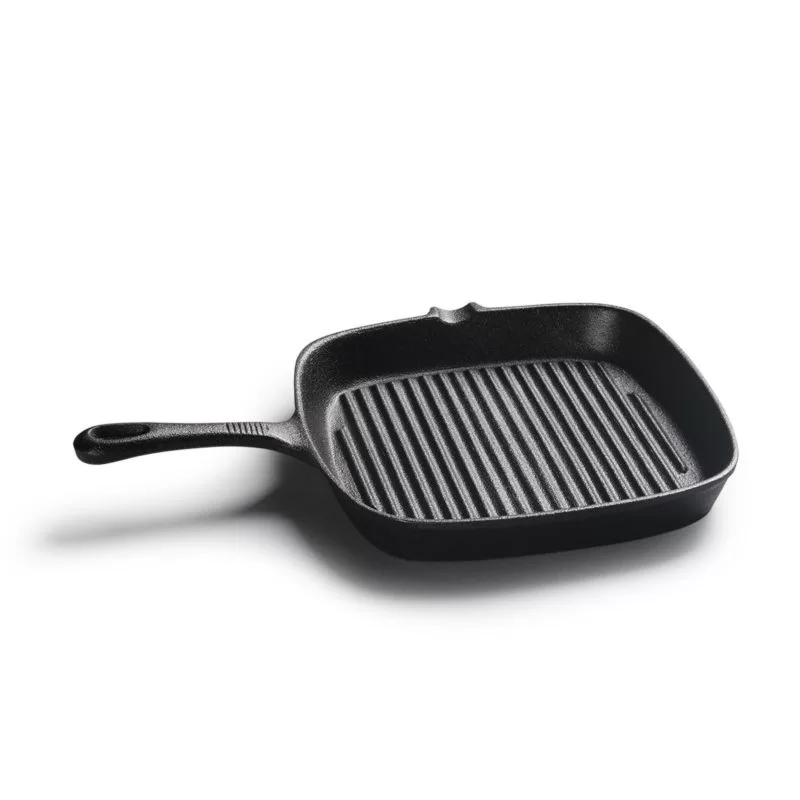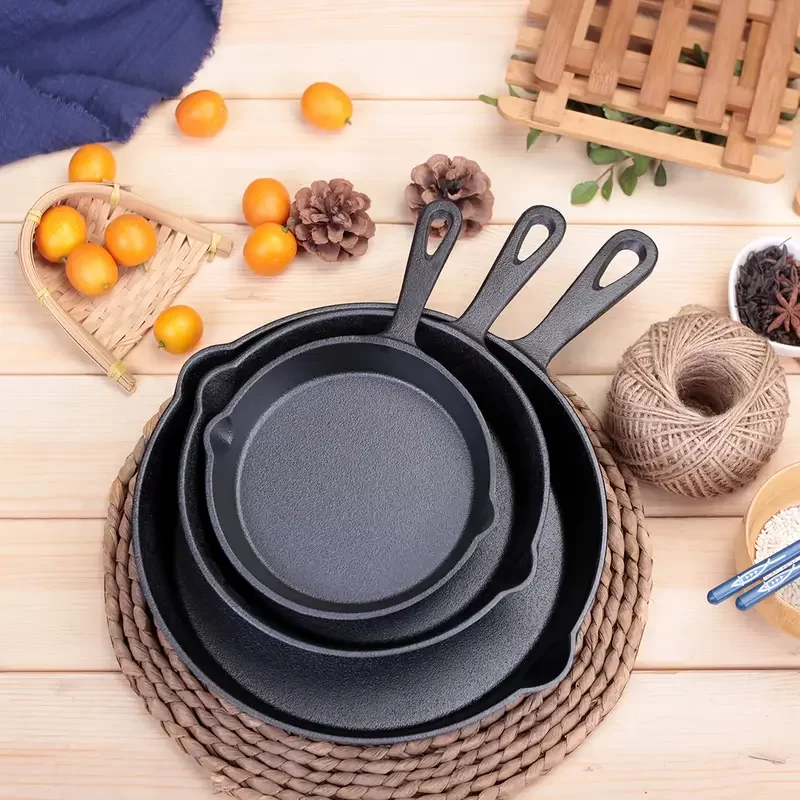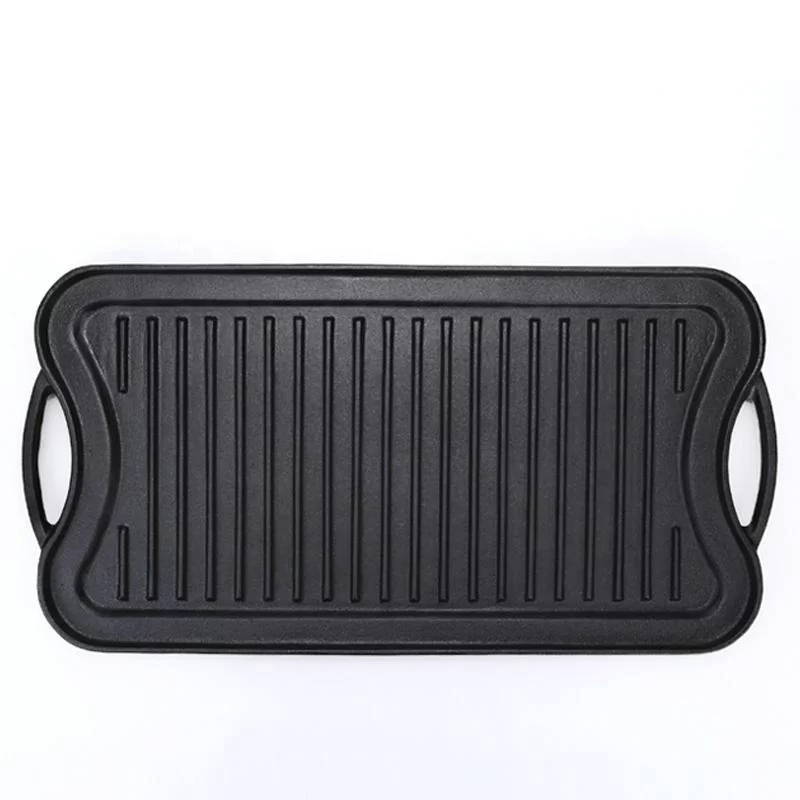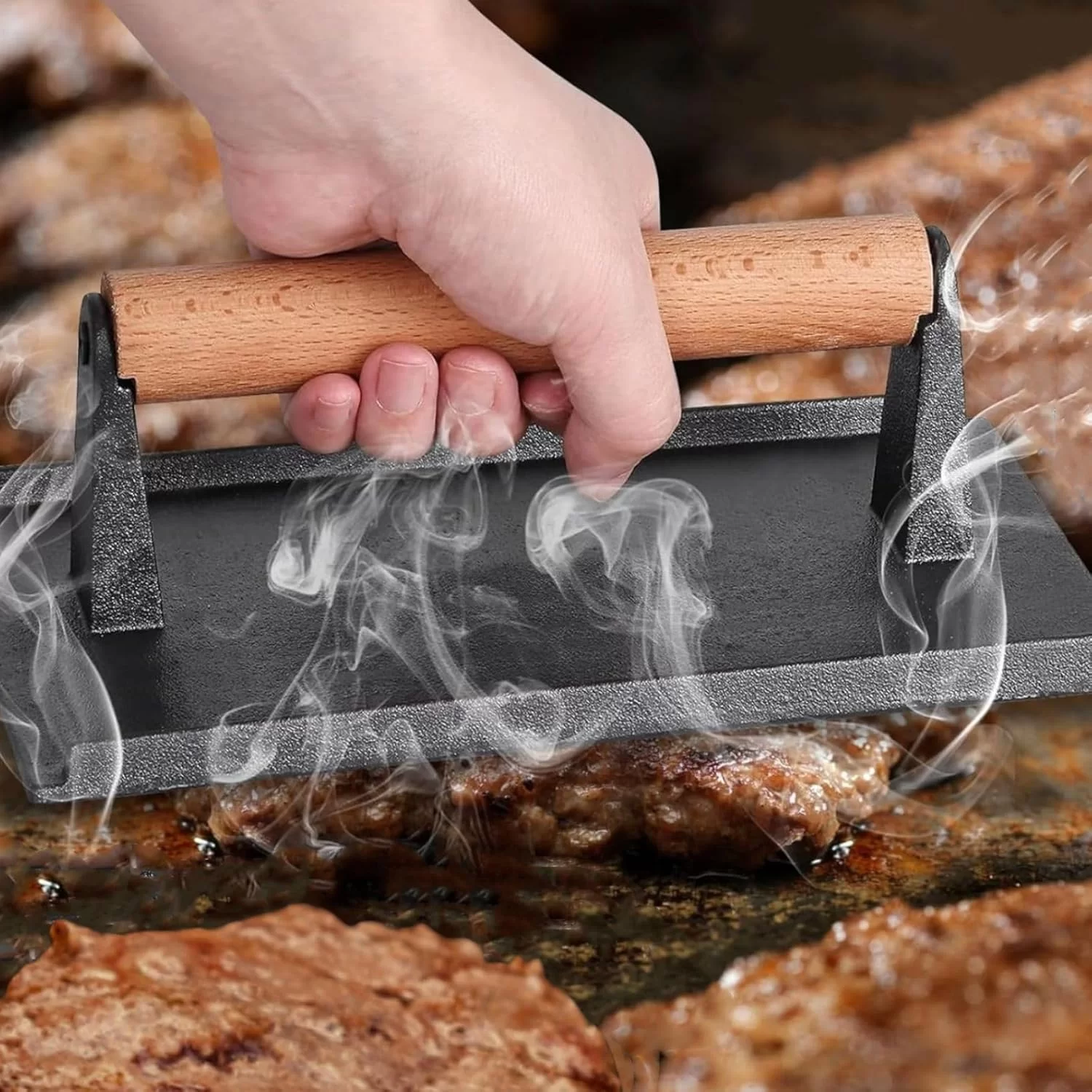
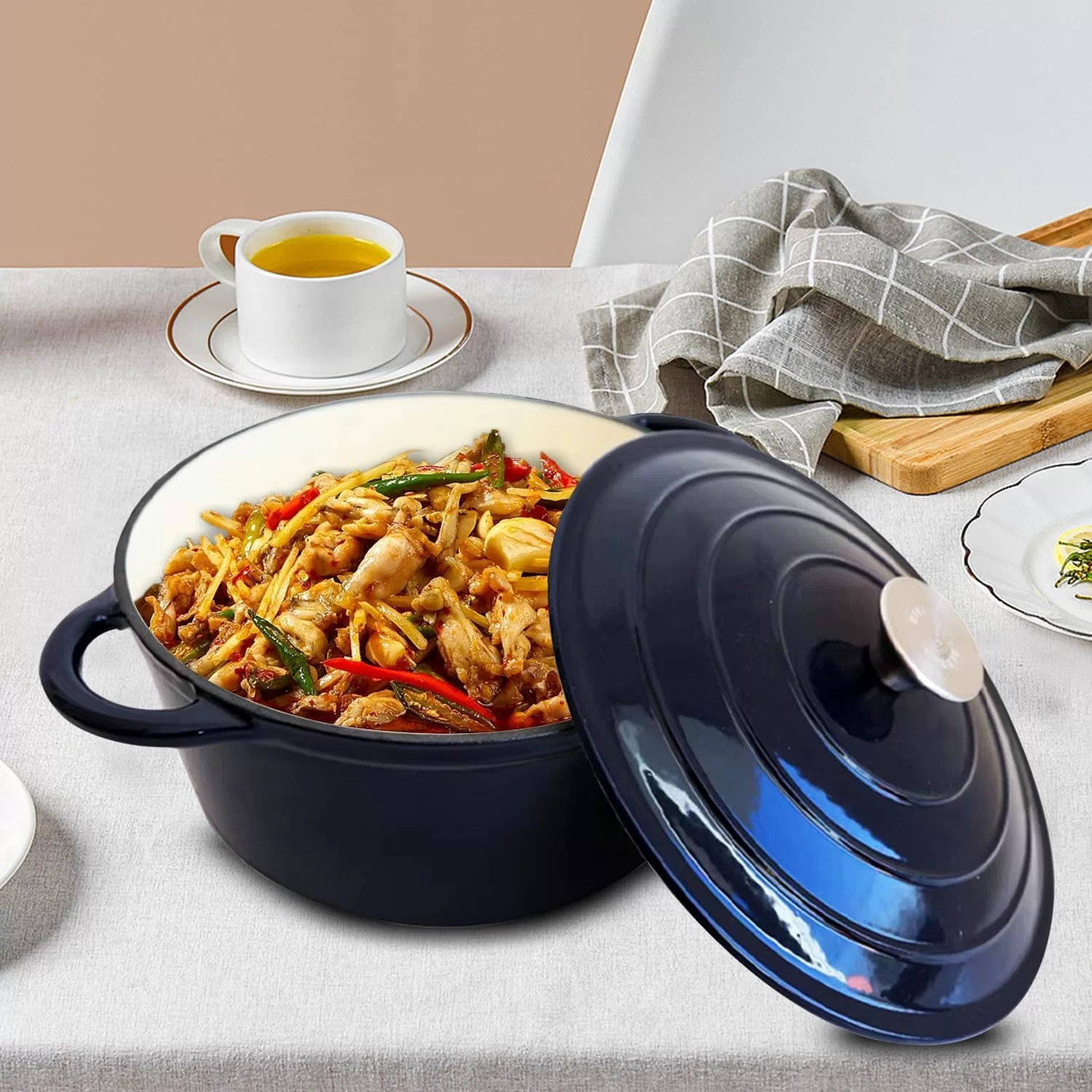
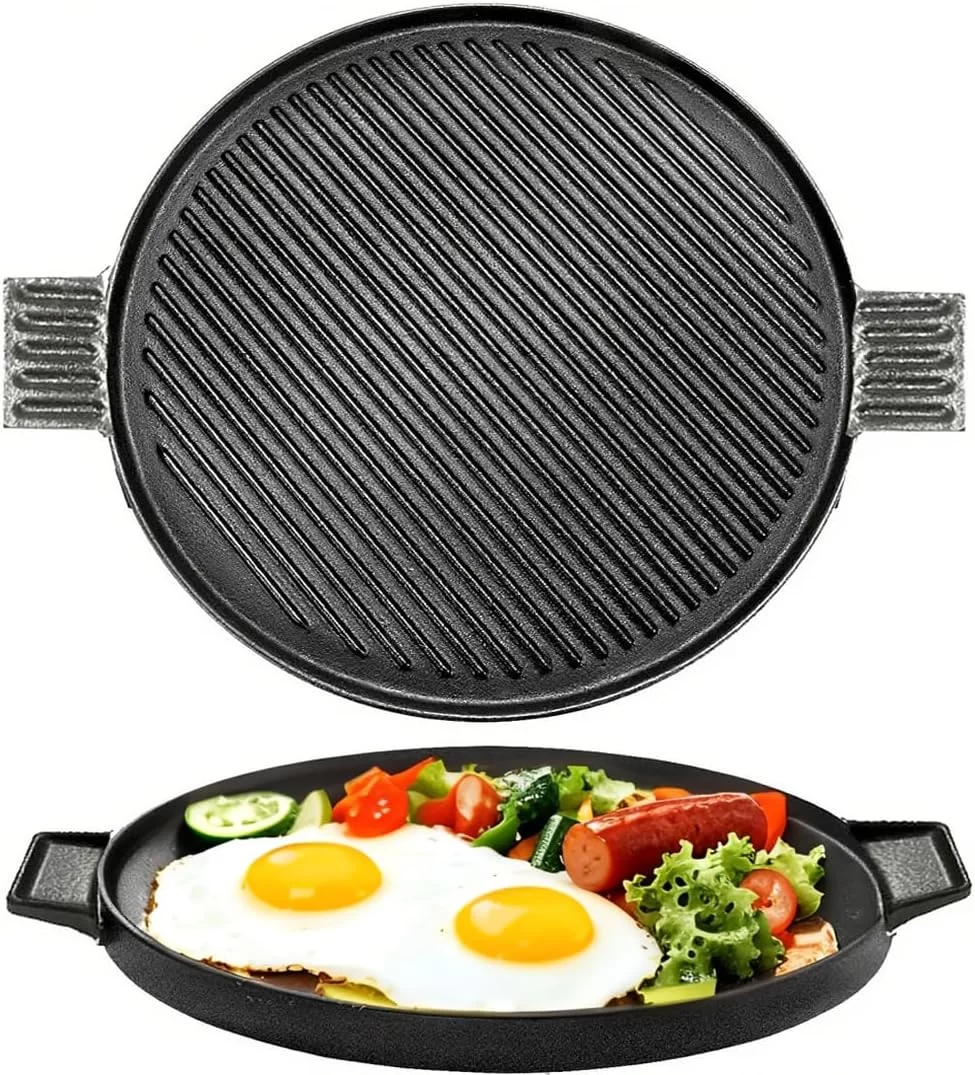
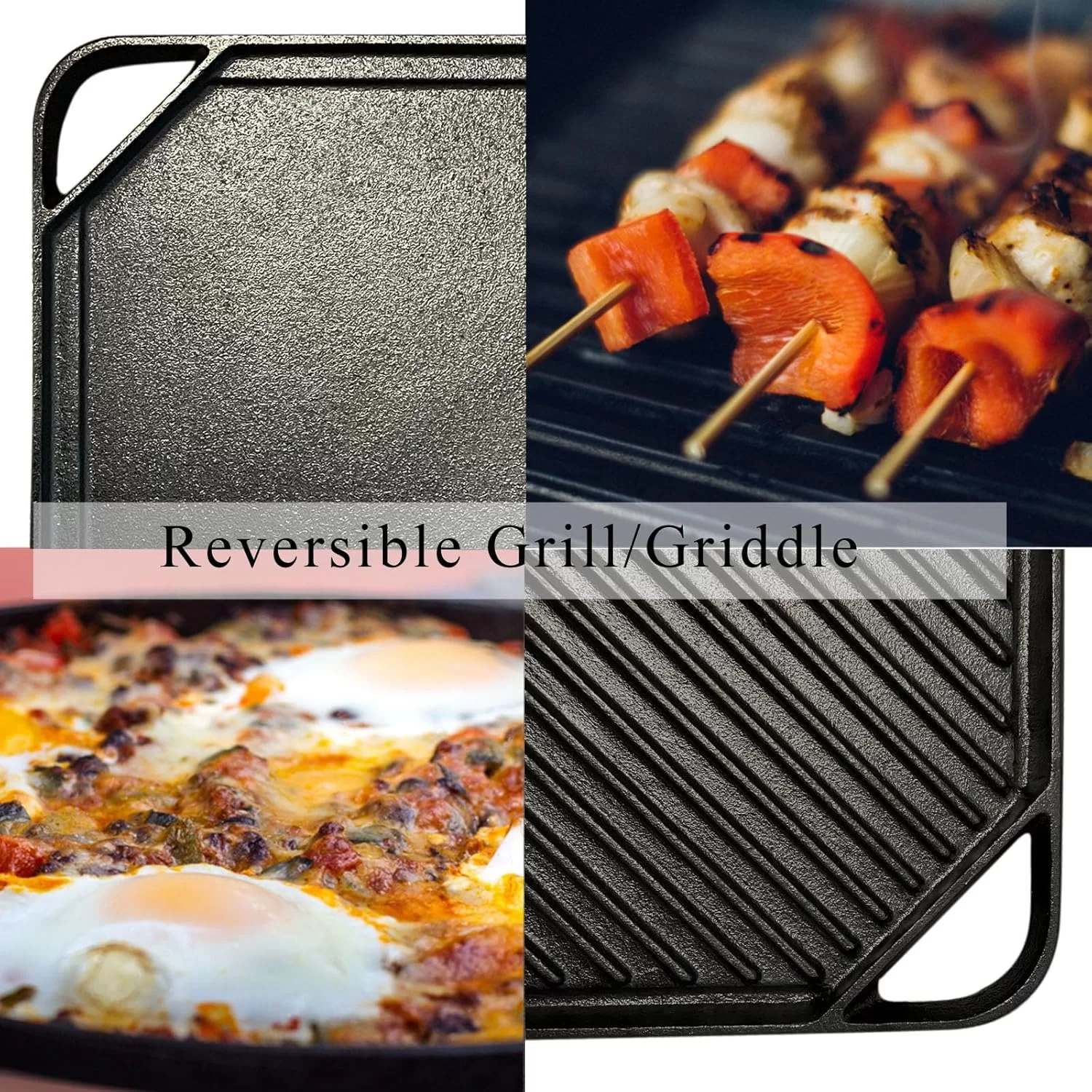
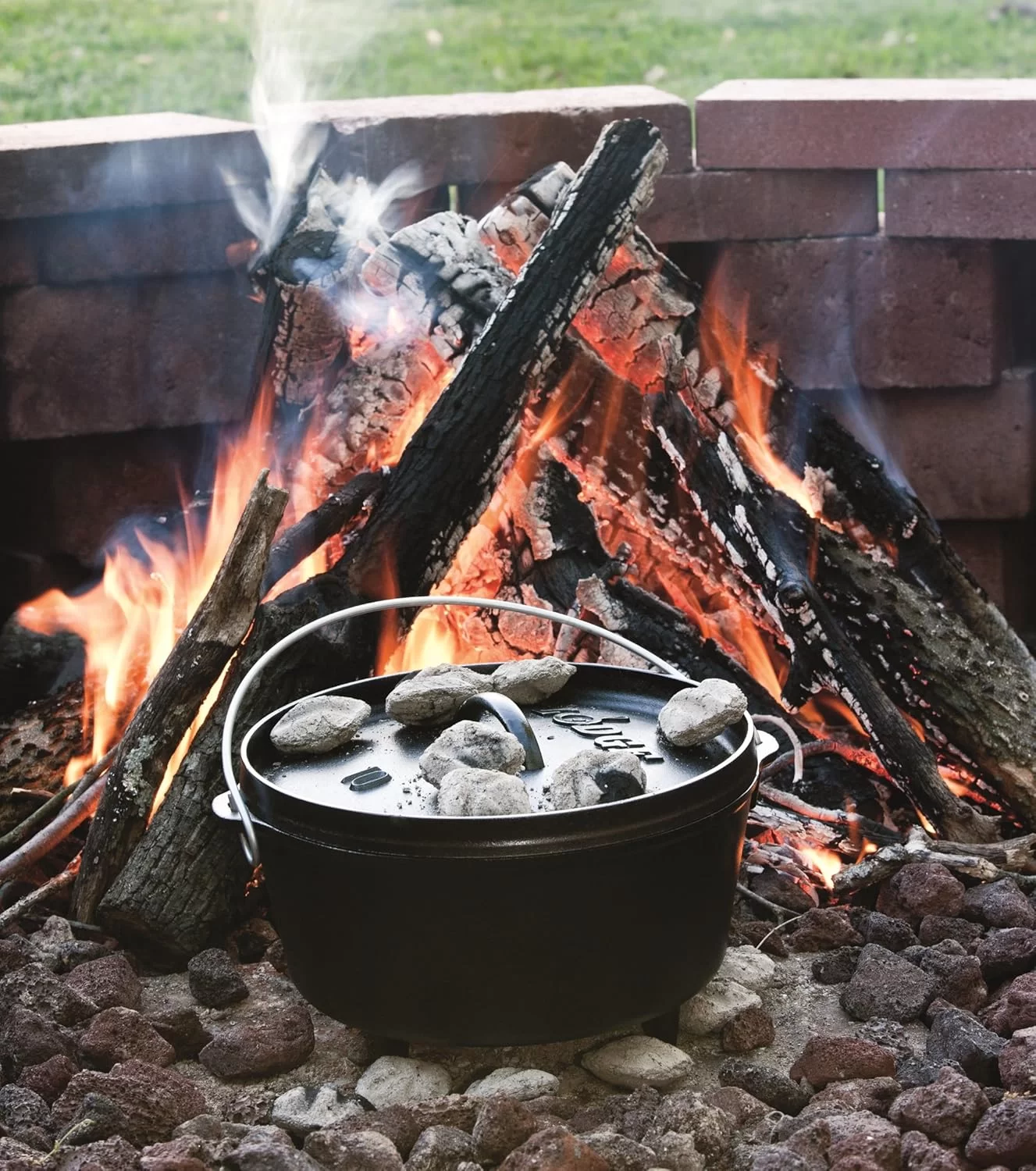
In Saudi Arabia, the culinary landscape is characterized by a preference for slow-cooked, flavor-rich dishes such as Kabsa and Mandi. The extreme external temperatures and humidity levels in coastal cities like Jeddah require cookware that maintains thermal stability. The introduction of the deep enameled cast iron skillet has revolutionized how local chefs manage high-volume searing and braising without the risk of surface oxidation.
Historically, traditional cast iron was common, but the maintenance requirements—specifically seasoning in humid environments—created a market gap. Modern Saudi consumers are now shifting towards enamel coatings that eliminate the need for oil curing while providing a sleek, hygienic finish that fits the aesthetic of high-end contemporary kitchens in Riyadh and Dammam.
Furthermore, the rise of luxury hospitality and the "Vision 2030" economic transformation have increased the demand for professional-grade frying pan cast iron enameled products. These tools provide the necessary durability for commercial use while ensuring the food remains untainted by metallic tastes, adhering to strict regional food safety standards.