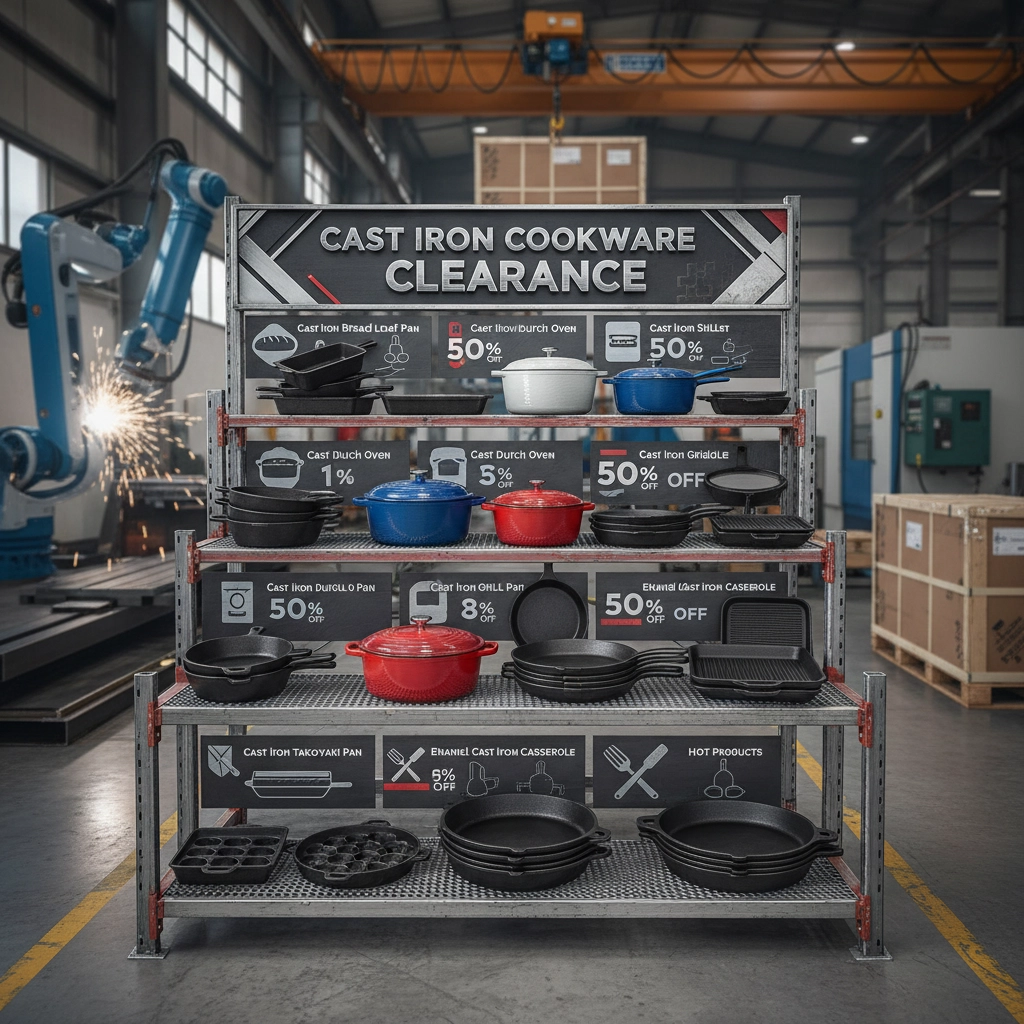
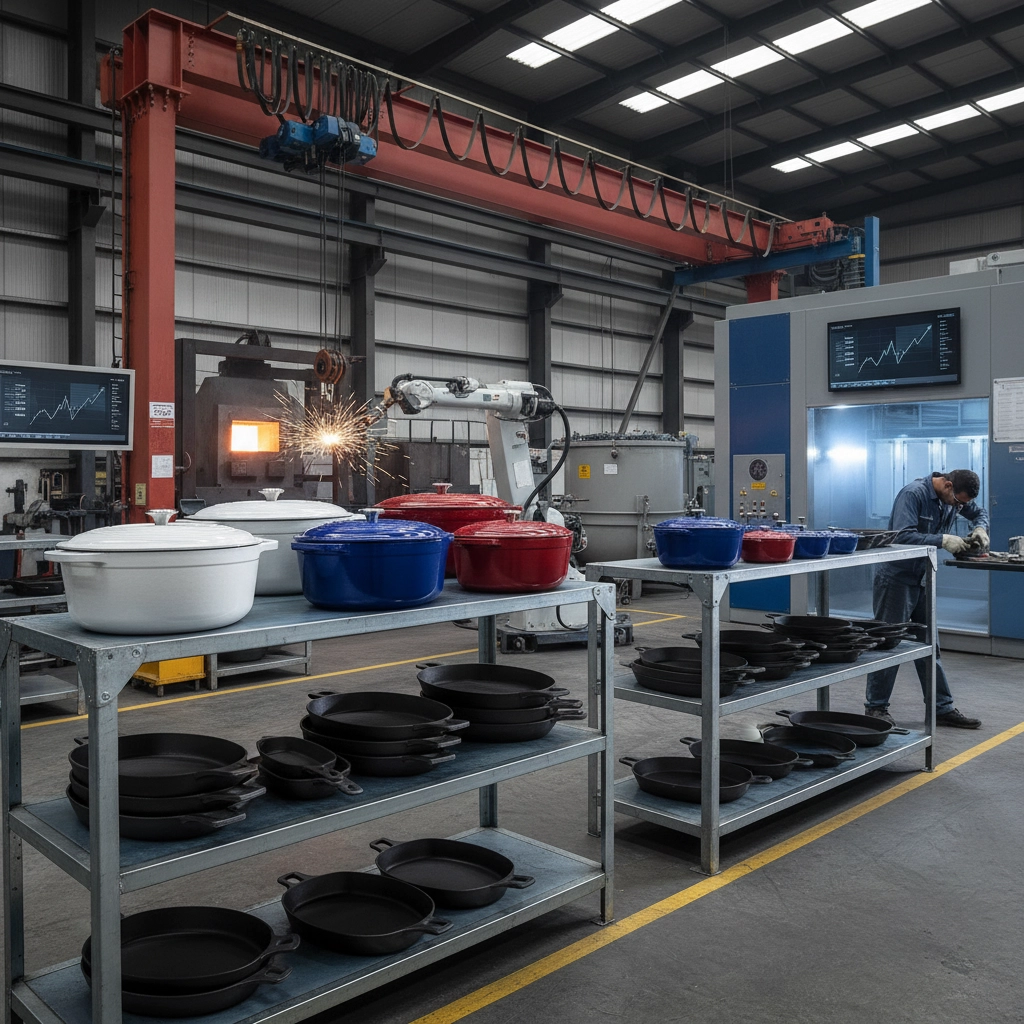
Finding a high-quality cast iron cookware clearance is more than just a bargain hunt; it is an opportunity to invest in culinary tools that last for generations. In an era of disposable non-stick pans that wear out in two years, the timeless appeal of cast iron lies in its unmatched heat retention and natural durability. Whether you are a professional chef or a home cooking enthusiast, accessing premium ironware at clearance prices allows you to build a comprehensive kitchen arsenal without compromising on quality.
The global shift toward sustainable living has reignited interest in traditional materials. Cast iron is inherently eco-friendly, being recyclable and devoid of the synthetic chemicals often found in modern coatings. When consumers seek out a cast iron cookware clearance, they are often looking for versatile pieces like the Cast Iron Dutch Oven or the Enameled Cast Iron Fry Pan that can transition seamlessly from the stovetop to the oven, reducing the need for multiple single-use gadgets.
Understanding the nuances of these sales is crucial for the savvy buyer. From identifying genuine manufacturing overstocks to spotting seasonal discounts on Enamel Coated Cast Iron Cookware, knowing what to look for ensures you get a piece that is structurally sound and ready for seasoning. This guide explores the industrial context, the practical advantages, and the future of the cast iron market to help you maximize the value of every purchase.
Global Market Context of Cast Iron Cookware Clearance
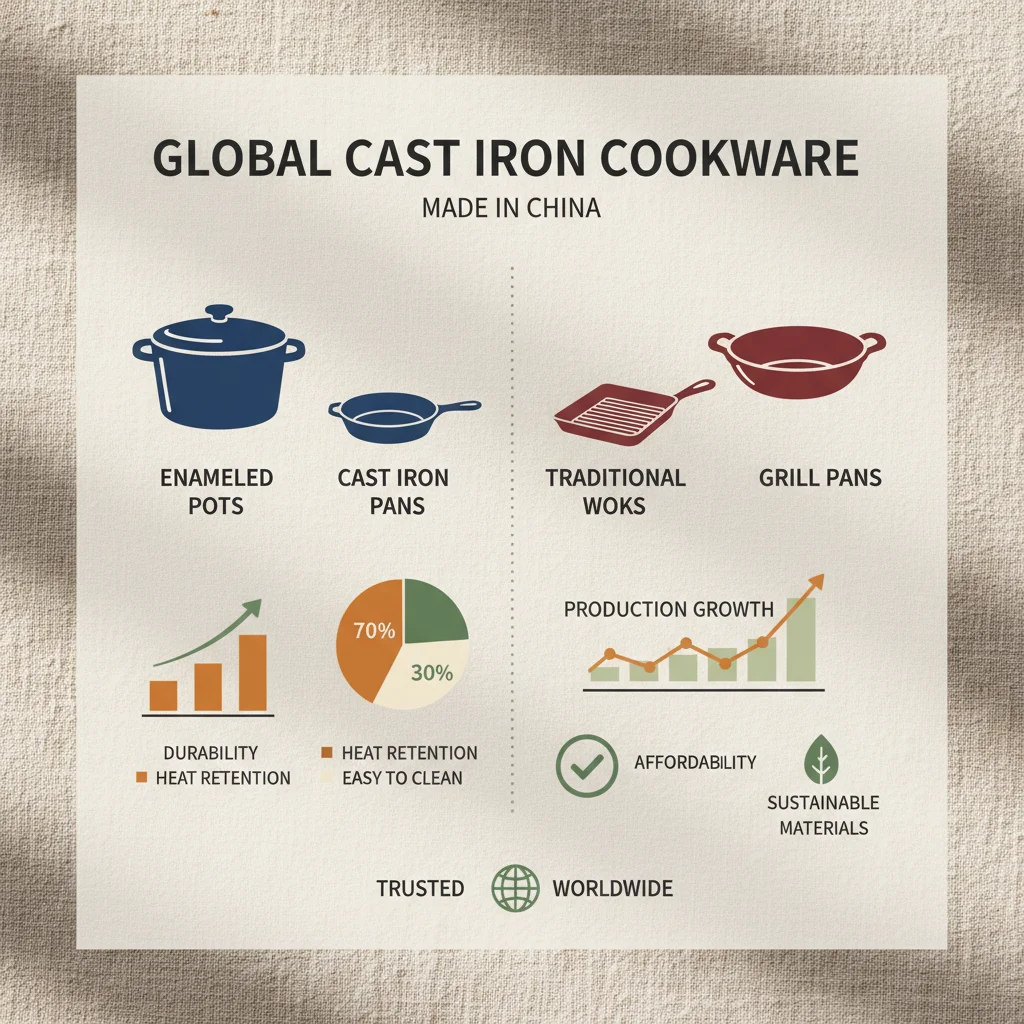
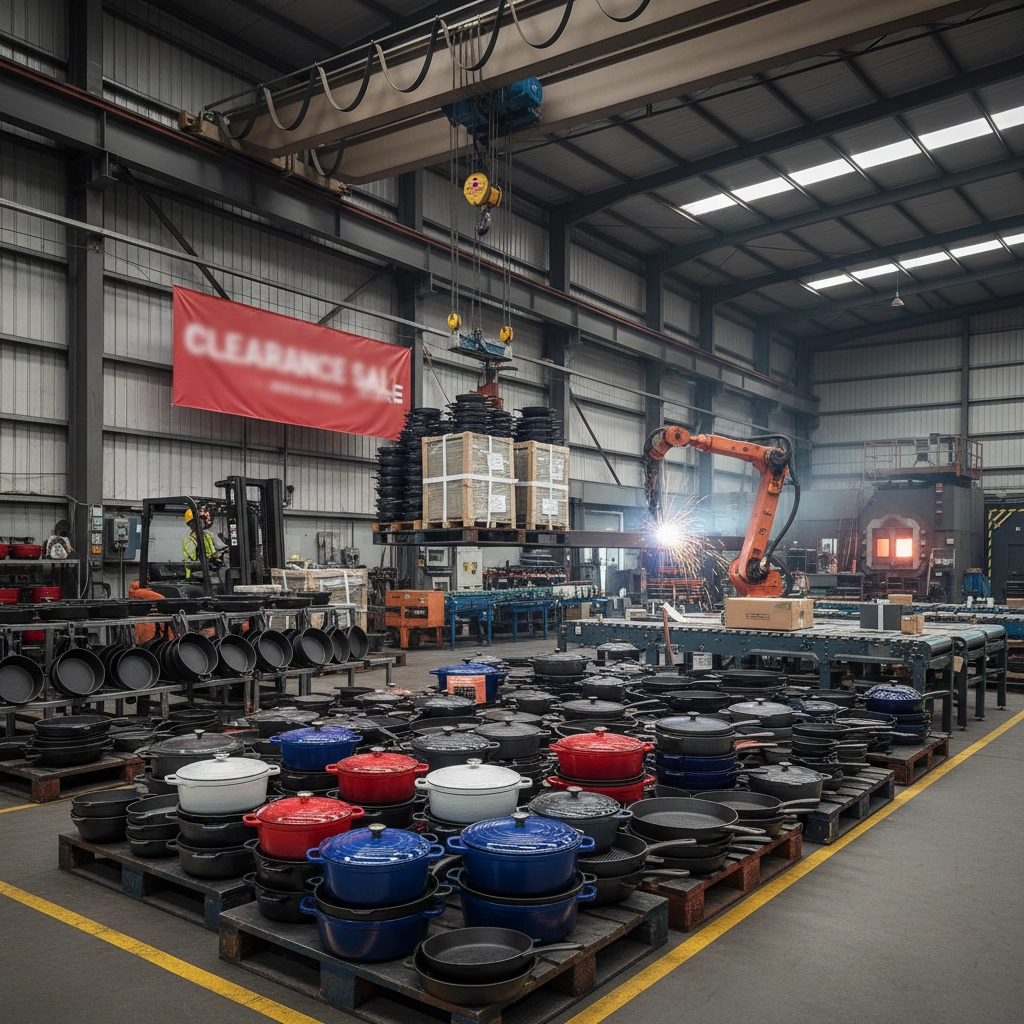
The global cookware market has seen a significant resurgence in "heritage materials," with cast iron leading the charge. As industrial standards evolve toward ISO-certified quality management, manufacturers often produce surpluses or update their designs, leading to a cast iron cookware clearance. This is not typically a sign of poor quality, but rather a logistical necessity in high-volume metal casting industries where inventory turnover is key to maintaining liquidity.
Statistically, the demand for durable cookware has increased by nearly 15% in Western markets over the last five years, driven by a desire to move away from PFOA-laden non-stick surfaces. This trend creates a cyclical pattern where high-end items like the Cast Iron Bread Loaf Pan or the Cast Iron Takoyaki Pan enter clearance phases to make room for new ergonomic iterations, providing a golden window for consumers to acquire professional-grade tools at a fraction of the cost.
Defining the Value of Cast Iron Clearance
In simple terms, a cast iron cookware clearance refers to the strategic reduction of prices for iron-based cooking vessels. Unlike electronics, where "clearance" often means "obsolete," in the world of metallurgy, a Cast Iron Dutch Oven from three years ago is functionally identical to one made today. The value lies in the material's inherent properties—namely its thermal mass and ability to develop a natural non-stick patina over time.
From an industrial perspective, these clearances often include "B-grade" stock—items with minor cosmetic imperfections that do not affect cooking performance—or discontinued colorways of Enameled Cast Iron Grill Pans. For the consumer, this means they can obtain a tool that will literally last a lifetime, addressing the modern problem of "planned obsolescence" found in most consumer housewares.
Moreover, the humanitarian and economic aspect cannot be overlooked. By making high-quality tools accessible via clearance, professional-grade cooking is democratized. Small business owners and startup cafes can outfit their kitchens with heavy-duty Cast Iron Griddles and Woks without the prohibitive upfront costs of full-price retail, fostering local culinary entrepreneurship.
Core Components of Quality Ironware
When browsing a cast iron cookware clearance, it is essential to evaluate the "metallurgical integrity" of the pieces. Quality cast iron should be dense and free of excessive porosity. Whether you are looking at a Cast Iron Press or a Round Skillet, the weight should feel balanced, indicating an even distribution of iron throughout the casting process, which prevents hot spots during cooking.
Another critical factor is the surface finish. For raw cast iron, a smooth interior indicates a higher grade of polishing, which makes the initial seasoning process much easier. For Enamel Cast Iron Casseroles, the clearance buyer should inspect the enamel coating for chips or "pinholes." A high-quality vitreous enamel layer ensures that the pan remains non-reactive to acidic foods like tomatoes, combining the heat of iron with the convenience of glass.
Finally, consider the versatility of the design. The most valuable items in a clearance sale are those that serve multiple functions. For example, an Enameled Cast Iron Fry Pan can be used for searing on a high-heat burner and then moved directly into the oven for roasting. This multifunctionality reduces kitchen clutter and maximizes the utility of the investment.
Practical Applications in Modern Kitchens
The application of cast iron extends far beyond basic frying. In professional settings, a Cast Iron Griddle is indispensable for achieving the Maillard reaction—that perfect brown crust on proteins—which is difficult to replicate with thinner aluminum pans. In the context of a cast iron cookware clearance, acquiring a variety of shapes, such as the Cast Iron Wok & Pot, allows a cook to master everything from stir-frying to slow-braising.
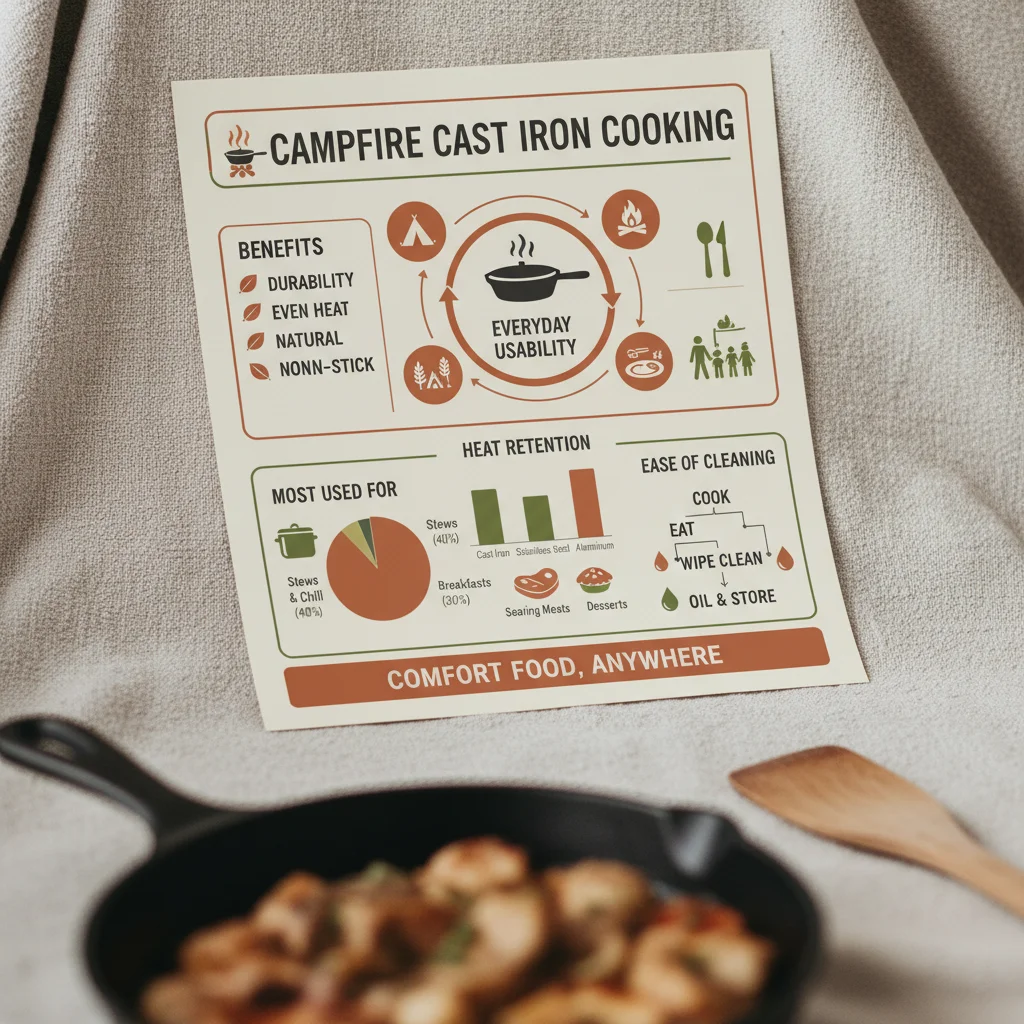
Beyond the home, these tools are vital in remote or outdoor environments. Because cast iron can withstand open flames and charcoal embers, it is the gold standard for camping and emergency relief cooking. Its ability to maintain a steady temperature makes it reliable in conditions where precise electrical temperature control is unavailable, providing safety and dignity through consistent meal preparation.
Performance Comparison of Cast Iron Clearance Categories
Long-Term Benefits and Sustainability
The most significant advantage of investing in a cast iron cookware clearance is the elimination of the "replacement cycle." Most modern pans are designed to fail, forcing consumers back into the market every few years. Cast iron, conversely, is an heirloom product. When properly seasoned, it becomes more non-stick over time, meaning the tool actually improves with age.
From an environmental standpoint, the reduction in landfill waste is substantial. By choosing a single, durable Cast Iron Dutch Oven over multiple Teflon-coated alternatives, a household significantly lowers its carbon footprint. Furthermore, the energy efficiency of cast iron—which requires less heat to maintain a simmer once warmed—contributes to lower energy consumption in the kitchen.
Emerging Trends in Cast Iron Manufacturing
The industry is currently witnessing a digital transformation in the casting process. Computer-aided design (CAD) and automated pouring systems are allowing for more precise wall thicknesses, which reduces the overall weight of the pan without sacrificing heat retention. This innovation makes the "clearance" of older, heavier models more frequent as manufacturers move toward "lightweight" professional series.
Sustainability is also driving the adoption of "Green Foundry" practices. Many manufacturers are now using recycled scrap iron and induction furnaces to reduce greenhouse gas emissions. When you find a modern cast iron cookware clearance, you are often seeing the results of these efficiency gains—products that are cheaper to produce and more environmentally friendly.
Additionally, the rise of "Pre-Seasoned" technology has changed the consumer landscape. New nitro-seasoning processes use liquid nitrogen to bond the oil to the iron at a molecular level, providing a tougher initial surface. This means that clearance items are now more "user-ready" than ever before, removing the barrier of entry for beginners who fear the seasoning process.
Overcoming Challenges in Selection and Care
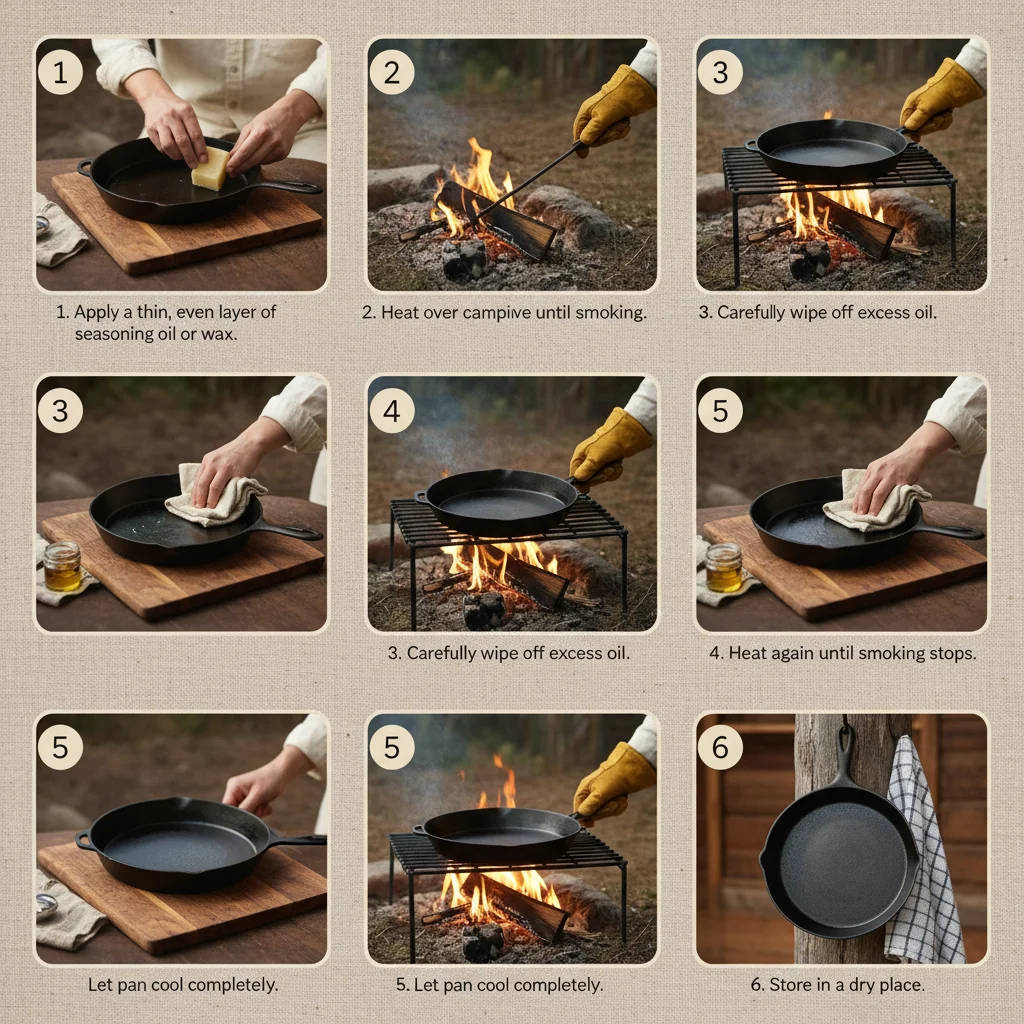
One common challenge when shopping a cast iron cookware clearance is the fear of rust or poor seasoning. It is important to remember that rust is merely surface-level oxidation; it does not ruin the pan. A simple scrub with steel wool and a fresh layer of flaxseed or grapeseed oil can restore any clearance find to a mint condition, often making it superior to a full-price factory-seasoned pan.
Another hurdle is the learning curve associated with heat management. Cast iron does not react as quickly as stainless steel. The solution is "pre-heating"—allowing the pan to reach temperature slowly. This prevents food from sticking and ensures an even sear, a technique that transforms a budget clearance purchase into a professional culinary tool.
Finally, storage is a key consideration. To prevent moisture buildup, cast iron should be stored in a dry place with a paper towel between stacked pans. By mastering these simple care routines, the long-term value of your cookware is preserved, ensuring that your investment remains functional for decades.
Comparison of Cast Iron Care and Selection Criteria
| Product Type |
Clearance Risk |
Maintenance Level |
Longevity Score (1-10) |
| Raw Cast Iron Skillet |
Surface Rust |
High (Seasoning) |
10 |
| Enameled Dutch Oven |
Enamel Chips |
Low (Soap/Water) |
9 |
| Cast Iron Griddle |
Warping (Rare) |
Medium |
10 |
| Enamel Fry Pan |
Coating Wear |
Low |
8 |
| Cast Iron Wok |
Uneven Bottom |
High (High Heat) |
10 |
| Bread Loaf Pan |
Sticking issues |
Medium |
9 |
FAQS
Clearance is typically driven by inventory management rather than product failure. Manufacturers often clear out older designs, discontinued colors of enameled pans, or "B-grade" stock with minor aesthetic flaws to make room for new seasonal shipments. Since the material is timeless, these items remain fully functional and high-performing.
Yes, "B-grade" usually refers to cosmetic imperfections, such as a small pit in the casting or a slight discoloration in the enamel. As long as there are no structural cracks, these pans are perfectly safe and cook exactly the same as "A-grade" pans, making them a steal during a clearance event.
Absolutely. Unlike raw cast iron, the enamel coating is a glass-like surface that does not require seasoning. You can use mild soap and water to clean your Enameled Cast Iron Casserole or Grill Pan. Just avoid abrasive scrubbers that could scratch the surface.
Don't panic! Rust is common in stored ironware. Use a steel wool pad or a stiff brush to scrub away the rust spots, wash with a little soap, dry completely on the stove, and apply a thin layer of oil before baking it in the oven. This will restore the pan to perfect condition.
The Cast Iron Round Skillet is generally the best starting point. It's incredibly versatile for frying, searing, and baking. If you are looking for something more specialized in a clearance sale, a Dutch Oven is the next best choice for its ability to handle slow cooks and soups.
Small, pin-sized chips are usually negligible. However, if you see large flakes of enamel missing from the cooking surface, it may lead to uneven heating or food sticking in those areas. Always check the interior base of the pan before finalizing your clearance purchase.
Conclusion
Investing in a cast iron cookware clearance is a strategic move for any cook who values durability, sustainability, and culinary performance. By understanding that clearance pricing often results from industrial inventory cycles rather than quality degradation, consumers can acquire professional-grade tools—from the versatile Dutch Oven to the specialized Takoyaki Pan—that will serve them for a lifetime.
As we move toward a more conscious consumption model, the shift back to heritage materials like cast iron represents a rejection of the disposable culture. We encourage you to look beyond the price tag and consider the long-term value of your kitchen tools. To explore our current range of high-performance ironware and find your next heirloom piece, visit our website: www.jsycastiron.com