The Ultimate Guide to Choosing High Quality Cast Iron for Camping
For outdoor enthusiasts, the gear you carry can make or break your wilderness experience. When it comes to cooking over an open flame, nothing beats the reliability and heat retention of high quality cast iron for camping. Whether you are searing a steak over a campfire or simmering a hearty stew in a Dutch oven, the right cookware ensures professional results in the most rugged environments. In this guide, we will explore why cast iron remains the gold standard for campers and how to select the best pieces for your next adventure.
Why High Quality Cast Iron for Camping is Essential
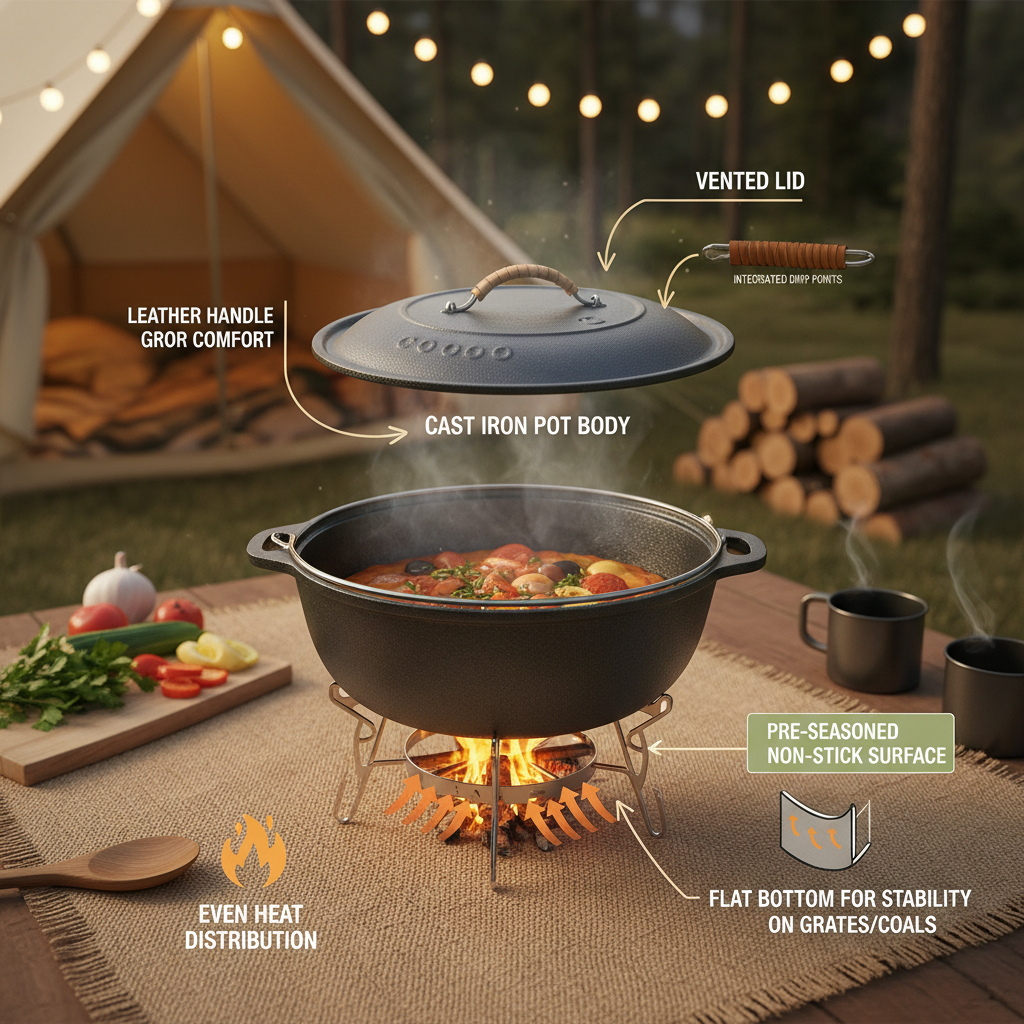
Unlike thin aluminum or non-stick pans, high quality cast iron is built to withstand extreme temperature fluctuations without warping. Its most significant advantage is thermal mass, which means it distributes heat evenly across the surface, eliminating the "hot spots" common with other materials. This makes it ideal for the unpredictable heat of a campfire. Furthermore, a well-seasoned cast iron pan becomes naturally non-stick over time, reducing the need for excessive oils and making cleanup simpler in the great outdoors. Investing in high quality cast iron for camping means owning a tool that can literally last a lifetime.
Key Features of Premium Camping Cookware
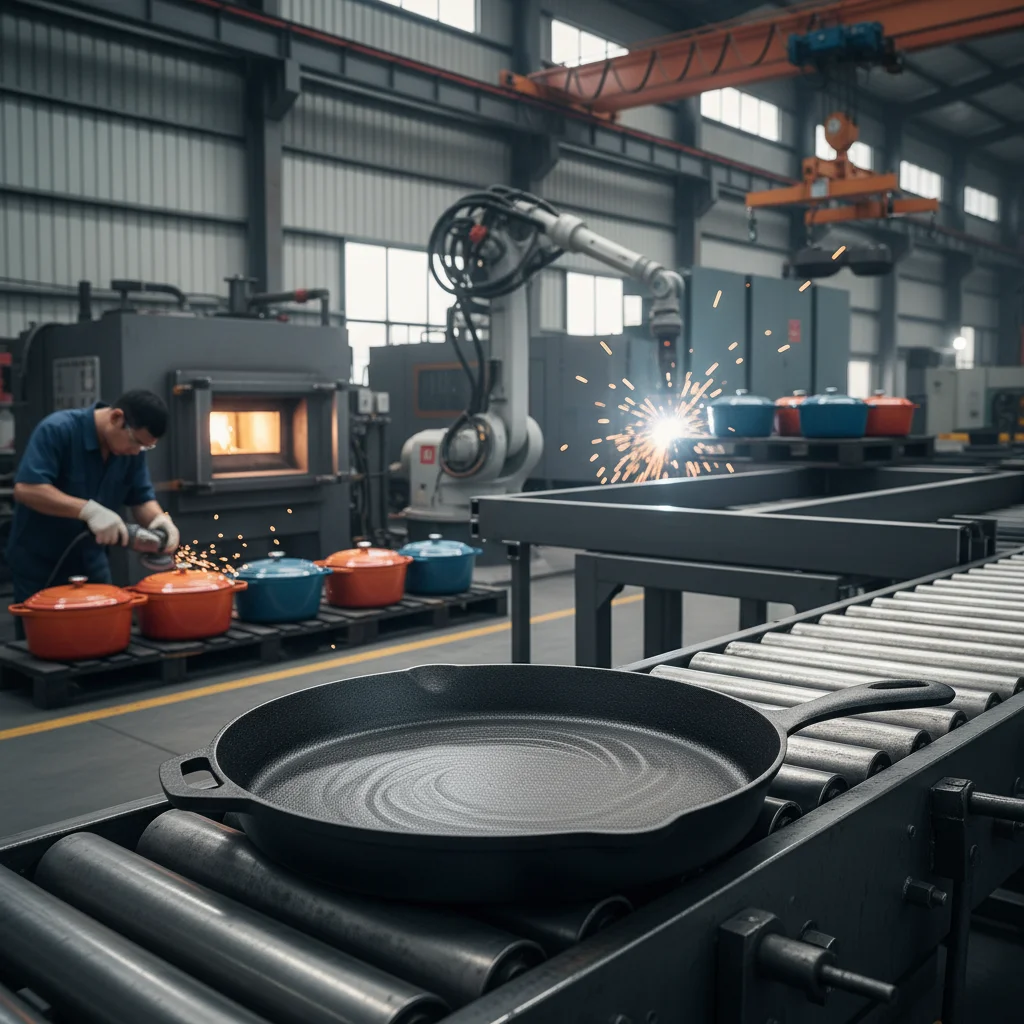
Not all cast iron is created equal. When shopping for high quality cast iron for camping, you should look for specific markers of quality. First, the surface smoothness; premium iron is polished to reduce porosity, which prevents food from sticking. Second, the weight-to-durability ratio; while cast iron is inherently heavy, precision casting ensures there are no unnecessary bulk areas that add weight without adding value. Lastly, check for integrated handles and secure lids that can withstand the pressure of coals piled on top for oven-style cooking.
Pro Tip: Look for "Pre-Seasoned" options if you want to start cooking immediately, but remember that the best patina comes from your own cooking journeys over time.
Cast Iron vs. Other Camping Materials
Choosing the right material depends on your camping style. While titanium is great for ultralight backpackers, it cannot compete with the culinary performance of high quality cast iron for camping. For those who car camp or enjoy "glamping," the weight is a small price to pay for the ability to bake bread or sear meats perfectly. Below is a detailed comparison to help you decide.
| Feature |
High Quality Cast Iron |
Aluminum/Titanium |
Stainless Steel |
| Heat Retention |
Excellent |
Poor |
Moderate |
| Durability |
Indestructible |
Moderate |
High |
| Weight |
Heavy |
Ultra-Light |
Medium |
| Cooking Quality |
Professional Grade |
Basic/Boiling |
Good |
Maintaining Your High Quality Cast Iron for Camping
To ensure your high quality cast iron for camping lasts for generations, proper maintenance is key. The most critical process is seasoning—the act of baking oil into the iron to create a protective polymer layer. After each use in the wild, avoid using harsh soaps. Instead, scrub with hot water and a stiff brush, dry immediately over the fire to prevent rust, and apply a thin layer of vegetable oil before storing. This simple routine keeps the surface slick and prevents the elements from corroding the metal.
Product Specifications: Choosing the Right Size
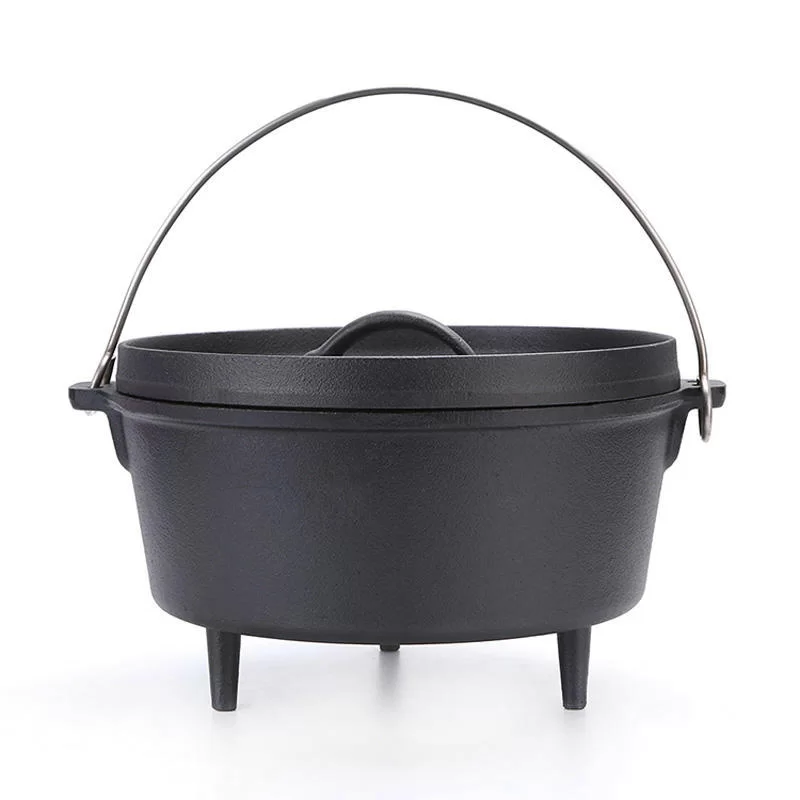
When selecting pieces of high quality cast iron for camping, you must balance capacity with portability. A 12-inch skillet is perfect for families, while a smaller 8-inch pan is ideal for couples. The Dutch oven is the most versatile piece, acting as a pot, pan, and oven all in one. Refer to the specifications below to find the right fit for your gear list.
| Product Type |
Typical Dimensions |
Best Use Case |
Capacity |
| Camping Skillet |
8" - 12" Diameter |
Searing, Frying Eggs |
1-4 Persons |
| Dutch Oven |
10" - 14" Diameter |
Stews, Baking Bread |
4-8 Persons |
| Griddle Plate |
12" x 18" Average |
Pancakes, Grilled Cheese |
Group Breakfasts |
Environmental Impact and Sustainability
In an era of disposable plastic and short-lived non-stick coatings (which often contain PFOAs), choosing high quality cast iron for camping is an eco-friendly decision. Cast iron is 100% recyclable and, more importantly, it doesn't need to be replaced. By investing in a single, high-quality set, you reduce the waste associated with cheap camping gear that ends up in landfills after a few seasons. Furthermore, the natural seasoning process eliminates the need for chemical coatings, making your outdoor cooking safer for both you and the environment.
Conclusion: Elevate Your Outdoor Cooking
Investing in high quality cast iron for camping is more than just a purchase; it's a commitment to better taste, extreme durability, and sustainable living. From the perfect sear on a steak to the warmth of a slow-cooked stew, cast iron transforms camping meals into culinary experiences. By choosing the right specifications and following simple maintenance steps, your cookware will become a trusted companion on every trail and at every campsite.
Frequently Asked Questions (FAQs)
Is cast iron too heavy for most camping trips?
Whether cast iron is "too heavy" depends entirely on your mode of transport. For backpackers traveling miles on foot, lightweight titanium is preferred. However, for car campers, RV users, or those staying at established campsites, the weight is negligible compared to the benefits of superior heat distribution and durability. Many campers find that one versatile Dutch oven replaces the need for multiple smaller pots, actually streamlining their gear.
How do I prevent my cast iron from rusting while camping?
The key to preventing rust is moisture control. Never leave your cast iron soaking in water. After cleaning, the most effective method is to place the pan back on the heat source for a few minutes until all water has evaporated. Once dry, apply a very thin layer of cooking oil to the entire surface. This seals the iron from oxygen and humidity, ensuring your gear stays in top condition until your next trip.
Can I use soap on high quality cast iron?
Modern mild dish soaps are generally safe for seasoned cast iron as they don't contain the harsh lye found in old-fashioned soaps. However, the goal is to preserve the "seasoning" (the layer of polymerized oil). Using too much soap too often can strip this layer away. We recommend using hot water and a brush for most cleaning tasks, reserving soap only for particularly greasy meals, and always re-oiling the pan afterward.
What is the best oil for seasoning camping cast iron?
The best oils for seasoning have a high smoke point. Grapeseed oil, flaxseed oil, and canola oil are excellent choices. Avoid using extra virgin olive oil or butter for the primary seasoning process, as they burn at lower temperatures and can create a sticky residue rather than a hard, protective shell. For a professional finish, apply the oil in thin layers and heat the iron until the oil just begins to smoke.