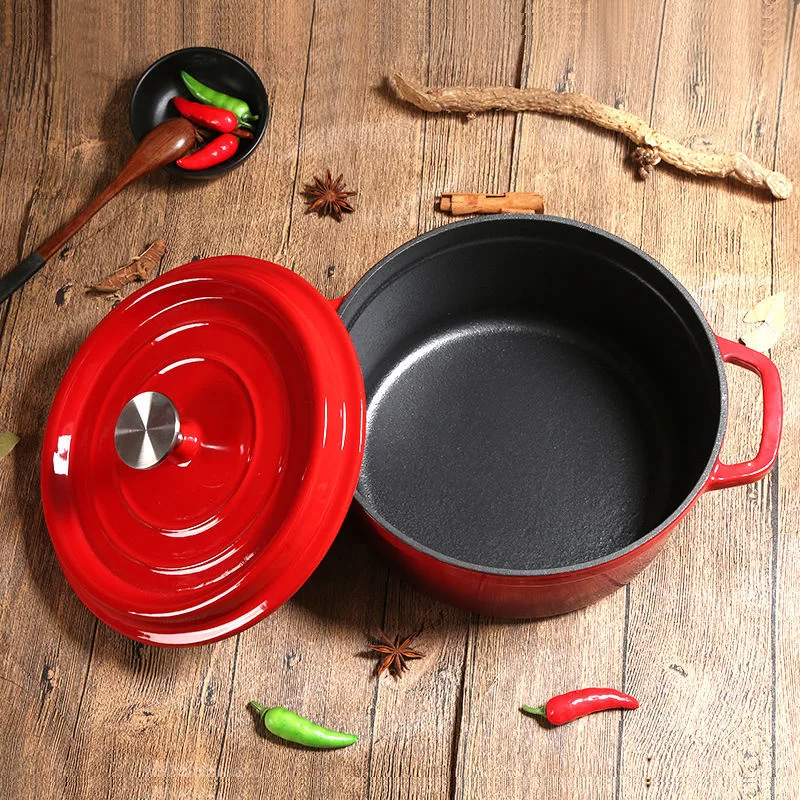
A cast iron campfire set isn’t just cookware; it's a gateway to a timeless tradition of outdoor cooking and communal gatherings. From rugged backcountry adventures to cozy backyard evenings, these sets provide a durable and versatile cooking solution. Understanding the nuances of cast iron campfire sets – their materials, construction, and care – allows for a deeper appreciation of this enduring culinary companion. Its appeal transcends simple functionality, offering a connection to a simpler, more grounded way of life.
The global relevance of cast iron cookware, particularly campfire sets, is rooted in its accessibility and reliability. Even in a world dominated by modern conveniences, cast iron remains a practical choice in regions with limited energy infrastructure or where traditional cooking methods are preferred. The United Nations highlights the importance of sustainable food practices, and cast iron – with its longevity and recyclability – aligns with these principles. Data from the World Bank indicates a growing interest in outdoor recreation, driving demand for durable, portable cooking equipment.
However, a challenge persists: ensuring consistent quality and responsible sourcing of materials used in these sets. Many commercially available sets lack the robustness and heritage of traditional craftsmanship, and responsible environmental practices aren’t always prioritized. Therefore, understanding the components and proper usage of a cast iron campfire set becomes crucial for maximizing its lifespan and minimizing environmental impact.
Definition & Meaning
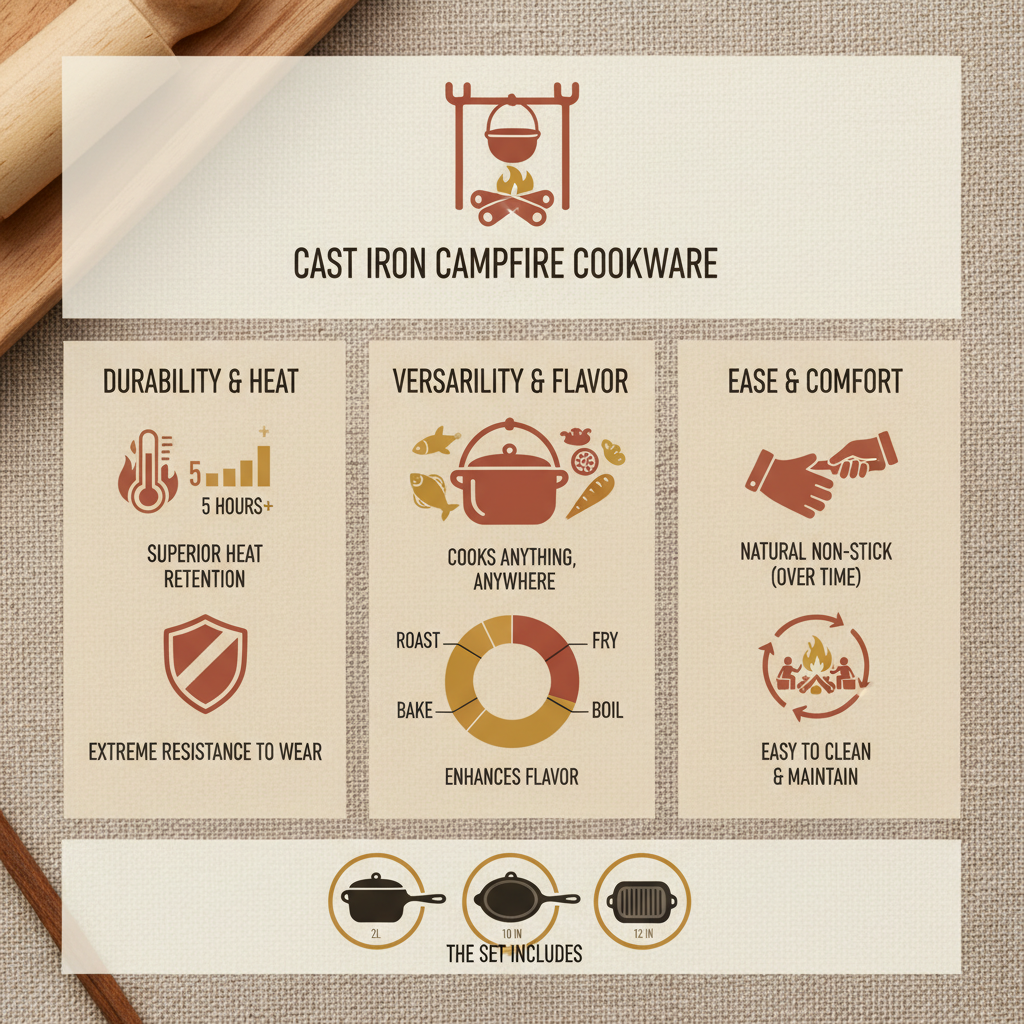
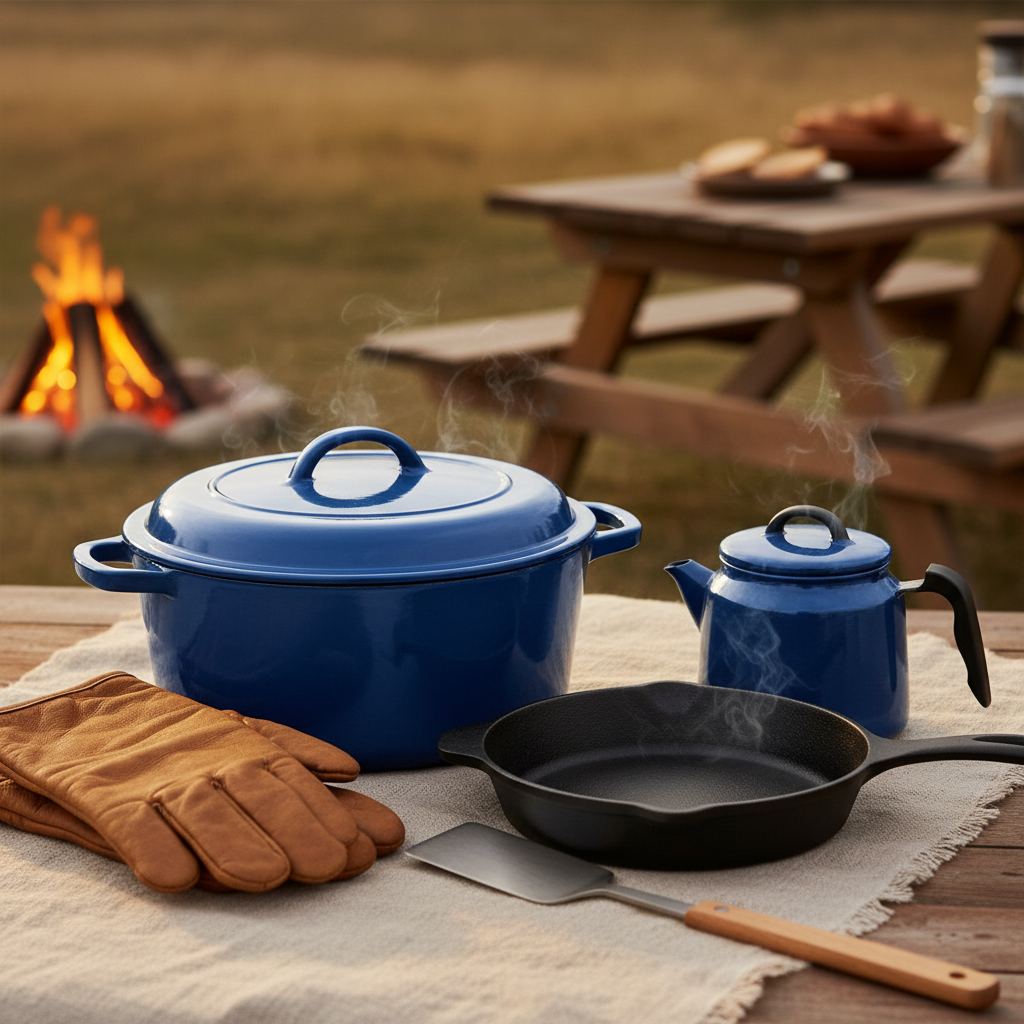
A cast iron campfire set typically comprises a Dutch oven (a heavy pot with a lid), a skillet, a lid lifter, and occasionally other accessories like trivets or baking molds. It's designed for cooking directly over an open flame, coals, or other heat sources common in outdoor settings. The "campfire" aspect highlights its portability and suitability for rustic environments.
Its connection to modern industry isn’t merely nostalgic. Cast iron production supports foundries and skilled labor, preserving traditional metalworking techniques. Furthermore, the demand for durable, off-grid cooking solutions intersects with growing movements towards self-sufficiency and sustainable living. Humanitarian organizations often rely on robust cookware like cast iron in disaster relief efforts, valuing its longevity and ability to withstand harsh conditions.
The Historical Development of cast iron campfire set
The roots of cast iron cookware trace back centuries, with evidence of iron smelting dating back to ancient civilizations. However, the recognizable form of the campfire set – particularly the Dutch oven – emerged in the 18th century, initially developed for colonial American settlers. These early sets were vital for frontier life, offering a reliable means of preparing meals in challenging environments.
Over time, cast iron production evolved from small, localized foundries to larger-scale industrial operations. The Civil War spurred demand for cast iron cookware to supply armies in the field. The 19th and 20th centuries saw refinements in manufacturing techniques and the introduction of seasoned finishes to improve cooking performance and prevent rusting. The cast iron campfire set continued to be a staple for outdoor enthusiasts, scouts, and hunters.
Today, there’s a resurgence in interest in traditional cooking methods, fueled by a desire for authentic experiences and a rejection of disposable consumerism. Modern manufacturers are blending historical designs with contemporary materials and finishes, appealing to both seasoned outdoor cooks and a new generation of enthusiasts.
Material Composition and Manufacturing Processes
Cast iron itself is an alloy composed primarily of iron, carbon, and silicon. The percentage of each element influences the material's properties, such as hardness, brittleness, and thermal conductivity. The quality of the raw iron ore and the precision of the alloying process are critical for producing durable cookware.
The manufacturing process typically involves creating a mold – traditionally made from sand – into which molten iron is poured. Once cooled, the casting is cleaned, machined (to ensure smooth surfaces), and then seasoned. Seasoning involves applying layers of oil and baking the cookware to create a naturally non-stick surface. Variations in the molding process – such as using different types of sand or employing more advanced casting techniques – can impact the final product's weight, thickness, and overall quality.
Modern manufacturers are also exploring alternative casting methods, such as investment casting, to produce more intricate designs and tighter tolerances. The type of oil used for seasoning is another crucial factor, with flaxseed oil, vegetable oil, and canola oil being common choices, each offering varying levels of polymerization and non-stick performance.
Performance Characteristics and Quality Standards
Cast iron excels in heat retention and even heating, making it ideal for slow cooking, searing, and baking. Its ability to maintain consistent temperatures even over uneven heat sources is a key advantage when cooking over a campfire. The thickness of the cast iron contributes significantly to its heat-retention capabilities.
Quality standards for cast iron campfire set are often self-regulated within the industry, though some manufacturers adhere to ISO certifications for quality management systems. Key indicators of quality include the smoothness of the cooking surface, the consistency of the seasoning, the durability of the handles and lid, and the overall weight and balance of the set.
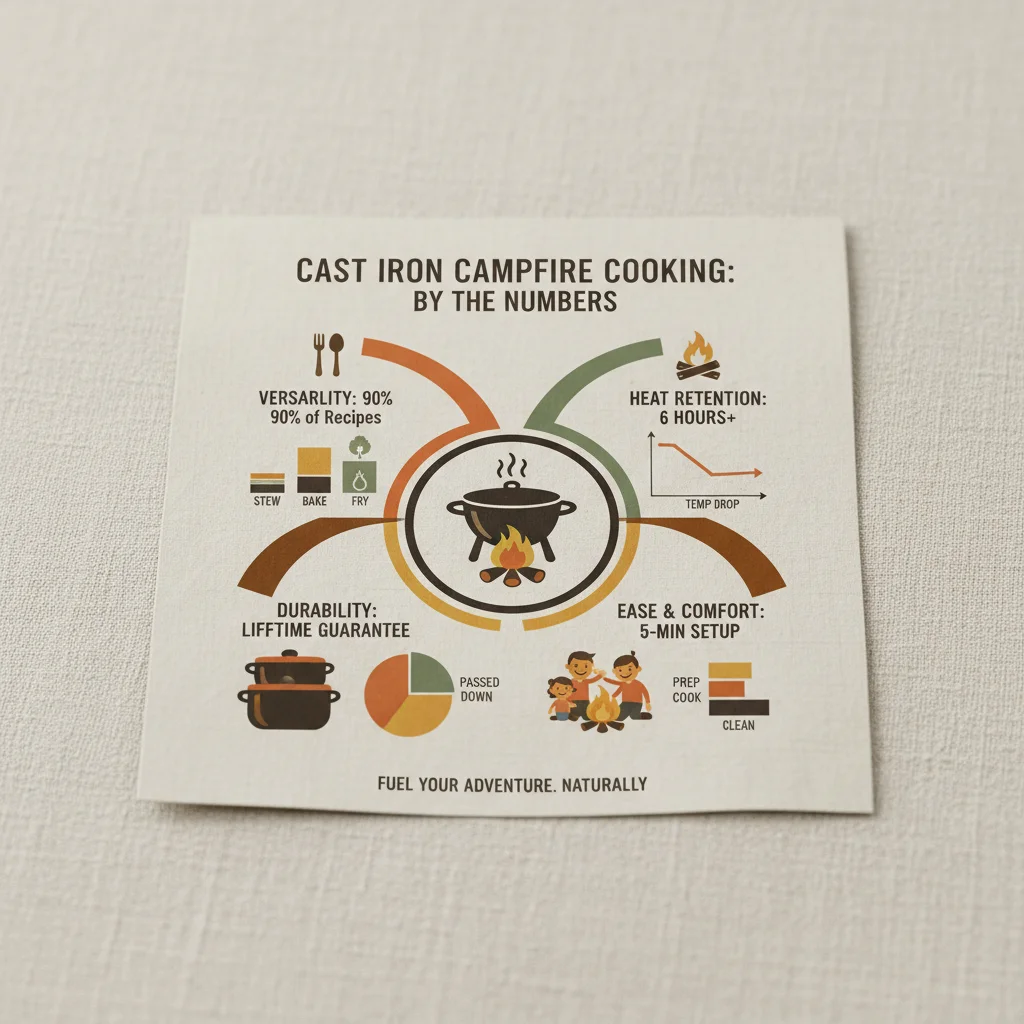
Cast Iron Campfire Set Performance Metrics
Global Market Trends and Regional Variations
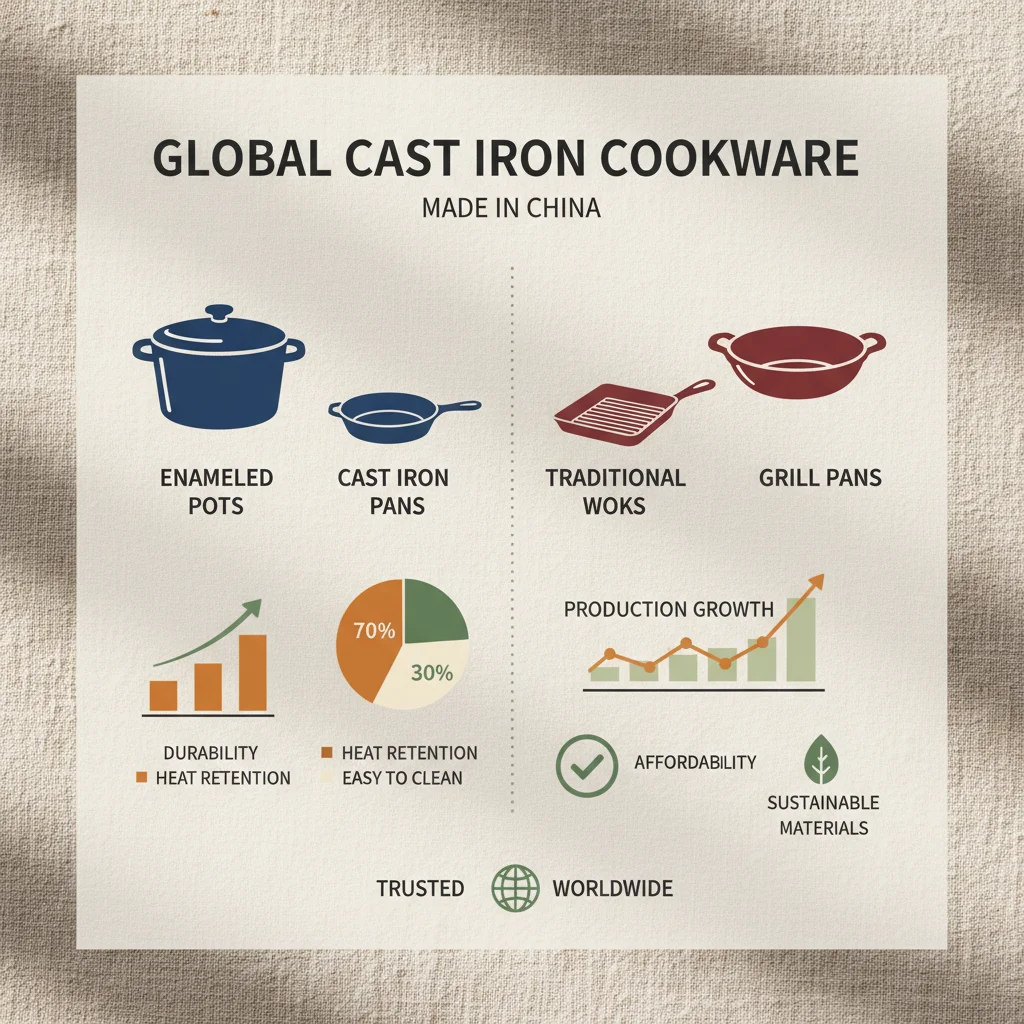
The global market for cast iron cookware is experiencing steady growth, driven by increasing demand from outdoor enthusiasts, chefs, and consumers seeking durable, versatile cooking solutions. North America and Europe remain key markets, but demand is rising in Asia-Pacific and Latin America as well.
Regional variations in preference exist. For example, in some parts of Asia, smaller, lighter cast iron skillets are favored for stir-frying, while in North America, larger Dutch ovens are popular for camping and outdoor cooking. The style of seasoning and the design of handles may also vary depending on regional culinary traditions.
Advantages and Disadvantages of cast iron campfire set
The primary advantage of a cast iron campfire set lies in its durability and versatility. Properly maintained, a set can last for generations. Its excellent heat retention makes it ideal for slow cooking and maintaining consistent temperatures. The ability to cook directly over an open flame or coals provides a unique culinary experience.
However, cast iron is heavy, making it less convenient for backpacking or situations where weight is a concern. It requires regular seasoning to prevent rusting and maintain its non-stick properties. Cast iron can also be brittle and prone to cracking if subjected to rapid temperature changes or impacts.
Despite these drawbacks, the benefits of owning a well-cared-for cast iron set often outweigh the disadvantages, particularly for those who prioritize durability, cooking performance, and a connection to traditional cooking methods.
Future Innovations and Sustainability Practices
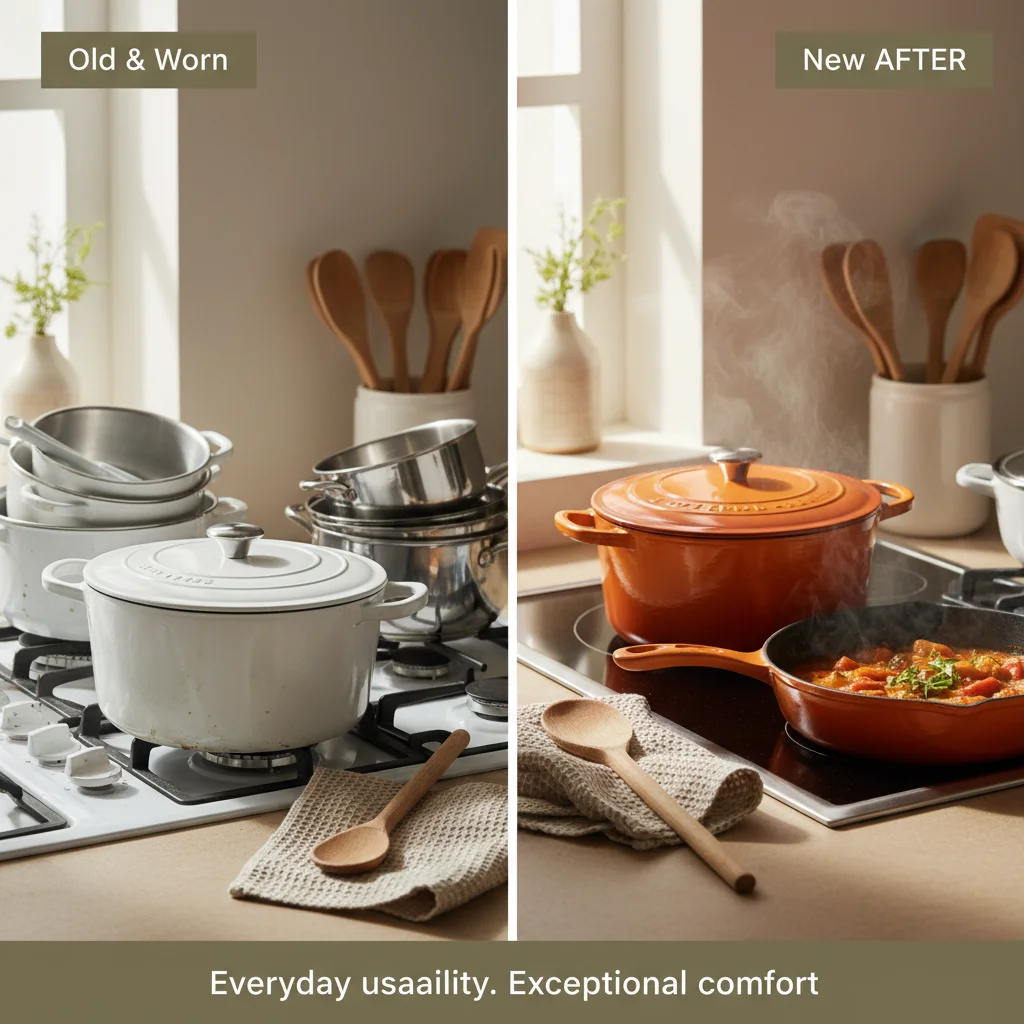
Innovations in cast iron cookware are focused on improving ease of use and reducing weight. Manufacturers are experimenting with thinner-walled castings, lighter alloys, and ergonomic handle designs. Enamel coatings are becoming increasingly popular, offering a non-reactive cooking surface and simplifying cleaning.
Sustainability is a growing concern. Manufacturers are exploring the use of recycled iron and implementing more energy-efficient production processes. Sourcing raw materials responsibly and reducing waste are also key priorities. The increasing demand for eco-friendly products is driving a shift towards more sustainable cast iron cookware.
Furthermore, advancements in seasoning technologies – such as pre-seasoned cookware and innovative seasoning oils – are making cast iron more accessible to novice cooks and reducing the learning curve associated with traditional seasoning methods.
Key Considerations for Evaluating Cast Iron Campfire Set Sustainability
| Material Sourcing |
Manufacturing Process |
Product Longevity |
End-of-Life Management |
| Percentage of Recycled Iron Used |
Energy Consumption per Unit |
Expected Lifespan (Years) |
Recyclability Rate |
| Supplier Transparency & Ethical Sourcing |
Water Usage during Production |
Warranty Offered |
Potential for Refurbishment |
| Carbon Footprint of Raw Material Transportation |
Waste Generation during Casting |
User Reviews & Reported Durability |
Component Material Breakdown for Recycling |
| Presence of Conflict Minerals |
Emissions Control Measures |
Resistance to Cracking & Warping |
Availability of Repair Services |
| Certifications (e.g., Responsible Iron Sourcing) |
Use of Renewable Energy Sources |
Overall Value for Money |
Potential for Upcycling |
| Compliance with Environmental Regulations |
Packaging Materials Used |
Customer Satisfaction |
Ease of Disassembly for Recycling |
FAQS
Seasoning a new cast iron set is crucial for preventing rust and creating a naturally non-stick surface. Start by thoroughly cleaning the cookware with hot, soapy water and drying it completely. Then, apply a thin, even coat of cooking oil (like flaxseed, vegetable, or canola oil) to all surfaces, inside and out. Bake the cookware upside down in a preheated oven at 350-400°F for an hour. Repeat this process several times to build up a durable seasoning layer. Proper seasoning will significantly enhance your cooking experience and prolong the lifespan of your cast iron campfire set.
Rust is the enemy of cast iron, but it's easily preventable. Always dry your cookware thoroughly after each use, and apply a light coat of oil before storing it. Avoid letting food sit in the cookware for extended periods, as this can promote rust. If rust does appear, scrub it off with steel wool or a stiff brush, then re-season the affected area. Keeping your cast iron campfire set properly seasoned is the best defense against rust.
Traditionally, soap was avoided on cast iron because early soaps contained lye, which could damage the seasoning. However, modern dish soaps are generally safe to use in moderation. Quickly wash the cookware with warm, soapy water, rinse thoroughly, and dry immediately. Avoid prolonged soaking or using abrasive scrubbers, as these can strip the seasoning. Re-oiling after washing is always a good practice to maintain the protective layer on your cast iron campfire set.
Cooking acidic foods (like tomatoes or citrus fruits) in cast iron can sometimes cause a metallic taste and potentially strip some of the seasoning. However, a well-seasoned cast iron campfire set is generally safe for short-term cooking of acidic foods. Avoid prolonged simmering of acidic sauces, as this is more likely to cause problems. The seasoning will rebuild over time with regular use.
For stubborn stuck-on food, try simmering water in the cookware for a few minutes to loosen the residue. You can also use a plastic scraper or a chainmail scrubber (designed specifically for cast iron) to gently remove the food particles. Avoid using abrasive scrubbers that can damage the seasoning. Salt is another excellent abrasive for cleaning, add a tablespoon and scrub. A well-maintained seasoning layer will make cleaning much easier.
Store your cast iron campfire set in a dry place to prevent rust. If you live in a humid climate, consider placing a desiccant packet inside the cookware to absorb moisture. Avoid stacking other cookware directly on top of the cast iron, as this can scratch the seasoning. A light coating of oil before storage helps maintain the protective layer. Proper storage will extend the life of your cast iron campfire set.
Conclusion
In conclusion, the cast iron campfire set represents more than just a cooking tool; it embodies a legacy of durability, versatility, and a connection to the outdoors. From its historical origins to modern innovations, cast iron continues to offer a unique culinary experience. Understanding its material properties, proper care, and sustainability considerations allows for maximizing its benefits for generations to come.
Looking forward, a continued focus on sustainable manufacturing practices, lighter designs, and accessible seasoning techniques will broaden the appeal of cast iron cookware. Embrace the enduring qualities of a cast iron campfire set and rediscover the joy of simple, flavorful cooking. Visit our website today to explore our collection: www.jsycastiron.com.