The Ultimate Guide to a High Quality Cast Iron Loaf Pan
Baking enthusiasts and professional bakers alike understand the importance of quality tools. Among these, a high quality cast iron loaf pan stands out as a cornerstone for achieving perfect loaves, whether it's a rustic sourdough or a classic sandwich bread. This article delves into the benefits of cast iron loaf pans, what to look for when choosing one, and how to care for it, ensuring years of reliable baking. Investing in a durable cast iron loaf pan is an investment in consistently delicious results.
Why Choose a Cast Iron Loaf Pan?
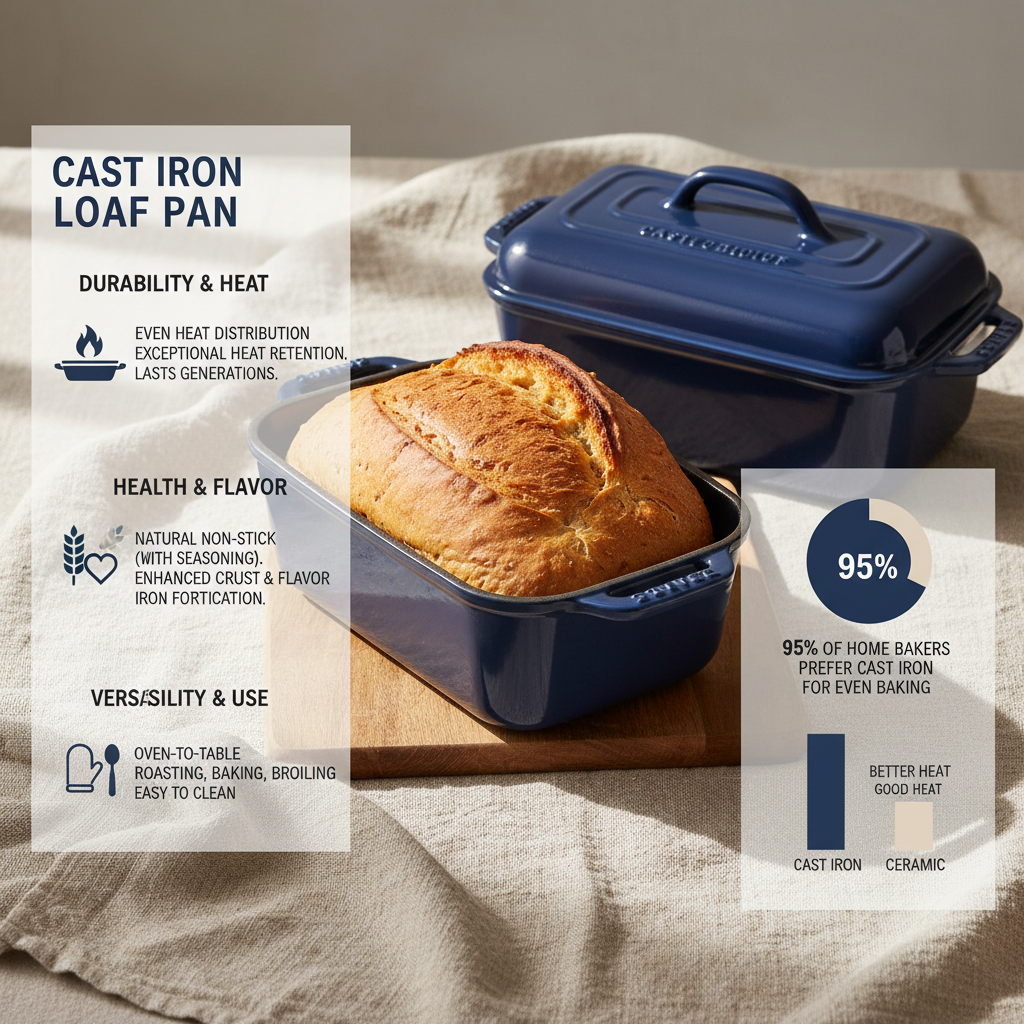
Unlike other materials, cast iron offers exceptional heat retention and even heating. This is crucial for achieving a perfectly browned crust and a consistently baked interior. The weight of the cast iron also helps to compress the loaf during baking, resulting in a tighter crumb structure. Moreover, a well-seasoned cast iron loaf pan is naturally non-stick, minimizing the need for excessive greasing. This makes it not only a practical choice but also contributes to a healthier baking process. Many bakers also find that cast iron imparts a subtle, pleasant flavor to their baked goods.
Key Benefits: Superior heat retention, even heating, natural non-stick properties, durable and long-lasting, imparts flavor.
Understanding the Features of a High Quality Cast Iron Loaf Pan
Not all cast iron loaf pans are created equal. When selecting a high quality cast iron loaf pan, consider the following features: wall thickness, seasoning, and design. A thicker wall will provide better heat retention. Pre-seasoned pans are convenient, but building up your own seasoning over time often results in a superior non-stick surface. The design should be sturdy and well-crafted, with comfortable handles for easy maneuvering.
Essential Features:
• Thick walls for superior heat retention
• Well-seasoned surface for natural non-stick properties
• Sturdy construction and comfortable handles
• Proper dimensions for your desired loaf size
Cast Iron vs. Other Materials: A Detailed Comparison
When compared to other loaf pan materials, cast iron consistently demonstrates superior performance. Stainless steel pans can be durable, but they don't retain heat as effectively. Glass pans allow you to monitor baking progress, but they heat unevenly and are prone to cracking. Non-stick coated pans are convenient, but the coating can degrade over time. Cast iron’s durability and even heating provide long-term value.
| Material |
Heat Retention |
Durability |
Non-Stick |
| Cast Iron |
Excellent |
Exceptional |
Naturally Non-Stick (with seasoning) |
| Stainless Steel |
Good |
Very Good |
Requires Greasing |
| Glass |
Poor |
Fair |
Requires Greasing |
| Non-Stick Coated |
Fair |
Fair (Coating Degrades) |
Excellent (Initially) |
Caring for Your Cast Iron Loaf Pan
Proper care is essential to maintaining the performance of your cast iron loaf pan. Avoid using harsh soaps or abrasive cleaners. After each use, rinse with warm water and dry thoroughly. Lightly coat with oil to prevent rusting and maintain seasoning. For stubborn residue, you can gently scrub with a non-abrasive sponge or a chainmail scrubber.
Product Specifications – JSy Cast Iron Loaf Pan
Here's a quick overview of our standard cast iron loaf pan specifications:
| Specification |
Detail |
| Dimensions (Internal) |
8.5" x 4.5" x 3" |
| Weight |
Approximately 6 lbs |
| Material |
Cast Iron |
| Seasoning |
Pre-Seasoned with Vegetable Oil |
Conclusion: Embrace the Baking Excellence of Cast Iron
A high quality cast iron loaf pan is more than just a baking tool; it’s an investment in consistent, delicious results. Its superior heat retention, durability, and natural non-stick properties make it a favorite among bakers of all levels. Explore our range of cast iron loaf pans at JSy Cast Iron and experience the difference!
Frequently Asked Questions (FAQs)
Can I use a cast iron loaf pan for sourdough bread?
Absolutely! Cast iron loaf pans are excellent for sourdough bread. The consistent heat and excellent heat retention help create a beautiful crust and a chewy interior, which are hallmarks of a well-made sourdough loaf. The weight of the pan also helps support the dough during the initial rise. The slow, even heating prevents scorching and allows for a well-developed flavor profile.
How do I season my cast iron loaf pan?
Seasoning a cast iron loaf pan involves coating it with a thin layer of oil and baking it at a high temperature. First, wash and dry the pan thoroughly. Then, apply a thin, even coat of vegetable oil (or another high smoke point oil) to all surfaces, inside and out. Wipe off any excess oil with a clean cloth. Place the pan upside down in a preheated oven at 350-400°F (175-200°C) for an hour. Let it cool completely in the oven. Repeat this process several times for a robust seasoning.
Is it safe to use a cast iron loaf pan with acidic ingredients like tomato sauce?
While a well-seasoned cast iron pan can handle some acidity, prolonged exposure to highly acidic ingredients like tomato sauce can potentially break down the seasoning. It’s best to avoid using it for long-simmering acidic dishes. If you do use it for a recipe with some acidity, ensure the pan is thoroughly re-seasoned afterward to restore its protective layer.
Where can I purchase a high-quality cast iron loaf pan?
You can find a wide selection of high-quality cast iron loaf pans at JSy Cast Iron. We offer a variety of sizes and styles to meet your baking needs. We are committed to providing durable, well-seasoned cast iron cookware that will last a lifetime.