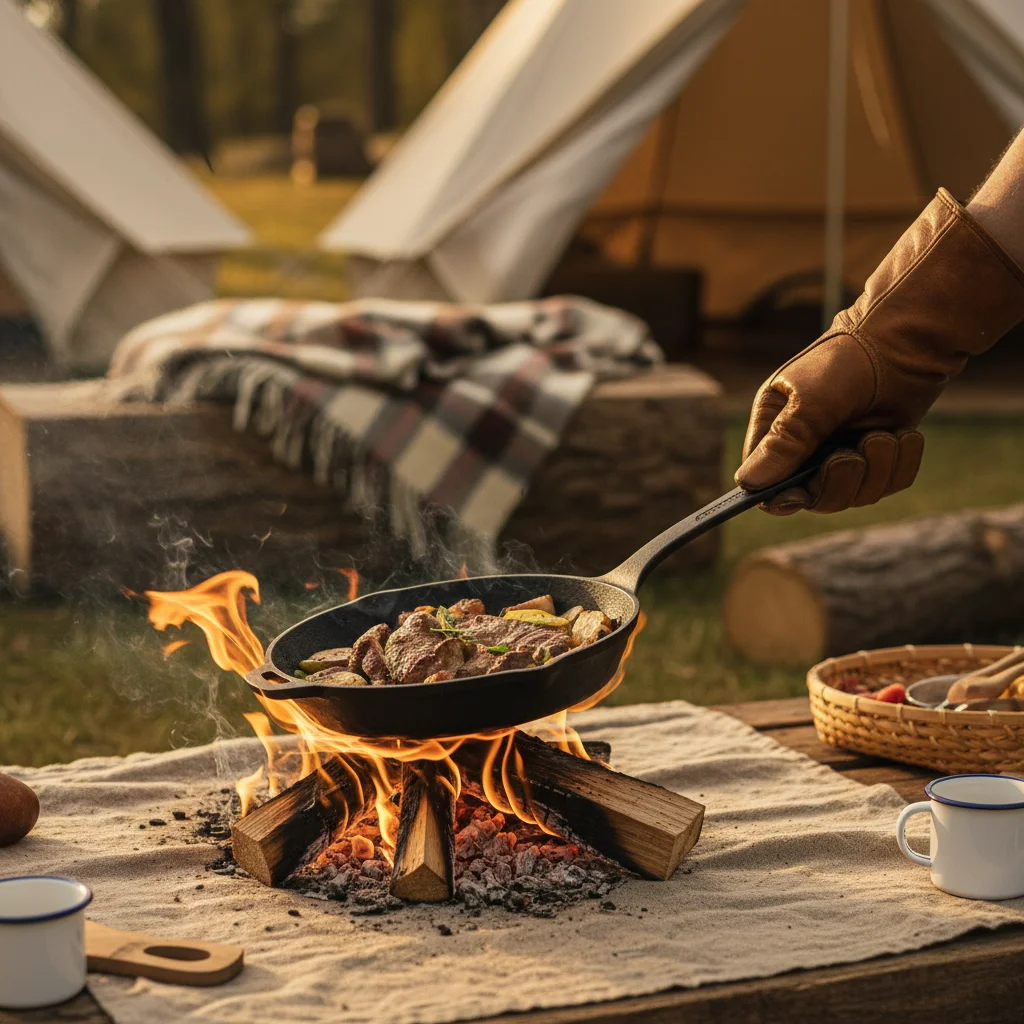
Camping cast iron cookware has experienced a remarkable resurgence in recent years, moving beyond the traditional campsite staple to become a beloved item for home cooks and outdoor enthusiasts alike. This isn't just about nostalgia; it’s about a return to durable, versatile, and naturally non-stick cooking methods. The enduring popularity of camping cast iron speaks to a desire for simpler, more connected experiences – both with nature and with the food we prepare.
The global outdoor recreation market is booming, valued at over $369 billion in 2023 (Statista), and camping remains a significant portion of this. As individuals seek escapes from urban life, demand for reliable and high-performing camping gear, including cast iron, continues to grow. Simultaneously, increased awareness of sustainable living fuels a preference for products built to last, reducing the need for frequent replacements—a key benefit of quality camping cast iron.
Understanding the nuances of camping cast iron – from proper seasoning to cleaning and maintenance – empowers individuals to create memorable outdoor culinary experiences. This knowledge isn’t merely about cooking; it’s about fostering self-sufficiency, embracing the outdoors responsibly, and enjoying the unique flavors that only cast iron can deliver.
The Enduring Appeal of camping cast iron
The timeless quality of camping cast iron lies in its ability to connect us to generations past. Before the age of lightweight aluminum and non-stick coatings, cast iron was the cookware of choice for pioneers, cowboys, and anyone venturing into the wilderness. This historical significance imbues each piece with a sense of authenticity and ruggedness.
Beyond sentiment, the practical benefits continue to resonate. Its ability to distribute heat evenly, retain warmth for extended periods, and be used over open flames or coals makes it uniquely suited for outdoor cooking. It's a versatile workhorse capable of searing, frying, baking, and even simmering – all with minimal fuss.
Defining camping cast iron
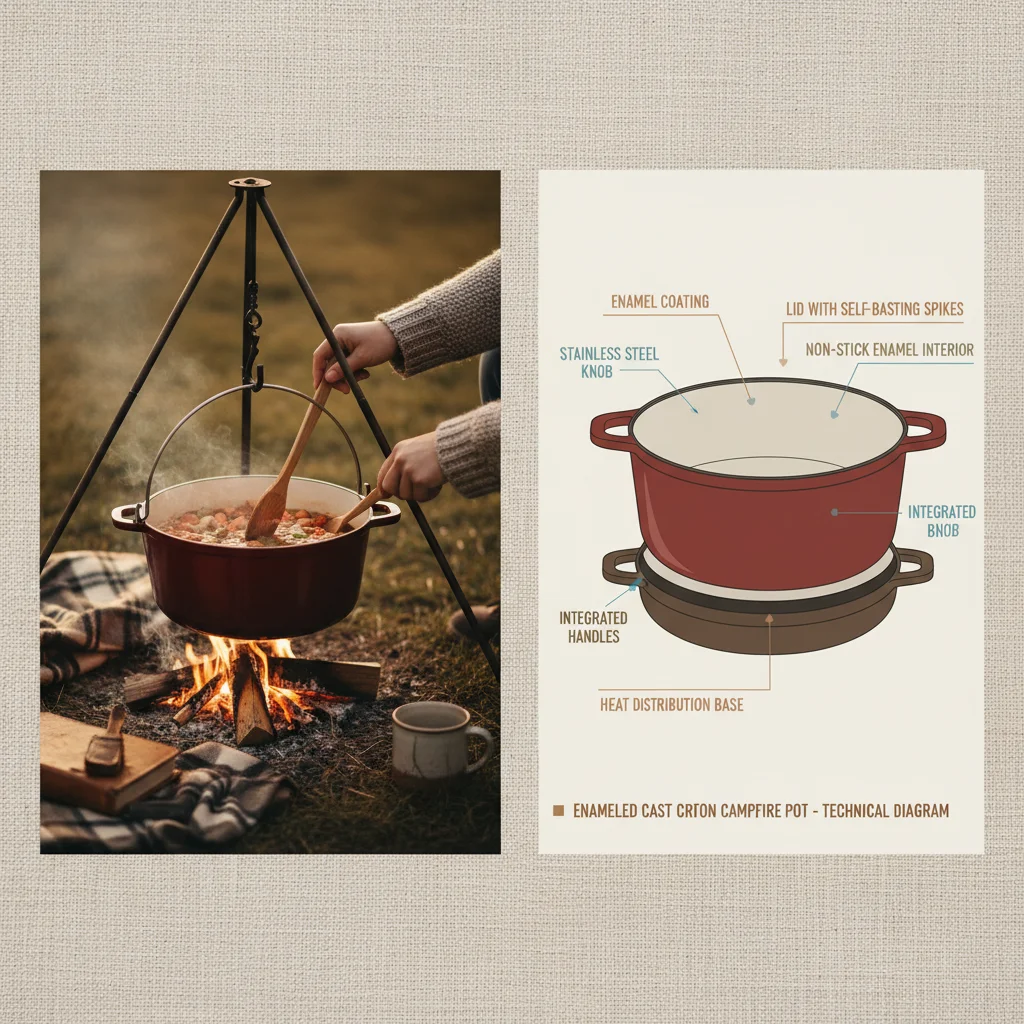
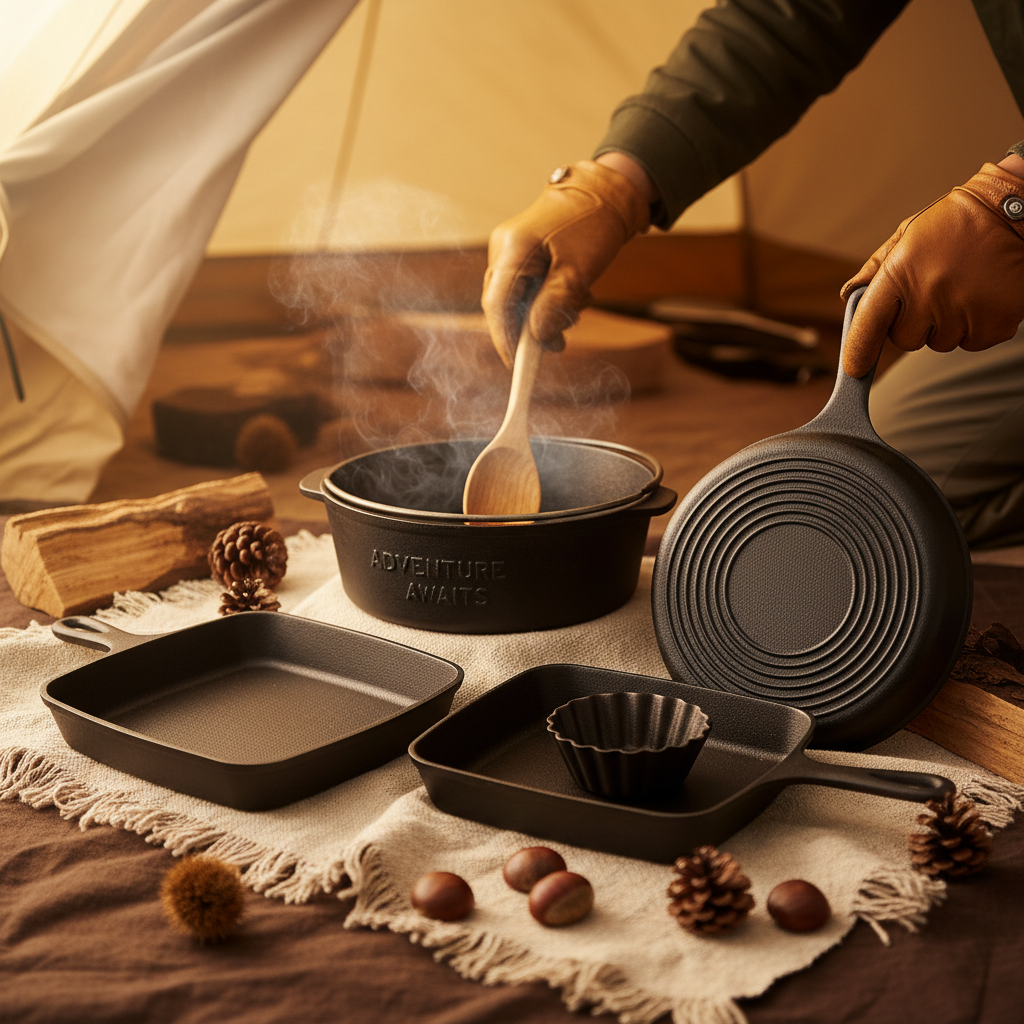
Camping cast iron refers to cookware made primarily of cast iron, specifically designed or suitable for use during camping and outdoor cooking activities. It typically encompasses skillets, Dutch ovens, griddles, and other cooking vessels, characterized by their thick walls and excellent heat retention.
Unlike more modern cookware materials, cast iron is an alloy of iron and carbon, created through a specific manufacturing process. This composition allows for exceptional heat distribution and makes it incredibly durable. The key is proper seasoning—a process of baking oil onto the surface—which creates a natural, non-stick patina.
This connection to basic, enduring materials links camping cast iron to a growing movement towards simpler living and self-reliance. It allows campers to prepare delicious and satisfying meals without relying on electricity or complex equipment, contributing to a more authentic and immersive outdoor experience.
Core Characteristics of camping cast iron
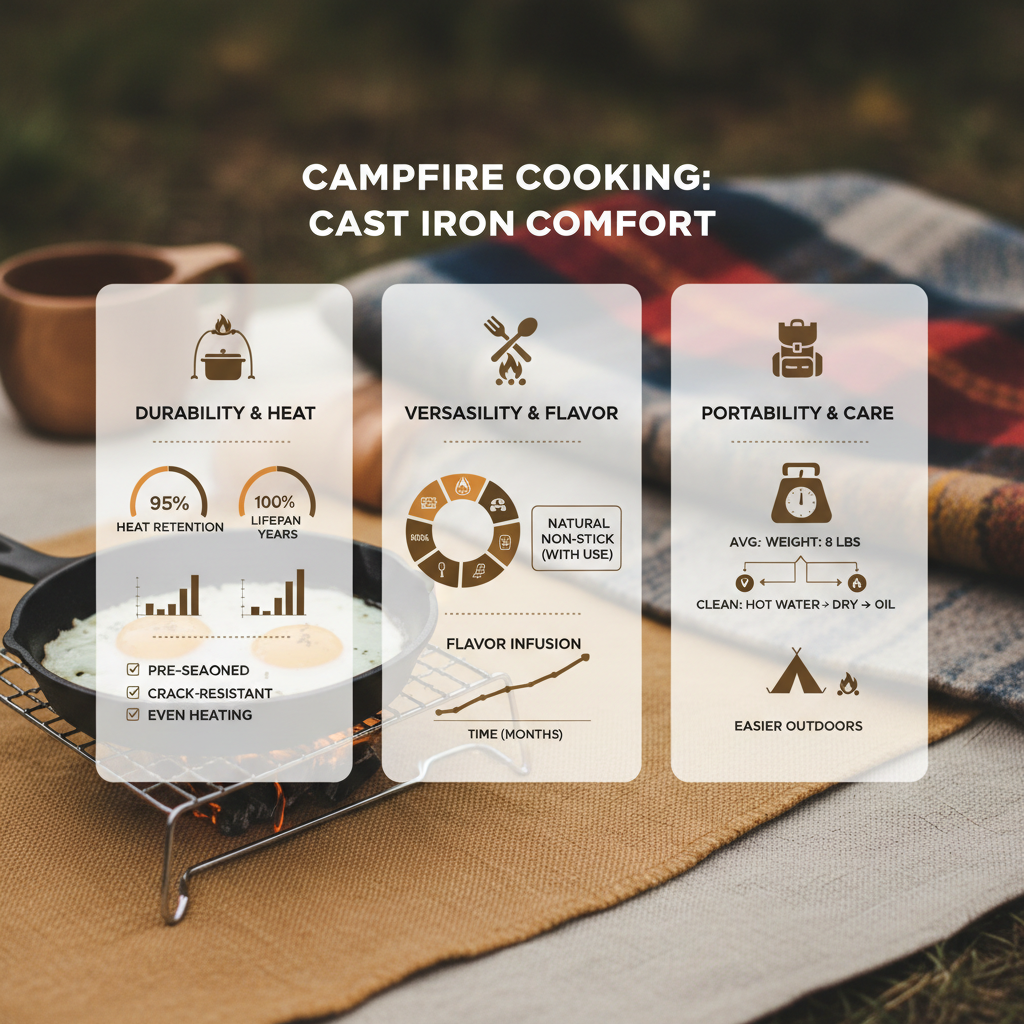
Durability is arguably the most defining characteristic of camping cast iron. With proper care, a cast iron skillet can last for generations, becoming a cherished heirloom. Unlike other cookware that degrades with use, cast iron actually improves with age as the seasoning builds up.
Heat retention is another crucial feature. Cast iron’s density allows it to store heat for extended periods, making it ideal for maintaining consistent cooking temperatures, particularly when cooking over uneven heat sources like campfires. This is especially valuable for slow-cooking dishes like stews and chili.
Versatility sets it apart. Camping cast iron isn’t limited to one cooking method. It can be used on open flames, charcoal, gas stoves, and even in ovens. This adaptability makes it a go-to choice for a wide range of camping meals, from simple breakfast scrambles to elaborate campfire dinners.
Global Applications of camping cast iron
The use of camping cast iron extends far beyond recreational campers. It's a staple among outfitters and guides leading expeditions in remote areas where lightweight, reliable cookware is essential. From the rugged terrain of the American Southwest to the challenging conditions of the Himalayas, cast iron provides a dependable cooking solution.
In many rural communities around the world, where access to modern cooking facilities is limited, cast iron remains a primary cooking method. Its durability and ability to function without electricity make it invaluable for preparing meals in off-grid locations.
Even within the humanitarian aid sector, durable and versatile cookware like camping cast iron can play a role in disaster relief efforts, providing a means for communities to prepare nutritious meals in the aftermath of emergencies.
Camping Cast Iron Performance Metrics
Advantages and Long-Term Value
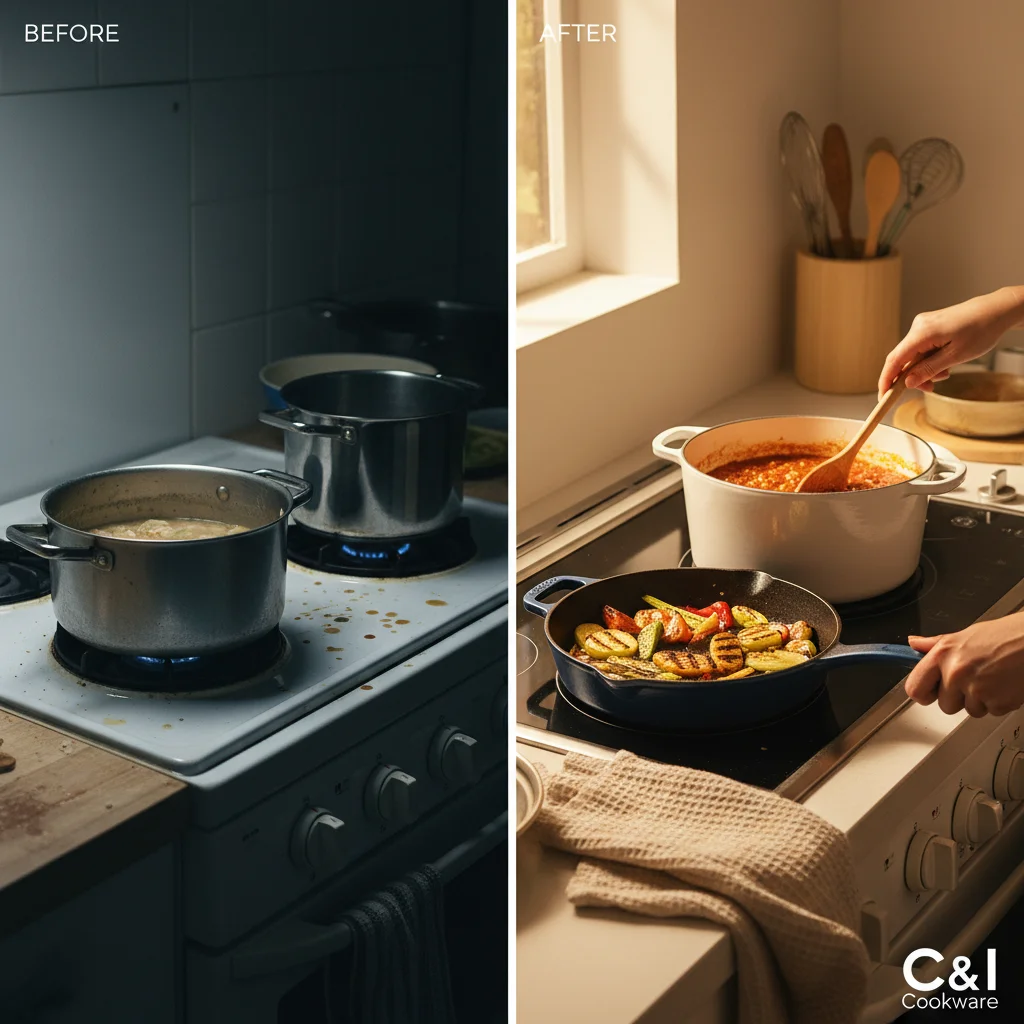
The cost-effectiveness of camping cast iron is a significant advantage. While the initial investment may be slightly higher than some non-stick alternatives, its longevity means it rarely needs replacing, ultimately saving money in the long run.
From a sustainability perspective, cast iron is a remarkably eco-friendly option. Made from a highly recyclable material, it reduces landfill waste and promotes responsible consumption. Its durability also minimizes the need for frequent replacements, further lessening its environmental impact.
Future Trends in camping cast iron
Innovations in pre-seasoned cast iron are making it more accessible to novice cooks, eliminating the often-daunting task of initial seasoning. Manufacturers are also exploring lighter-weight cast iron alloys, without sacrificing heat retention, enhancing portability for backpacking.
A growing trend is the integration of smart technologies. While not commonplace yet, some companies are developing cast iron cookware with embedded sensors that monitor temperature and provide real-time cooking feedback via smartphone apps.
Furthermore, a focus on sustainable production methods, including the use of recycled materials and energy-efficient manufacturing processes, is gaining momentum, aligning with consumer demand for environmentally responsible products.
Challenges and Solutions
One of the primary challenges with camping cast iron is its weight. While its density contributes to its heat retention, it can be a burden for backpackers or those prioritizing lightweight gear. Solutions include opting for smaller-sized pieces or exploring thinner-walled cast iron options.
Rust is another common concern. Regular seasoning and proper drying after use are essential to prevent corrosion. For those experiencing rust, effective cleaning and re-seasoning can often restore the cookware to its former glory.
Finally, maintaining a consistent seasoning can be tricky. Utilizing appropriate oils, avoiding harsh detergents, and regularly cooking with fats are crucial for building and preserving a robust seasoning layer.
Analysis of Camping Cast Iron Maintenance Techniques
| Maintenance Technique |
Difficulty (1-5) |
Time Commitment |
Effectiveness (1-5) |
| Initial Seasoning |
3 |
2-3 hours |
4 |
| Regular Oil Rubdown |
1 |
5-10 minutes |
5 |
| Rust Removal & Re-Seasoning |
4 |
3-5 hours |
3 |
| Gentle Hand Washing |
1 |
5 minutes |
5 |
| Avoiding Harsh Soaps |
1 |
Ongoing |
4 |
| Thorough Drying |
1 |
2 minutes |
5 |
FAQS
The most effective method involves applying a very thin, even coat of oil (flaxseed, canola, or vegetable) to all surfaces, inside and out. Then, bake it upside down in a 350-400°F oven for about an hour. Repeat this process 3-4 times for a robust base seasoning. Ensure the oil is thoroughly polymerized to prevent stickiness.
Avoid harsh soaps and abrasive scrubbers. For routine cleaning, warm water and a soft sponge or brush are usually sufficient. If food is stuck, gently scrape it off with a plastic scraper. Dry the skillet immediately and apply a thin coat of oil after washing to maintain the seasoning.
While technically yes, using metal utensils can gradually wear down the seasoning over time. Wooden, silicone, or plastic utensils are gentler on the surface and will help preserve the seasoning layer for longer. Careful use of metal utensils is possible, but avoid excessive scraping.
Remove the rust with steel wool or a scouring pad. Then, wash the skillet thoroughly with soap and water. After drying completely, re-season the skillet following the initial seasoning process (thin oil coat, baking). Minor rust can often be remedied, restoring the cookware to usable condition.
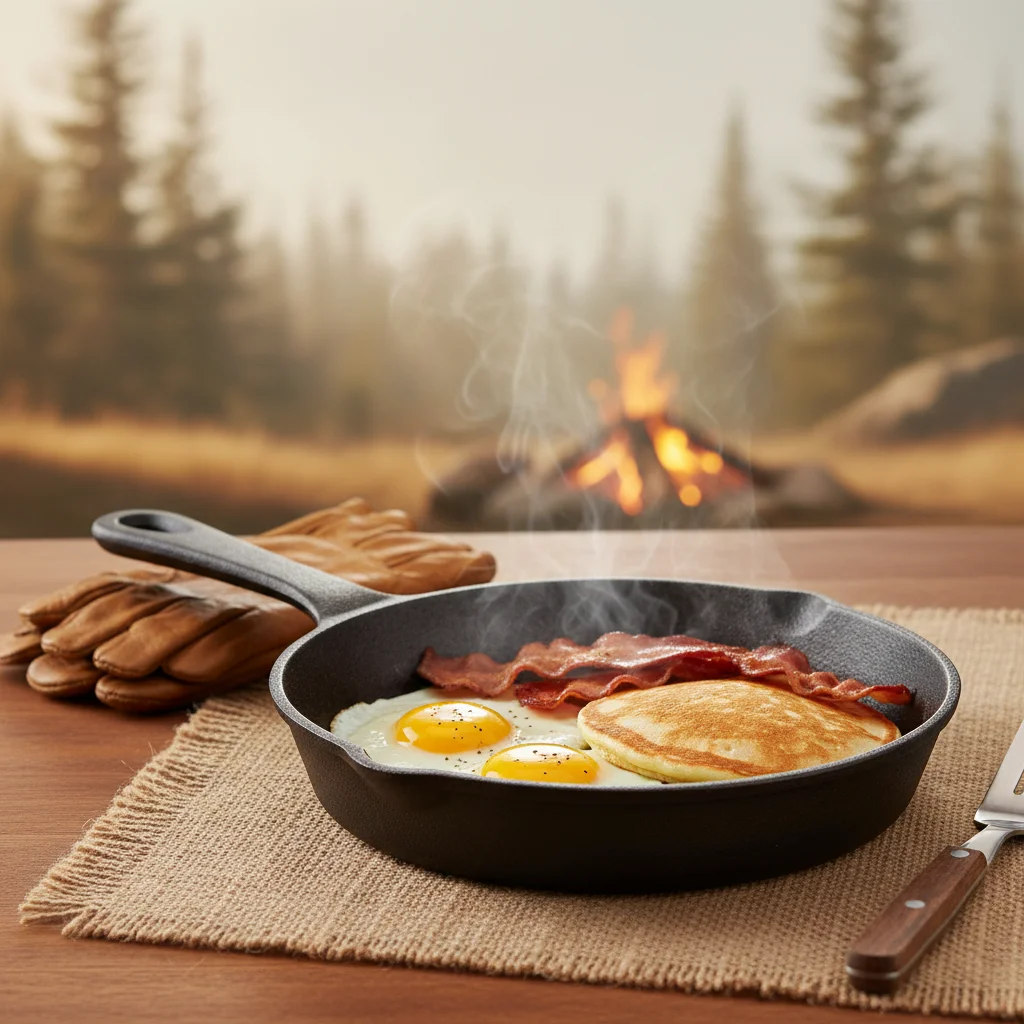
Yes, camping cast iron is exceptionally well-suited for use over open flames, coals, or camp stoves. Its high heat tolerance and ability to distribute heat evenly make it a perfect choice for campfire cooking. However, always use caution and handle the hot cast iron with appropriate heat-resistant gloves or tools.
Store cast iron in a dry place. If stacking, place a paper towel or cloth between pieces to prevent moisture buildup and scratching. A light coat of oil applied before storage will further protect against rust. Avoid storing in humid environments.
Conclusion
From its rich history to its enduring practicality, camping cast iron remains a cornerstone of outdoor cooking. Its durability, versatility, and ability to enhance the culinary experience make it an invaluable asset for campers, adventurers, and home cooks alike. The benefits extend beyond the plate, encompassing sustainability, self-sufficiency, and a deeper connection to the traditions of outdoor living.
As innovation continues to refine cast iron cookware, and as more individuals embrace the simplicity and satisfaction of outdoor cooking, the future of camping cast iron looks bright. We encourage you to explore the world of cast iron and discover the joy of creating delicious meals amidst the beauty of nature. Visit our website at www.jsycastiron.com to learn more and find the perfect piece for your next adventure.