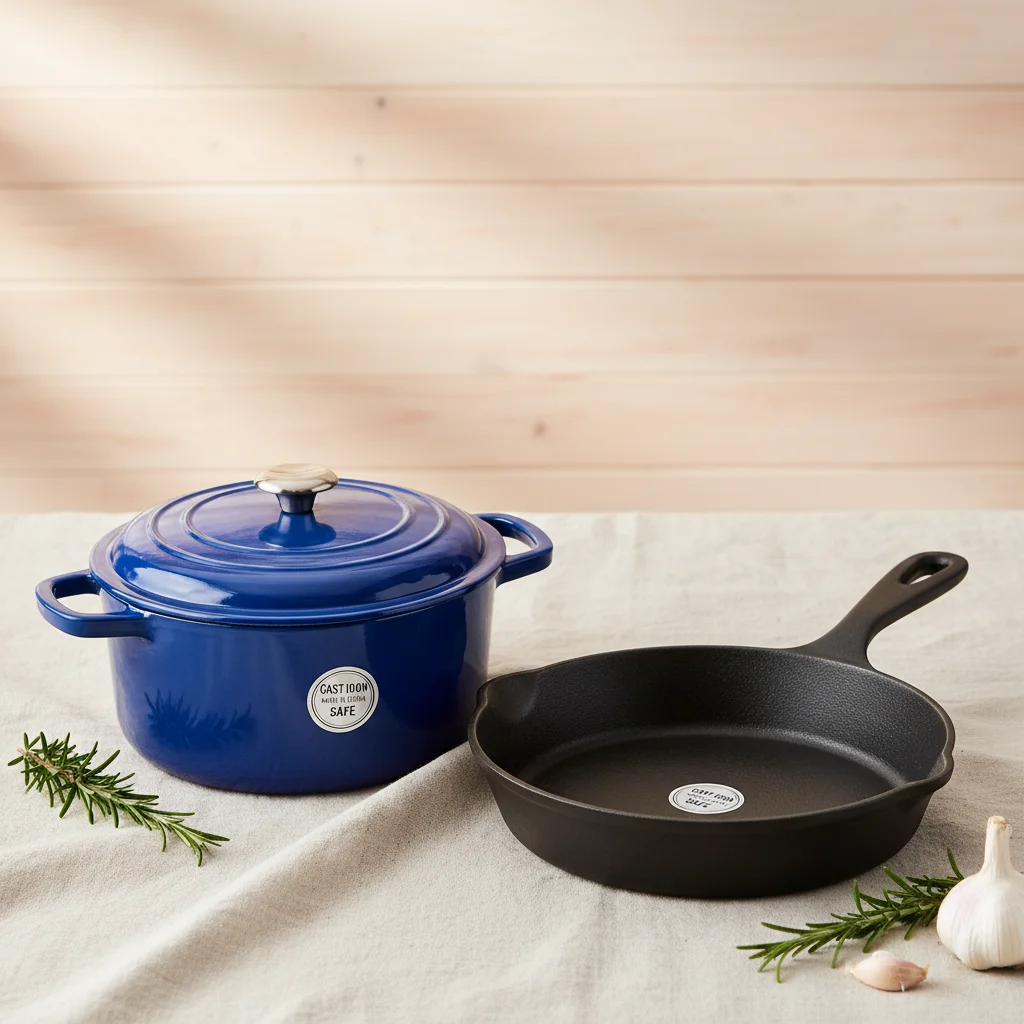
OEM Cast Iron Pan: Durable, Customizable, and Built to Last
Having worked in the industrial equipment sector for over a decade, I’ve come across countless products that promise longevity and performance but often fall short in real-world applications. However, OEM cast iron pans are a different breed—tough, reliable, and frankly, kind of fascinating once you dig into their design and manufacture.
When you think of cast iron, you probably picture your grandmother’s heavy skillet. But the industrial-grade OEM cast iron pans used in factories, laboratories, and catering services are precision-made instruments. They’re not just about heat retention; they have to meet specific engineering tolerances. For instance, thickness uniformity and stress testing under heavy loads are critical because cracking or warping is simply unacceptable.
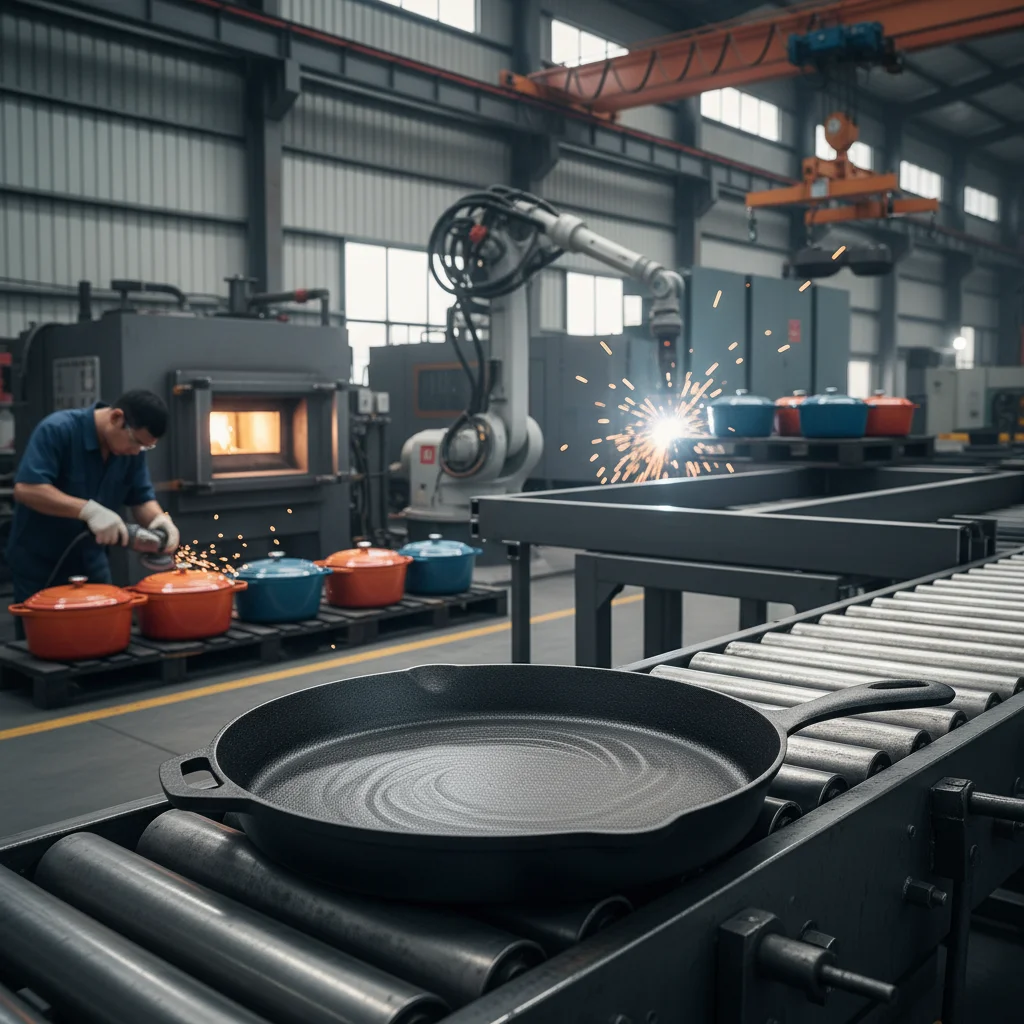
Frankly, the manufacturing process is a blend of tradition and modern science. Most pans start with carefully selected high-grade cast iron—rich in carbon and designed to withstand thermal shocks and corrosion. The foundries I’ve visited typically employ automated molds but still rely on skilled workers for finishing and quality control. It feels like a dance between technology and craftsmanship.
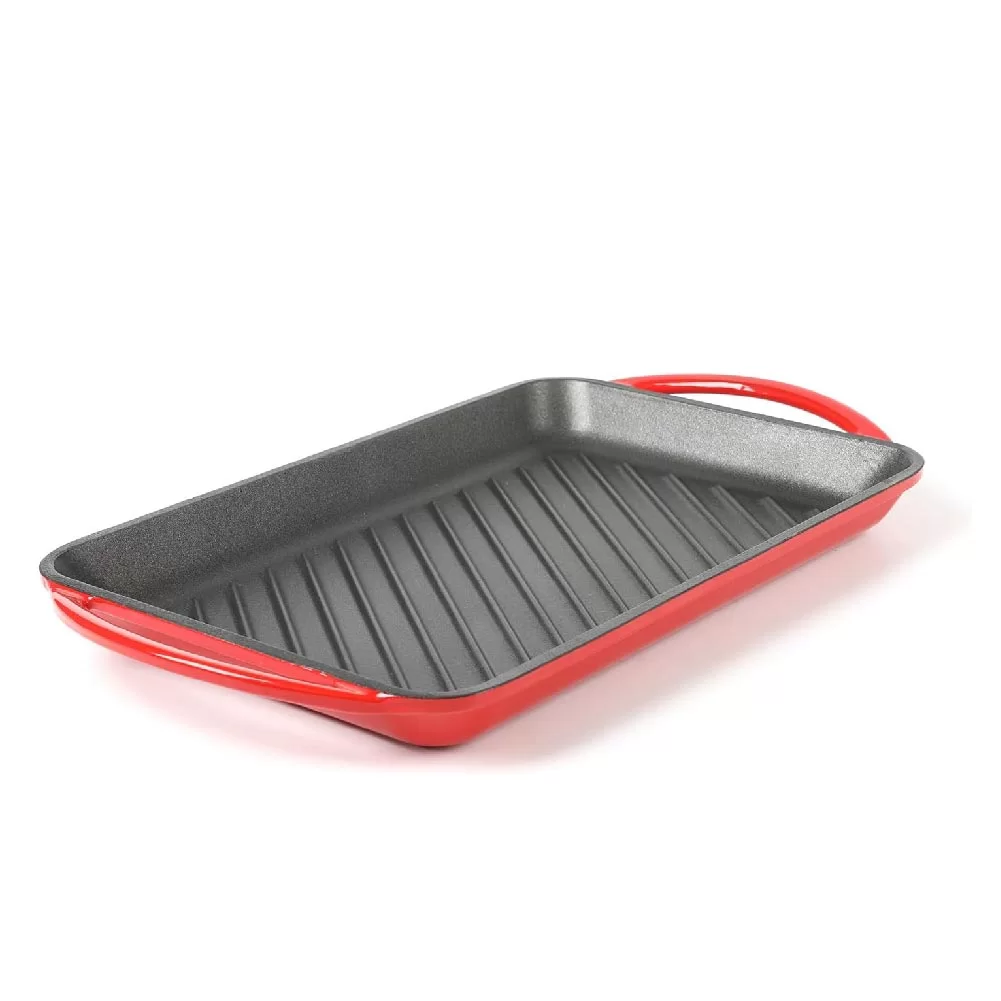
One thing I noticed time and again is the growing demand for customization. OEM clients often want their pans in unusual sizes or with specific surface finishes to optimize food release, all while sticking to exacting dimensions. Jsy Cast Iron, for example, offers tailored solutions, balancing mass production with bespoke requirements. This flexibility is kind of a game-changer for suppliers who want to stay competitive.
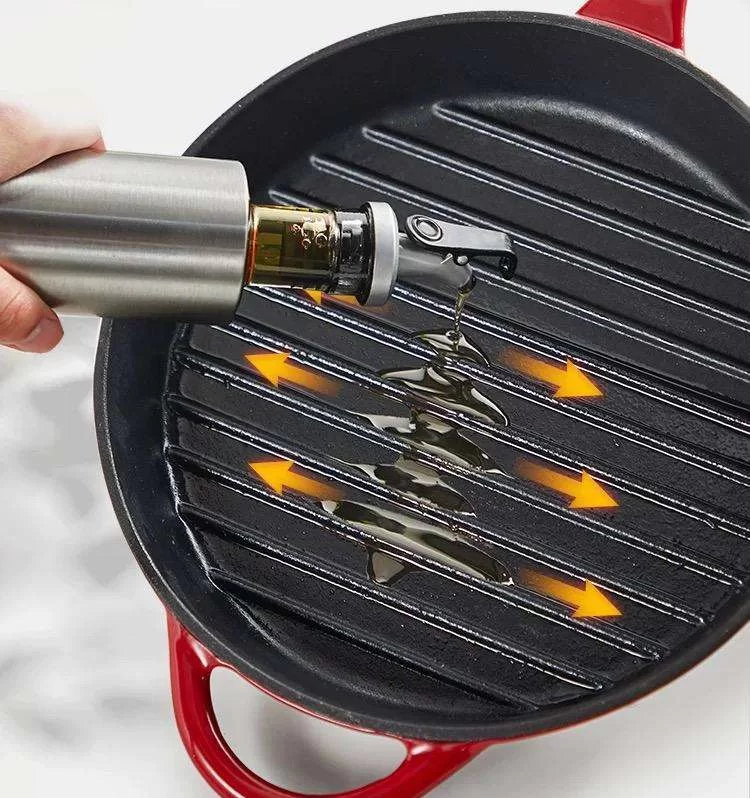
From a user’s perspective, these cast iron pans excel in versatility, whether you’re baking, frying, or even using them as warming trays. The even heat distribution is something many caterers swear by. A customer I spoke to recently mentioned how switching to OEM cast iron pans improved consistency in their industrial kitchen—in real terms, their meals came out better cooked every time, no gimmicks.
Let’s get down to specs—you’ll want to see the kind of details an engineer cares about:
| Specification |
Details |
| Material |
High-grade carbon cast iron (3.0% - 3.5% Carbon) |
| Thickness |
5–10 mm uniform thickness |
| Finish |
Matte black seasoning coating or industrial polish |
| Dimensions |
Customizable, standard sizes from 8" to 24" |
| Load Capacity |
Tested up to 350 kg without deformation |
| Thermal Shock Resistance |
Withstands rapid temperature changes up to 600°C |
But how do various OEM suppliers stack up? Here’s a quick glance to help you decide, based on my years in the field and some direct vendor assessments:
| Vendor |
Customization |
Lead Time |
Pricing |
Quality Control |
| JSY Cast Iron |
Excellent – bespoke options available |
4–6 weeks |
Competitive |
Stringent with automated testing |
| Alpha Foundry |
Limited customization |
3–5 weeks |
Moderate |
Good, manual QC |
| Crescent Metalworks |
Moderate, standard sizes only |
5–7 weeks |
Higher price point |
High standards, specialized QC |
Now, I suppose you might wonder whether cast iron is the right material given alternatives like stainless steel or aluminum. Oddly enough, cast iron’s thermal properties and durability keep it a favorite in industrial contexts, especially where high heat and heavy-duty use are typical. It’s not just rugged—it actually improves with time when properly maintained. That “seasoning” layer can become almost like a non-stick surface.
Looking back, I recall a project where a food processing plant switched their old pans to OEM cast iron models sourced from JSY Cast Iron. The improvement in consistency and lifespan was remarkable. It felt like a small change but had a massive operational impact—a classic example of how the right equipment makes a difference beyond just specs.
In sum, if you’re scouting for an OEM cast iron pan, trust the engineering, look closely at vendor capabilities, and don’t underestimate the value of customization. And yeah, sometimes the old-school stuff still packs the punch.
References:
- Industry interviews and vendor site visits, 2015–2023.
- Technical datasheets of cast iron production standards.
- Customer testimonial compiled during site audits, 2022.