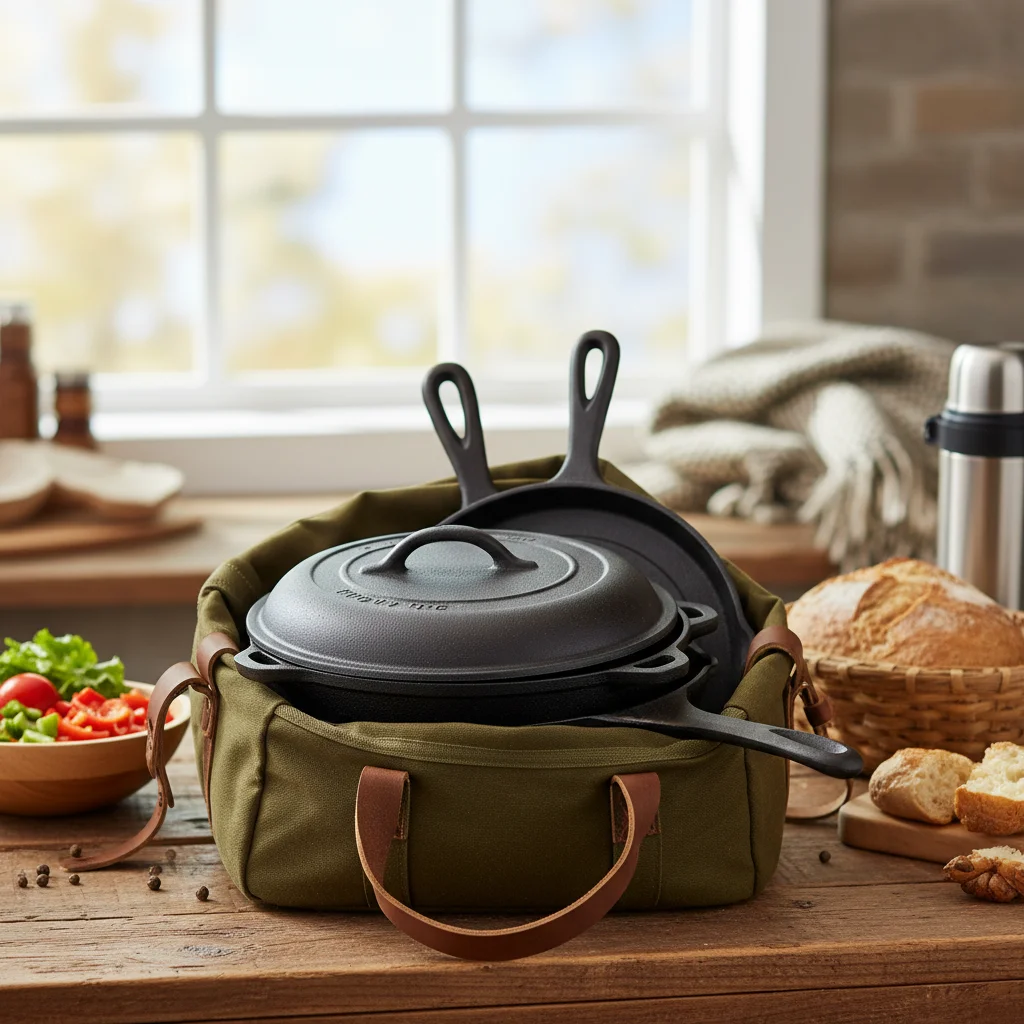
Understanding the nuances of cast iron cookware price is essential for both professional chefs and home cooking enthusiasts who seek a balance between initial investment and lifetime value. Unlike modern non-stick alternatives, cast iron represents a generational purchase, where the cost is amortized over decades of reliable service.
Across the global market, the variance in cast iron cookware price is often driven by manufacturing techniques, the purity of the iron used, and the presence of enamel coatings. Whether you are sourcing a heavy-duty Dutch oven or a precision-crafted grill pan, the pricing reflects the energy-intensive process of casting and the meticulous finishing required to ensure heat distribution.
By analyzing the factors that influence the cast iron cookware price, consumers can better identify high-value pieces that offer superior durability and heat retention. This guide delves into the economics of cast iron, helping you navigate the spectrum from affordable raw cast iron to premium enameled artisanal pieces.
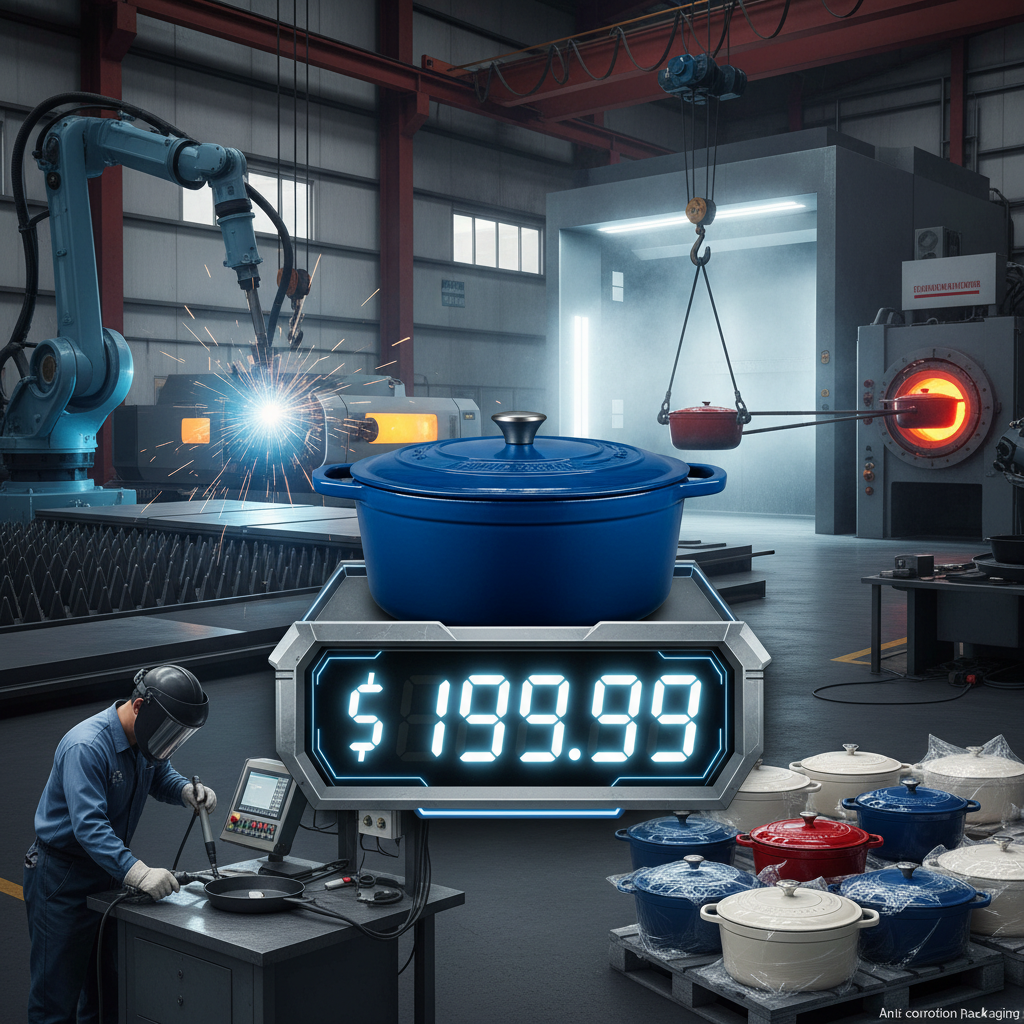
The Economic Drivers of Cast Iron Cookware Price
The primary driver of the cast iron cookware price is the raw material cost coupled with the energy requirements of the smelting process. Cast iron requires temperatures exceeding 1,200 degrees Celsius to remain liquid before being poured into molds, meaning that energy fluctuations in the global market directly impact the final retail cost.
Additionally, labor costs for finishing—such as grinding away casting seams and applying initial seasoning—play a significant role. While mass-produced pans remain affordable, artisanal pieces that undergo hand-polishing command a higher price due to the intensive man-hours required to achieve a smooth, non-reactive surface.
Material Quality and Its Impact on Cost
Not all iron is created equal, and the grade of metal used is a pivotal factor in the overall cast iron cookware price. High-purity virgin iron is generally more expensive to source than recycled scrap iron, but it results in a more consistent crystalline structure, which reduces the likelihood of warping or cracking under extreme thermal stress.
The distinction between grey iron and ductile iron also influences the budget. Ductile iron, which contains magnesium to make the metal less brittle, often leads to a higher cast iron cookware price because of the complex alloying process. However, this investment pays off in the form of increased impact resistance and longevity.
Furthermore, the application of enamel—a glass-based coating—significantly elevates the price. Enameling requires multiple firings in high-temperature kilns, adding layers of complexity to the production cycle. This is why an Enamel Cast Iron Casserole typically carries a premium compared to a standard pre-seasoned skillet.
Manufacturing Processes and Price Variations
The method of casting—whether it be traditional sand casting or the more modern centrifugal casting—creates a noticeable shift in the cast iron cookware price. Sand casting is the industry standard for affordability, utilizing disposable molds that allow for rapid production cycles and lower entry-level costs.
In contrast, precision casting and polishing techniques used for high-end "smooth-surface" iron result in a higher cast iron cookware price. By removing the coarse texture typical of sand casting, manufacturers create a surface that seasons faster and releases food more easily, bridging the gap between traditional cast iron and carbon steel.
Quality control measures, such as X-ray inspection for internal air bubbles (porosity), also add to the operational costs. A brand that guarantees zero-defect casting will naturally have a higher cast iron cookware price, but they eliminate the risk of the pan splitting during a high-heat sear.
Comparative Value Analysis of Cookware Types
When evaluating the cast iron cookware price across different categories, it is helpful to look at the volume of material used. For instance, a Cast Iron Dutch Oven requires significantly more raw iron than a Cast Iron Press, naturally leading to a higher price point.
However, the "value" is found in the versatility. A Cast Iron Grill Pan that can move from the stovetop to the oven provides a utility that offsets its cost. When comparing an Enameled Cast Iron Fry Pan to a raw one, the price increase is a trade-off for the elimination of the seasoning process and the ability to cook acidic foods without stripping the surface.
Investment Value vs. Cast Iron Cookware Price Category
Market Applications and Global Pricing Trends
In the global market, the cast iron cookware price varies significantly by region. In North America, there is a strong preference for heavy-duty, pre-seasoned pans, while European markets often lean toward the premium Enamel Coated Cast Iron Cookware, which commands a higher price due to the aesthetic and functional requirements of French and Italian cuisines.
We are also seeing a rise in "specialty" cast iron, such as the Cast Iron Takoyaki Pan or the Cast Iron Bread Loaf Pan. These niche products often have a higher price per pound because the molds are produced in smaller quantities, increasing the overhead cost per unit compared to standard round skillets.
Long-term Value and Sustainability ROI
When calculating the true cost of ownership, the initial cast iron cookware price becomes almost negligible. Unlike PTFE-coated pans that must be replaced every 2-5 years, a well-maintained cast iron pot can last for centuries. This creates a "sustainability ROI" where the cost per year of use drops to pennies.
From an environmental perspective, the durability of cast iron reduces landfill waste. The energy spent on the initial production is offset by the fact that the user never needs to buy a replacement. This logical angle transforms the cast iron cookware price from an expense into a long-term asset.
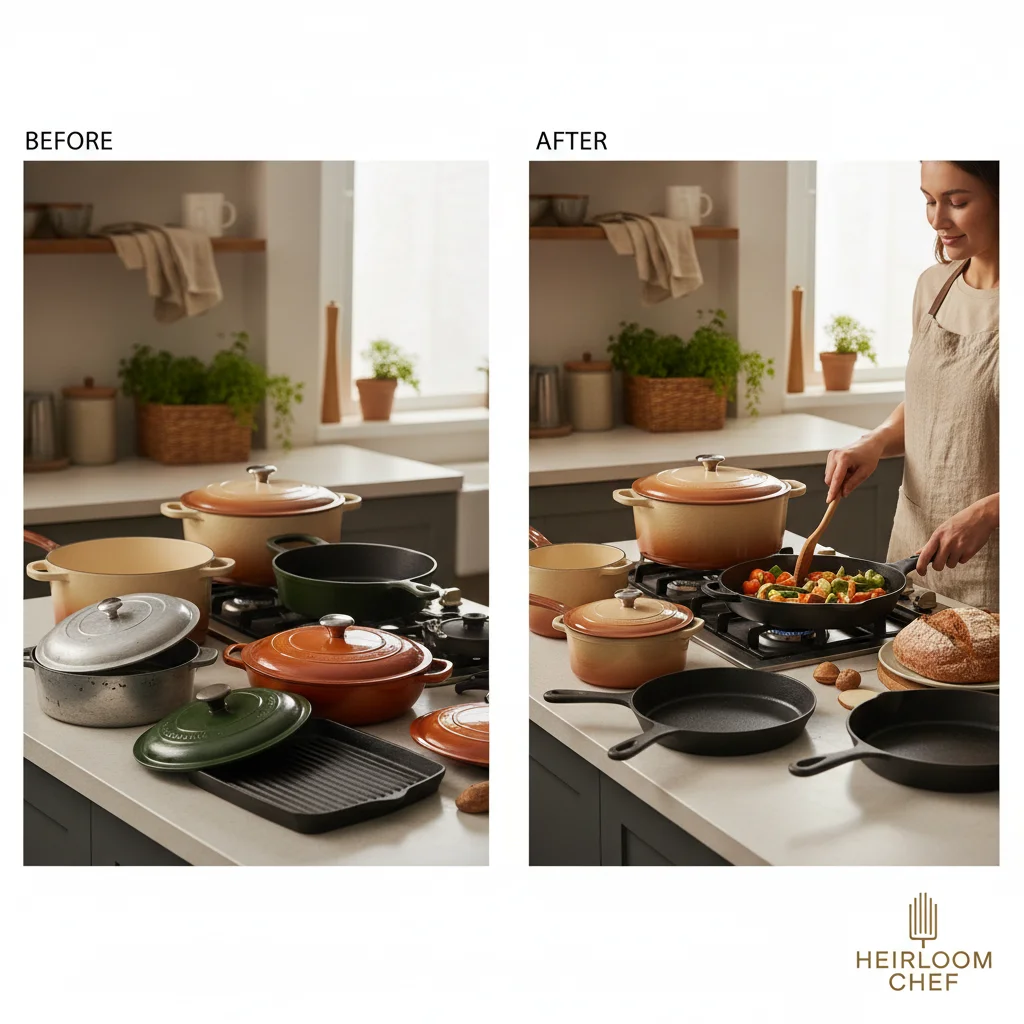
Emotionally, there is an added value in the "heirloom" quality. A pan that carries the seasoning of three generations provides a sense of continuity and trust that mass-market, disposable cookware simply cannot offer, making any price premium for quality iron a worthwhile investment.
Future Innovations Shaping Industry Pricing
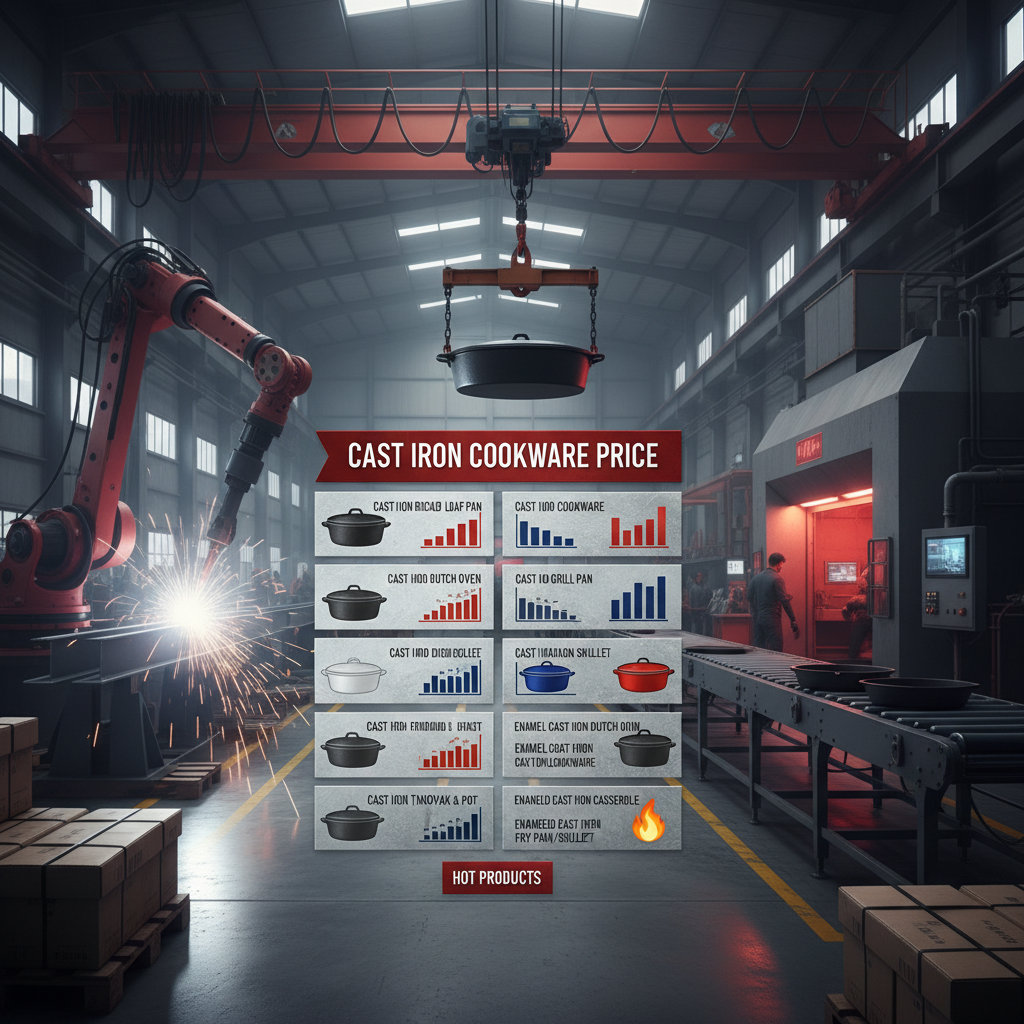
The future of the cast iron cookware price will likely be influenced by automation in the finishing process. Robotic polishing and automated seasoning chambers are beginning to reduce the labor costs associated with high-end pans, potentially making "smooth-surface" iron more accessible to the average consumer.
Additionally, the shift toward green energy in smelting—using induction furnaces and recycled iron—is introducing new cost structures. While the transition to "green iron" may initially raise the cast iron cookware price, it aligns the industry with global ESG (Environmental, Social, and Governance) standards, increasing the product's value for eco-conscious buyers.
We are also seeing innovations in enamel chemistry, such as more chip-resistant coatings. These technical advancements may lead to a tiered pricing model where "performance enamel" commands a higher premium than standard coatings.
Analysis of Cast Iron Cookware Pricing by Product Specification
| Product Category |
Price Tier |
Durability Score |
Maintenance Level |
| Cast Iron Round Skillet |
Budget-Friendly |
10/10 |
Moderate |
| Enamel Dutch Oven |
Premium |
8/10 |
Low |
| Cast Iron Grill Pan |
Mid-Range |
9/10 |
Moderate |
| Cast Iron Wok |
Mid-Range |
9/10 |
High |
| Enameled Fry Pan |
Premium |
7/10 |
Low |
| Cast Iron Press |
Budget-Friendly |
10/10 |
Low |
FAQS
The price variance usually stems from the finishing process. Cheap pans are often rough-cast and require more seasoning. Premium brands invest in polishing the iron to a mirror-like finish or using high-grade enamel, which increases the production cost but enhances the user experience and food release.
Not necessarily. Heat retention is primarily a function of the mass (thickness) of the iron. However, a higher price often indicates better heat distribution (fewer air pockets in the casting), which prevents "hot spots" that can burn food in cheaper, lower-quality casts.
Actually, enameled cast iron reduces maintenance costs. While the initial cast iron cookware price is higher, you don't need to spend money on seasoning oils or time on intensive scrubbing. However, you must use softer utensils to avoid chipping the enamel.
Lightweight "precision" cast iron often has a higher price point. Reducing the weight while maintaining structural integrity requires more advanced casting techniques and a higher grade of alloy, moving it away from the budget-friendly heavy sand-cast category.
Higher upfront costs for quality cast iron are an environmental win. Because these products are virtually indestructible, they eliminate the need for the "buy-and-toss" cycle of non-stick pans, significantly reducing the carbon footprint and waste over a lifetime.
For most users, yes. Pre-seasoning adds a small amount to the cast iron cookware price but provides an immediate non-stick surface and protects the iron from rust during shipping and initial use, saving the consumer time and effort.
Conclusion
Navigating the cast iron cookware price requires a shift in perspective from viewing cookware as a consumable to viewing it as a durable asset. From the raw material costs and energy-intensive casting to the refined artistry of enamel coatings, every price point reflects a specific trade-off between convenience, performance, and longevity. Whether you choose a budget-friendly skillet or a premium Dutch oven, the core value remains the same: unparalleled heat retention and a lifetime of reliability.
As the industry evolves toward sustainable smelting and automated precision finishing, we can expect high-performance cast iron to become more accessible without sacrificing the heirloom quality that defines it. For those looking to invest in their kitchen, we recommend prioritizing material purity and casting quality over the lowest possible price. To explore our full range of professional-grade options, visit our website: www.jsycastiron.com