Premium porcelain enamel skillet Solutions for New Zealand Kitchens

Premium porcelain enamel skillet Solutions for New Zealand Kitchens

Combining traditional casting mastery with modern enamel technology to meet the rigorous standards of the Oceania culinary market.

Premium porcelain enamel skillet Solutions for New Zealand Kitchens

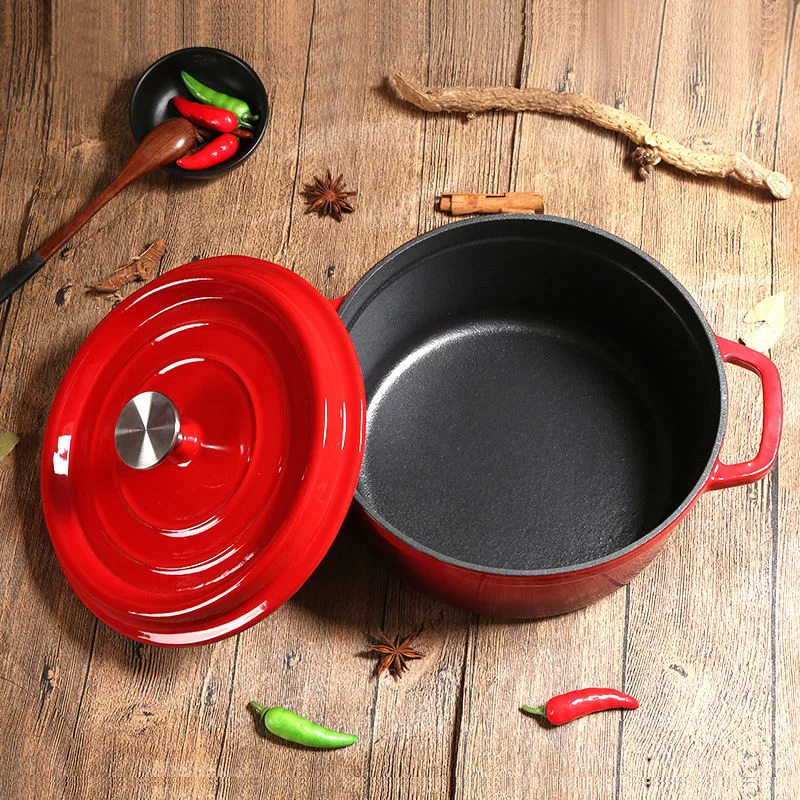
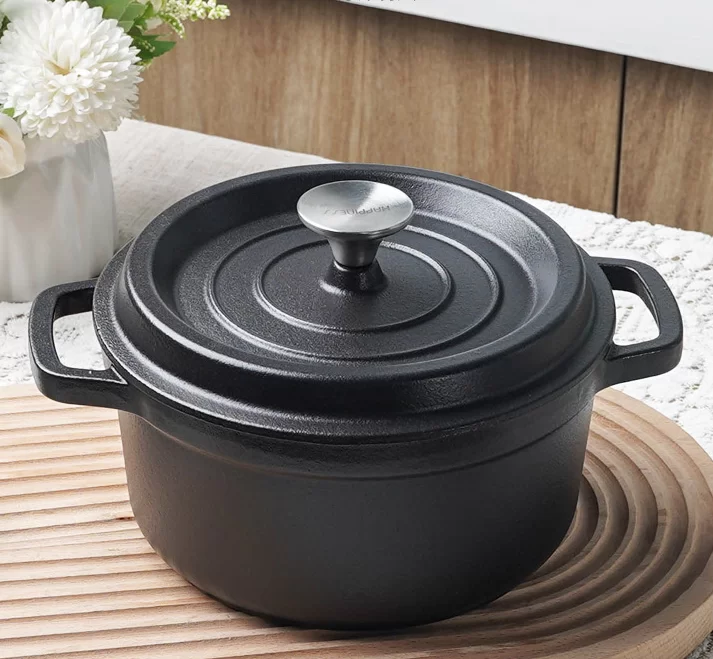
Our specialized enameled cast iron range provides New Zealand chefs and home cooks with unparalleled heat retention and non-reactive surfaces, perfect for everything from slow-braised lamb to high-heat searing.

The State of Cast Iron Cookware in New Zealand

Analyzing the demand for high-performance enameled cookware in the Oceania region.

In New Zealand, the culinary culture is deeply rooted in fresh, high-quality ingredients and a preference for durable, lifelong kitchen tools. The humid coastal climate of the North Island and the cooler temperatures of the South Island create a demand for cookware that resists corrosion. This is why a white enamel cast iron skillet has become a staple for those seeking aesthetic elegance combined with the rust-proof properties of vitreous enamel.

The local market is currently shifting from traditional raw cast iron to enameled variants. The ability to cook acidic ingredients—such as tomato-based sauces or citrus glazes common in Kiwi fusion cuisine—without the risk of metallic leaching makes the frying pan cast iron enameled a superior choice for the modern New Zealand household.

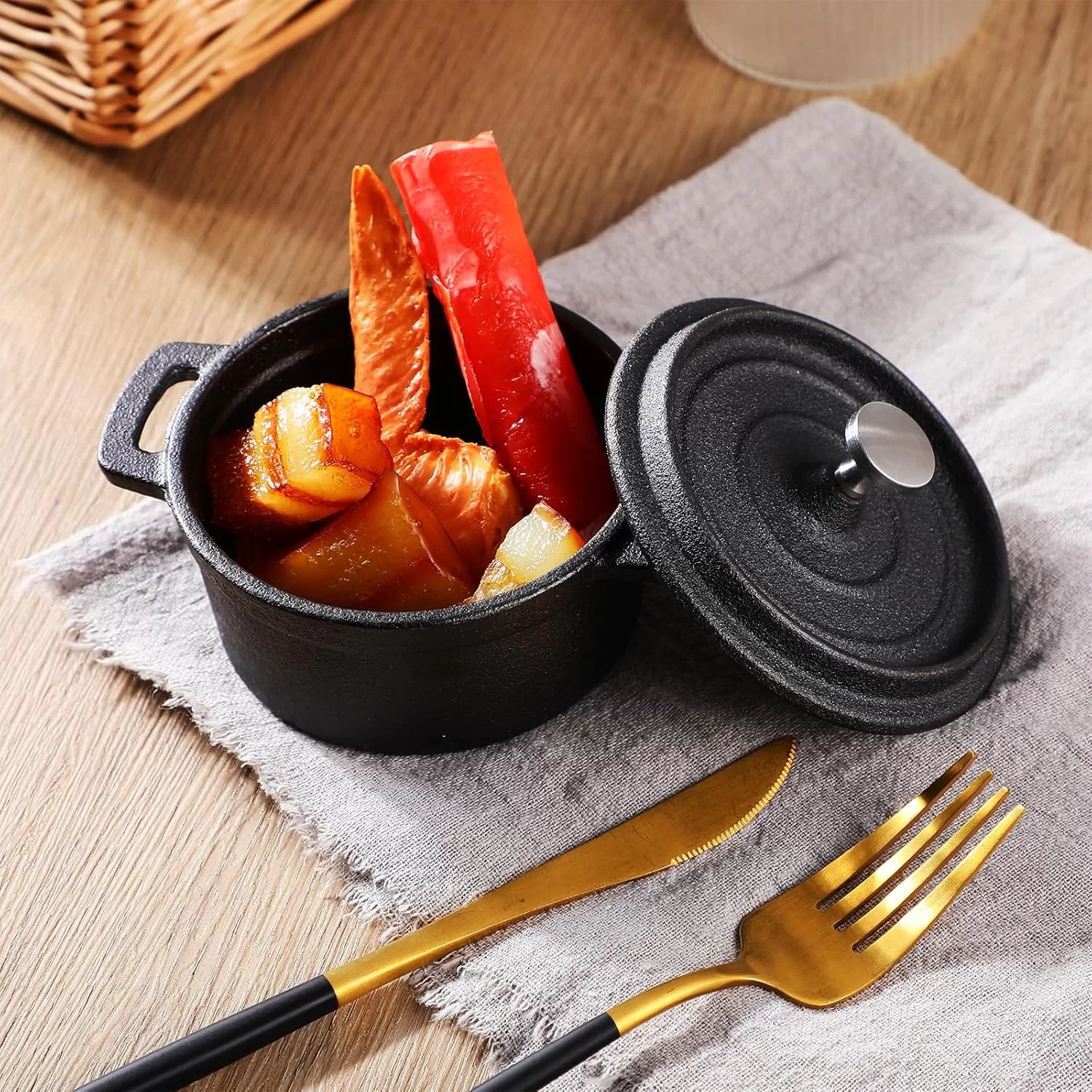
Furthermore, the rise of boutique urban living in Auckland and Wellington has increased the demand for versatile, space-saving tools. This trend has specifically boosted the popularity of the small enameled cast iron skillet, which allows for precise portion control and efficient induction cooking in contemporary apartments.
Evolution and Trajectory of Enameled Cookware

From heavy industrial molds to precision-engineered gourmet tools.

Market Development History

Historically, cast iron in Oceania was primarily utilized for heavy-duty outdoor cooking and rustic ovens. Before the 1990s, raw iron dominated, requiring laborious seasoning processes that many modern users find cumbersome.

Between 2000 and 2015, the introduction of high-grade porcelain fusing technology transformed the industry. The shift toward a deep enameled cast iron skillet allowed for a transition from simple frying to braising and stewing, mirroring the global trend toward "one-pot" gourmet cooking.

Since 2018, the integration of automated precision casting and multi-layer enamel coating has reduced the weight of the pans while increasing the impact resistance of the enamel, ensuring that the cookware can withstand the rigorous environment of commercial kitchens in New Zealand.

Future Development Trends

Eco-Friendly Smelting Processes

Future manufacturing will focus on reducing the carbon footprint of iron smelting, utilizing recycled scrap metal and green energy to meet New Zealand's strict environmental standards.

Advanced Thermal Distribution Coatings

Expect a move toward hybrid enamel layers that further optimize heat distribution, reducing "hot spots" and enhancing the efficiency of induction hobs.

Customized Ergonomic Geometry

Data shows a rising demand for specialized handles and depths, moving toward more ergonomic designs that reduce wrist strain during heavy lifting.

Industry Trends and Future Outlook

Predicting the next wave of innovation in the metalware manufacturing sector.

Induction Optimization
As New Zealand moves toward electric heating, we are optimizing base flatness for maximum induction efficiency.
PFOA-Free Certification
Strict adherence to non-toxic, food-safe enamel standards to align with Oceania health regulations.
Weight Reduction
Applying precision casting to reduce overall bulk without compromising heat retention properties.
Color Customization
Expanding palette options beyond classic white to meet the aesthetic trends of New Zealand designers.

Industry Outlook

The next 3-5 years will see a convergence of professional-grade durability and consumer-grade convenience. Search trends indicate a growing interest in "sustainable cookware," which places enameled cast iron at the forefront due to its extreme longevity compared to Teflon-coated pans.

We anticipate a surge in demand for multi-functional vessels that can transition from a stovetop to an oven and then directly to the dining table, reinforcing the value of the deep enameled cast iron skillet as a centerpiece of the modern kitchen.

Localized Application Scenarios in New Zealand

How our cookware adapts to the unique culinary habits of the Kiwi lifestyle.

01. Weekend Braising of New Zealand Lamb

Utilizing a deep enameled cast iron skillet for slow-cooking local lamb shanks, where the enamel prevents the meat's acidity from reacting with the iron, ensuring a pure flavor profile.

02. Gourmet Brunch in Auckland Cafes

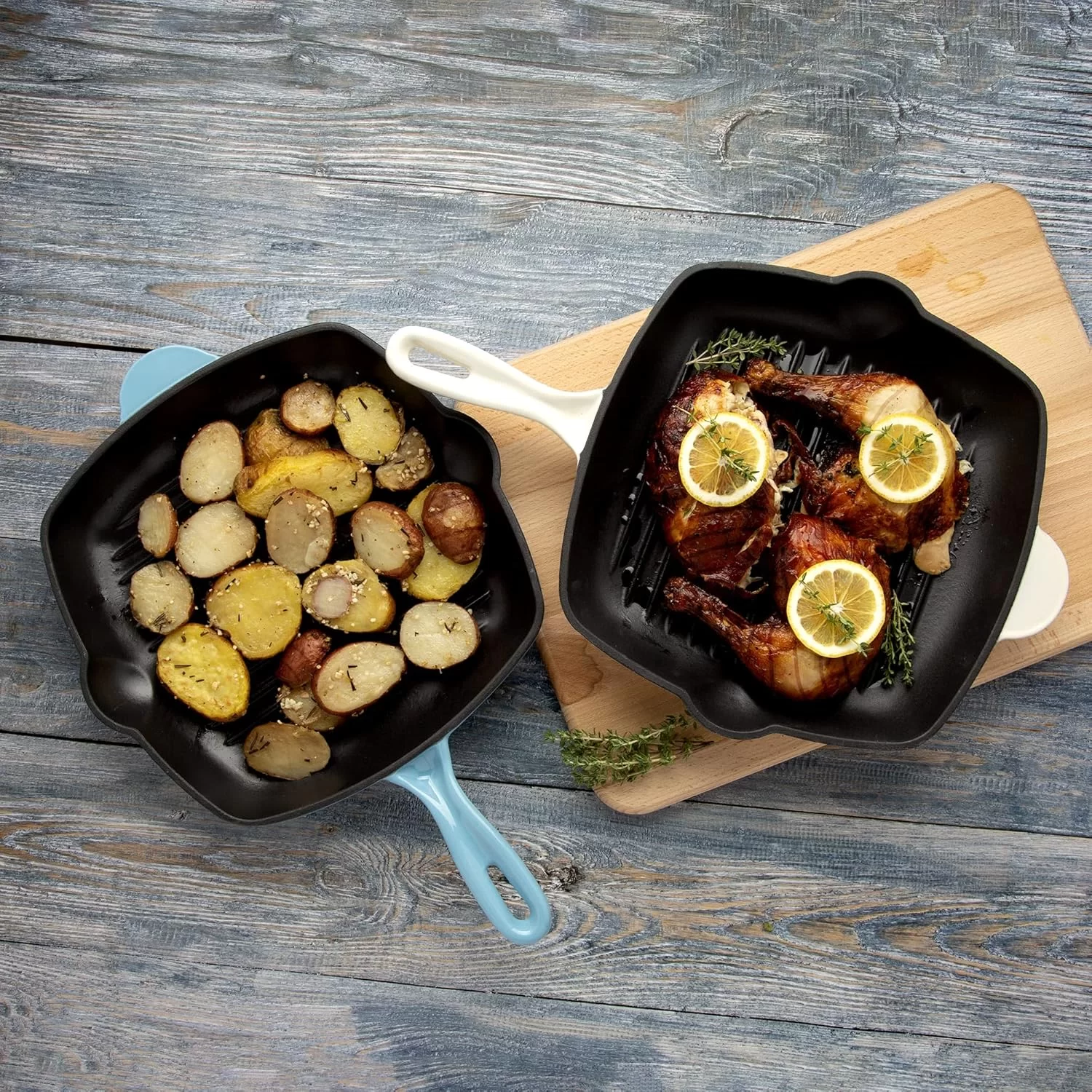
Professional chefs use the small enameled cast iron skillet to serve individual shakshuka or baked eggs, providing a visually appealing presentation that retains heat from kitchen to table.

03. High-Heat Searing of Fresh Seafood

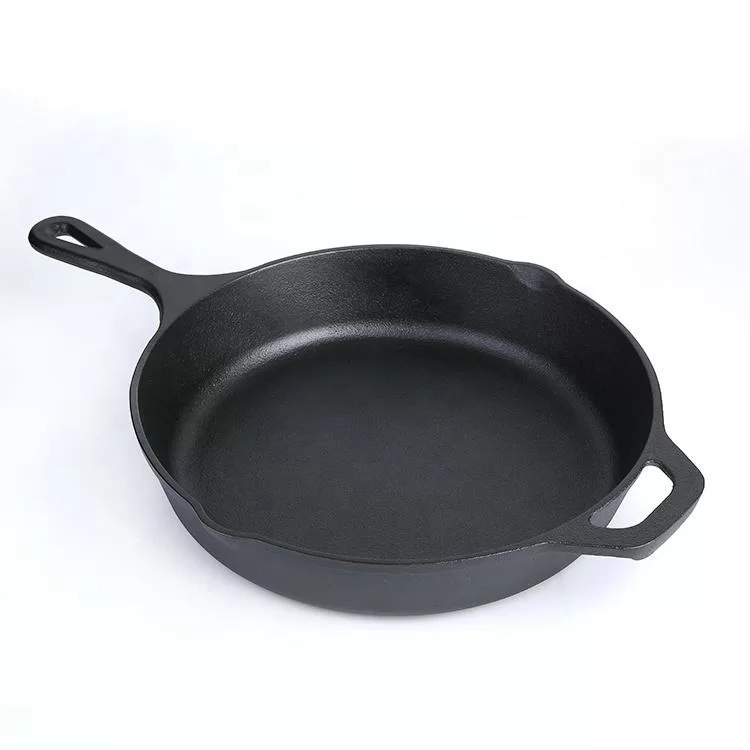
The exceptional thermal mass of the frying pan cast iron enameled is ideal for searing fresh scallops or snapper from the coast, creating a perfect crust without overcooking the interior.

04. Aesthetic Kitchen Displays in Queenstown Villas

The white enamel cast iron skillet serves as both a high-performance tool and a piece of decor, fitting perfectly into the bright, minimalist interiors of luxury Southern Alps retreats.

05. Healthy Family Meal Prep in Wellington

Using the porcelain enamel skillet for oil-free sautéing of seasonal vegetables, leveraging the smooth surface to reduce the need for excessive fats.

Brand Story

Global Development History of Ningjin County Jinshengyuan Casting Co., Ltd.

Founding Excellence

Established with a mission to revitalize traditional casting, we began by solving the primary pain point of iron cookware: rust and maintenance.

Technical Leap

We integrated advanced porcelain fusing technology, allowing us to produce enamel coatings that are virtually impervious to acidic foods.

Global Expansion

Expanding into Oceania, we tailored our production lines to meet the specific size and quality standards required by New Zealand's high-end market.

Quality Certification

Achieved international food-grade certifications, ensuring every piece of cookware is safe for the most demanding global health standards.

Sustainable Future

Today, we focus on sustainable manufacturing, ensuring that our legacy of durability helps reduce global kitchen waste.

Complete Enameled Cookware Portfolio for New Zealand

A curated selection of professional-grade cast iron tools designed for every New Zealand kitchen.

New Zealand Customer FAQs

Common questions regarding the use and care of enameled cast iron in Oceania.

How do I maintain a white enamel cast iron skillet to prevent staining?

To keep your skillet pristine, avoid using metal utensils and soak it in warm soapy water immediately after use. For tough stains, a paste of baking soda and water works effectively without scratching the enamel.

Is a deep enameled cast iron skillet suitable for induction cooktops?

Yes, our enameled cast iron is highly compatible with induction, gas, and electric stoves. The cast iron core provides the necessary magnetic properties for efficient induction heating.

What is the advantage of a porcelain enamel skillet over raw cast iron?

The primary advantage is that the porcelain enamel eliminates the need for seasoning and prevents the iron from reacting with acidic foods, making it much easier to maintain for home cooks.

Can I use a small enameled cast iron skillet in the oven?

Absolutely. Our skillets are designed for oven-to-table use. Please ensure the handle is oven-safe (up to the specified temperature) before placing it in the oven.

Does a frying pan cast iron enameled version warp under high heat?

No, our high-density casting process ensures structural integrity. However, we recommend gradual heating to avoid thermal shock, which can potentially crack the enamel.

How do I know if my porcelain enamel is genuine quality?

Genuine quality enamel should have a smooth, glass-like finish without bubbles or pinholes. It should feel heavy and solid, providing consistent heat distribution across the base.

Partner With Casting Experts

Ready to upgrade your inventory or kitchen with the finest enameled cast iron in New Zealand? Our team is here to provide industrial-scale solutions.

Contact Us Now

If you are interested in our products, you can choose to leave your information here, and we will be in touch with you shortly.