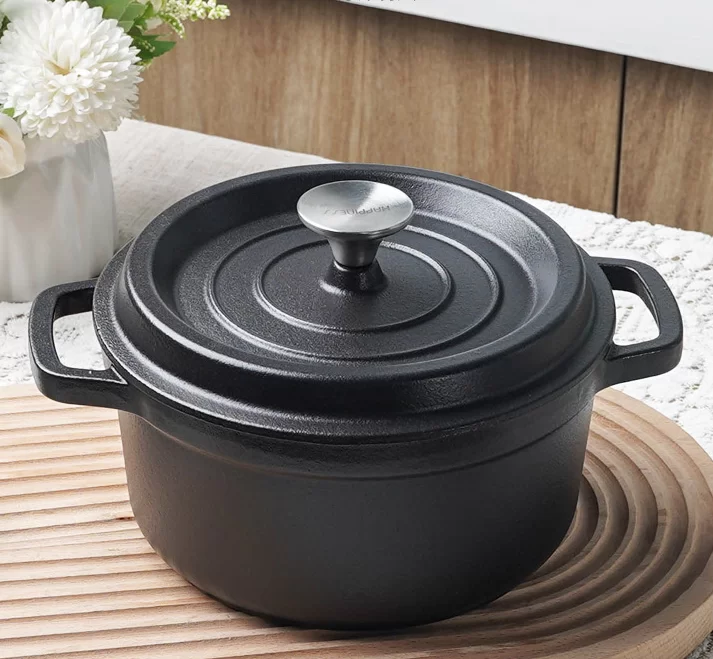
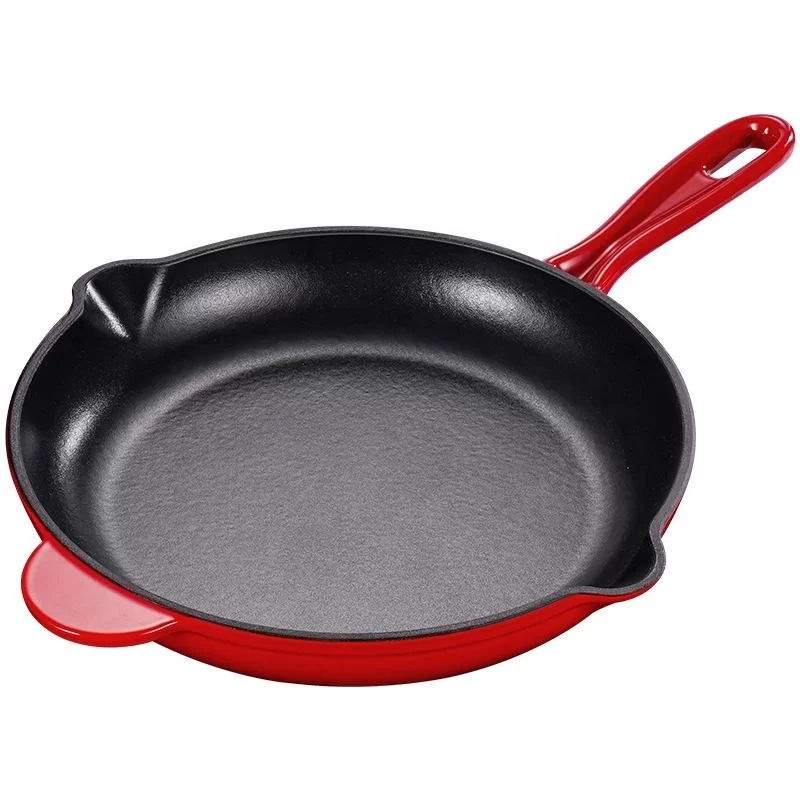
Premium porcelain enamel skillet Solutions for US Home Chefs

Premium porcelain enamel skillet Solutions for US Home Chefs

Engineering professional-grade heat retention and effortless maintenance for the modern North American kitchen.

Premium porcelain enamel skillet Solutions for US Home Chefs

Integrating advanced metallurgical casting with high-grade vitreous enamel to provide US households with versatile, non-reactive, and durable cookware.

The Enameled Cookware Landscape in the United States

Analyzing the demand for high-performance cast iron in North American culinary culture.

In the United States, the culinary preference has shifted toward a blend of traditional durability and modern convenience. The rise of "farm-to-table" cooking has increased the demand for a deep enameled cast iron skillet, which allows American chefs to transition seamlessly from searing on a gas range to slow-roasting in high-capacity electric ovens.

Regionally, the humid climates of the East Coast and the varied temperatures of the Midwest make traditional raw cast iron susceptible to oxidation. This has led to a surge in the adoption of the white enamel cast iron skillet, as the porcelain coating eliminates the need for laborious seasoning while providing a visually clean aesthetic that fits modern US kitchen interiors.

Economically, US consumers are increasingly prioritizing "investment pieces"—cookware that lasts a lifetime. This trend favors high-density cast iron reinforced with industrial-grade enamel, ensuring that the frying pan cast iron enameled remains resistant to acidic ingredients like tomatoes and citrus, which are staples in American regional cuisines.
Evolution of Enameled Casting Technology

From rustic hearths to precision-engineered porcelain surfaces.

Market Development History

Historically, American cast iron was primarily raw and required constant maintenance. By the mid-20th century, the introduction of vitreous enamel began to transform the industry, offering a non-porous surface that solved the problem of metallic taste transfer in home cooking.

Between 1990 and 2010, the technology evolved from simple dip-coating to electrostatic spraying. This allowed for the creation of the small enameled cast iron skillet with a more uniform thickness, reducing hot spots and improving heat distribution across the pan's surface.

In the last decade, the focus shifted to "fusion bonding," where the enamel is chemically fused to the iron at temperatures exceeding 1500°C. This modern iteration ensures that the porcelain layer does not chip under the thermal shock common in American high-heat searing techniques.

Future Development Trends

Nano-Ceramic Hybrid Coatings

Integration of nano-particles into the enamel matrix to further increase scratch resistance and improve the non-stick properties of the surface without using PFAS.

Lightweight High-Density Casting

Developing new alloys that maintain the thermal mass of cast iron but reduce the overall weight, making the skillet more ergonomic for the average US consumer.

Smart Thermal Monitoring

The integration of heat-sensitive enamel pigments that change color slightly to indicate when the pan has reached the optimal searing temperature.

Industry Trends and Future Outlook

Predicting the trajectory of the high-end metalware market in North America.

Eco-Conscious Sourcing
Transitioning to recycled iron scrap and lead-free, arsenic-free enamels to meet strict US environmental standards.
Induction Optimization
Enhancing the base flatness of cast iron to maximize energy efficiency for the growing US induction cooktop market.
Aesthetic Customization
Moving beyond primary colors to matte finishes and pastel tones to match high-end American kitchen redesigns.
D2C Supply Chain
Direct-to-consumer models reducing the cost of premium cast iron by bypassing traditional US retail markups.

Industry Outlook

Google Search trends indicate a significant rise in queries for "low-maintenance cast iron," suggesting that US consumers want the performance of iron without the upkeep. This positions enameled products as the dominant growth sector in the metalware industry over the next 5 years.

Furthermore, the integration of smart home technology is expected to drive demand for cookware with precise thermal conductivity, ensuring that the small enameled cast iron skillet can be used in precisely controlled induction environments.

Localized Application Scenarios in the US

Where professional enameled cast iron meets the American lifestyle.

01. Southern Style Slow-Braising

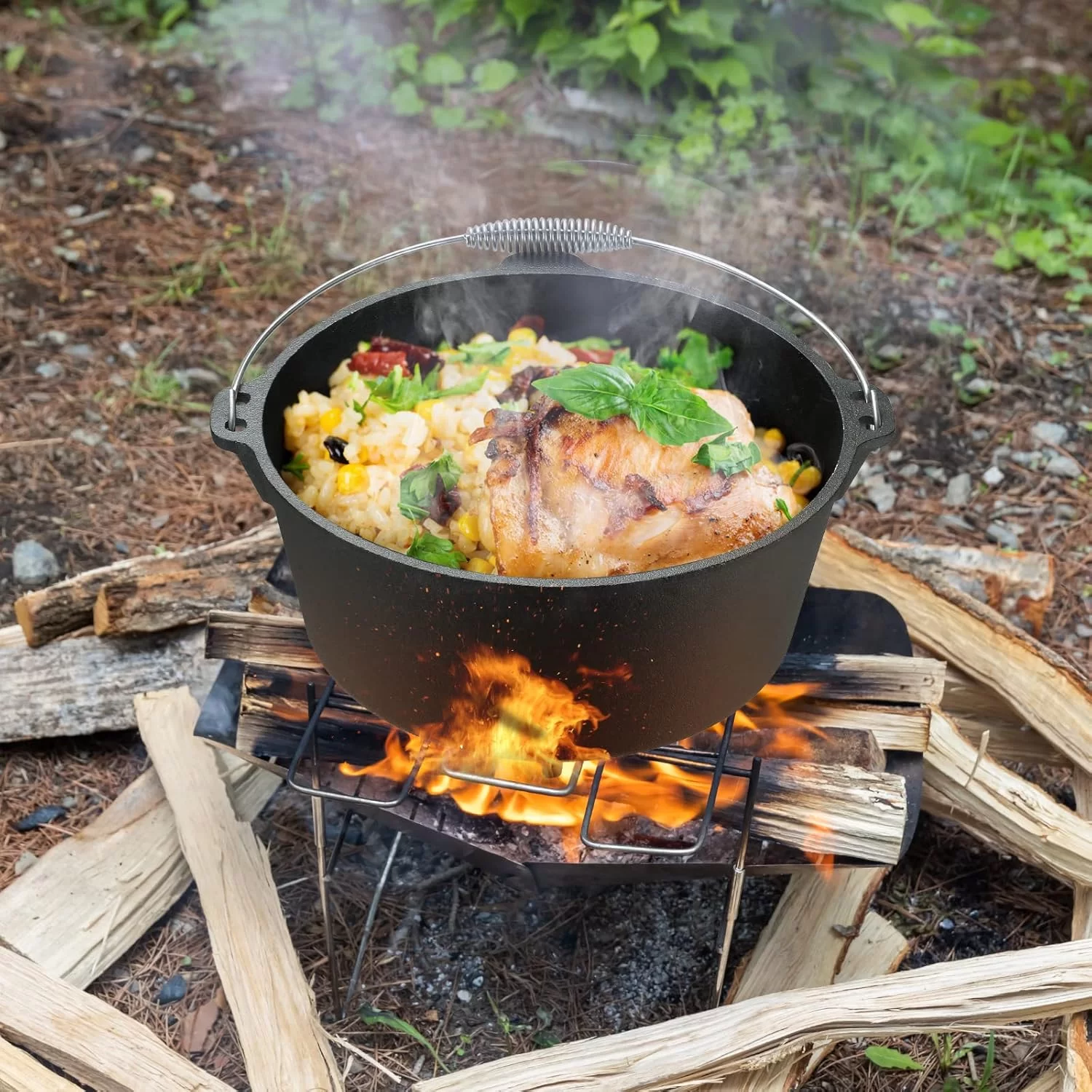
Using a deep enameled cast iron skillet for low-and-slow collard greens or pot roast, utilizing the superior heat retention to maintain steady temperatures in large American ovens.

02. New England Seafood Searing

Perfecting scallops or Atlantic salmon using a frying pan cast iron enameled to achieve a golden-brown crust while the enamel prevents the delicate seafood from reacting with the metal.

03. Urban Apartment Breakfasts

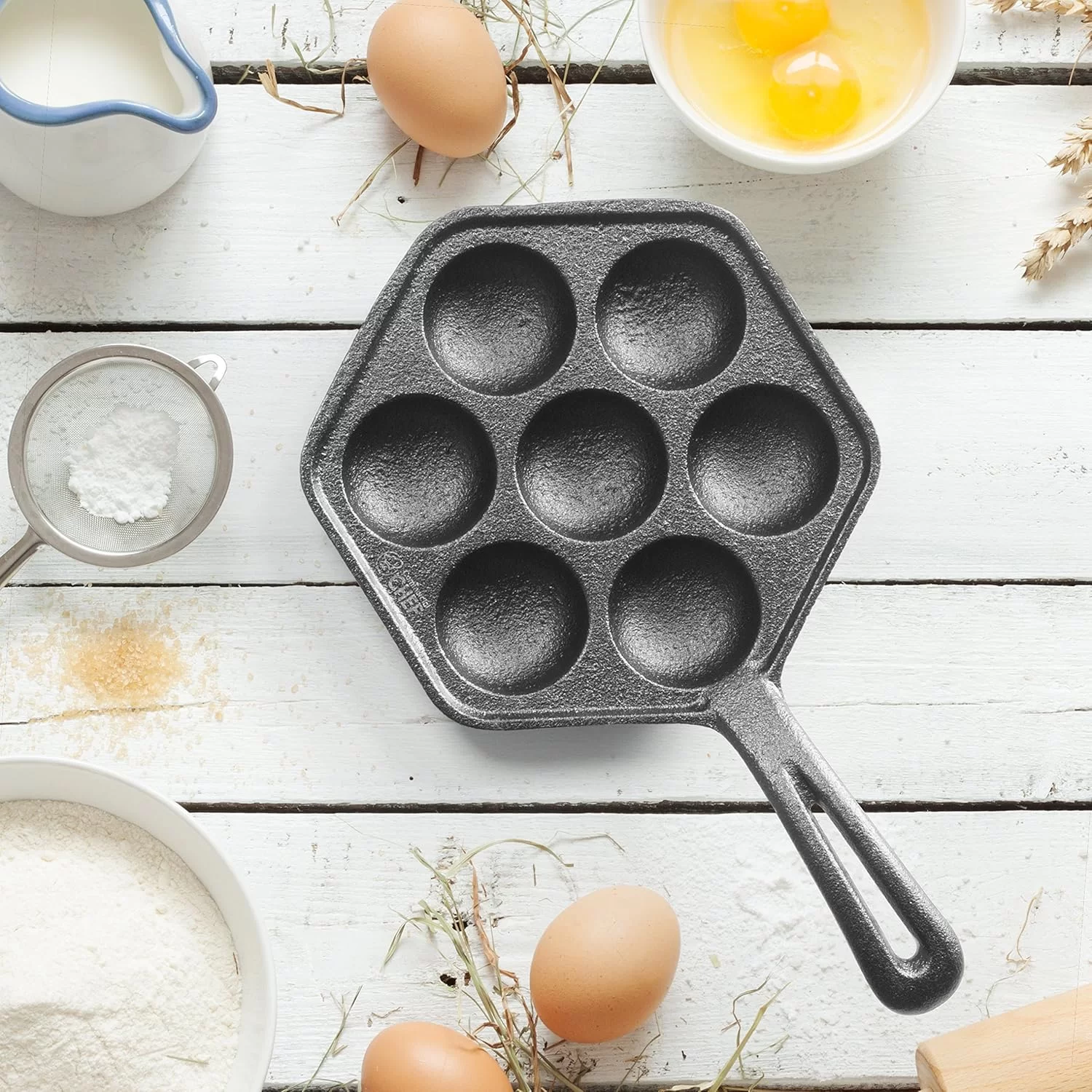
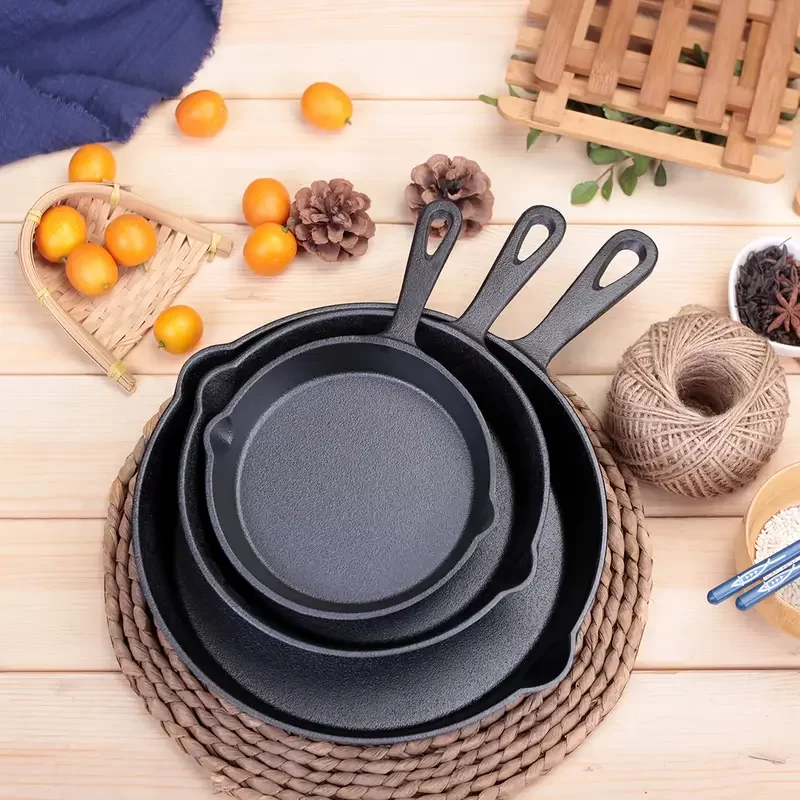
In space-constrained NYC or Chicago kitchens, the small enameled cast iron skillet is ideal for individual omelets or baked eggs, offering a compact yet heavy-duty cooking solution.

04. Modern Minimalist Plating

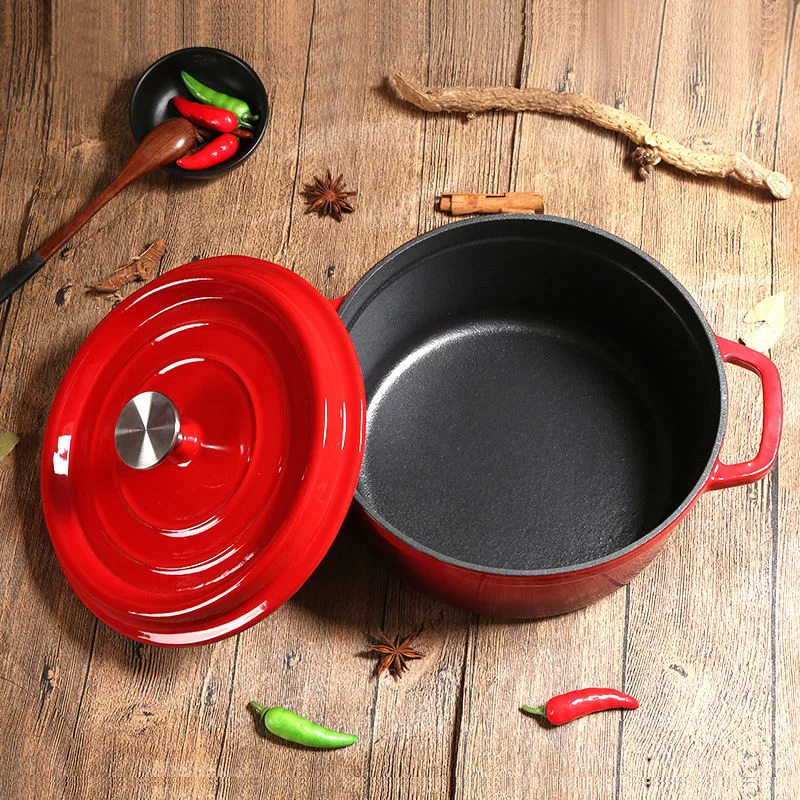
Utilizing a white enamel cast iron skillet to serve "stove-to-table" dishes, combining the rustic feel of cast iron with a clean, modern aesthetic for dinner parties.

05. High-Acid Gourmet Sauces

Creating classic tomato-based reductions or wine-infused sauces in a porcelain enamel skillet, ensuring no metallic leaching occurs during long simmering processes.

Brand Story

The Global Development Journey of Ningjin County Jinshengyuan Casting Co., Ltd.

Foundational Excellence

Starting as a local forge, we focused on the fundamental physics of iron casting, mastering the art of high-density pouring to eliminate porosity.

The Enamel Revolution

We integrated advanced porcelain fusing technology to solve the oxidation pain point, creating a surface that combined iron's heat with glass's purity.

Global Quality Standards

Adapting our production lines to meet FDA and international food-grade standards, ensuring our cookware is safe for the most demanding US markets.

Precision Engineering

Implementing CNC machining and robotic spraying to ensure every skillet has a perfectly flat base for modern induction cooktops.

Vision for the Future

Striving to be the primary OEM partner for North American brands by blending traditional casting heritage with sustainable, futuristic materials.

Frequently Asked Questions for US Customers

Expert answers to common queries regarding enameled cast iron maintenance and use.

Do I need to season my deep enameled cast iron skillet?

No. Unlike raw cast iron, the porcelain enamel coating creates a non-porous barrier, eliminating the need for seasoning while preventing food from sticking.

Is the white enamel cast iron skillet dishwasher safe?

While technically dishwasher safe, we recommend hand-washing with a soft sponge to preserve the luster of the porcelain finish over many years.

Can I use a small enameled cast iron skillet on an induction stove?

Yes. Our cast iron cores are highly ferromagnetic and perfectly compatible with all US induction cooktop brands.

How do I prevent cracking in my frying pan cast iron enameled?

Avoid "thermal shock." Do not place a hot pan directly into cold water; allow it to cool naturally to protect the enamel bond.

Why choose a porcelain enamel skillet over stainless steel?

Cast iron provides superior heat retention and distribution, whereas the enamel adds a non-reactive surface that is easier to clean than stainless steel.

What is the best way to remove burnt food from enamel?

Simmer a mixture of water and baking soda in the pan for 10 minutes; the residue will lift effortlessly without scratching the porcelain surface.

Partner with Casting Experts

Ready to elevate your cookware line in the United States? Let's engineer the perfect cast iron solution for your brand.

Contact Us Now

If you are interested in our products, you can choose to leave your information here, and we will be in touch with you shortly.