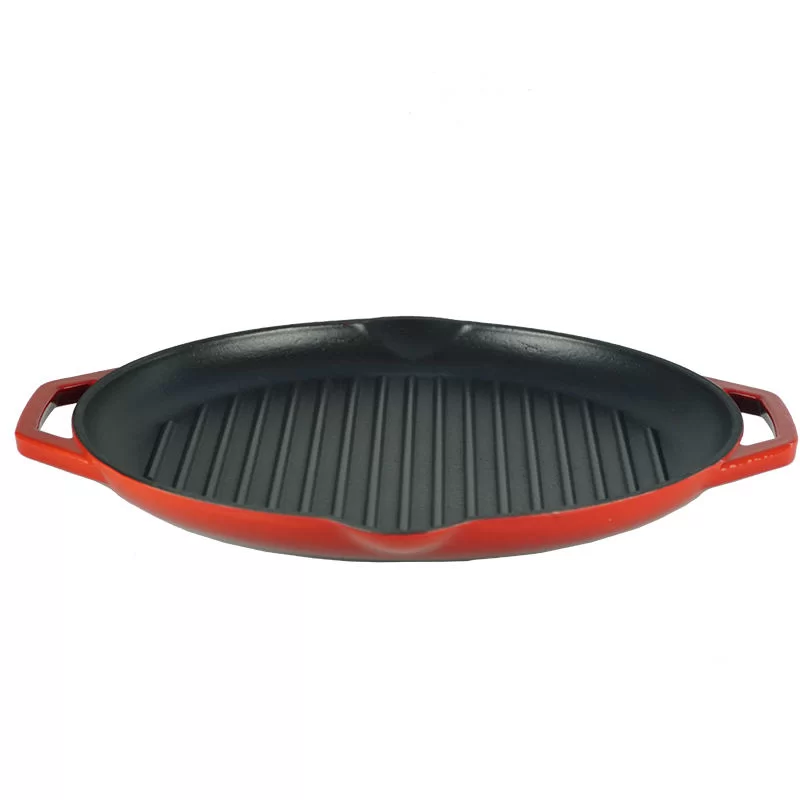
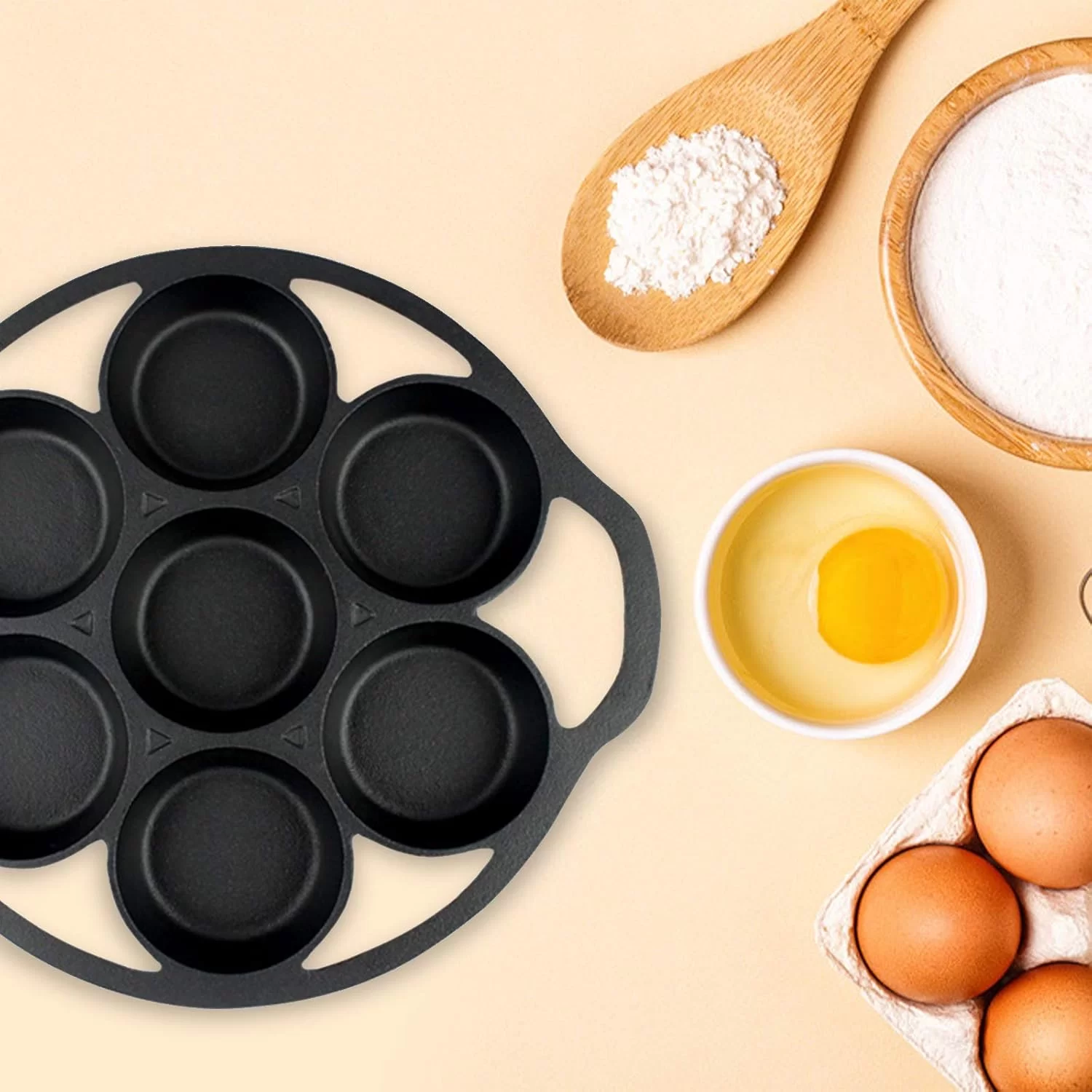
Premium porcelain enamel skillet Solutions for Ireland’s Culinary Market

Premium porcelain enamel skillet Solutions for Ireland's Culinary Market

Combining traditional Irish durability with advanced vitreous enamel technology to deliver professional-grade heat retention and effortless maintenance.

Premium porcelain enamel skillet Solutions for Ireland's Culinary Market

Our specialized range of enameled cast iron cookware is engineered to meet the rigorous demands of Irish households and professional kitchens, blending superior heat distribution with a non-reactive surface.

Market Dynamics of Cast Iron Cookware in Ireland

Analyzing the intersection of heritage cooking and modern convenience in the Irish kitchen.

In Ireland, the culinary landscape is characterized by a deep respect for slow-cooking and hearty stews, where the thermal mass of a deep enameled cast iron skillet is highly valued. The damp Atlantic climate often influences indoor living, making the kitchen the heart of the home, where durability is not just a preference but a necessity for longevity.

Current market trends show a shift toward aesthetic functionality. The demand for a white enamel cast iron skillet has surged among Irish home cooks who seek a clean, modern look that contrasts beautifully with traditional rustic kitchens while providing a non-reactive surface for acidic ingredients like cider or tomato-based reductions.

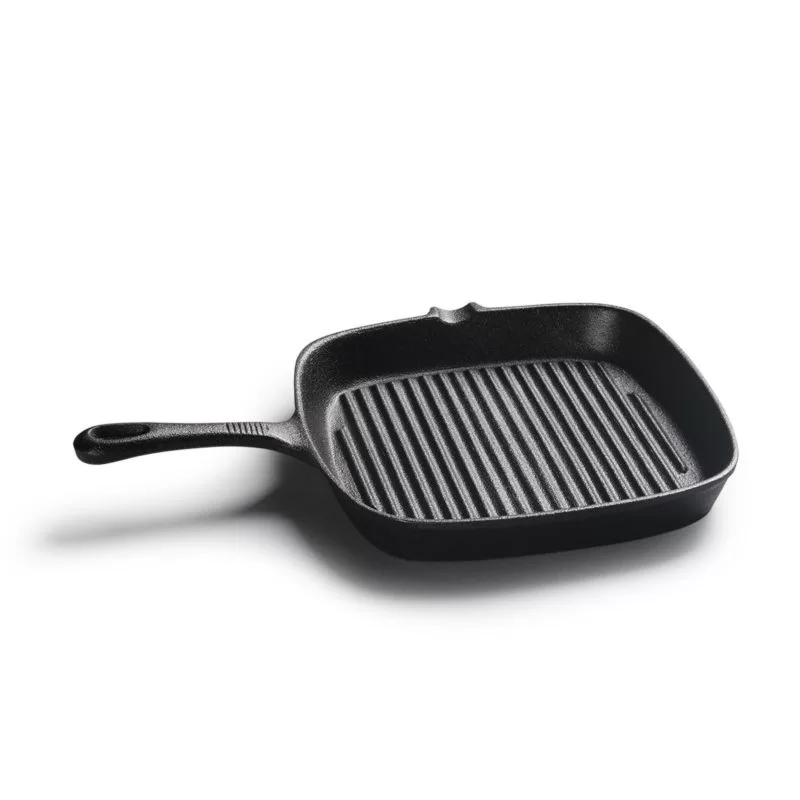
Despite the rise of non-stick coatings, there is a strong resurgence in professional-grade materials. The Irish market now prioritizes high-density cast iron that can transition from a stovetop to an oven, ensuring that the consistency of the frying pan cast iron enameled remains unmatched in searing and braising capacities.
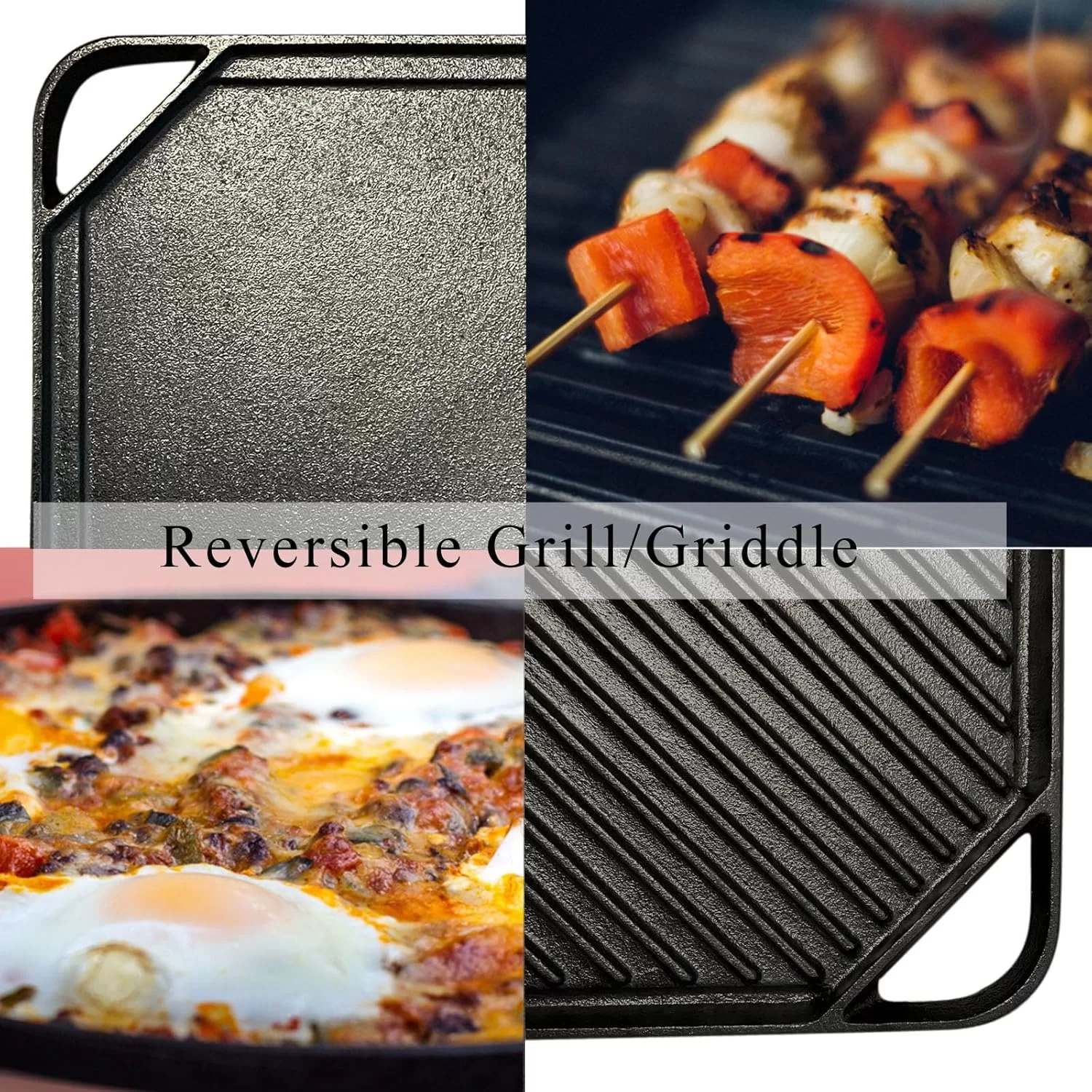
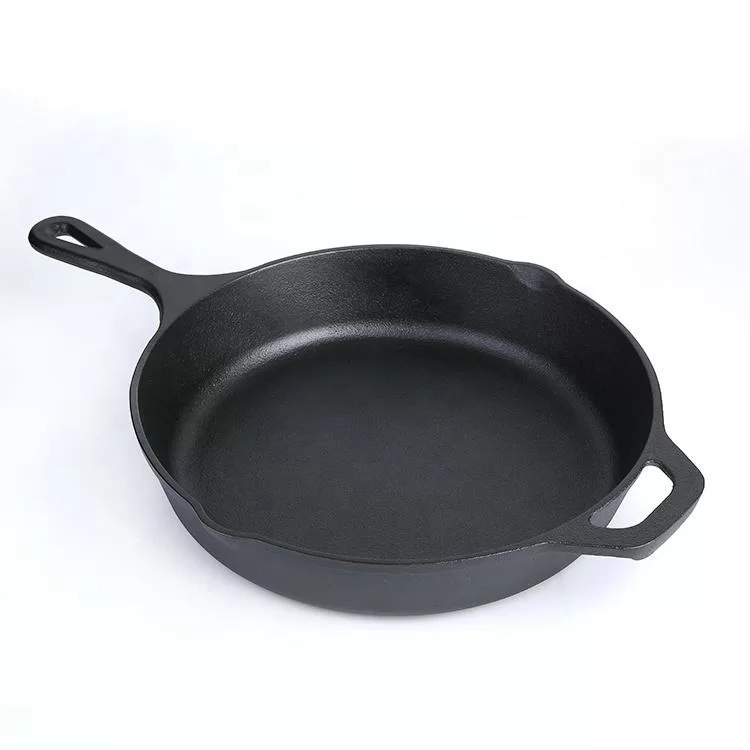
Evolution of Enameled Cast Iron Technology

From heavy industrial molds to precision-engineered kitchenware.

Market Development History

Historically, cast iron in Europe was primarily raw and required rigorous seasoning. By the mid-20th century, the introduction of vitreous enamel eliminated the need for seasoning, allowing for the creation of the first small enameled cast iron skillet models that were accessible for smaller family units in Ireland.

Between 1990 and 2010, the industry transitioned from sand-casting to precision casting. This technical iteration reduced the weight of the cookware without sacrificing heat retention, enabling the production of more balanced and ergonomically designed frying pans that suited the evolving European kitchen layout.

In the last decade, the focus has shifted to the chemical purity of the enamel. The development of PFOA-free, high-gloss porcelain coatings has ensured that modern cookware is not only safer but more resistant to the chipping and cracking seen in older generations of enameled ware.

Future Development Trends

Induction Optimization

With Ireland's push toward greener energy and induction hobs, future designs will feature perfectly flat bases to maximize electromagnetic efficiency and heat transfer speeds.

Lightweight Alloy Integration

The next 3-5 years will see the integration of refined iron alloys that maintain the "heavy-duty" feel but reduce overall wrist strain, catering to an aging demographic of culinary enthusiasts.

Eco-Friendly Enamel Sourcing

Based on Google search trends for "sustainable cookware," we predict a move toward recycled iron scrap and mineral-based glazes to reduce the carbon footprint of the manufacturing process.

Industry Trends and Future Outlook

Strategic projections for the high-end metalware sector in Europe.

Smart Thermal Control
Integration of heat-responsive enamel colors that indicate optimal searing temperatures for precision cooking.
Circular Manufacturing
Implementation of closed-loop iron recycling systems to meet strict EU environmental regulations.
Modular Ergonomics
Development of detachable handles for space-saving storage in compact Irish urban apartments.
Hybrid Glazing
Combining porcelain durability with nano-ceramic finishes for virtually scratch-proof surfaces.

Industry Outlook

The trajectory of the cast iron industry in Ireland is moving toward "Premium Longevity." As consumers distance themselves from disposable kitchenware, the demand for heirloom-quality products that can be passed down through generations is increasing, driving a premium price point for artisanally cast pieces.

We anticipate that the integration of IoT-enabled cooking surfaces will eventually complement enameled cast iron, where the pan's ability to hold heat is paired with precision digital sensors to achieve perfect culinary results every time.

Local Application Scenarios in Ireland

Practical uses of our enameled cast iron range in authentic Irish settings.

01. Traditional Irish Lamb Stews

Utilizing a deep enameled cast iron skillet for slow-braising local lamb, where the heavy lid locks in moisture and the enamel prevents acidic root vegetables from reacting with the metal.

02. Gourmet Breakfast Service

Using a small enameled cast iron skillet to serve individual portions of baked eggs or Irish soda bread toast, moving seamlessly from oven to dining table.

03. Modern Bistro Searing

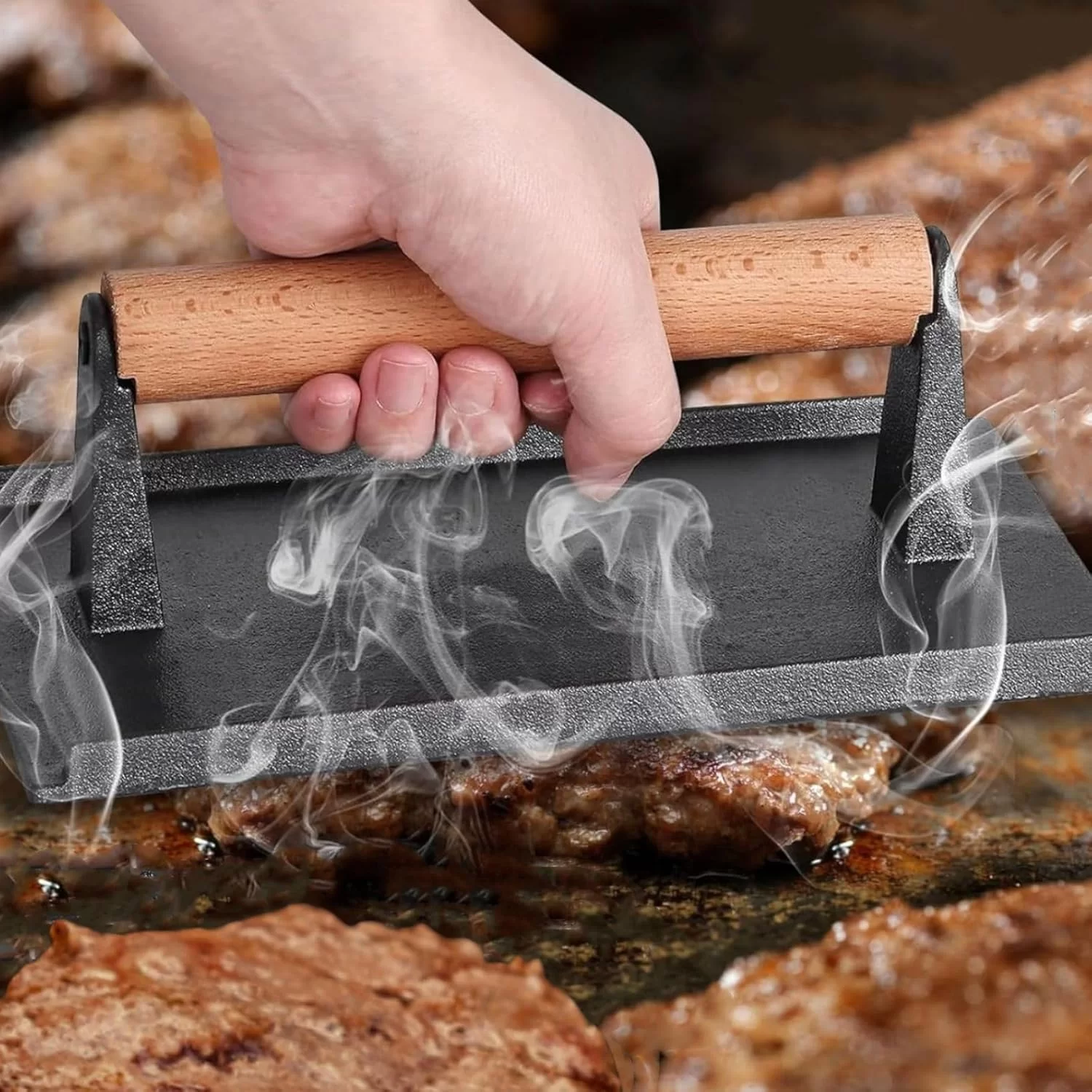
Employing a frying pan cast iron enameled for achieving a professional Maillard reaction on Atlantic salmon fillets in Dublin's high-end seafood restaurants.

04. Minimalist Kitchen Aesthetics

Integrating a white enamel cast iron skillet into contemporary open-plan kitchens in Cork, serving as both a high-performance tool and a visual design element.

05. Artisanal Fruit Compotes

Using the non-reactive porcelain enamel skillet to reduce wild berries into thick sauces without the metallic aftertaste associated with raw cast iron.

Brand Story

Global Development Journey of Ningjin County Jinshengyuan Casting Co., Ltd.

Founding Precision

Established with a mission to master the art of iron casting, focusing on eliminating porosity and ensuring uniform wall thickness in every piece.

Enamel Innovation

Invested in high-temperature vitreous enamel technology to solve the pain point of cast iron rust and maintenance, creating a user-friendly surface.

European Expansion

Tailored our production lines to meet EU food-grade standards, expanding our footprint into the Irish and broader European markets.

Sustainable Evolution

Adopted green casting methods and lead-free glazing to align with global environmental goals and consumer health priorities.

Global Culinary Partner

Today, we stand as a leading OEM/ODM partner, providing the structural backbone for the world's most trusted enameled cookware brands.

Common Questions for Irish Customers

Expert advice on selecting and maintaining your enameled cast iron.

How do I maintain a white enamel cast iron skillet to prevent staining?

To keep the surface pristine, avoid using metal scouring pads. We recommend a gentle soak in warm soapy water or a paste of baking soda and water for stubborn residue, ensuring the vitreous glaze remains intact.

Is a deep enameled cast iron skillet suitable for induction hobs?

Yes, the iron core provides excellent magnetic conductivity. Our skillets are designed with flat bases to ensure maximum contact with induction surfaces, providing rapid and even heating.

What are the benefits of a porcelain enamel skillet over raw cast iron?

The primary advantage is the non-reactive surface. You can cook acidic foods (like tomato sauces or wine reductions) without affecting the taste or damaging the pan, and there is no need for oil seasoning.

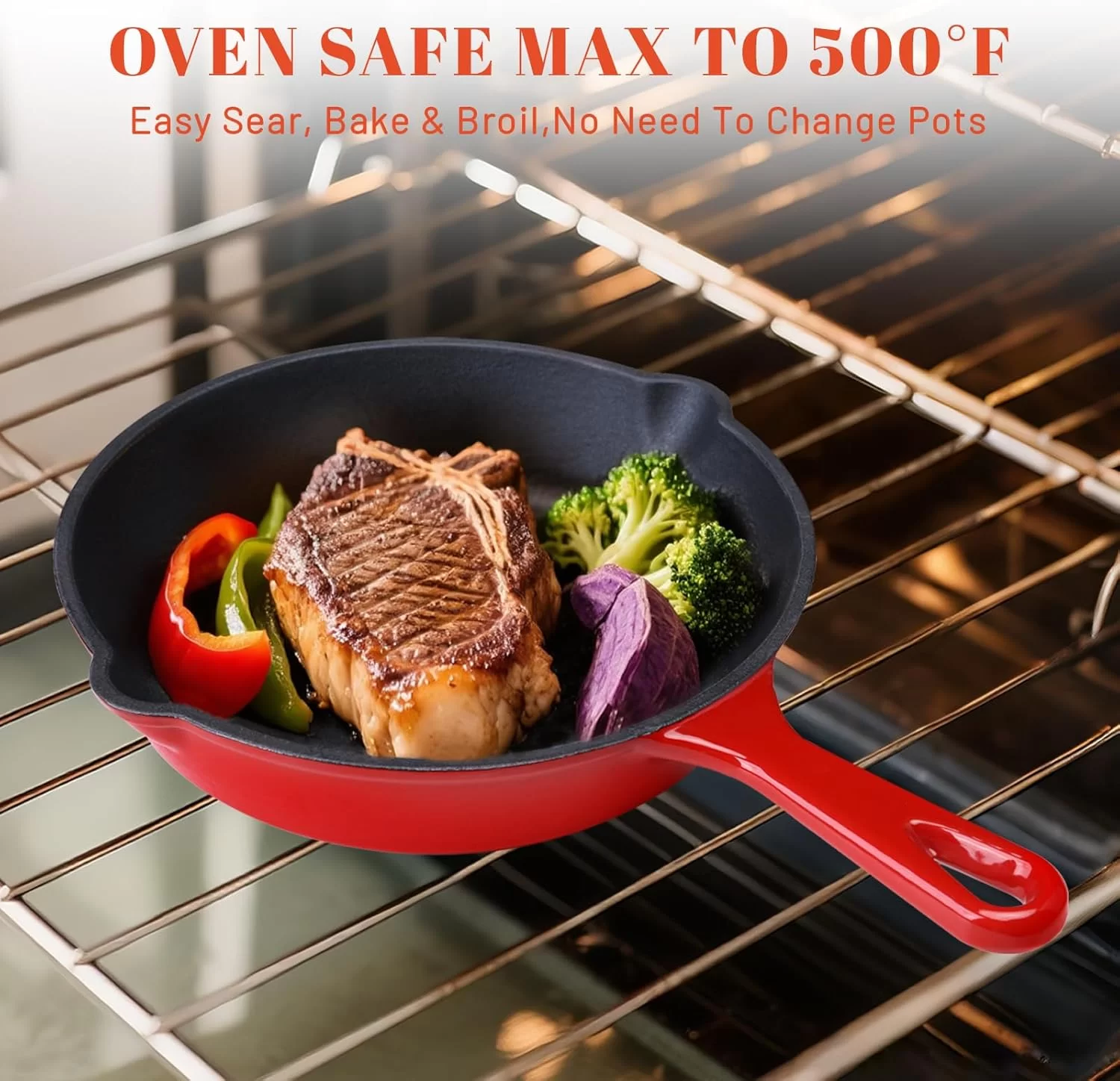
Can I use a small enameled cast iron skillet in the oven?

Absolutely. Our products are oven-safe up to high temperatures. Just ensure the handle is rated for oven use or use an oven mitt when removing it from the heat.

Which frying pan cast iron enameled size is best for a family of four?

For a family of four, we recommend a 26cm to 30cm diameter. This provides enough surface area for searing multiple portions of meat without overcrowding the pan, which maintains the heat.

How do I prevent food from sticking to my enameled skillet?

Preheat the pan on low to medium heat and add a small amount of oil or butter. Because cast iron holds heat so well, avoiding "thermal shock" by heating gradually prevents food from sticking.

Ready to Elevate Your Kitchenware Supply?

Contact our engineering team today for customized casting solutions tailored to the specific needs of the Ireland market.

Contact Us Now

If you are interested in our products, you can choose to leave your information here, and we will be in touch with you shortly.