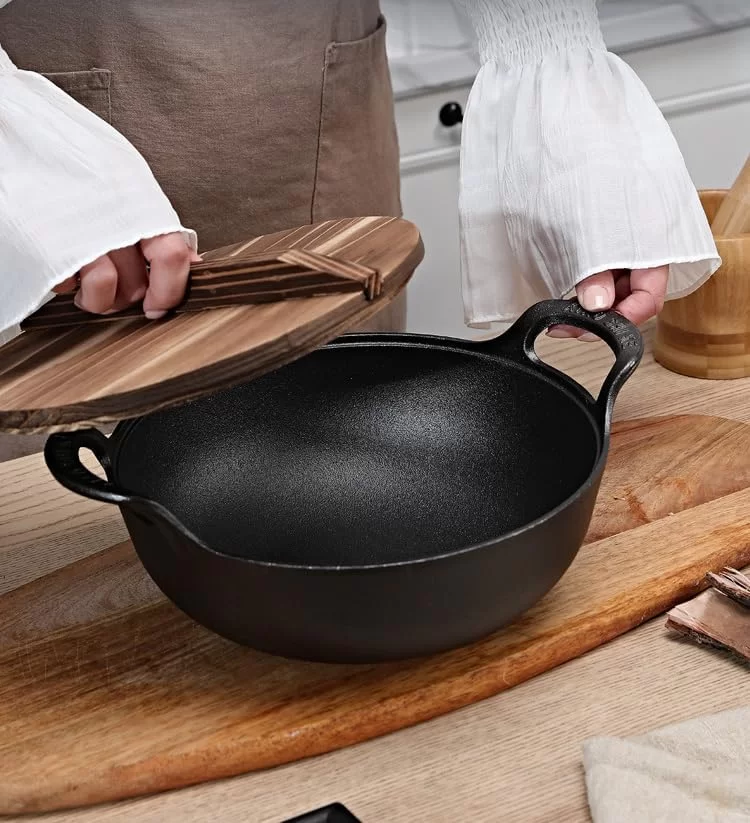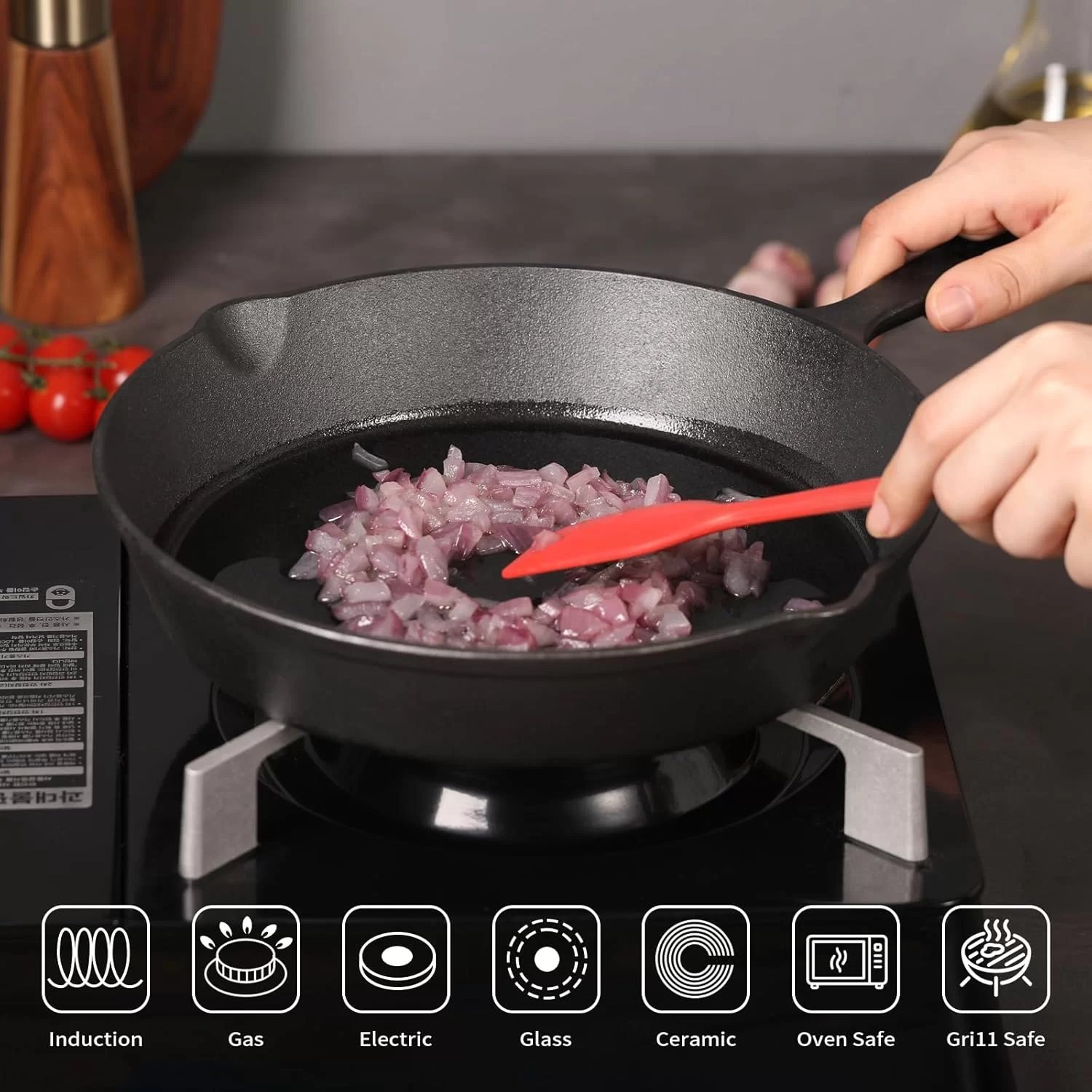
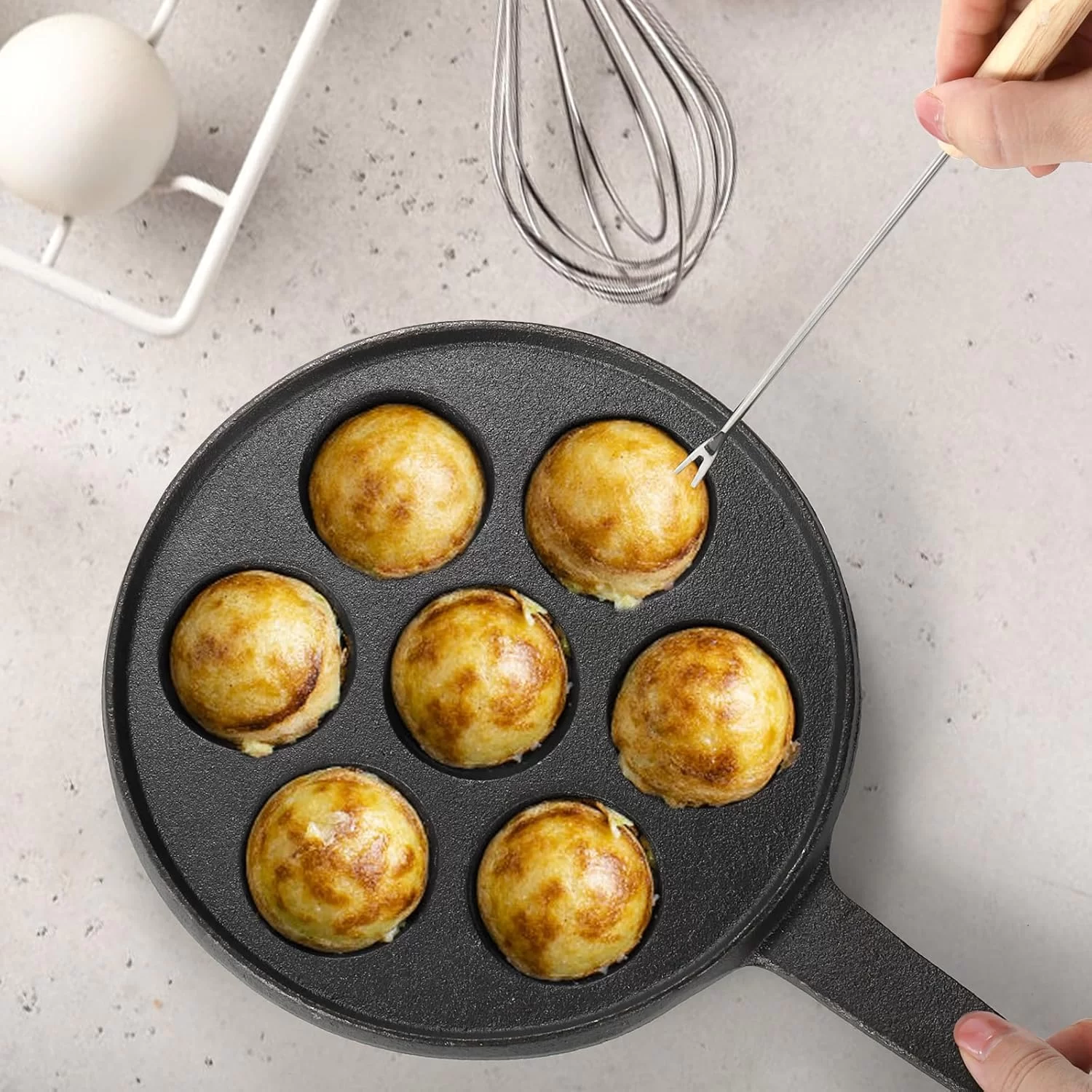
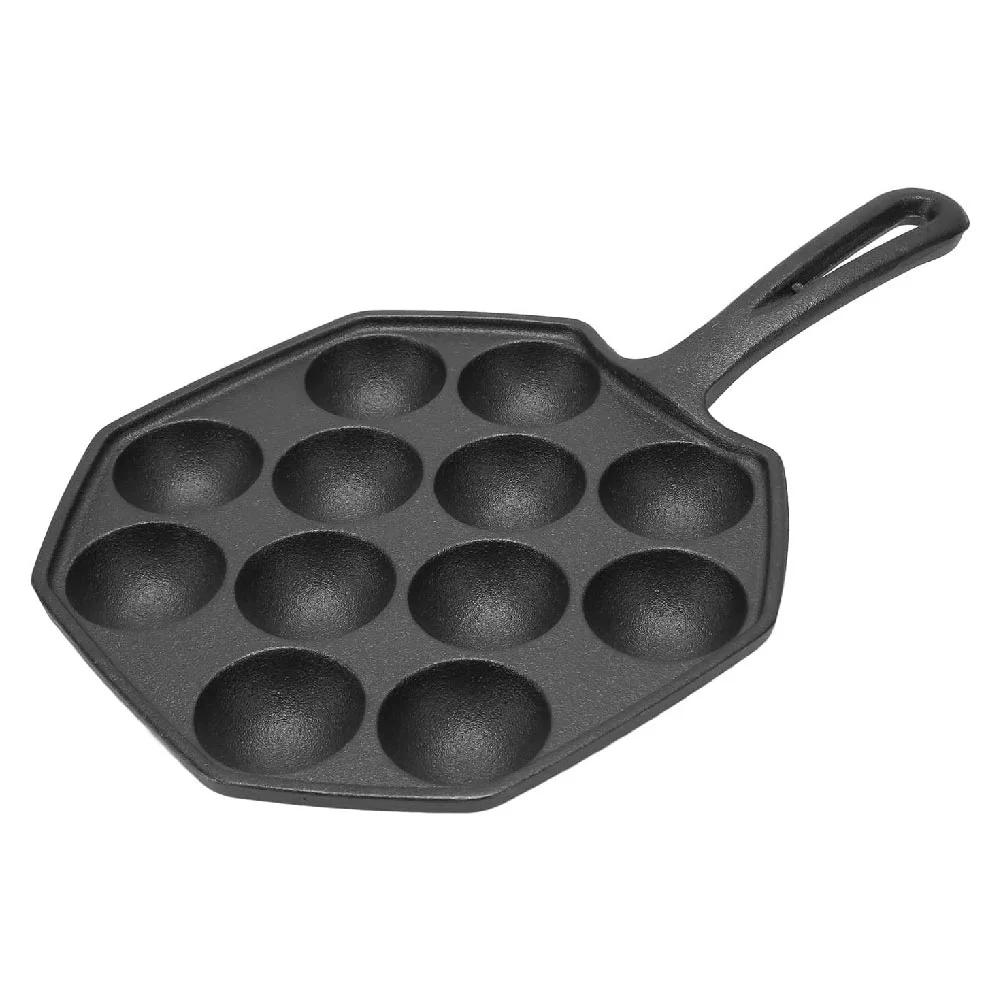
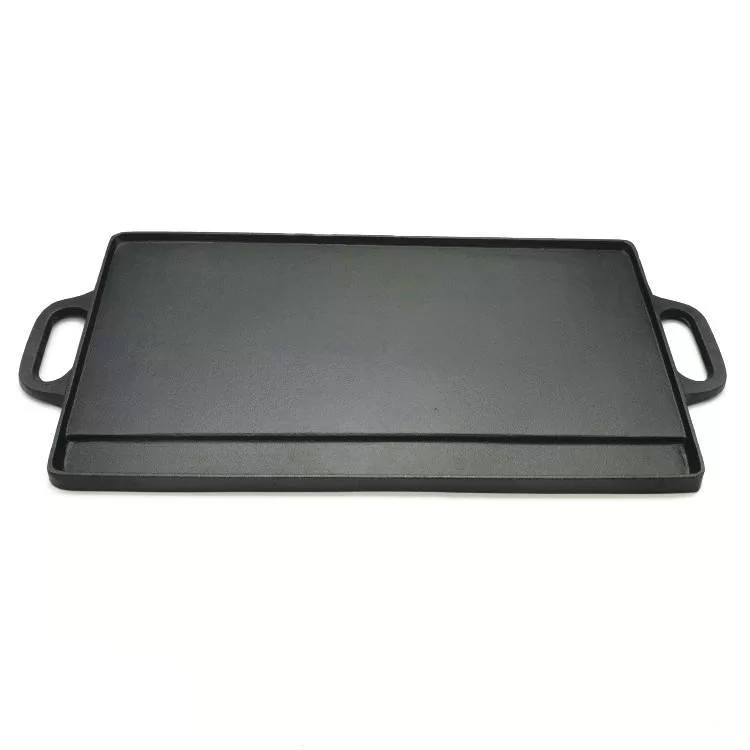
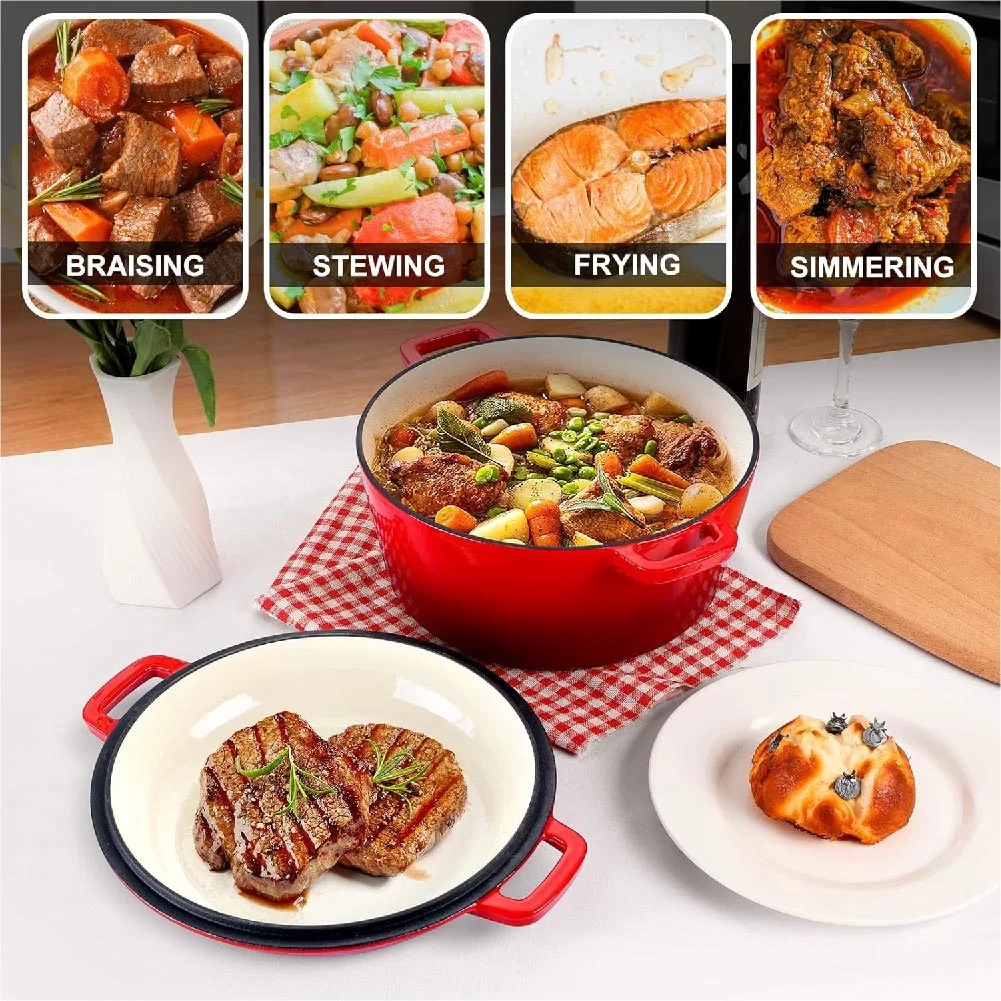
Premium Greek Culinary Solutions with porcelain enamel skillet

Premium Greek Culinary Solutions with porcelain enamel skillet

Engineering high-performance cast iron cookware tailored for the Mediterranean gastronomic heritage of Greece, combining timeless durability with modern enamel technology.

Premium Greek Culinary Solutions with porcelain enamel skillet

Discover our professional-grade range of enameled cast iron, specifically designed to meet the rigorous demands of Greek professional kitchens and home chefs who value heat retention and non-reactive surfaces.

The Landscape of Cast Iron Cookware in Greece

Analyzing the intersection of traditional Greek cooking and modern material science.

In Greece, the culinary culture is deeply rooted in slow-cooking and high-temperature searing, making the frying pan cast iron enameled a vital tool. The humid coastal climate and the use of acidic ingredients like lemon and tomato in traditional Moussaka or Stifado require a surface that prevents metallic leaching and rust.

Current market trends in Athens and Thessaloniki show a shift towards aesthetic versatility. The demand for a white enamel cast iron skillet has surged, as modern Greek kitchens blend minimalist European design with rustic traditionalism, requiring cookware that looks as good on the dining table as it does on the stove.

Despite the availability of non-stick alternatives, Greek consumers are returning to cast iron for its superior thermal mass. However, the need for easier maintenance has led to a preference for enameled options over raw iron, ensuring that the cookware remains hygienic and easy to clean after preparing complex Mediterranean dishes.
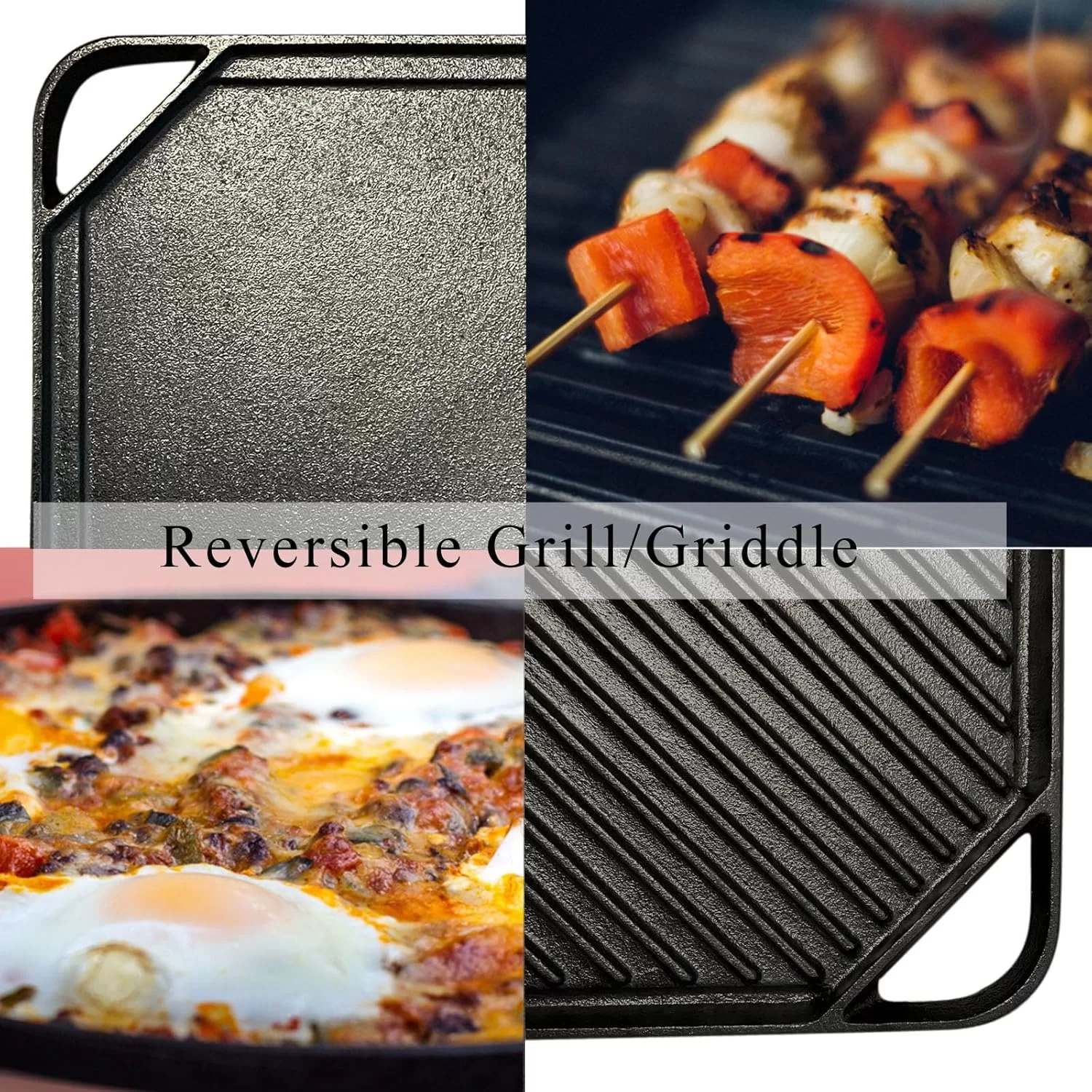
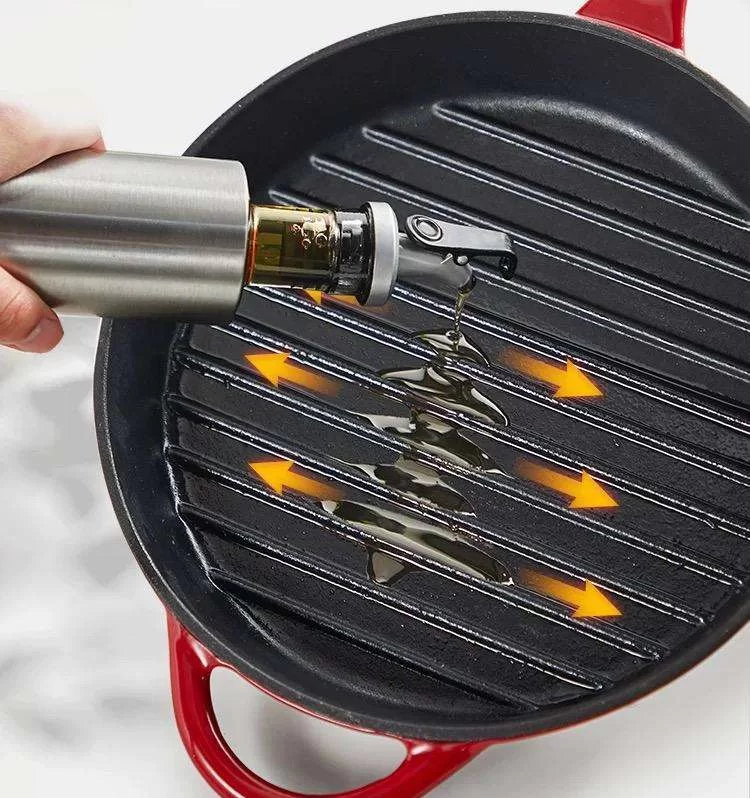
Evolution of Enameled Metallurgy in Mediterranean Kitchens

From heavy rustic pots to precision-engineered enameled cookware.

Market Development History

During the early 20th century, Greek households relied on heavy, raw cast iron pots. The transition began in the 1960s with the introduction of basic vitreous enamel, which reduced the need for laborious seasoning but often suffered from chipping under high thermal shock.

By the 1990s, the industry shifted toward multi-layer porcelain fusing. The development of the deep enameled cast iron skillet allowed chefs to transition seamlessly from searing meats to simmering sauces, aligning with the "one-pot" philosophy of traditional Greek stews.

In the last decade, the focus has moved toward precision casting. The emergence of the small enameled cast iron skillet reflects the modern shift toward portion-controlled cooking and individual serving styles in high-end Greek bistros.

Future Development Trends

Nano-Ceramic Enamel Integration

We anticipate a shift toward nano-structured enamel surfaces that provide the durability of porcelain with an enhanced naturally non-stick property, reducing oil consumption in line with health trends.

Induction-Optimized Base Geometry

As Greek households upgrade to energy-efficient induction hobs, the base flatness and magnetic permeability of cast iron will be refined to eliminate "hot spots" and maximize energy transfer.

Eco-Friendly Vitrification Processes

Future manufacturing will focus on lead-free, cadmium-free smelting and low-emission firing kilns to meet strict EU environmental regulations and Greek sustainability goals.

Future Trajectories of Cast Iron Manufacturing

Strategic outlook on the evolution of enameled cookware technology.

Thermal Efficiency Optimization
Improving the heat distribution ratio to ensure consistent results across all heat sources, from gas to induction.
Weight Reduction Engineering
Utilizing advanced casting alloys to reduce overall weight without compromising the heat retention properties of cast iron.
Surface Hardness Enhancement
Implementing plasma-sprayed enamel coatings to increase scratch resistance against metal utensils.
Sustainable Production Loops
Implementing 100% recycled iron scrap integration to reduce the carbon footprint of every skillet produced.

Industry Outlook

Based on Google search trends in the EU region, there is a marked increase in searches for "non-toxic cookware" and "lifetime kitchenware." This indicates a long-term pivot away from PTFE-based coatings toward enameled cast iron, which is perceived as a safer, more durable alternative for the health-conscious Greek consumer.

The convergence of artisanal cooking and professional performance will drive the market. We expect a rise in "Hybrid Cookware" where the thermal mass of a porcelain enamel skillet is combined with ergonomic, lightweight handles, bridging the gap between industrial durability and home convenience.

Localized Applications in Greece

How our enameled cast iron empowers Greek culinary traditions.

01. Traditional Greek Braising (Youvetsi)

The deep enameled cast iron skillet is perfect for slow-cooking lamb or beef in tomato sauce, maintaining a constant temperature that ensures meat tenderness while the enamel protects against acidic acidity.

02. Individual Seafood Appetizers (Mezedes)

Using a small enameled cast iron skillet to serve grilled octopus or feta cheese directly from the oven to the table, preserving heat in the breezy Greek outdoor dining settings.

03. High-Heat Searing for Souvlaki

The superior heat retention of a frying pan cast iron enameled allows for the perfect char on marinated pork or chicken, mimicking the effect of a traditional charcoal grill indoors.

04. Modern Breakfast Presentation

The white enamel cast iron skillet provides a stunning visual contrast for traditional Greek breakfast eggs with spinach and feta, aligning with the "Instagrammable" trend in Athenian cafes.

05. Artisanal Baking and Roasting

Utilizing the porcelain enamel skillet for baking rustic focaccia or roasting local vegetables, where the even heat distribution prevents burning and ensures a golden-brown crust.

Brand Story

The Global Development Journey of Ningjin County Jinshengyuan Casting Co., Ltd.

Foundations of Precision

Established with a commitment to metallurgical excellence, we began by solving the common issue of uneven wall thickness in traditional cast iron.

The Enamel Innovation

We mastered the art of porcelain fusing, eliminating the "peeling" pain point that plagued early enameled cookware, ensuring a lifetime bond.

Global Quality Standards

Expanding our reach to Europe, we aligned our production with EU food-safety regulations, ensuring every piece is free from harmful toxins.

Mediterranean Expansion

Tailoring our product line for the Greek market, focusing on the balance between heavy-duty performance and elegant Mediterranean aesthetics.

Vision for Tomorrow

Continuing to innovate in sustainable casting, aiming to provide every Greek kitchen with tools that last for generations.

Common Inquiries from Greek Customers

Everything you need to know about maintaining your enameled cast iron.

How do I clean a white enamel cast iron skillet without staining?

For a white enamel cast iron skillet, avoid using steel wool. Use a soft sponge and a paste of baking soda and water for tough stains, then rinse with mild soap.

Can I use a deep enameled cast iron skillet on an induction stove?

Yes, our deep enameled cast iron skillet is designed with a ferromagnetic base, making it perfectly compatible with all induction cooktops found in modern Greek homes.

Is a porcelain enamel skillet better than raw cast iron for acidic foods?

Absolutely. A porcelain enamel skillet provides a non-reactive barrier, meaning you can cook tomato-based Greek sauces without the acid stripping the seasoning or altering the taste.

What is the benefit of a small enameled cast iron skillet for hosting?

The small enameled cast iron skillet is ideal for individual portions of appetizers (mezedes), ensuring the food stays hot from the oven to the guest's table.

Can a frying pan cast iron enameled be used in the oven?

Yes, the frying pan cast iron enameled is oven-safe. Just ensure the handle can withstand your oven's maximum temperature (usually up to 260°C).

How do I prevent thermal shock in my enameled cookware?

To protect the enamel, always avoid placing a hot skillet under cold running water. Let the pan cool gradually to prevent the porcelain from cracking.

Connect with Our Metallurgy Experts

Looking for customized cast iron solutions for your business in Greece? Our team is ready to help you engineer the perfect cookware.

Contact Us Now

If you are interested in our products, you can choose to leave your information here, and we will be in touch with you shortly.