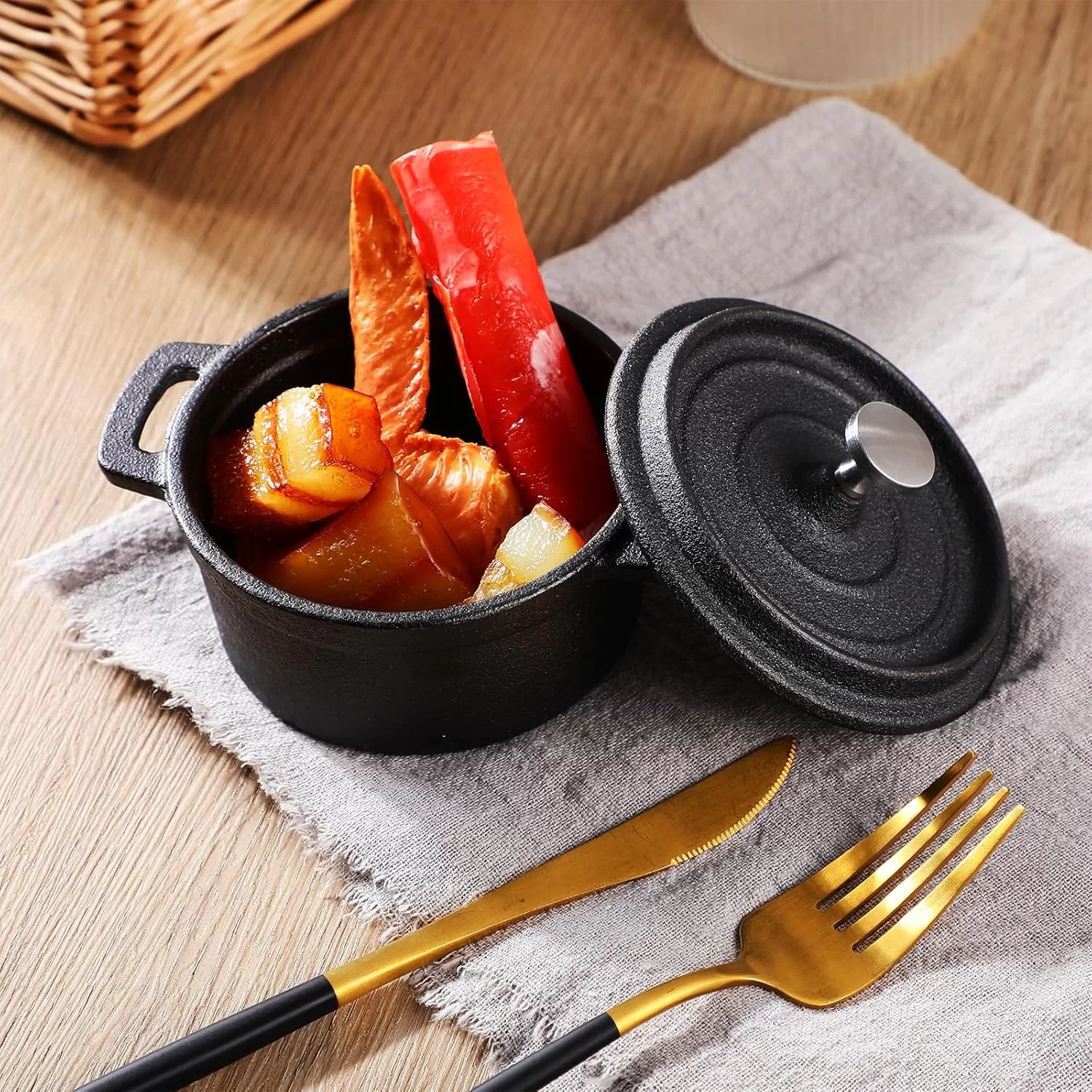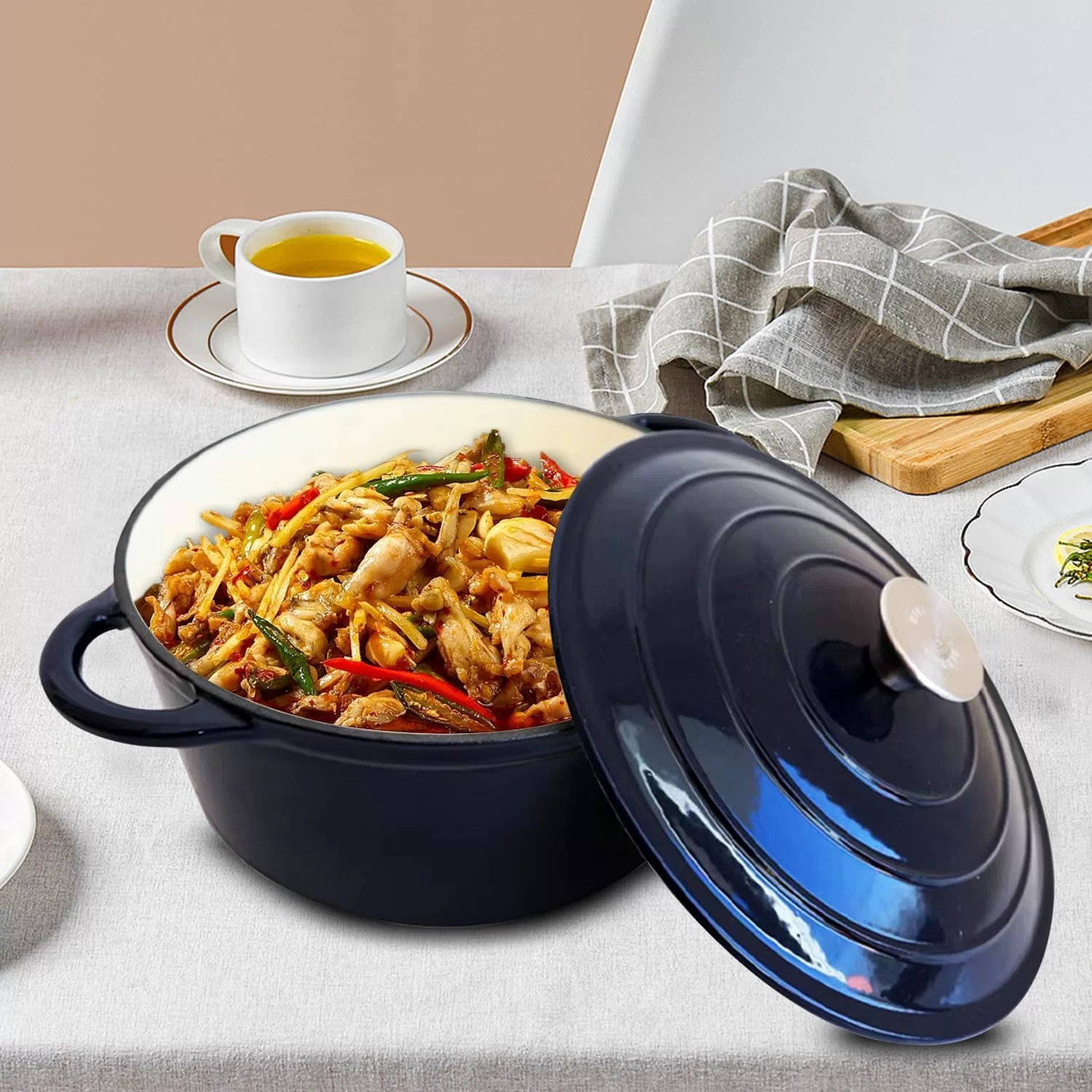
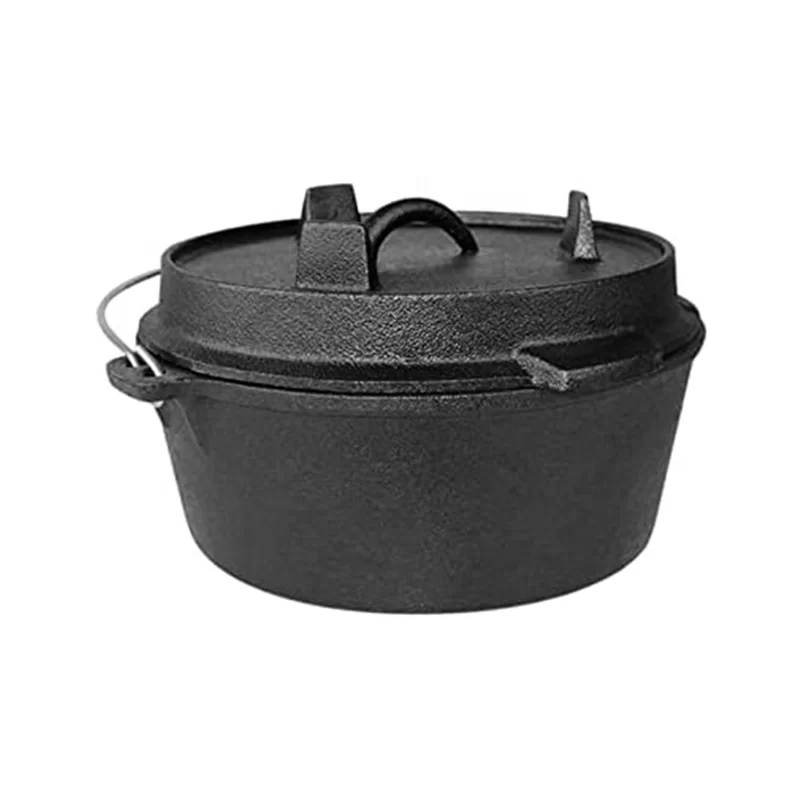
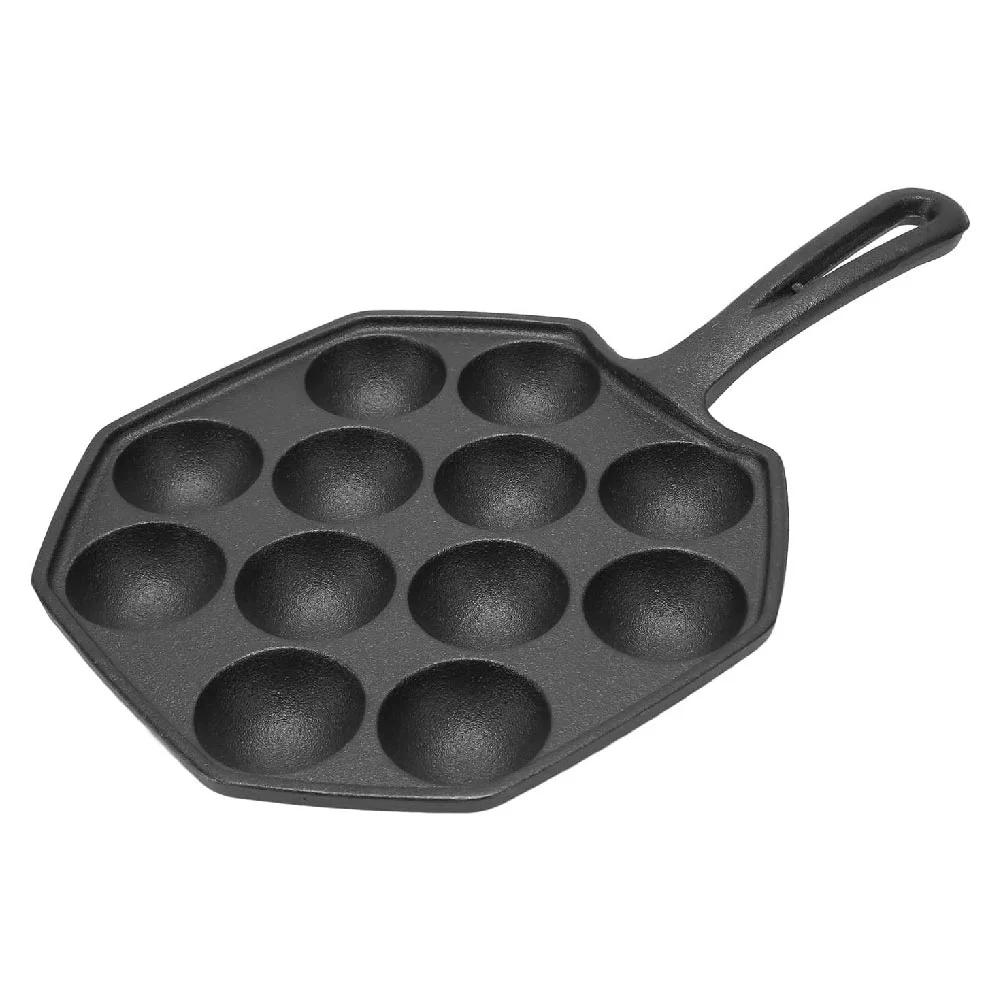
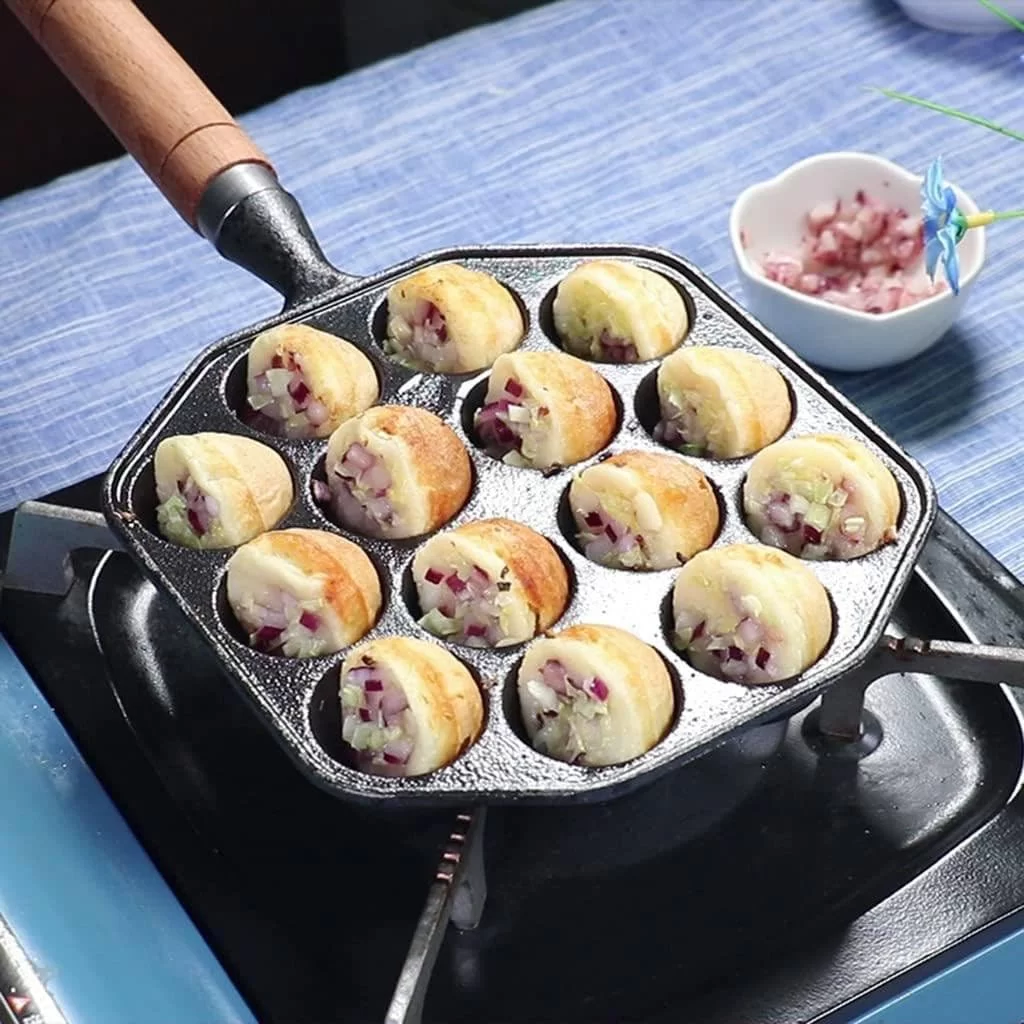
In Sri Lanka, the culinary culture is deeply rooted in slow-cooking and spice-rich preparations. However, the high humidity of the tropical climate often leads to rapid oxidation in traditional ironware, making the demand for a porcelain enamel skillet increasingly prevalent among urban households and professional chefs.
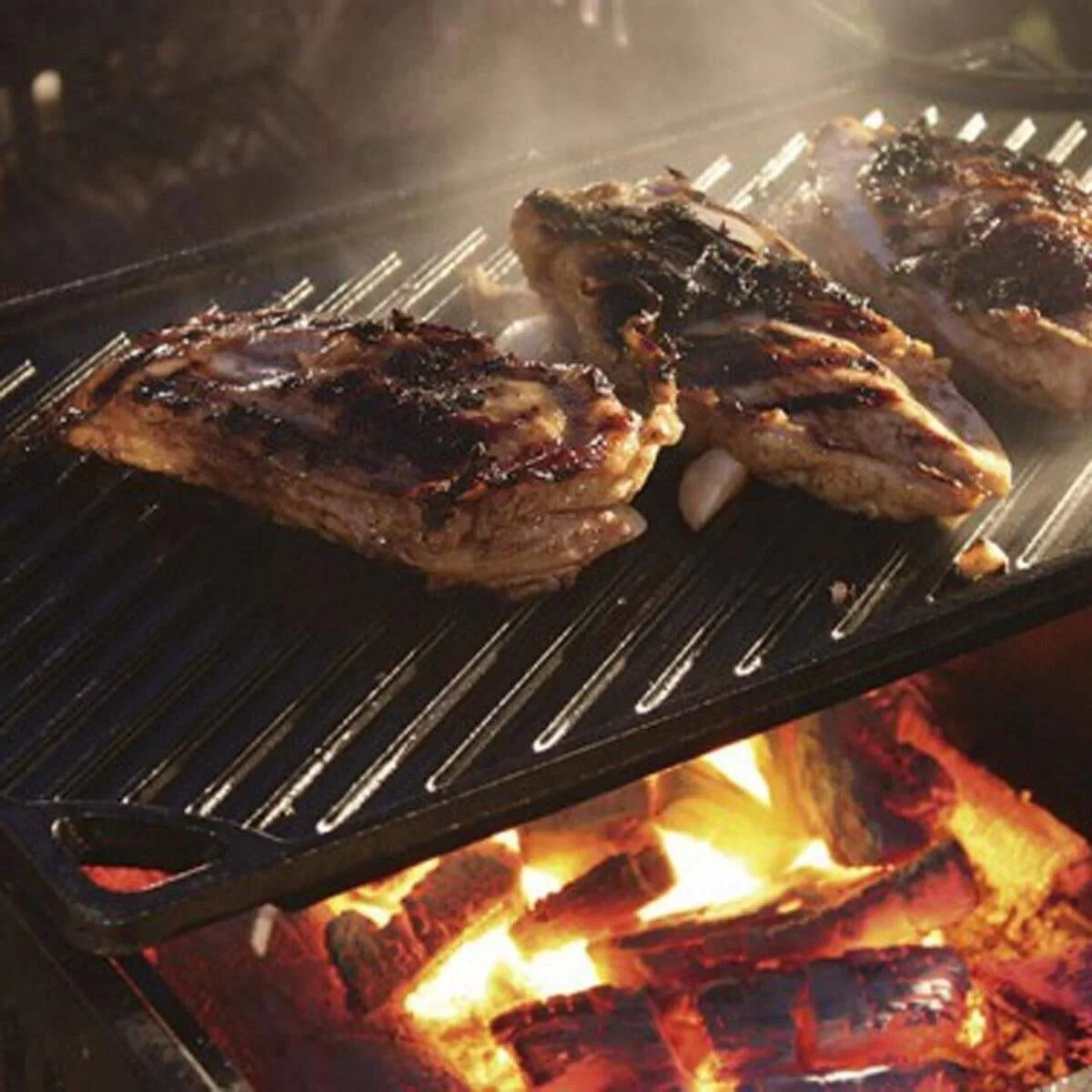
The local market is currently witnessing a shift towards efficiency. While traditional pots are valued, the modern Sri Lankan kitchen requires versatile tools like the frying pan cast iron enameled to handle everything from searing meats to simmering coconut-based curries without the risk of metallic leaching.
Economic fluctuations have led consumers to prioritize longevity and multi-functionality. Consequently, there is a growing preference for durable, non-reactive surfaces that can transition from the stovetop to the dining table, bridging the gap between traditional durability and modern aesthetic standards.