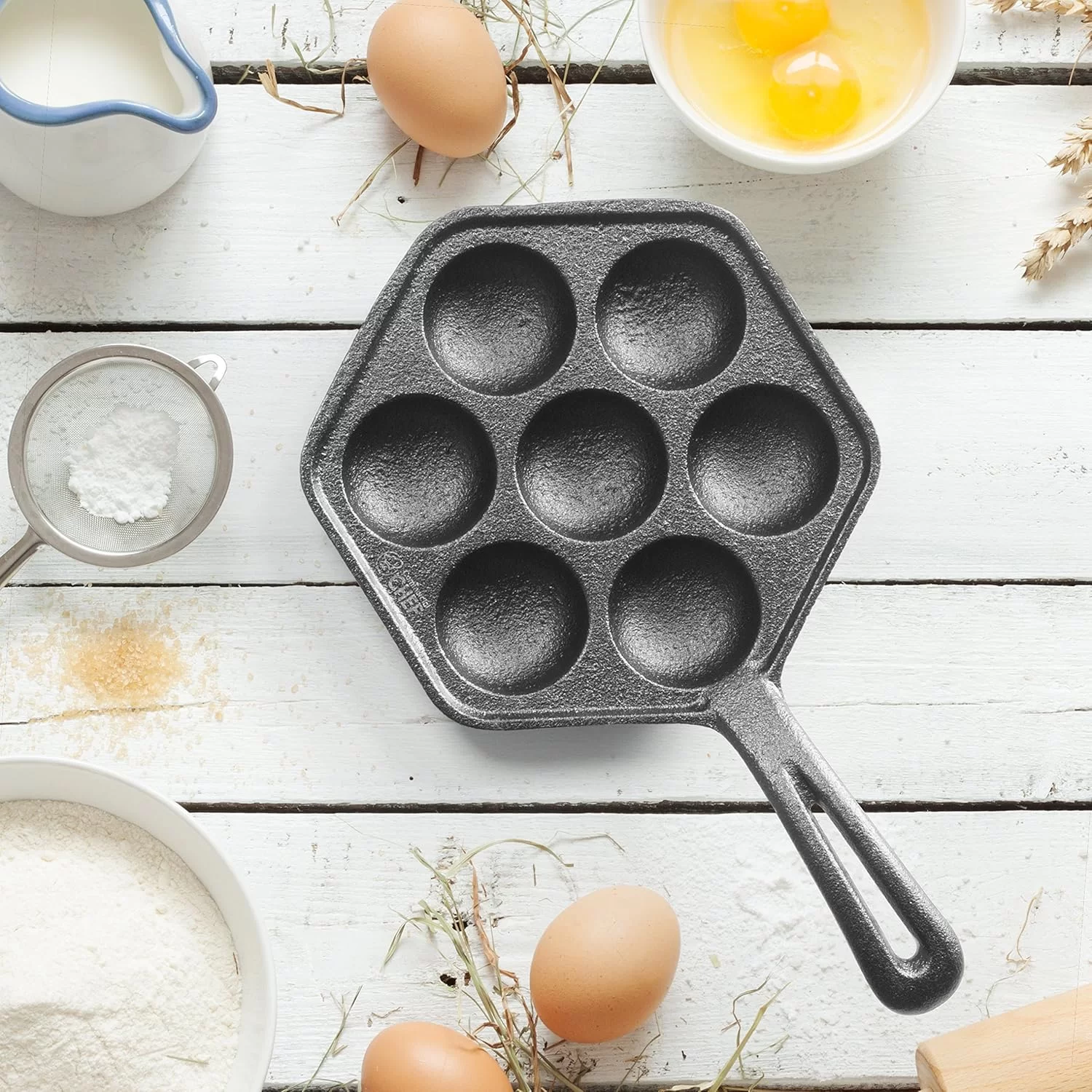
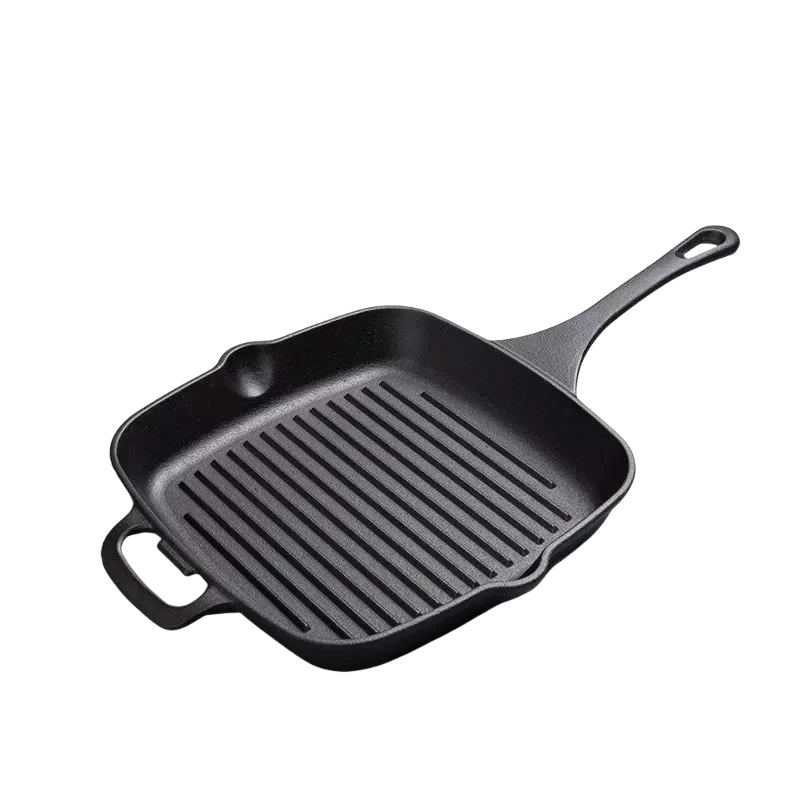
Premium porcelain enamel skillet Solutions for Malaysia’s Culinary Market

Premium porcelain enamel skillet Solutions for Malaysia's Culinary Market

Engineering high-performance cast iron cookware tailored for the diverse heat requirements and flavor profiles of Southeast Asian gastronomy.

Premium porcelain enamel skillet Solutions for Malaysia's Culinary Market

Specializing in durable, non-reactive, and heat-retentive enamel cast iron cookware designed to meet the rigorous standards of Malaysian home cooks and professional chefs.

The Evolution of Cast Iron Cookware in Malaysia

Analyzing the shift from traditional raw iron to modern enamel coating in the humid tropical climate of Asia.

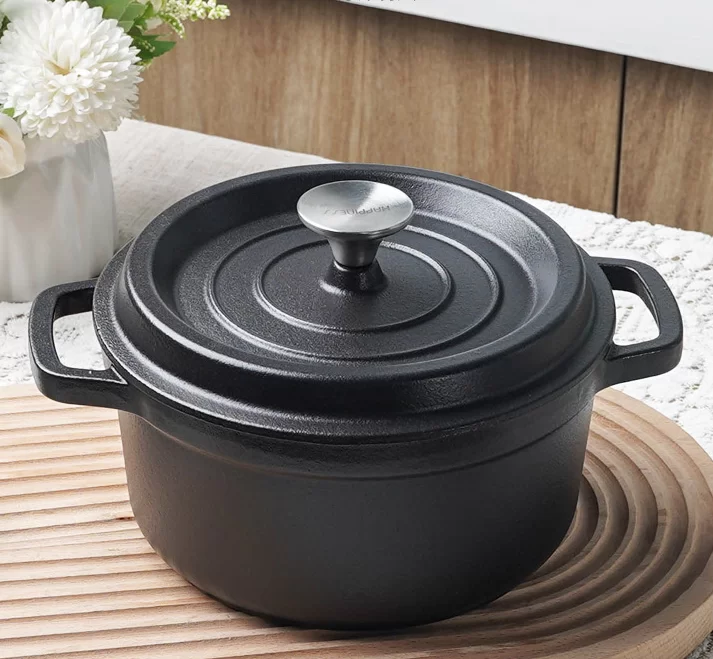
In the Malaysian market, high humidity often poses a significant challenge for traditional cast iron, leading to rapid oxidation. The introduction of the frying pan cast iron enameled has revolutionized local kitchens by eliminating the need for constant seasoning while providing a rust-proof barrier essential for the tropical environment.

Modern Malaysian consumers are increasingly seeking versatility. The demand for a small enameled cast iron skillet has surged as urban dwellers in Kuala Lumpur and Penang move toward compact living spaces but refuse to compromise on the searing capabilities of heavy-duty iron.

Furthermore, the aesthetic transition toward minimalist kitchenware has made the white enamel cast iron skillet a popular choice, blending professional-grade durability with a clean, contemporary look that complements modern Malaysian interior design trends.
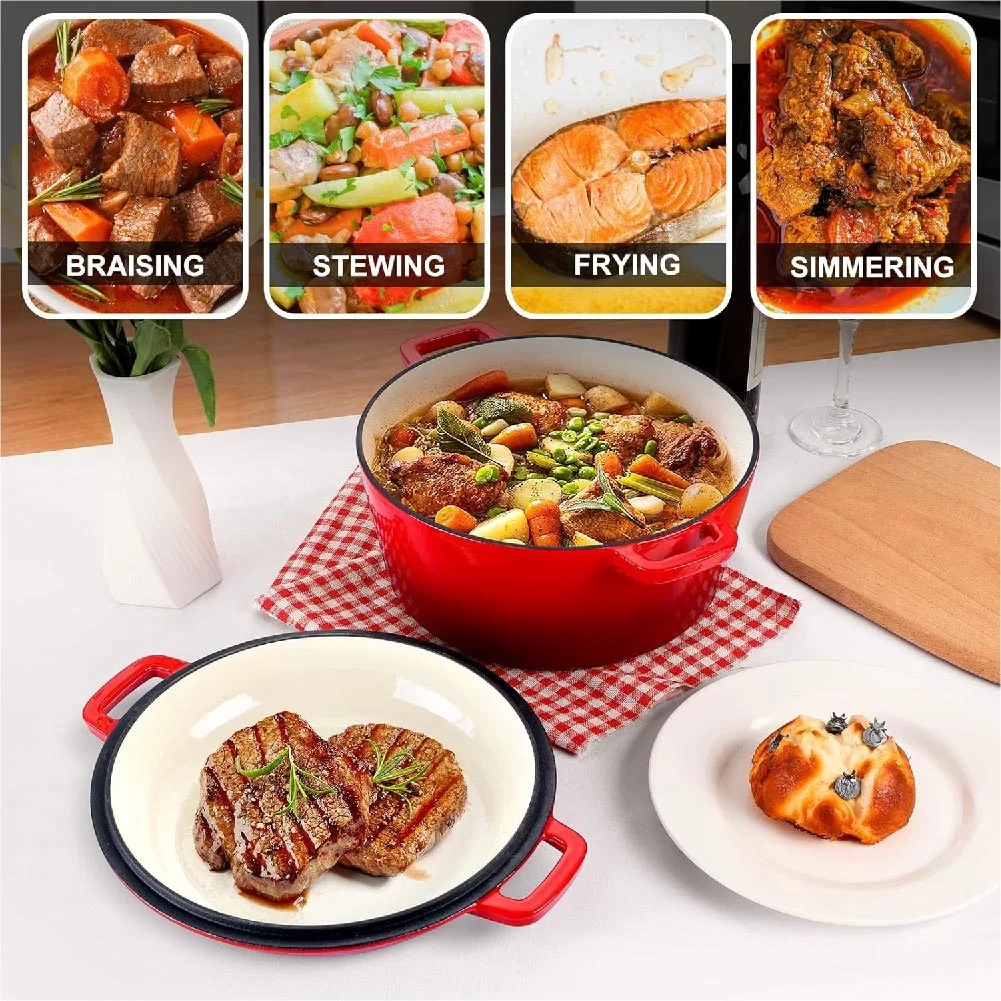
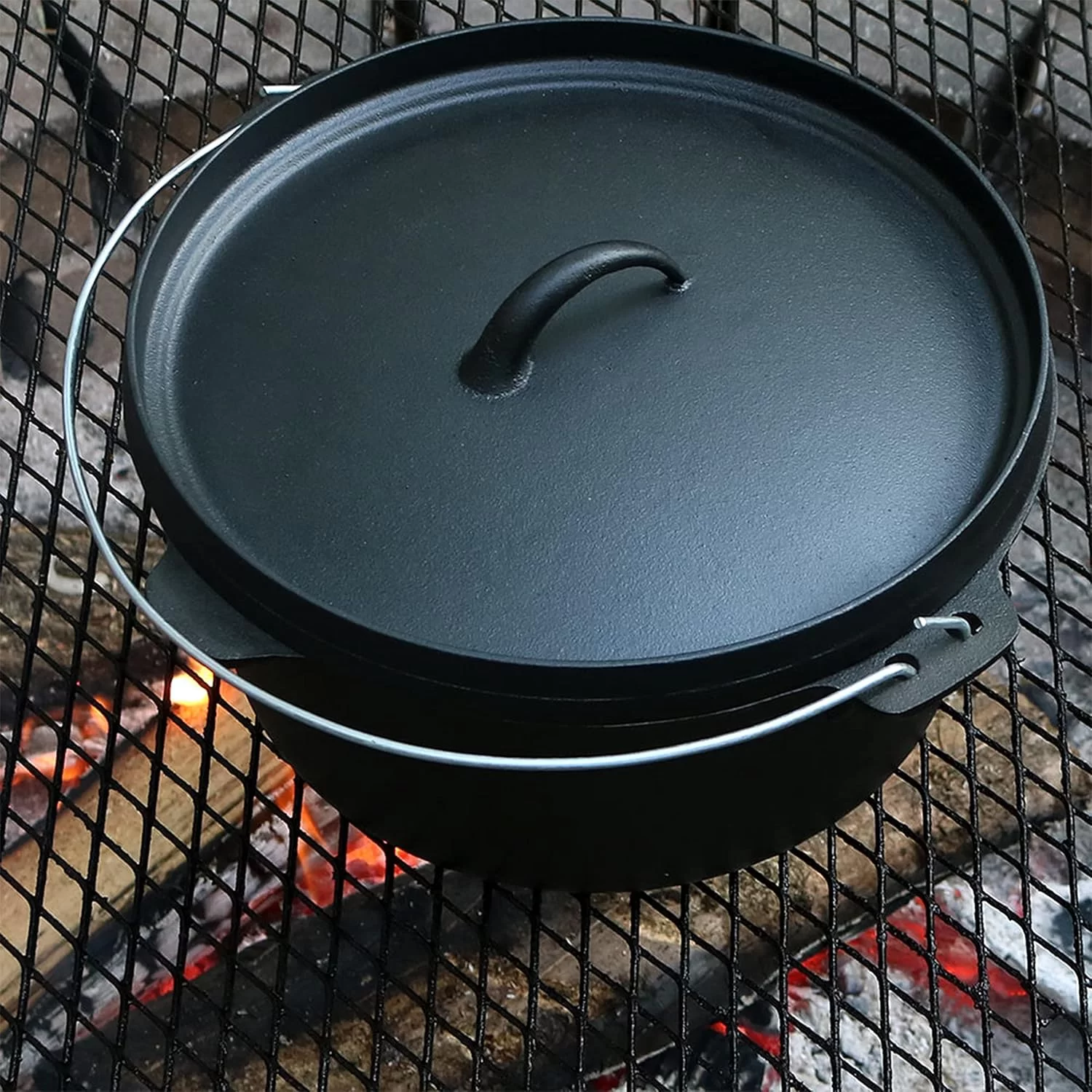
Technological Trajectory of Enamel Casting

From primitive sand casting to precision vitreous enamel application.

Market Development History

Prior to 2010, the Malaysian market was dominated by lightweight aluminum or traditional raw cast iron. The early 2010s saw the introduction of basic vitreous enameling, which solved the acidity problem when cooking traditional Malaysian curries and sambals.

Between 2015 and 2020, the technology shifted toward multi-layer coating processes. This era introduced the deep enameled cast iron skillet, allowing for a seamless transition from searing to braising, which is critical for slow-cooked regional delicacies.

From 2021 to the present, the focus has moved to "Eco-Enameling," reducing carbon emissions during the firing process and improving the chip-resistance of the porcelain layer to extend product lifespans in commercial settings.

Future Development Trends

Induction-Optimized Base Engineering

As Malaysia upgrades its electrical infrastructure, we predict a surge in high-efficiency induction bases that distribute heat more evenly across the skillet surface.

Advanced Thermal Gradient Control

Future iterations will focus on varying the thickness of the cast iron walls to prevent "hot spots," ensuring a perfectly consistent sear regardless of the burner type.

Hyper-Durable Non-Stick Enamel Fusion

Development is moving toward a hybrid porcelain enamel that maintains the heat retention of iron but offers the effortless release of modern ceramic coatings.

Industry Trends & Future Outlook

Strategic foresight into the metalware manufacturing landscape in Southeast Asia.

Sustainable Sourcing
Integrating recycled scrap iron into the casting process to reduce the environmental footprint of heavy metal manufacturing.
Precision Casting 4.0
Implementing AI-driven mold monitoring to eliminate porosity and ensure perfectly uniform wall thickness in every skillet.
Customized Aesthetics
Expanding the color palette beyond white and black to cater to the vibrant culture of Southeast Asian kitchen styling.
Smart-Heat Integration
Researching thermal-conductive cores that allow cast iron to heat up faster while maintaining its legendary heat retention.

Industry Outlook

The trajectory for cast iron manufacturing in Malaysia is shifting from mass-market commodity to high-value specialized equipment. Based on search trends, there is a marked increase in queries regarding "non-toxic" and "long-term durable" cookware, signaling a consumer move away from disposable PTFE coatings.

Over the next 3-5 years, we expect the integration of direct-to-consumer (DTC) models to drive demand for customized, small-batch enameled ironware that can be personalized for regional professional chefs.

Localized Application Scenarios in Malaysia

How our enameled cast iron solves specific culinary challenges across the Malaysian peninsula.

01. Traditional Rendang Slow-Cooking

Using a deep enameled cast iron skillet allows for the precise, low-temperature simmering required to break down coconut milk and spices into a rich Rendang without scorching the bottom.

02. High-Heat Stir-Frying for Urban Kitchens

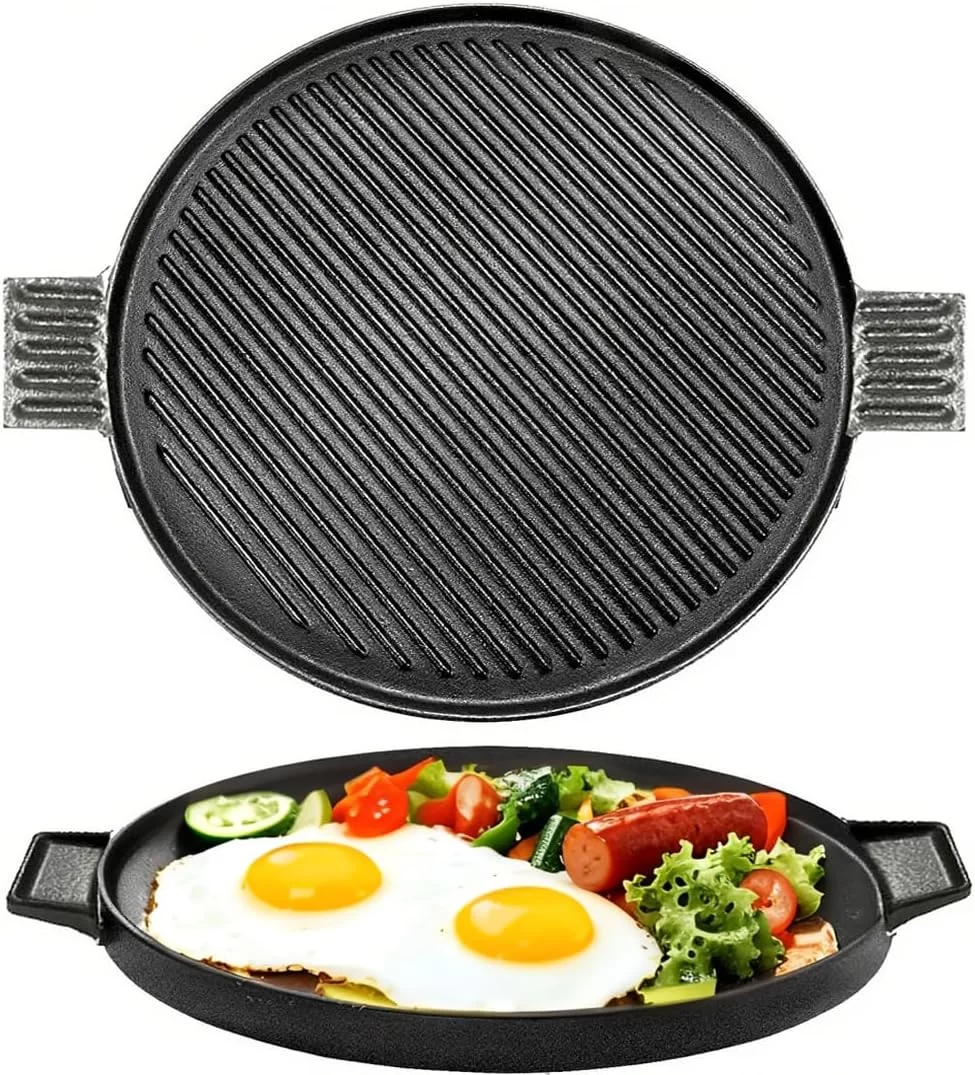
The frying pan cast iron enameled provides the thermal mass needed for the "wok hei" effect in apartment kitchens where gas pressure may be limited.

03. Gourmet Breakfasts in Boutique Cafes

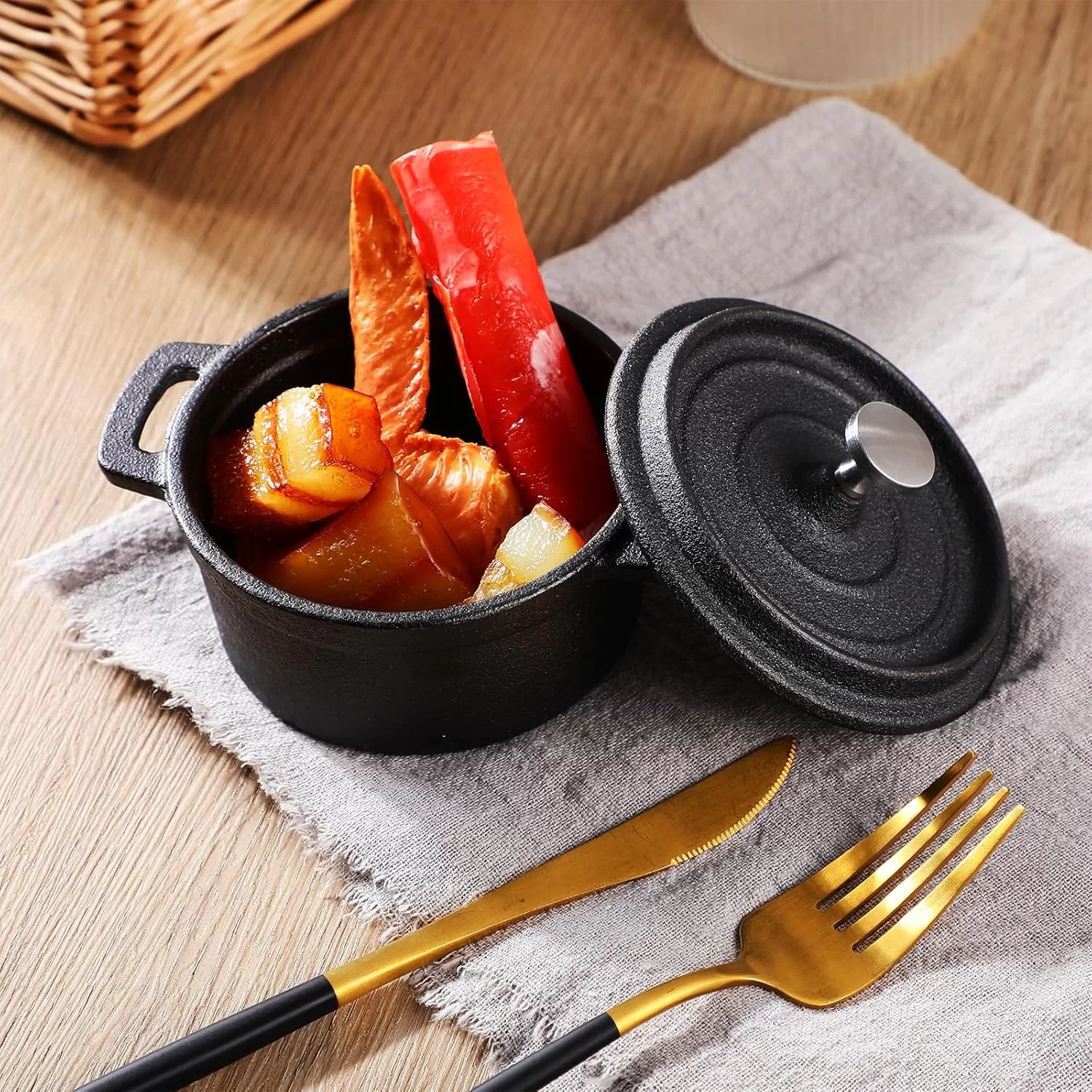
The small enameled cast iron skillet is ideal for individual serving sizes of baked eggs or mini-frittatas, which are trending in Kuala Lumpur's brunch scene.

04. Acidic Tamarind-Based Stews

Unlike raw iron, our porcelain enamel skillet is non-reactive, making it the perfect vessel for Asam Pedas, ensuring the acidity of the tamarind doesn't leach metallic tastes into the food.

05. Visual Presentation for Modern Dining

The white enamel cast iron skillet serves as a stunning tabletop presentation piece, contrasting beautifully with the vibrant colors of Malaysian spices and herbs.

Brand Story

Global Development Journey of Ningjin County Jinshengyuan Casting Co., Ltd.

Foundational Excellence

Starting as a regional foundry, we mastered the art of high-density iron casting, focusing on the elimination of structural voids in heavy-duty cookware.

Enamel Innovation

We invested in advanced vitreous enamel technology to solve the rust and reactivity pain points of traditional iron, expanding our reach to international markets.

Quality Standardization

By implementing ISO-certified quality controls, we ensured that every skillet produced meets the rigorous safety and durability standards of the EU and US markets.

Global Expansion

Establishing strategic partnerships in Southeast Asia, specifically Malaysia, to tailor our product dimensions and thermal properties to regional cooking styles.

Future-Ready Manufacturing

Today, we combine heritage casting techniques with robotic precision, aiming to be the world's most trusted provider of professional enamel cast ironware.

Complete Enamel Cast Iron Portfolio for Malaysia

A comprehensive range of high-performance skillets designed for every Malaysian kitchen requirement.

Common Questions for Malaysia Cast Iron Users

Expert answers to the most frequent queries regarding enameled cookware maintenance and use.

How do I clean a white enamel cast iron skillet after cooking oily Malaysian dishes?

For a white enamel cast iron skillet, avoid abrasive steel wool. Use a soft sponge with warm soapy water. For stubborn oil stains common in Malaysian cooking, a paste of baking soda and water left for 15 minutes will effectively lift the grease without scratching the porcelain surface.

Is a deep enameled cast iron skillet suitable for induction cooktops in KL?

Yes, our deep enameled cast iron skillet is engineered with a high-ferrous base that is fully compatible with all induction hobs. The enamel coating does not interfere with the magnetic induction process, ensuring rapid and efficient heating.

Do I need to season my frying pan cast iron enameled?

No, a frying pan cast iron enameled does not require seasoning. The porcelain enamel layer provides a naturally non-reactive and smooth surface that protects the iron from rust and prevents food from sticking as long as you use a small amount of oil and avoid overheating.

Can a small enameled cast iron skillet be used in the oven?

Absolutely. Our small enameled cast iron skillet is designed for seamless transition from stovetop to oven. Please ensure the handle is oven-safe (up to 250°C) and use oven mitts when removing it from the heat.

Will the porcelain enamel skillet chip if used for heavy searing?

Our porcelain enamel skillet is fired at extreme temperatures to fuse the glass layer to the iron. While highly durable, we recommend avoiding metal utensils and extreme thermal shock (like putting a hot pan in cold water) to prevent chipping.

Which is better for Malaysian curries: raw iron or enameled cast iron?

Enameled cast iron is significantly better for curries. Because curries often contain acidic ingredients like tamarind or tomato, they can strip the seasoning from raw iron and add a metallic taste. Enameled surfaces are non-reactive and maintain the purity of the flavors.

Ready to Upgrade Your Kitchen?

Contact our expert team today for bulk manufacturing inquiries and customized cookware solutions for Malaysia.

Contact Us Now

If you are interested in our products, you can choose to leave your information here, and we will be in touch with you shortly.