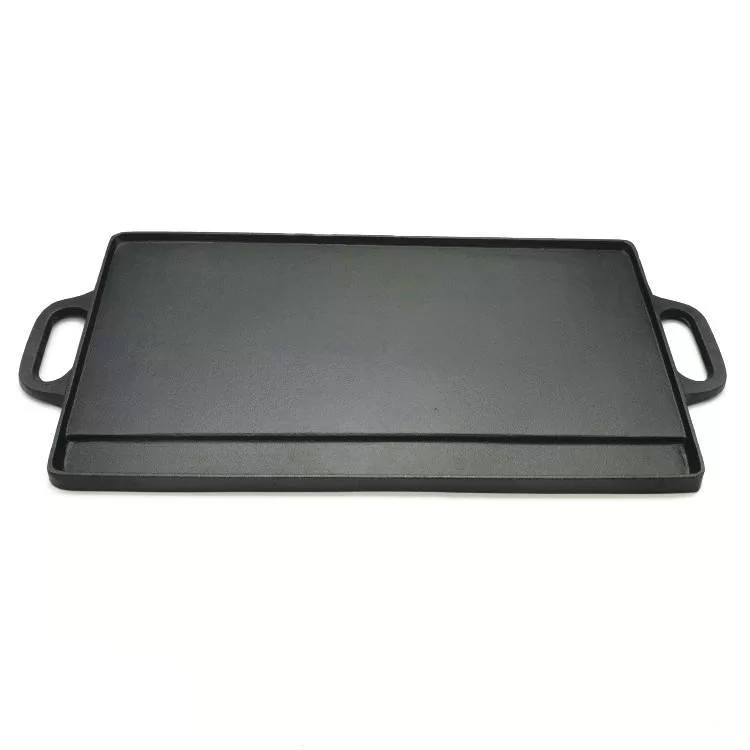
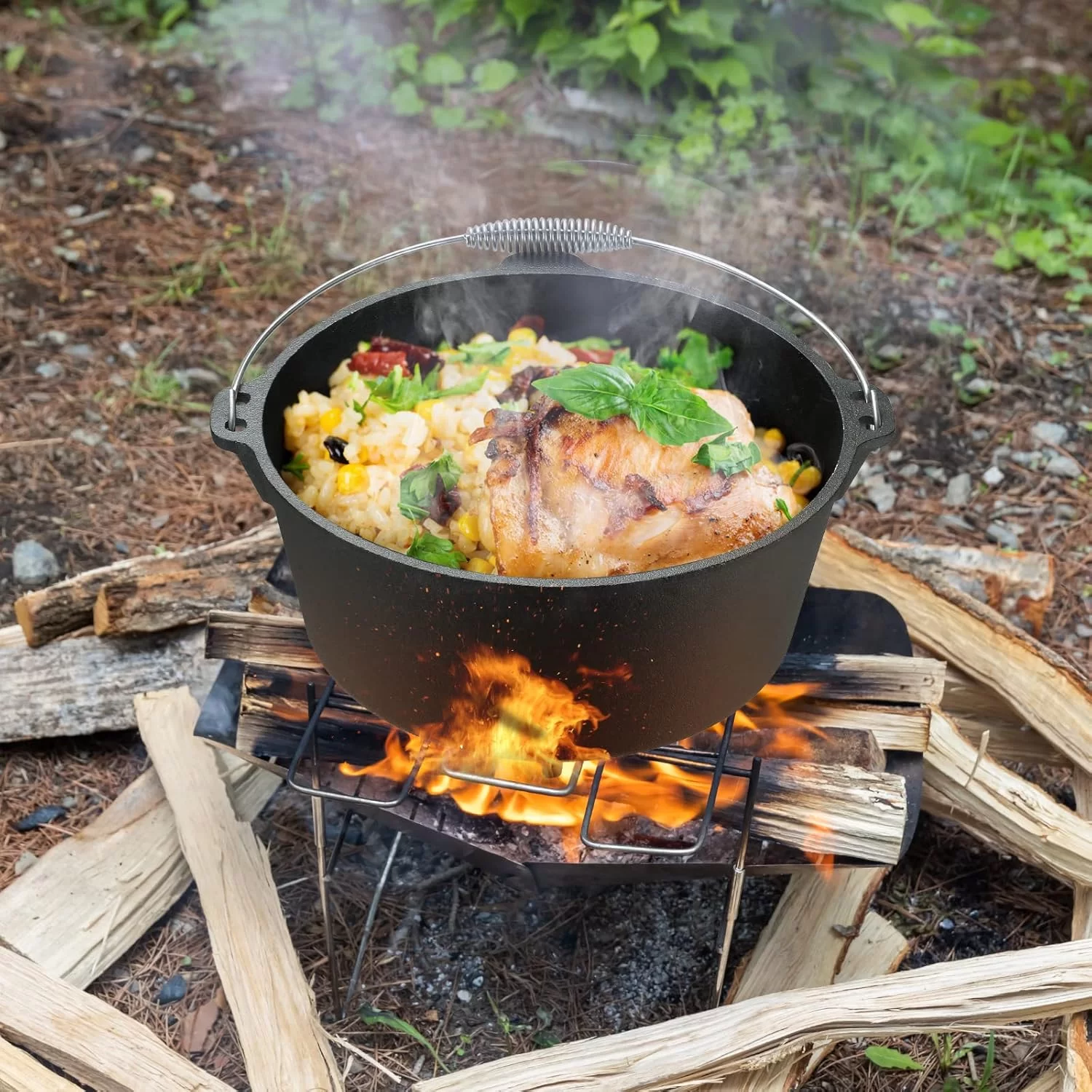
Premium Kitchenware Solutions The porcelain enamel skillet for South Korea

Premium Kitchenware Solutions: The porcelain enamel skillet for South Korea

Combining ancestral casting mastery with modern enamel technology to meet the sophisticated culinary standards of the Korean market.

Premium Kitchenware Solutions: The porcelain enamel skillet for South Korea

Our high-performance cast iron range is engineered for durability and heat retention, perfectly suited for both traditional Korean stews and modern fusion cuisine.

The State of Premium Cookware in South Korea

Analyzing the demand for high-end enamel cast iron in the East Asian culinary hub.

In South Korea, the culinary culture is shifting toward "slow food" and health-conscious cooking, leading to a resurgence in demand for the deep enameled cast iron skillet. The local market prizes precision heat distribution, which is essential for preparing traditional dishes that require consistent simmering.

The modern Korean kitchen is characterized by a blend of high-tech induction cooktops and a desire for aesthetic minimalism. This has created a significant niche for the white enamel cast iron skillet, which complements the clean, white-and-gray interior design trends prevalent in Seoul and Busan.

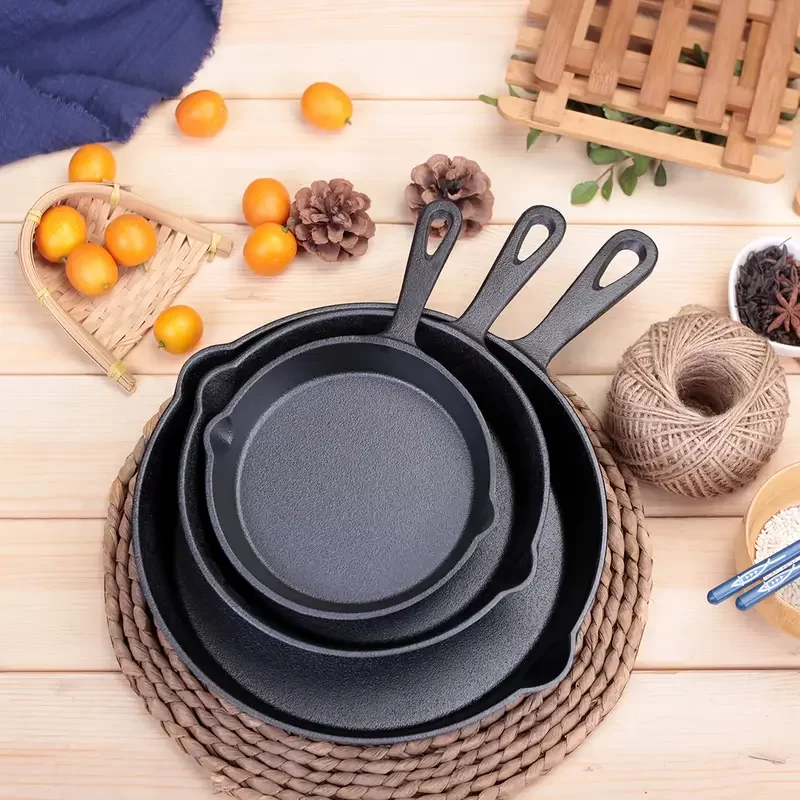
Furthermore, the rise of single-person households (1-person homes) in urban centers has spiked the demand for compact, versatile tools. A small enameled cast iron skillet has become a staple for young professionals who seek professional-grade searing capabilities without occupying excessive cabinet space.
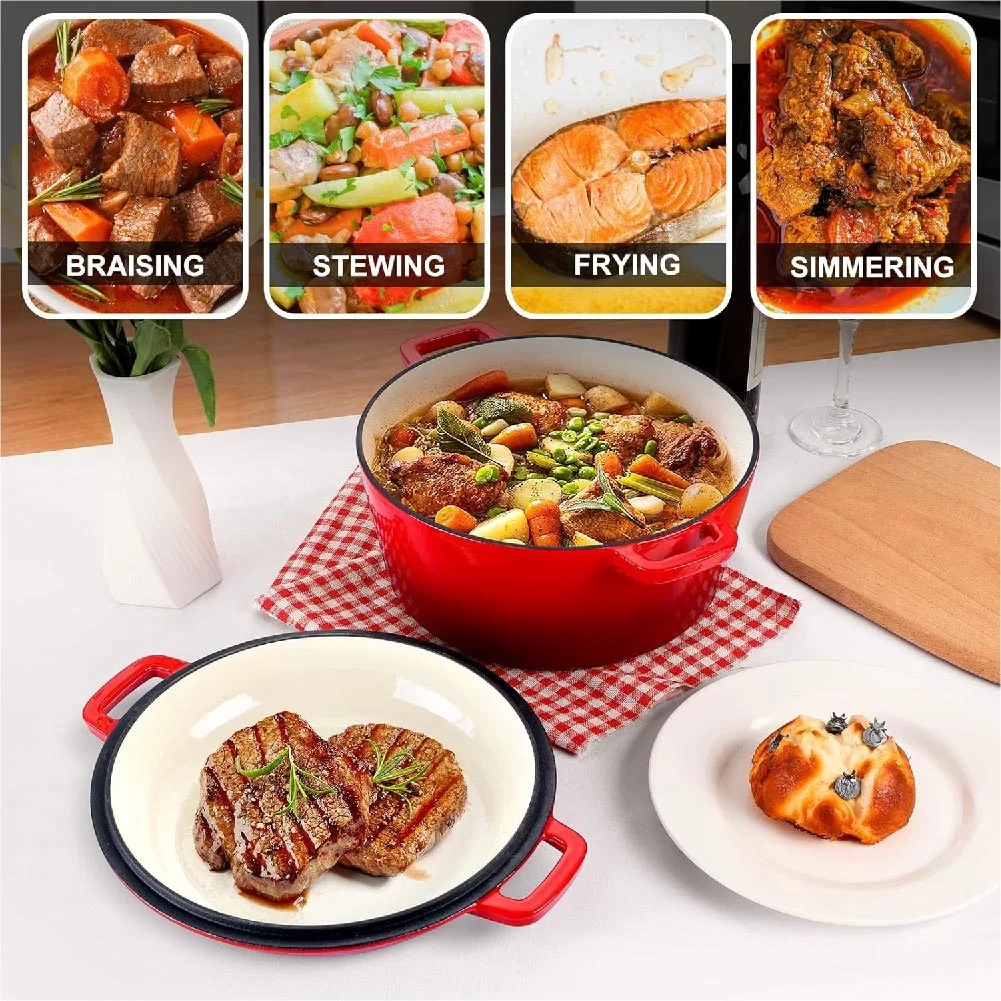
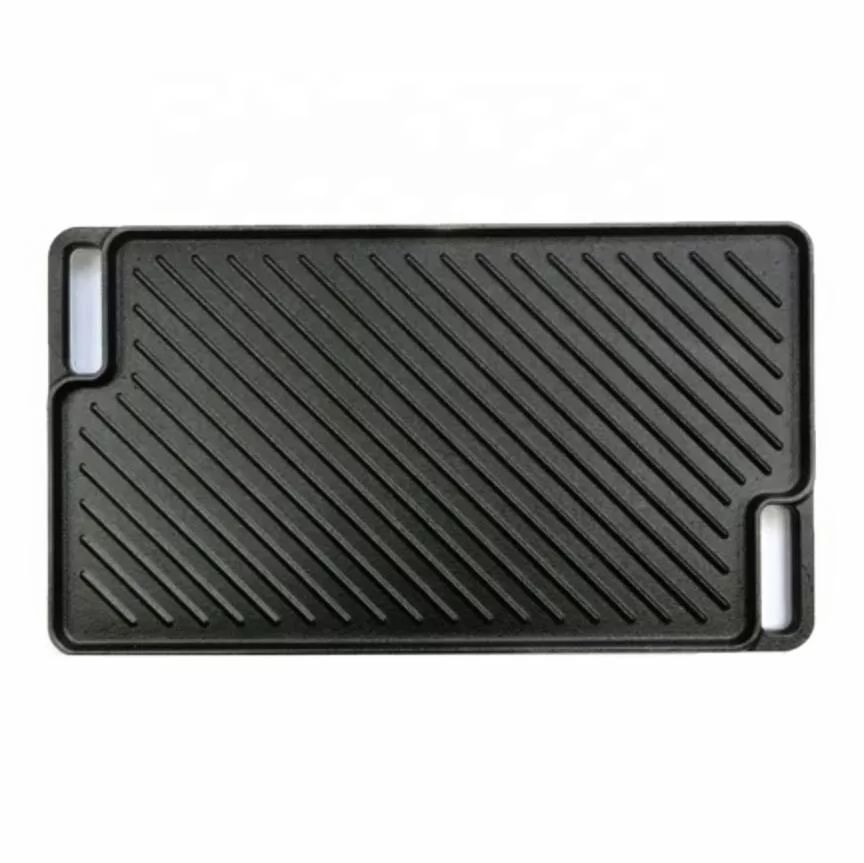
Evolution of Enameled Cast Iron Technology

From heavy industrial casting to precision-engineered culinary art.

Market Development History

Historically, cast iron in Asia was raw and required extensive seasoning. By the late 20th century, the introduction of vitreous enamel began to solve the oxidation problem, allowing for non-reactive cooking with acidic ingredients.

Between 2010 and 2020, the technology shifted toward multi-layer porcelain coatings. This era saw the frying pan cast iron enameled transition from a purely rustic tool to a high-fashion kitchen accessory with improved chip resistance.

Today, the focus has moved toward thermal efficiency and weight optimization. Modern casting processes now allow for thinner walls without sacrificing the heat retention that makes cast iron superior for braising and searing.

Future Development Trends

Eco-Friendly Enamel Composition

The industry is moving toward PFOA-free and heavy-metal-free enamel glazes to meet South Korea's strict environmental and health regulations.

Induction-Optimized Bases

Future designs will feature perfectly flat, magnetized bases to ensure 100% efficiency on the high-frequency induction hobs common in Korean apartments.

Customized Ergonomic Handles

Integration of heat-resistant alloys with cast iron to reduce the overall weight while maintaining the thermal core of the skillet.

Industry Outlook and Future Strategic Directions

Predicting the next 5 years of metallurgical innovation in the cookware sector.

Smart Heat Distribution
Implementing variable wall thickness to eliminate hot spots and ensure uniform cooking across the entire surface.
Advanced Enamel Bonding
Utilizing high-temperature plasma spraying to increase the bond strength between the cast iron and the porcelain layer.
Hyper-Durability Coating
Developing scratch-resistant porcelain surfaces that maintain their luster even under heavy professional use.
Lightweight Casting Alloys
Researching iron-chromium alloys to reduce weight by 15% without compromising the thermal mass.

Industry Outlook

Google search trends for "luxury cookware" and "non-toxic pans" in South Korea show a steady 12% year-on-year increase. This indicates a strong consumer move toward durable, permanent cookware over disposable non-stick alternatives.

We anticipate that the integration of e-commerce and direct-to-consumer (DTC) models will allow specialized manufacturers to bring highly customized cast iron solutions directly to the Korean home chef, emphasizing provenance and metallurgical quality.

Localized Applications for the Korean Culinary Market

Versatile use cases for enameled cast iron in traditional and modern Korean homes.

1. Galbi-jjim (Braised Short Ribs) in Deep Skillets

The deep enameled cast iron skillet is ideal for slow-braising Galbi-jjim, providing the steady, low heat needed to tenderize meat while the enamel prevents the soy-based sauce from reacting with the metal.

2. Modern Breakfasts with Small Enamel Pans

For the growing "Brunch Culture" in Seoul, the small enameled cast iron skillet is perfect for individual egg-in-a-hole or mini-frittatas, offering an aesthetic "oven-to-table" presentation.

3. High-Heat Searing for Korean BBQ

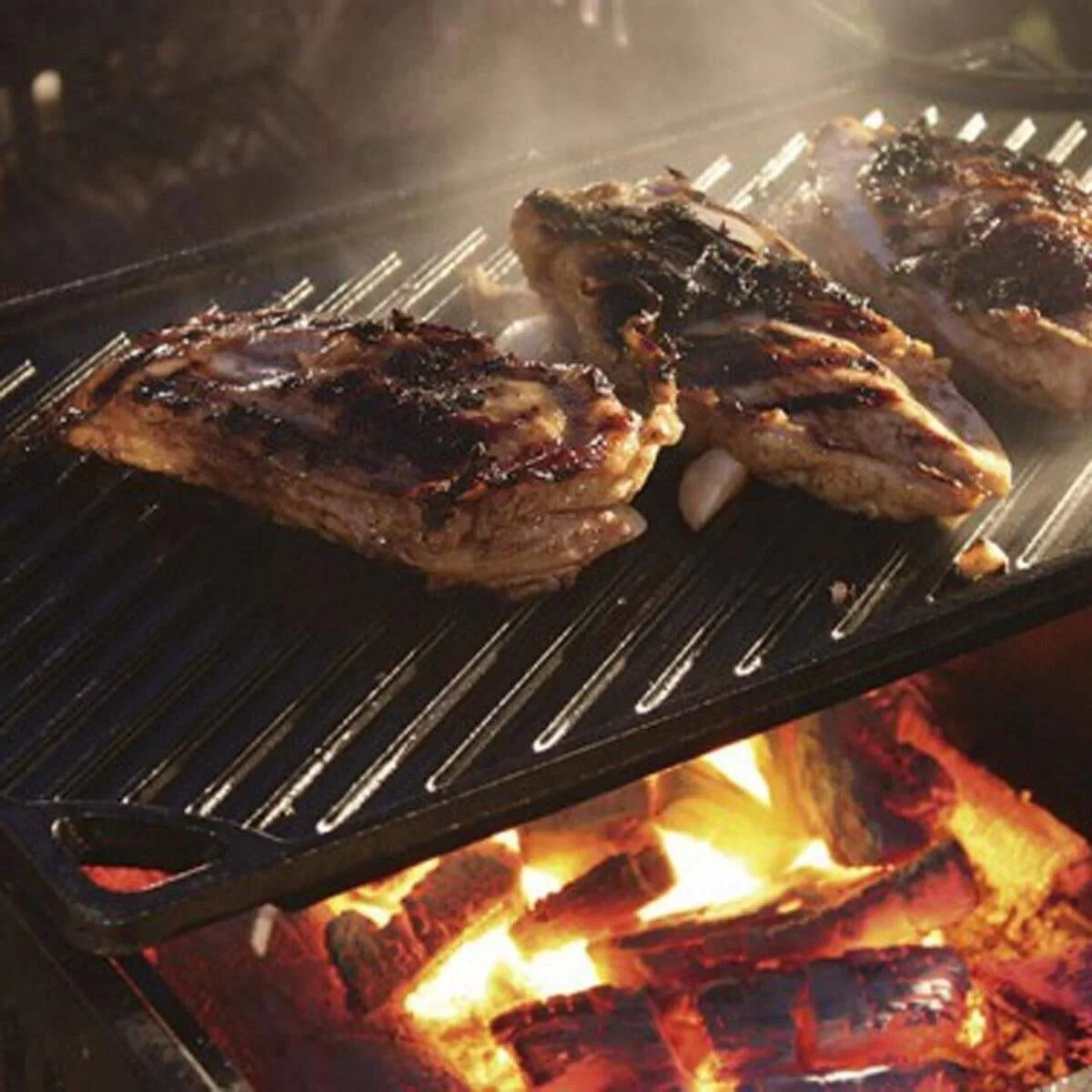
A frying pan cast iron enameled provides the intense heat retention required to replicate the char-grilled taste of Korean BBQ on an indoor induction stove.

4. Aesthetic Table-Top Stewing

The white enamel cast iron skillet is frequently used as a serving vessel for creamy stews or fusion pastas, combining functional warmth with a clean, high-end visual appeal.

5. Acidic Kimchi-based Stews (Jjigae)

Using a porcelain enamel skillet ensures that the highly acidic nature of fermented kimchi does not leach iron into the food, preserving the authentic flavor profile of the dish.

Brand Story

Global Development Journey of Ningjin County Jinshengyuan Casting Co., Ltd.

Foundations of Mastery

Established in the heart of China's casting hub, we began with a simple mission: to perfect the balance between raw strength and refined finish in ironware.

The Enamel Revolution

We invested heavily in porcelain fusion technology to solve the age-old problem of rust and reactivity, creating a seamless bond between iron and glass.

Precision Engineering

By adopting CNC machining and automated polishing, we transitioned from rustic casting to precision-engineered cookware that fits perfectly on modern hobs.

Global Reach

Expanding our footprint into Asia and Europe, we tailored our designs to fit diverse culinary traditions, from the slow braises of France to the stews of Korea.

Sustainable Future

Our current focus is on zero-waste casting and eco-friendly enamels, ensuring that our passion for cooking doesn't come at the cost of the planet.

Frequently Asked Questions for South Korean Customers

Expert answers regarding the use and care of enameled cast iron.

Is a deep enameled cast iron skillet safe for induction cooktops?

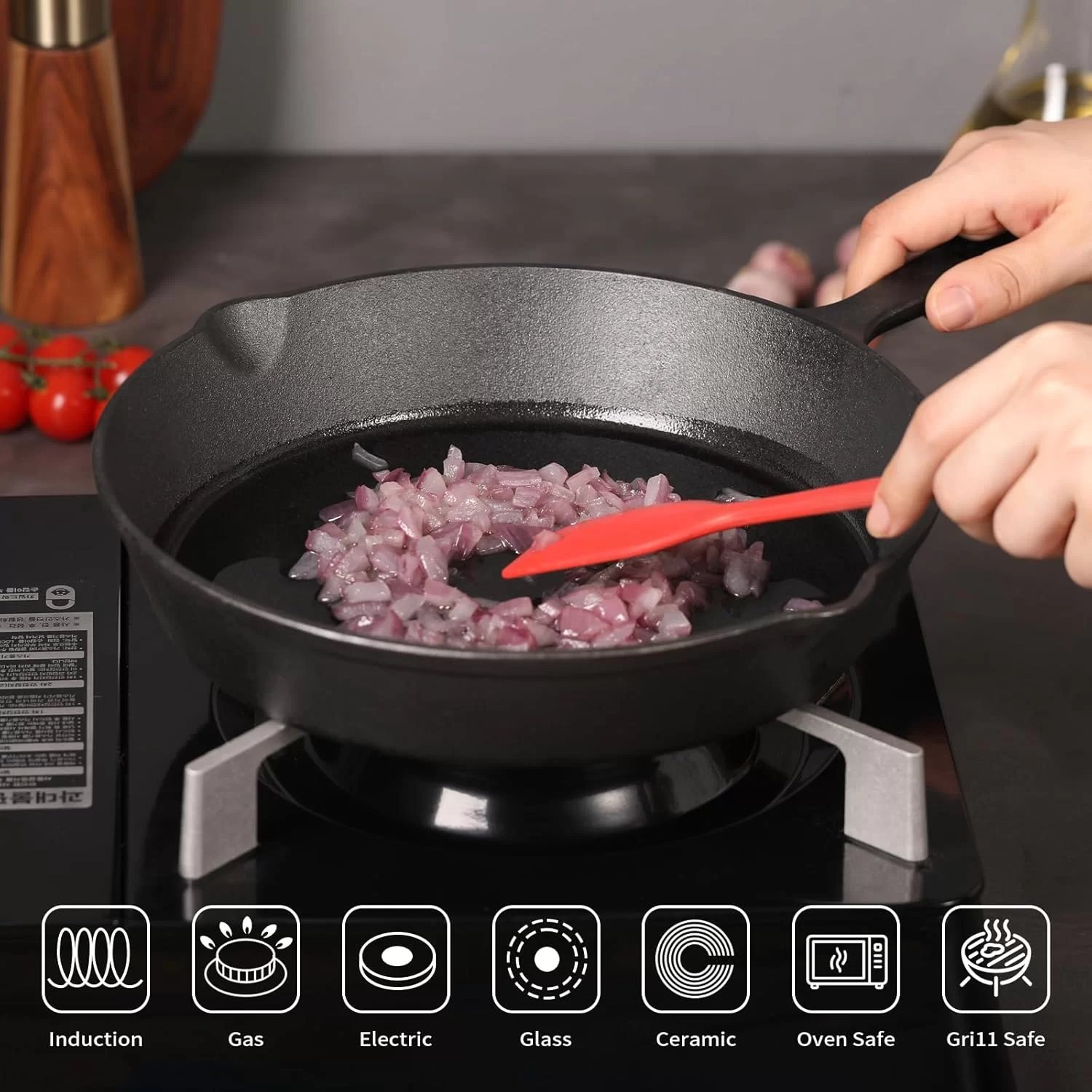
Yes, our enameled cast iron is ferromagnetic and specifically engineered with a flat base to ensure maximum efficiency and safety on all induction surfaces common in South Korean homes.

How do I prevent staining on a white enamel cast iron skillet?

Avoid using metal utensils and sudden temperature shocks. For organic stains, a paste of baking soda and water is highly effective in restoring the bright white finish.

What is the benefit of a small enameled cast iron skillet for urban living?

It provides the professional searing power of cast iron while occupying minimal space, making it perfect for small apartments in cities like Seoul.

Does a frying pan cast iron enameled require seasoning?

No, unlike raw cast iron, the porcelain enamel coating creates a non-reactive barrier, meaning no seasoning is required before first use.

Can I use a porcelain enamel skillet for acidic Korean Kimchi stews?

Absolutely. The glass-like enamel surface is non-reactive, making it the safest choice for cooking acidic foods without altering the taste.

How should I store my enameled cast iron to avoid chipping?

We recommend using felt protectors or placing a paper towel between stacked pans to prevent the enamel surfaces from rubbing against each other.

Partner With the Experts in Cast Iron

Ready to upgrade your kitchenware supply chain in South Korea? Contact us for OEM and bulk manufacturing solutions.

Contact Us Now

If you are interested in our products, you can choose to leave your information here, and we will be in touch with you shortly.