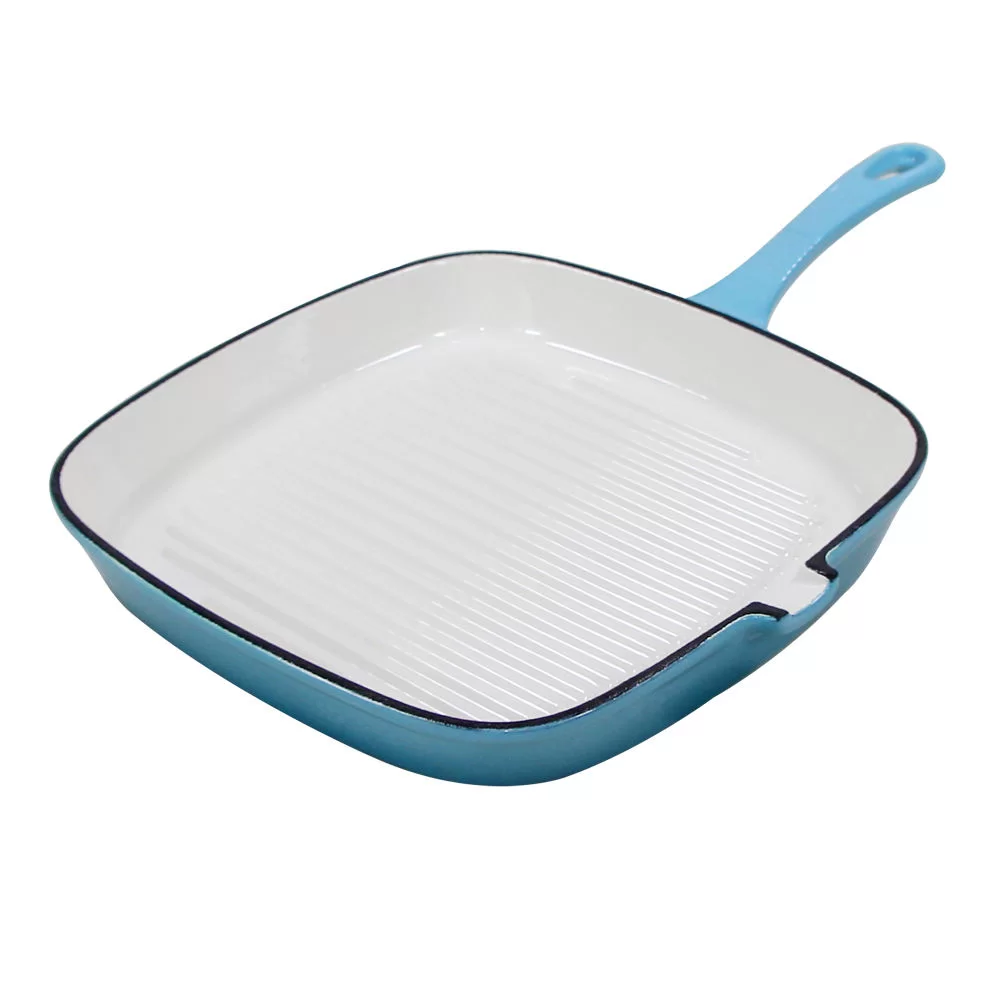
In Libya, the culinary environment is characterized by high-temperature cooking and a preference for slow-simmered stews. Traditional cast iron has always been valued, but the harsh, salty coastal air in cities like Tripoli and Benghazi often leads to rapid oxidation of untreated metals. This creates a critical need for a white enamel cast iron skillet, which provides a protective barrier against corrosion while maintaining superior heat retention.
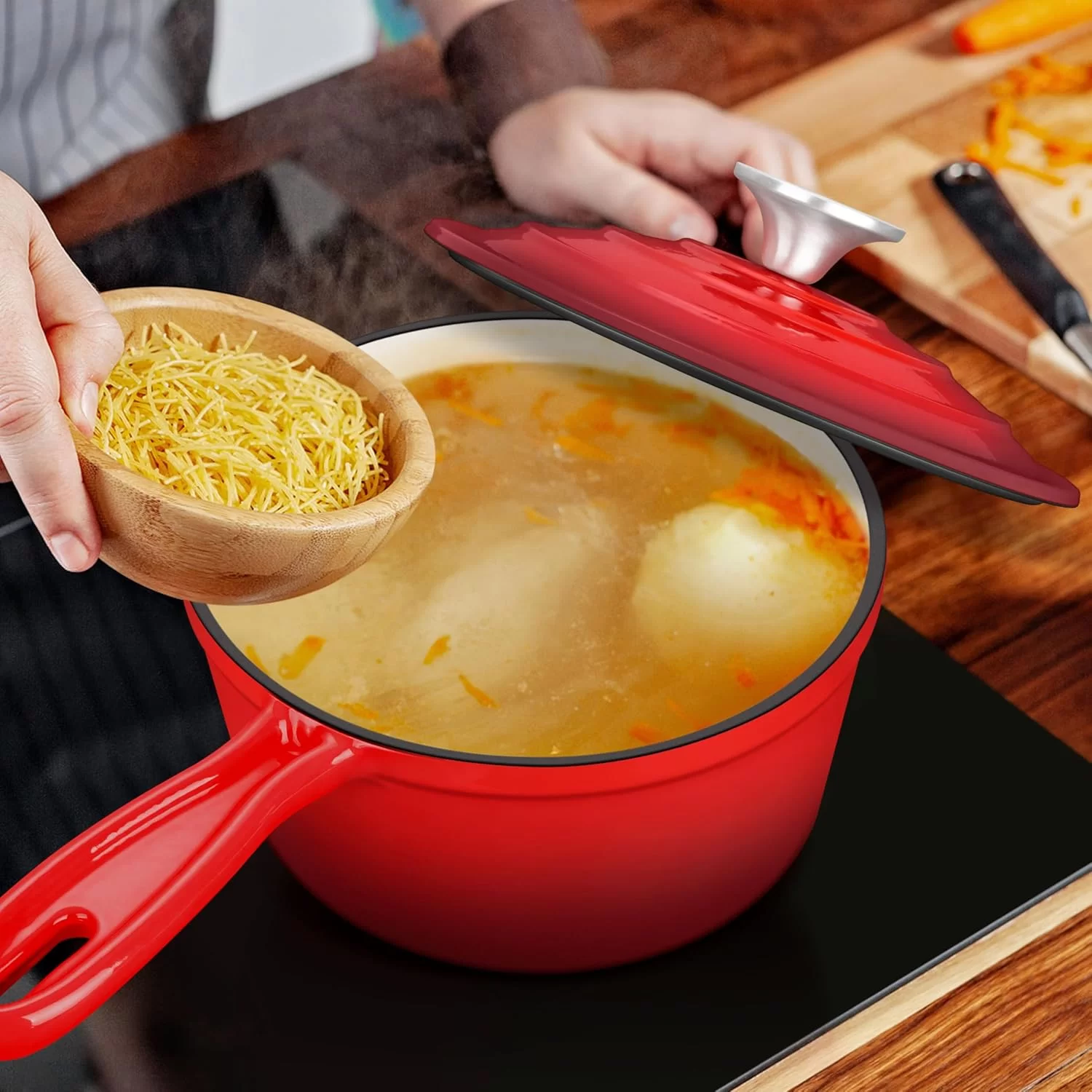
Economically, the Libyan market is shifting toward professional-grade home kitchenware. Consumers are increasingly seeking a frying pan cast iron enameled to replace thinner aluminum alternatives that cannot sustain the consistent heat required for authentic regional dishes. The ability of enamel to prevent food from reacting with the iron is a significant selling point for acidic ingredients common in local recipes.
Furthermore, the scarcity of specialized maintenance tools in some rural regions makes "seasoning-free" cookware highly attractive. The adoption of the small enameled cast iron skillet allows for efficient portion control and rapid heating, catering to the evolving modern Libyan household structure.