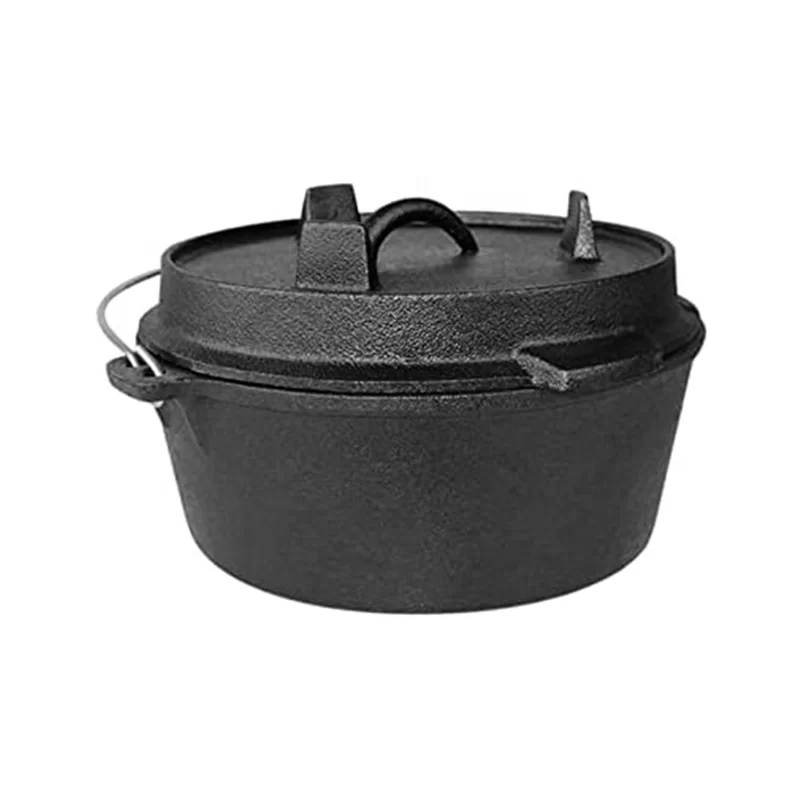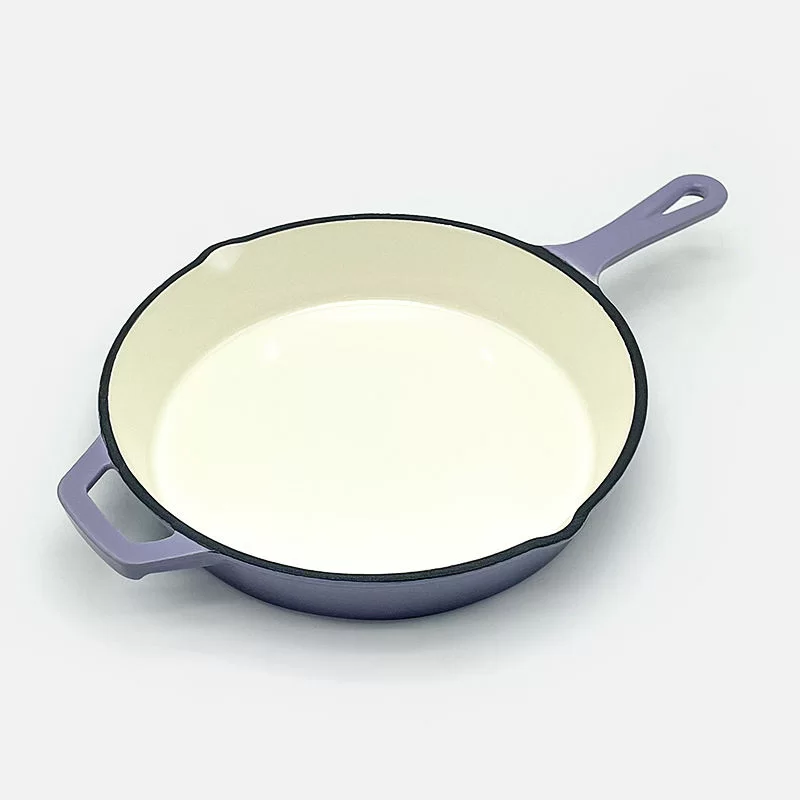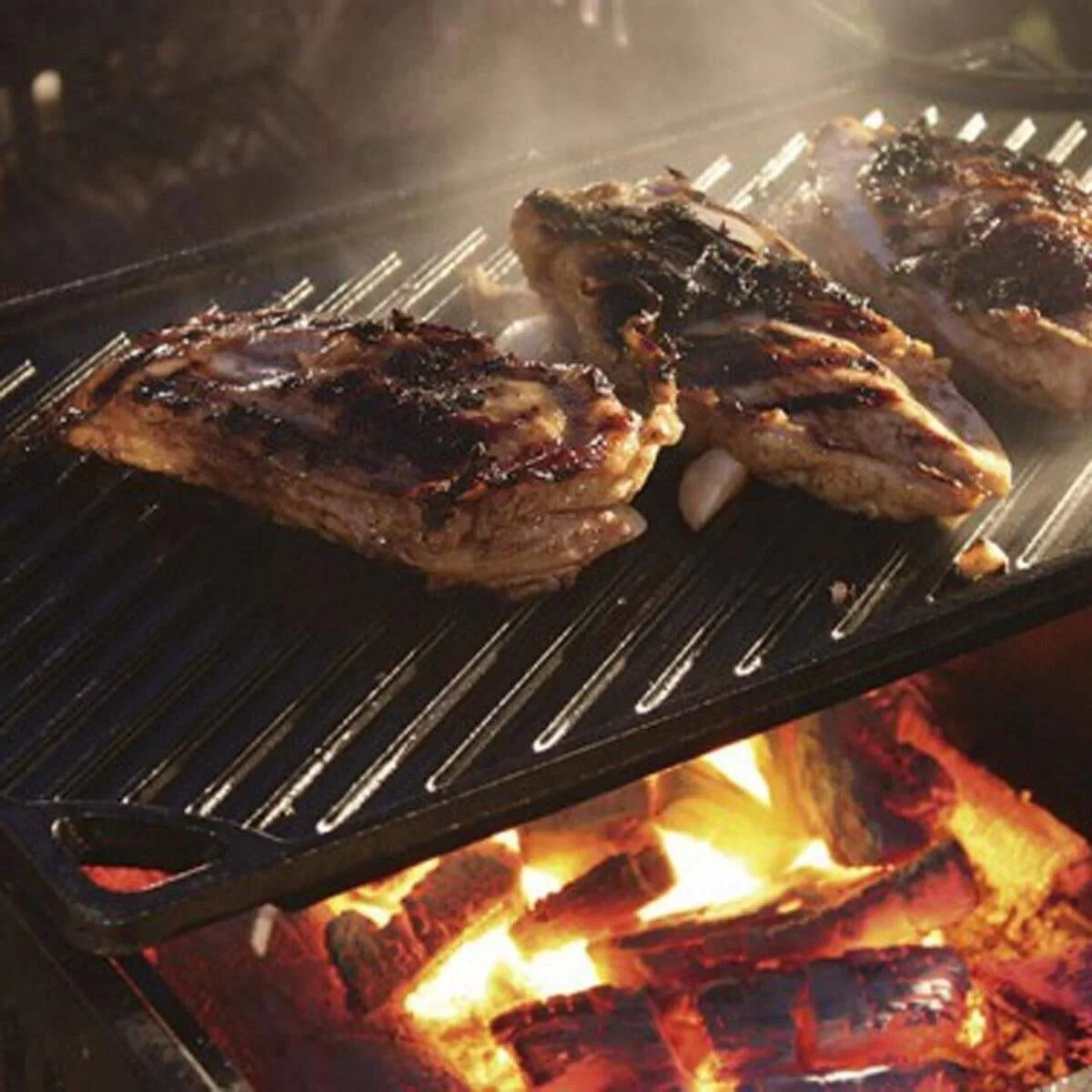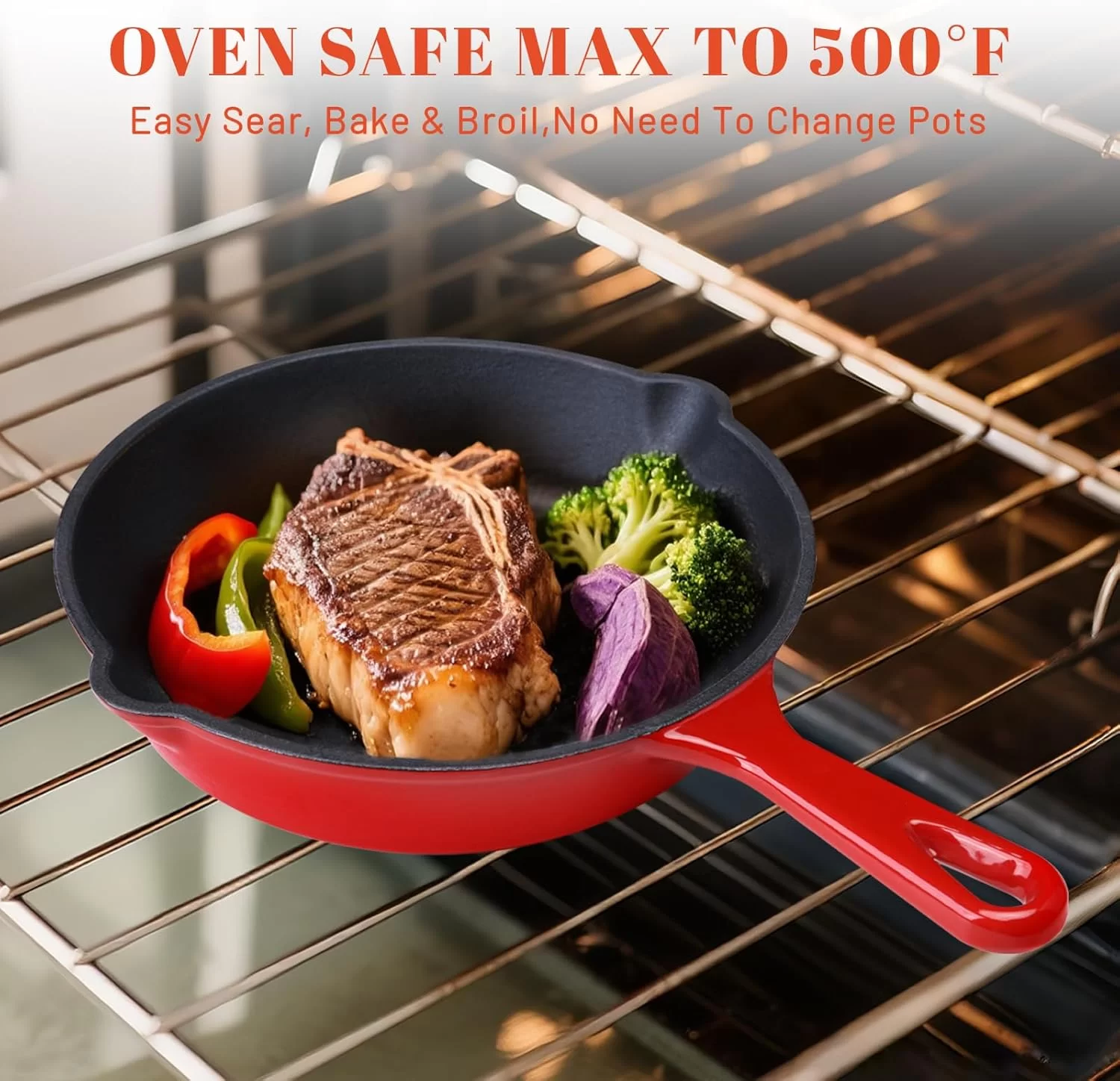
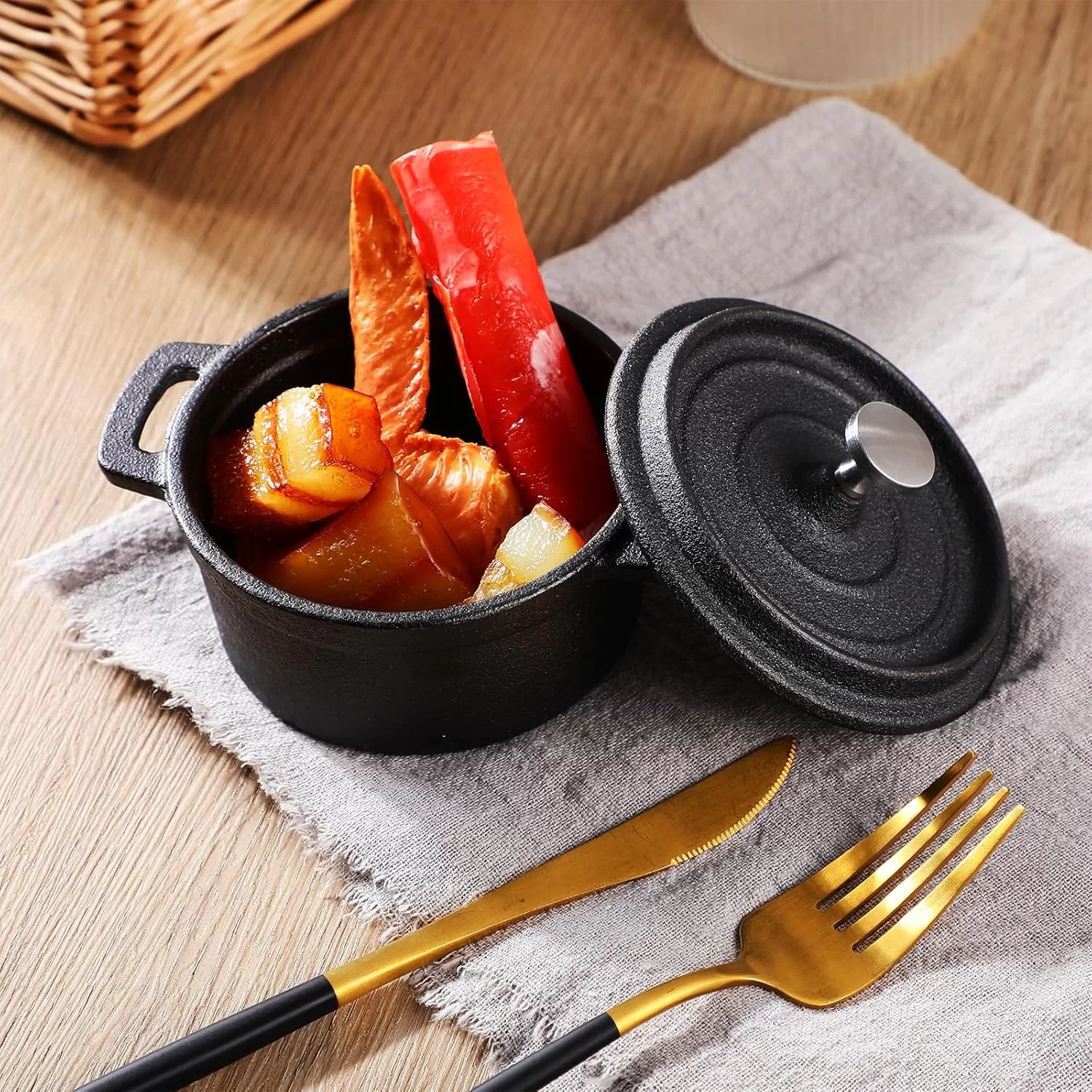
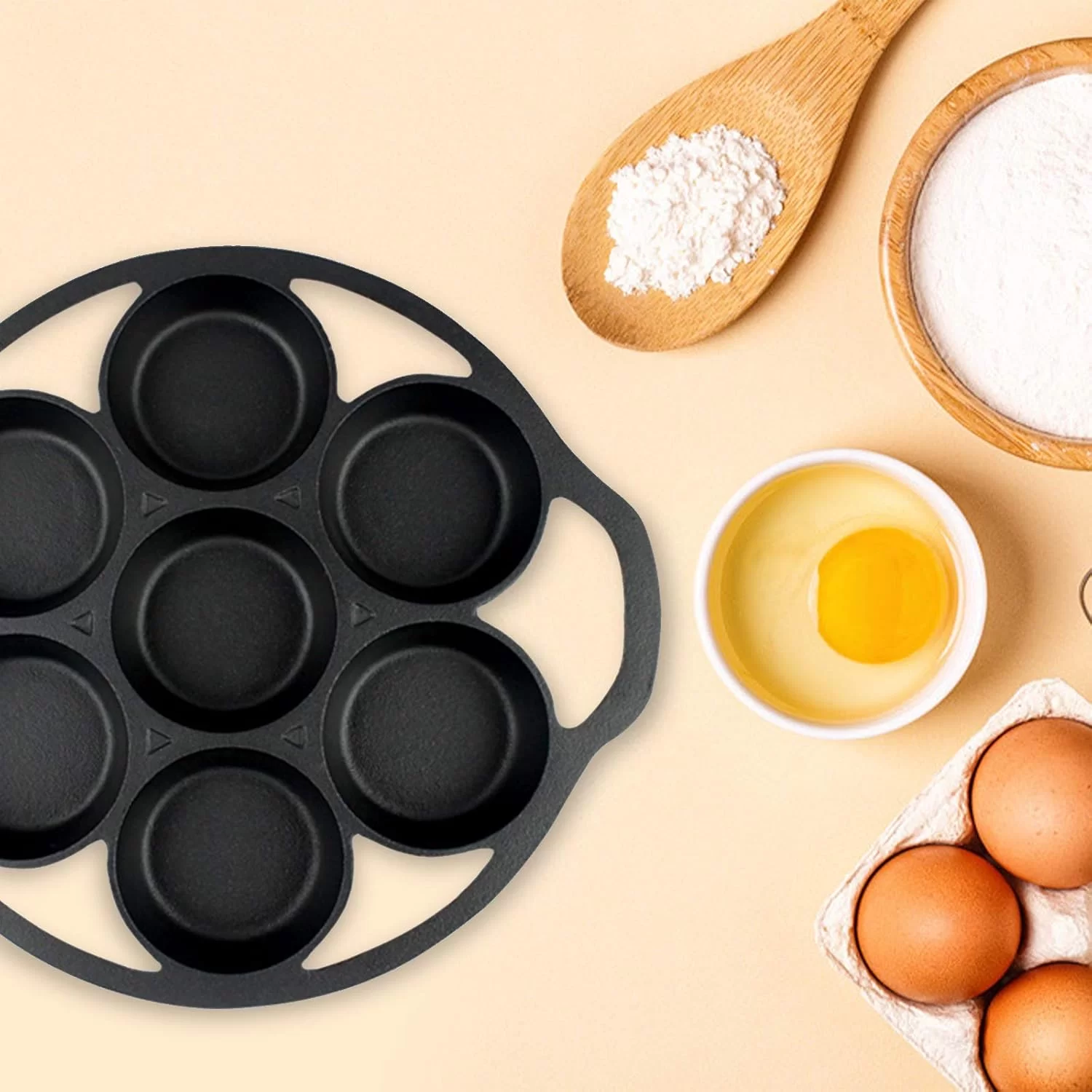
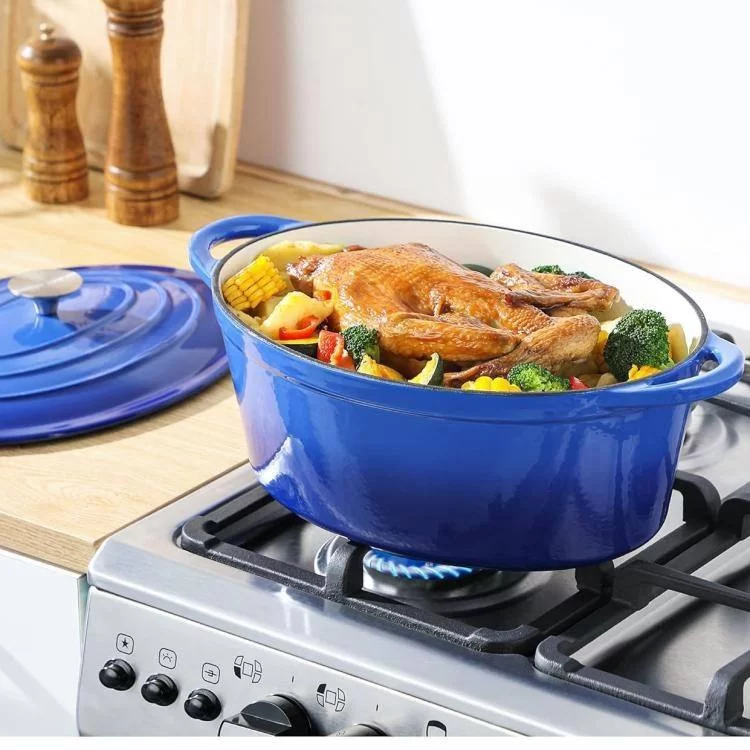
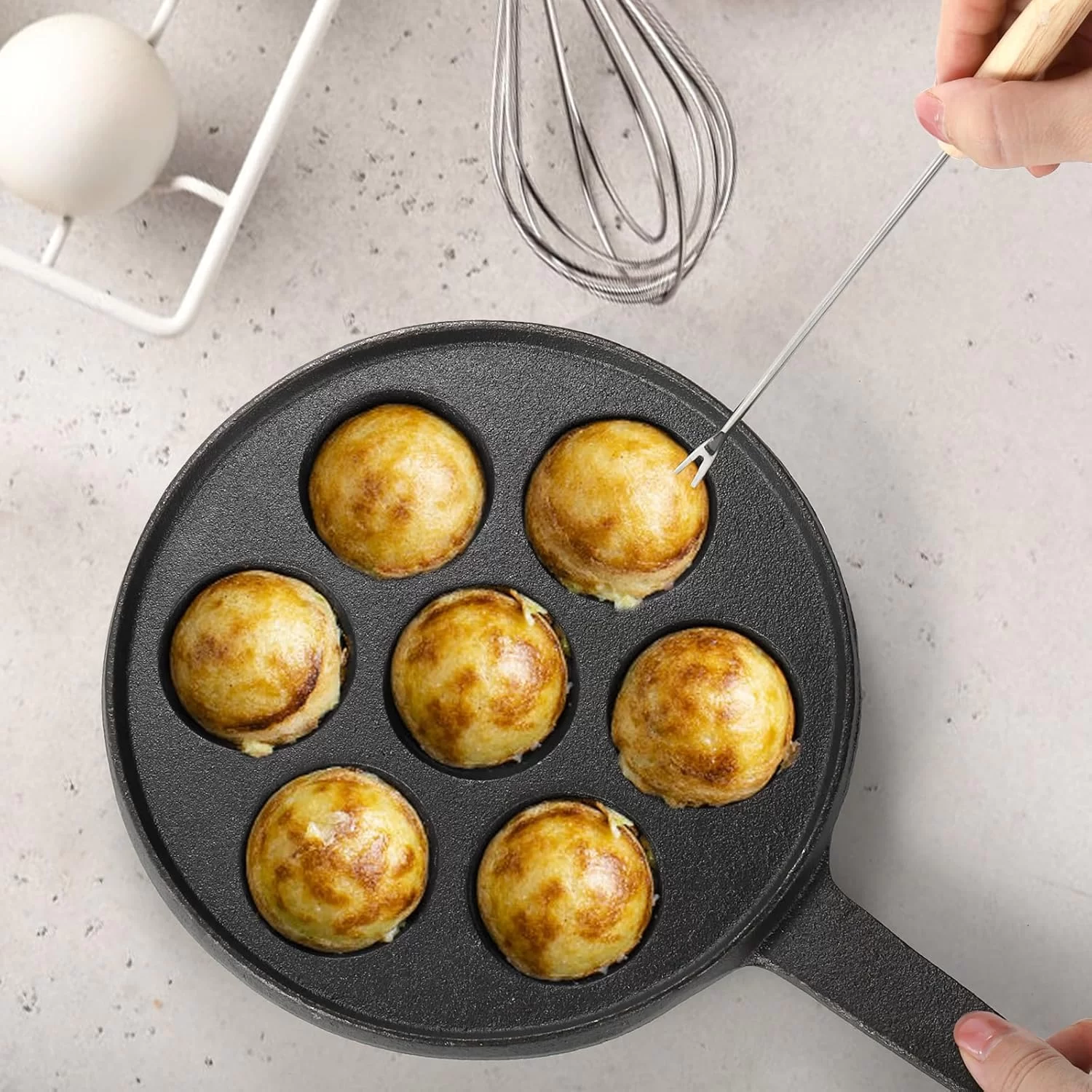
In Egypt, the culinary tradition relies heavily on durable cookware that can withstand high-heat searing and slow-simmering. While traditional raw cast iron has been a staple, the demand for a frying pan cast iron enameled has surged due to the need for easier maintenance and the elimination of the seasoning process, which is often cumbersome in humid coastal areas like Alexandria.
The local market is currently transitioning from heavy, unrefined casting to precision-engineered vessels. The high salinity in certain Egyptian regions accelerates the oxidation of raw iron, making the adoption of a white enamel cast iron skillet an attractive option for consumers seeking a hygienic, non-reactive surface that prevents food contamination and rust.
Economically, Egypt's growing urban middle class is shifting toward "buy-it-for-life" kitchenware. This trend favors the structural integrity of a small enameled cast iron skillet for individual portions and specialty appetizers, blending modern aesthetics with the timeless heat-distribution properties of heavy-duty cast iron.