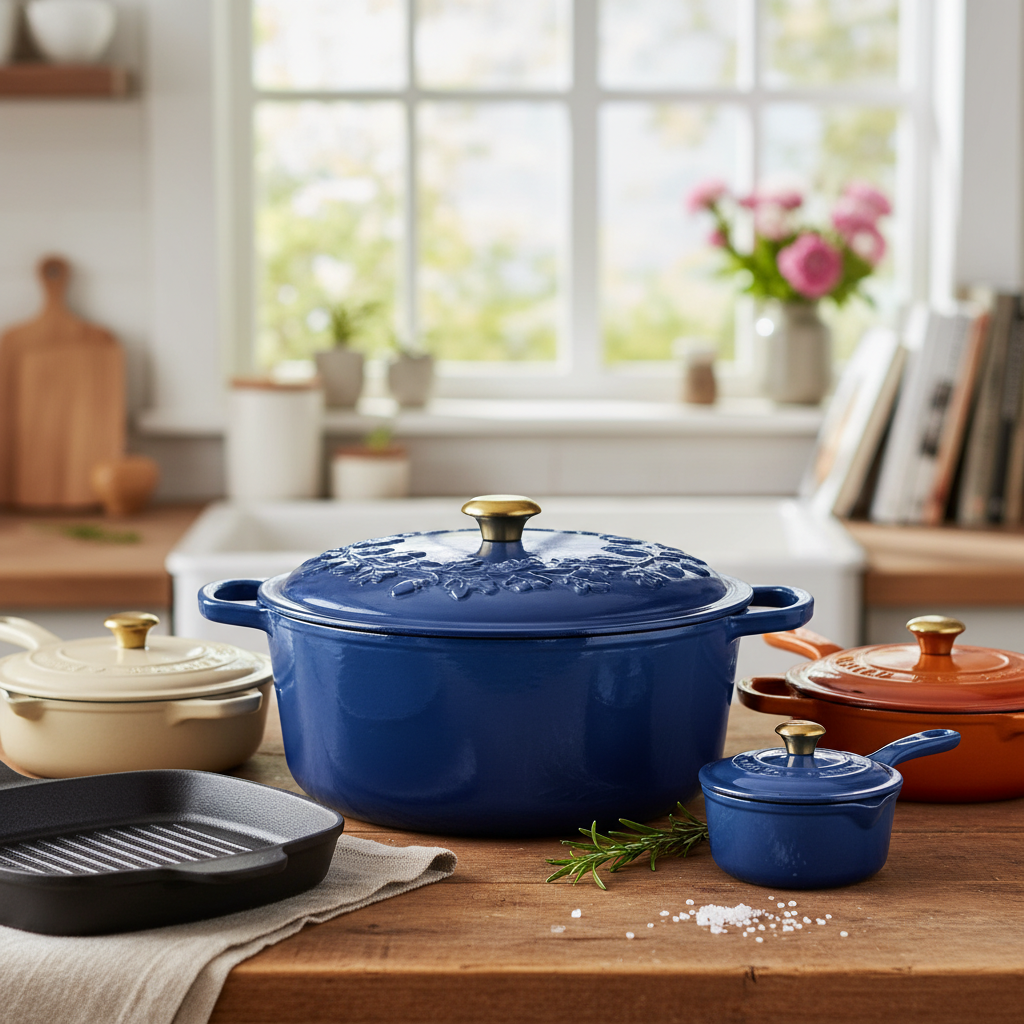
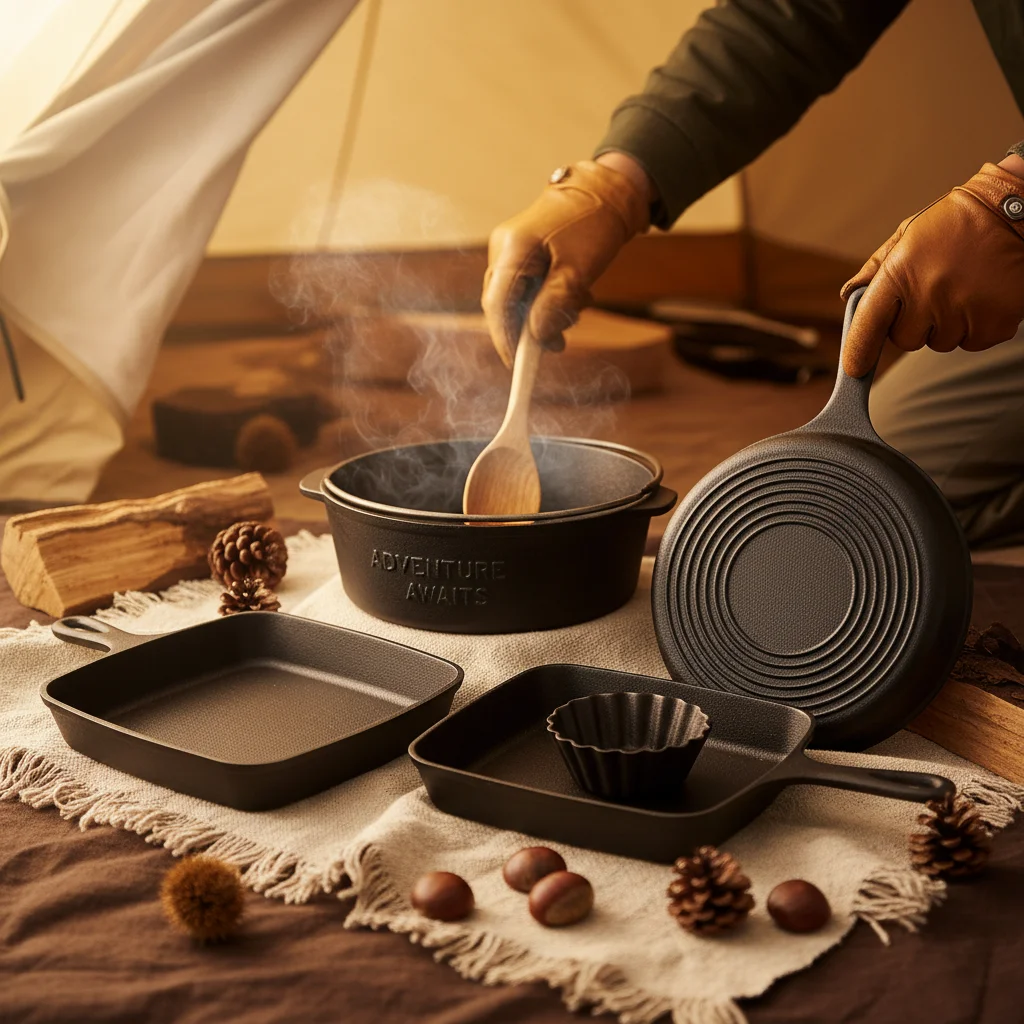
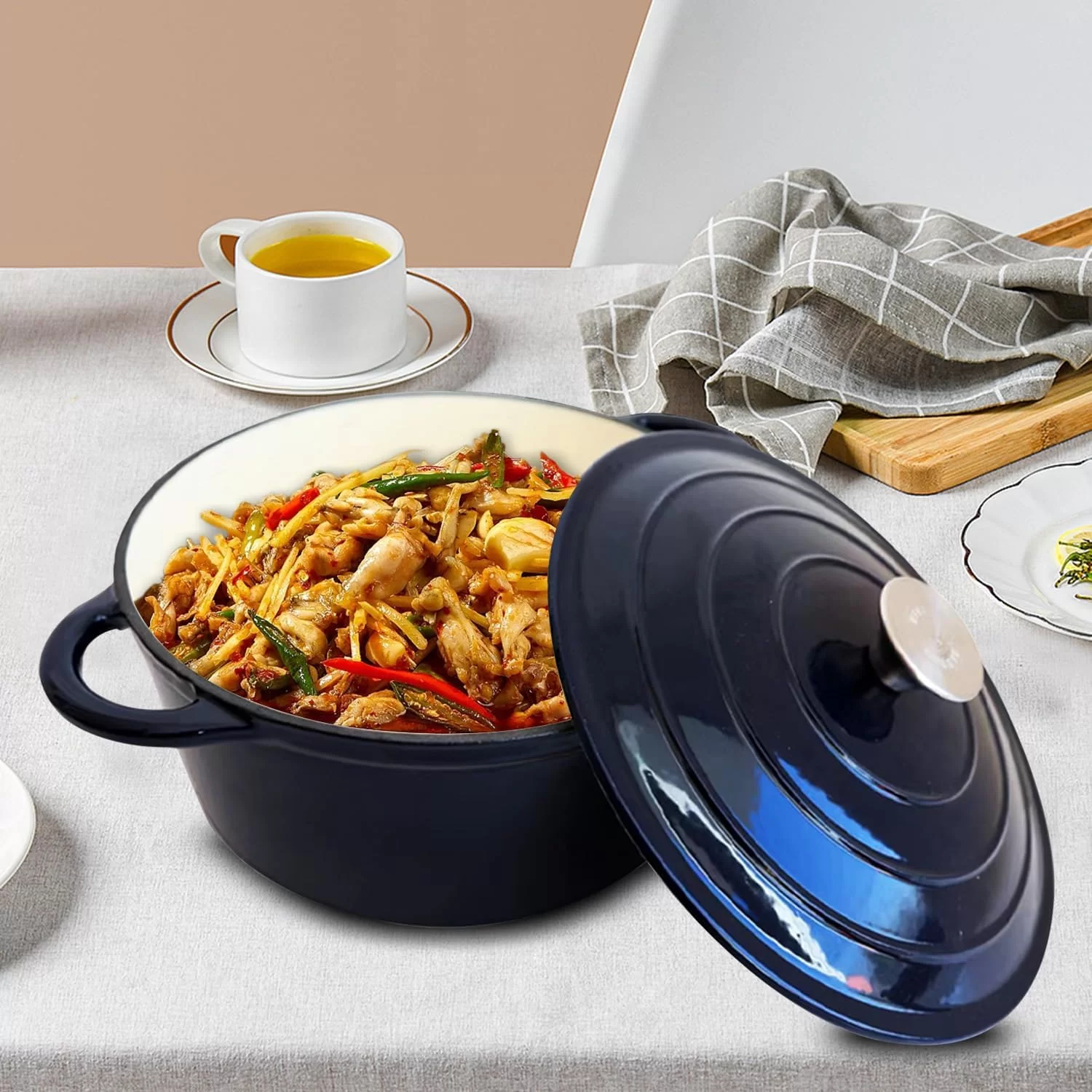
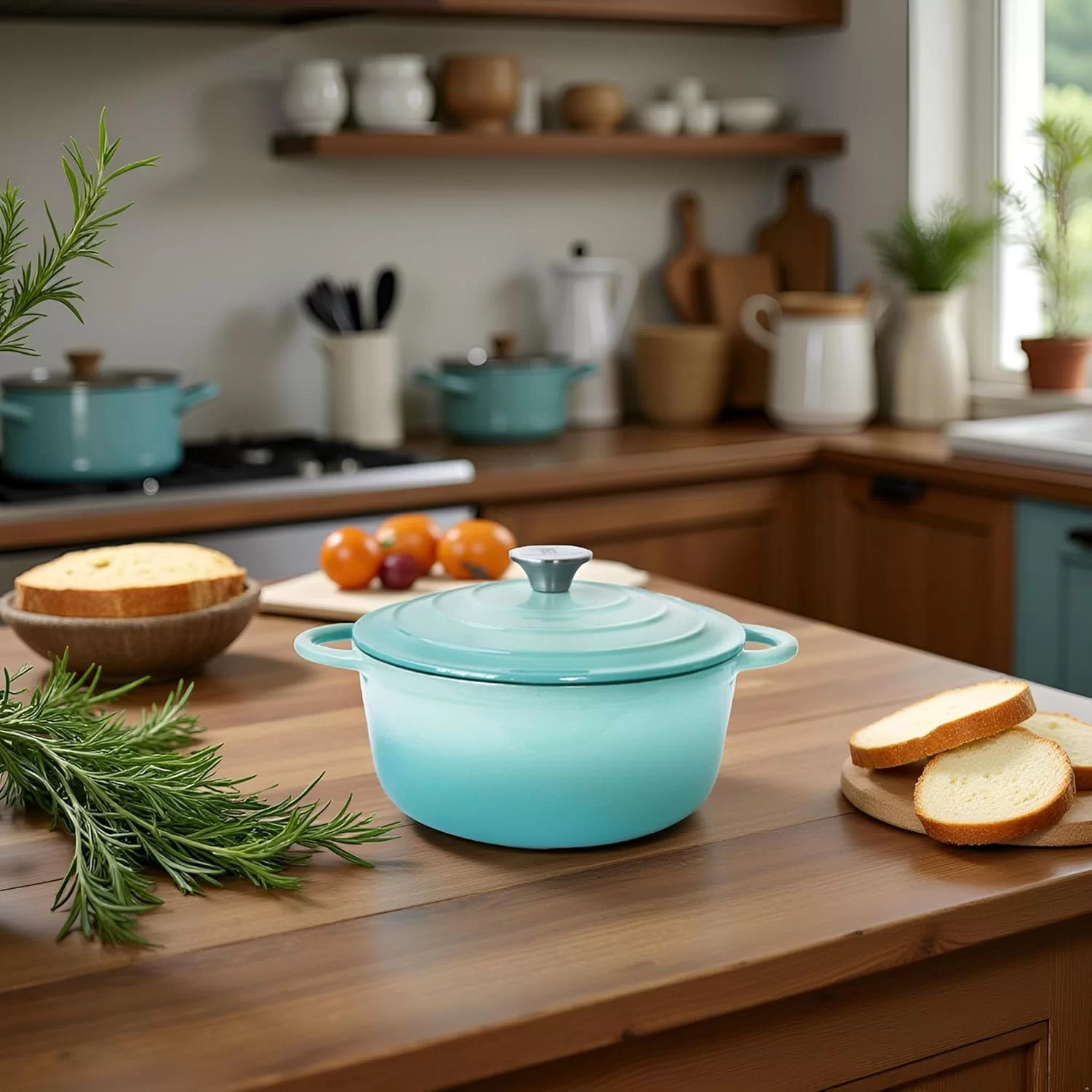
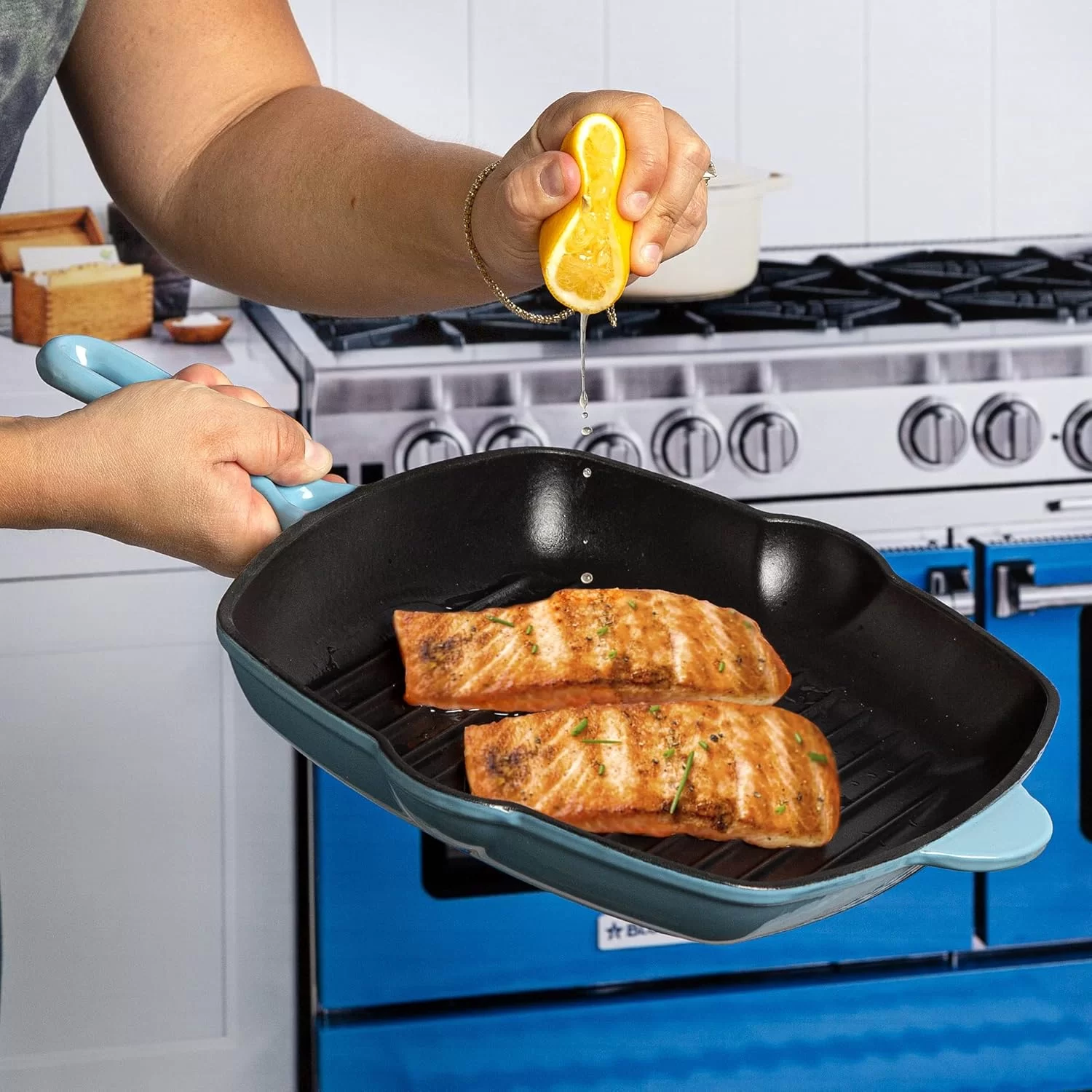
Custom cast iron cookware represents a cornerstone of culinary tradition, yet its modern applications extend far beyond the kitchen. Globally, it's experiencing a resurgence driven by a desire for durable, naturally non-stick, and versatile cooking surfaces. The UN’s Sustainable Development Goals highlight the importance of responsible consumption and production (Goal 12), which aligns perfectly with the longevity and recyclability of cast iron. This makes understanding its properties and modern manufacturing techniques increasingly vital.
The demand for durable, reliable cookware is particularly strong in developing nations where access to consistent energy sources and frequent replacement of kitchen tools can be challenging. World Bank data shows a growing emphasis on household resilience, and robust cookware plays a key role. The increasing focus on reducing reliance on synthetic non-stick coatings, due to health concerns, further elevates the importance of high-quality cast iron.
Understanding custom cast iron cookware empowers consumers and professionals alike to make informed choices, selecting pieces tailored to their specific needs and contributing to a more sustainable and resilient food system. From heirloom pieces passed down through generations to cutting-edge designs leveraging modern metallurgy, the possibilities are vast. This article will delve into the nuances of this enduring material.
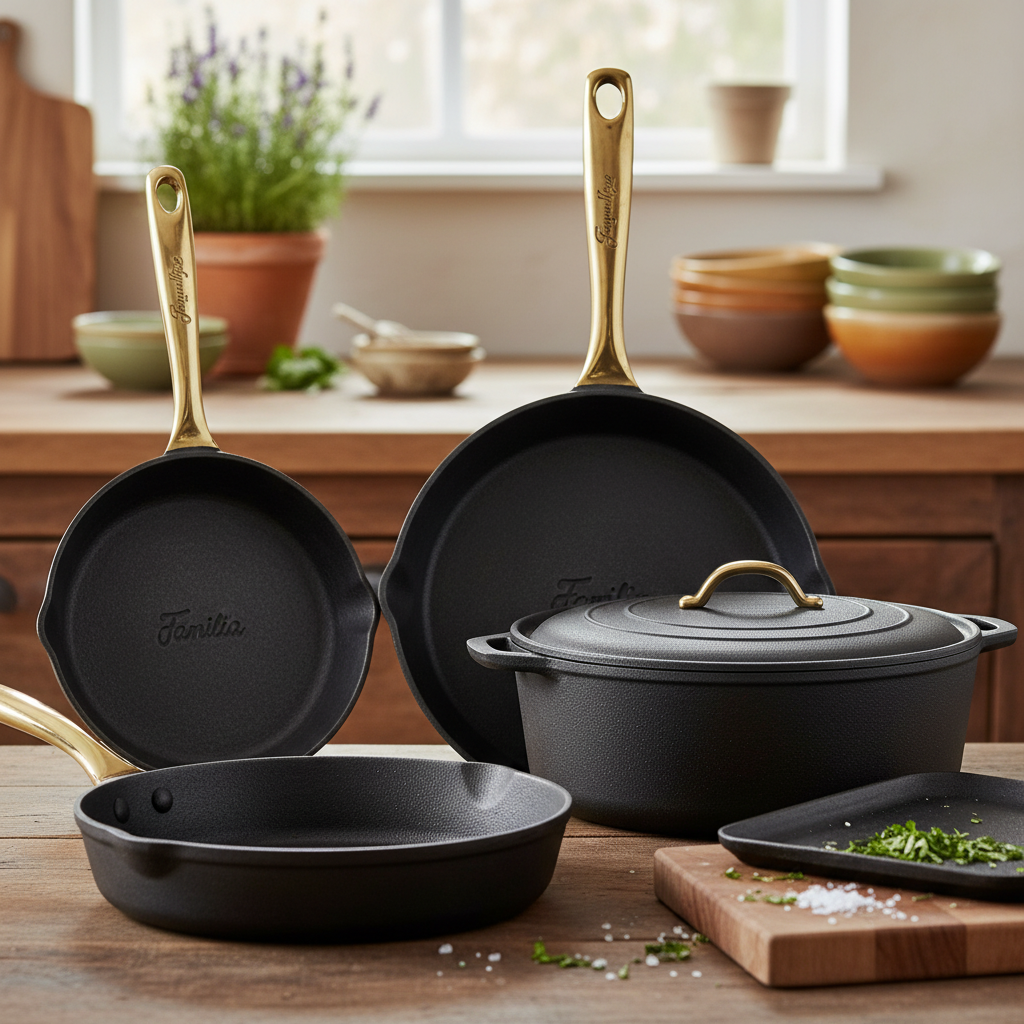
The Enduring Legacy of Custom Cast Iron Cookware
The history of cast iron cookware stretches back millennia, with evidence of its use in ancient China and Europe. Its initial appeal lay in its ability to withstand high temperatures and distribute heat evenly – qualities that remain paramount today. Customization, however, is a more recent development. While early cast iron was largely standardized, modern techniques allow for bespoke designs tailored to specific culinary needs or brand identities.
This evolution in customization has opened up a world of possibilities. From specialized paella pans and Dutch ovens to uniquely branded skillets for restaurants and chefs, custom cast iron cookware provides a unique blend of tradition and innovation. custom cast iron cookware truly represents a confluence of heritage and modern manufacturing.
Defining Custom Cast Iron Cookware
Custom cast iron cookware refers to cookware fabricated to specific dimensions, designs, or material specifications, differing from mass-produced items. This encompasses alterations to size, shape, wall thickness, surface texture, and even alloy composition. The process typically involves creating a unique pattern, which is then used to form sand molds for the casting process.
Unlike standard cast iron, where designs are optimized for high-volume production, custom pieces prioritize individualized requirements. This could mean a restaurant requesting a specific skillet shape for a signature dish, a chef needing a uniquely sized Dutch oven, or a brand wanting a skillet emblazoned with its logo.
The connection to modern industry lies in the growing demand for specialized equipment and branding. Humanitarian needs are served by the durability and long-term usability of these items, making them ideal for situations where replacement is difficult.
Core Characteristics of Custom Cast Iron
Several key factors define the quality and functionality of custom cast iron cookware. Firstly, durability is paramount. High-quality cast iron, properly seasoned, can last for generations, resisting wear and tear far exceeding that of other cookware materials. Secondly, heat retention is a critical characteristic, providing consistent temperatures for even cooking and searing.
Versatility is another key attribute; cast iron can be used on stovetops, in ovens, over campfires, and even on induction cooktops (depending on the composition). Natural non-stick properties develop over time with seasoning, reducing the need for oils and fats. Finally, customizability allows for unique designs and branding, providing a distinct competitive advantage.
Weight and Thermal Mass contribute significantly to its heat retention and even heating. The inherent weight of cast iron requires careful design considerations, especially for larger pieces. Properly designed custom cookware addresses these factors to maximize usability and comfort.
Practical Applications Across Industries
The applications of custom cast iron cookware extend far beyond the home kitchen. The hospitality industry, including restaurants and hotels, frequently utilizes custom pieces for specialized dishes or branded experiences. High-end steakhouses, for instance, may commission custom skillets designed for optimal searing.
Custom Cast Iron Cookware Application Breakdown
Advantages and Long-Term Value Proposition
The tangible benefits of custom cast iron cookware are numerous. Firstly, it offers exceptional cost-effectiveness over its lifespan, due to its durability and minimal maintenance requirements. Secondly, its sustainability stems from its long-lasting nature and the recyclability of iron. This aligns with growing consumer demand for environmentally responsible products.
Beyond the practical, custom cast iron cookware provides an emotional connection. Heirloom pieces are often passed down through generations, representing family traditions and cherished memories. This fosters a sense of trust and loyalty to the brand or artisan who created the piece. Investing in custom cast iron cookware offers a level of quality and longevity not found in disposable alternatives.
Future Trends in Cast Iron Manufacturing
Several emerging trends are shaping the future of cast iron cookware. Advanced molding techniques, such as 3D sand printing, are enabling more complex designs and faster prototyping. The integration of digital technologies, like automated seasoning processes and quality control systems, is improving efficiency and consistency.
Furthermore, research into new alloy compositions, incorporating elements like vanadium or chromium, aims to enhance properties like strength, corrosion resistance, and heat conductivity. The growing emphasis on sustainable manufacturing practices is also driving the adoption of recycled iron and energy-efficient casting processes.
Addressing Challenges in Cast Iron Production
Despite its many advantages, custom cast iron cookware faces several challenges. The traditional casting process can be labor-intensive and require significant skill. Weight can also be a drawback for certain applications. Finally, ensuring consistent seasoning and preventing rust requires proper care and maintenance.
Solutions include investing in automated casting equipment, exploring lighter-weight alloy formulations, and developing improved seasoning techniques that enhance durability and corrosion resistance. Providing clear instructions and resources on cast iron care is also crucial for maximizing customer satisfaction and longevity.
Core Challenges and Mitigation Strategies for Custom Cast Iron Production
| Challenge |
Impact on Cost |
Mitigation Strategy |
Expected Improvement |
| Labor-Intensive Casting Process |
High |
Automation of Molding and Core Making |
20-30% Cost Reduction |
| Inconsistent Seasoning |
Medium |
Automated Electrodeposition Seasoning |
Improved Consistency, Reduced Rejects |
| High Material Waste (Sand) |
Medium |
Sand Reclamation and Recycling Systems |
15-25% Reduction in Sand Consumption |
| Weight of Finished Product |
Low (Shipping Costs) |
Alloy Optimization (Reduced Iron Content) |
5-10% Weight Reduction |
| Rust Formation and Corrosion |
Low (Customer Dissatisfaction) |
Advanced Protective Coatings |
Enhanced Corrosion Resistance |
| Long Lead Times for Custom Designs |
Medium |
Implementation of Rapid Prototyping (3D Sand Printing) |
50% Reduction in Prototyping Time |
FAQS
The primary difference lies in the level of personalization and flexibility. Mass-produced cookware is designed for broad appeal and high-volume manufacturing, limiting design options. Custom cookware allows for unique shapes, sizes, branding, and even alloy compositions tailored to specific needs, offering a level of exclusivity not achievable with standard products. This customization comes at a higher price point but delivers unmatched functionality and aesthetic appeal.
The production timeline for custom cast iron cookware varies depending on the complexity of the design and the quantity ordered. Typically, it involves a pattern-making phase, mold creation, casting, finishing, and seasoning. A simple design might take 4-6 weeks, while a more intricate piece or larger order could take 8-12 weeks or longer. Rapid prototyping techniques like 3D sand printing can significantly reduce lead times.
A range of finishes can be applied to custom cast iron cookware. The standard finish is a seasoned surface created through multiple layers of polymerized oil. Other options include enamel coatings in various colors, powder coating for enhanced durability and color options, and even polished surfaces for a more refined aesthetic. The choice of finish depends on the intended use and desired appearance.
While some cast iron cookware can be cleaned in the dishwasher, it's generally not recommended, especially for seasoned pieces. Dishwashing can strip away the seasoning, leading to rust and reduced non-stick performance. Handwashing with mild soap and a soft sponge is the best practice for maintaining the integrity of the seasoning. Enamel-coated cast iron is more resistant to dishwasher use, but it's still best to handwash for optimal longevity.
For custom designs, we typically accept 3D models in formats like STEP, IGES, or STL. 2D drawings in PDF or DWG format are also helpful for providing detailed specifications. If you don’t have a 3D model, our design team can assist in creating one based on your specifications, but this will incur an additional design fee. Clear and accurate drawings are essential for ensuring a successful casting.
Yes, we specialize in incorporating logos and branding into custom cast iron cookware. This can be achieved through several methods, including raised lettering, recessed engraving, or sandblasting. The complexity of the logo and the desired level of detail will influence the cost. We require high-resolution vector files (AI, EPS, or SVG) for optimal results. This is a popular option for restaurants and promotional items.
Conclusion
Custom cast iron cookware stands as a testament to the enduring power of tradition combined with modern innovation. Its durability, versatility, and ability to be tailored to specific needs make it a valuable asset across diverse industries, from professional kitchens to outdoor enthusiasts. The advantages extend beyond functionality, encompassing sustainability, emotional connection, and brand distinction.
Looking ahead, advancements in manufacturing techniques and materials will continue to refine the art of cast iron production. Embracing these innovations and prioritizing sustainable practices will ensure that custom cast iron cookware remains a cherished and relevant part of our culinary landscape for generations to come. Explore the possibilities and discover the difference a truly custom piece can make.